ChattyCubs
£0.00 0

Basket

No products in the basket.

Speech & Communication

Speech & Communication

Long before clear words appear, your toddler is learning how to listen, respond, copy sounds and share meaning with you.

This page brings together everything you need to know about supporting speech and communication in the early years, in a way that feels calm and manageable.

What Is Speech and Communication?

Speech is the physical act of making sounds and forming words.

Communication is much bigger.

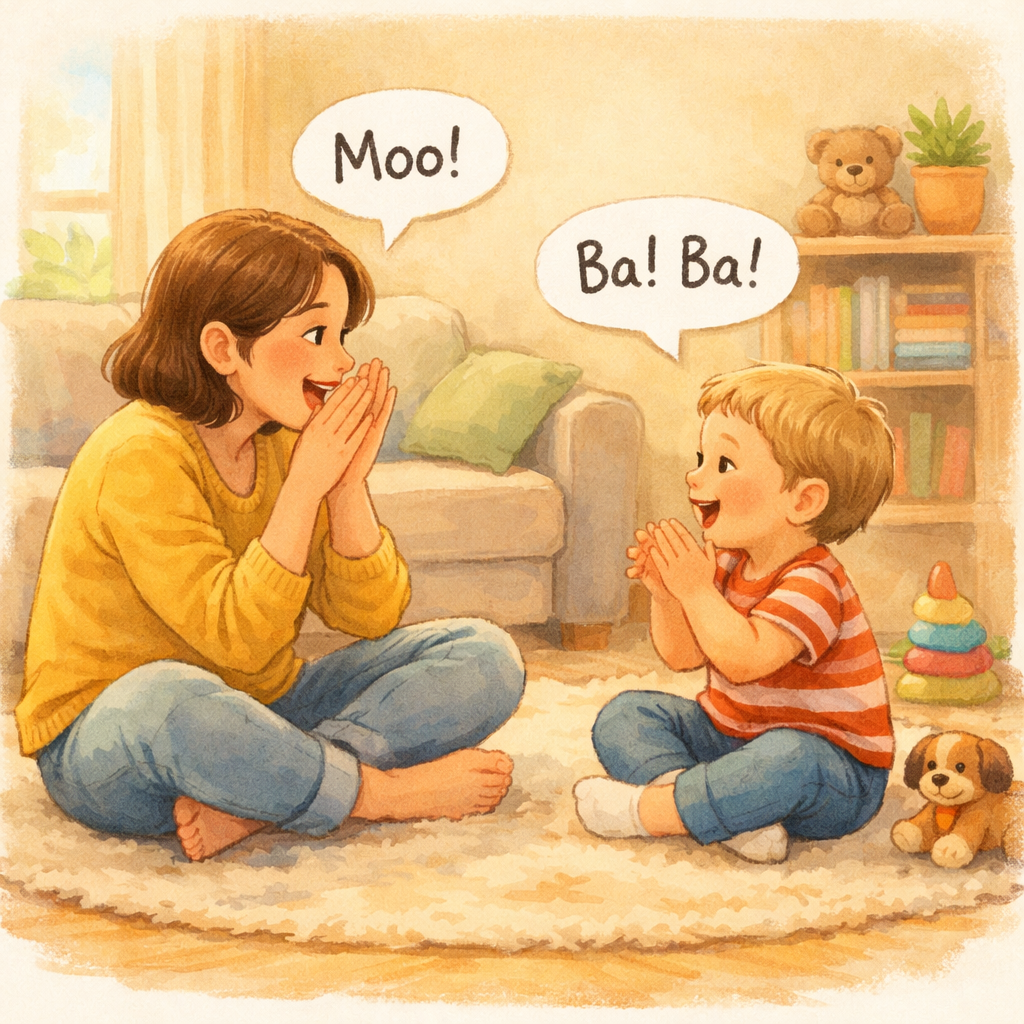
It includes eye contact, gestures, pointing, facial expressions, babbling, tone of voice and eventually words and short sentences.

Babies communicate before they can speak. Toddlers often understand far more than they can say.

You can explore this more deeply in:
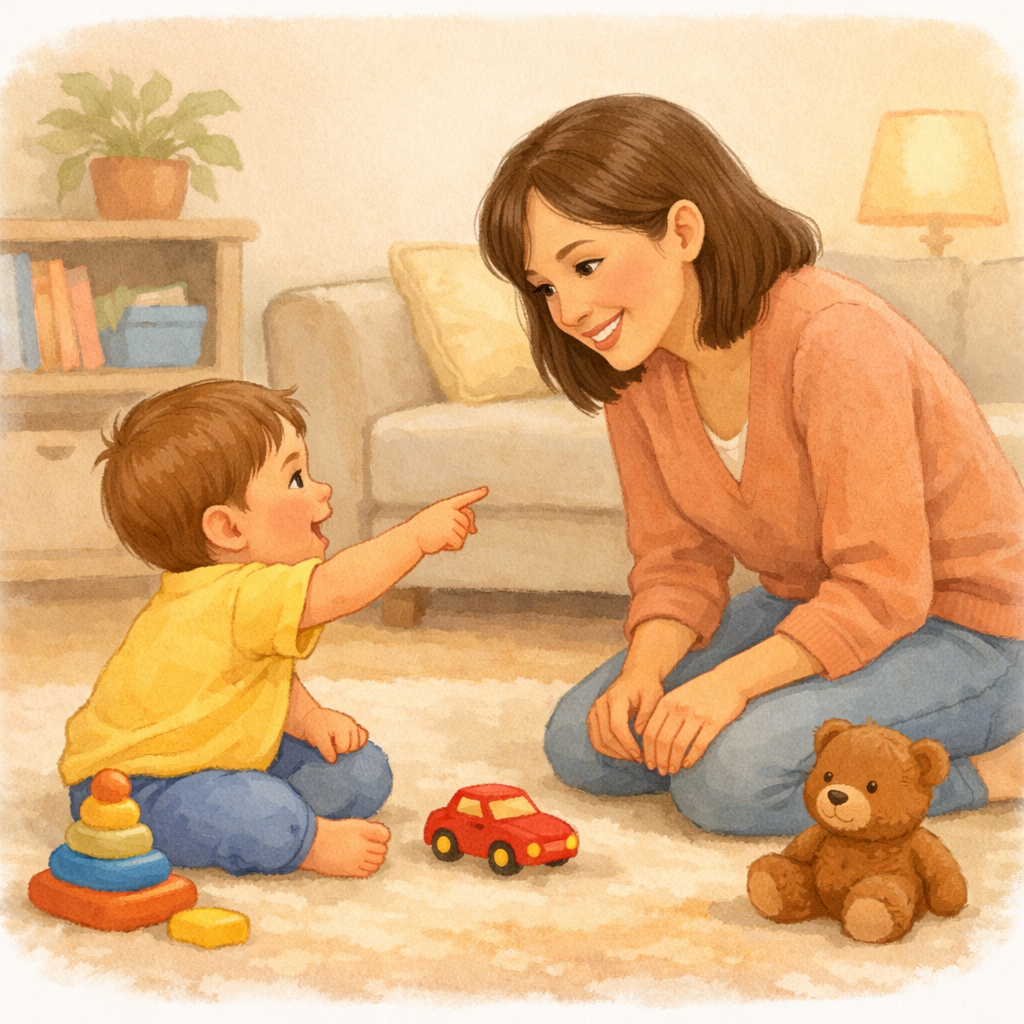
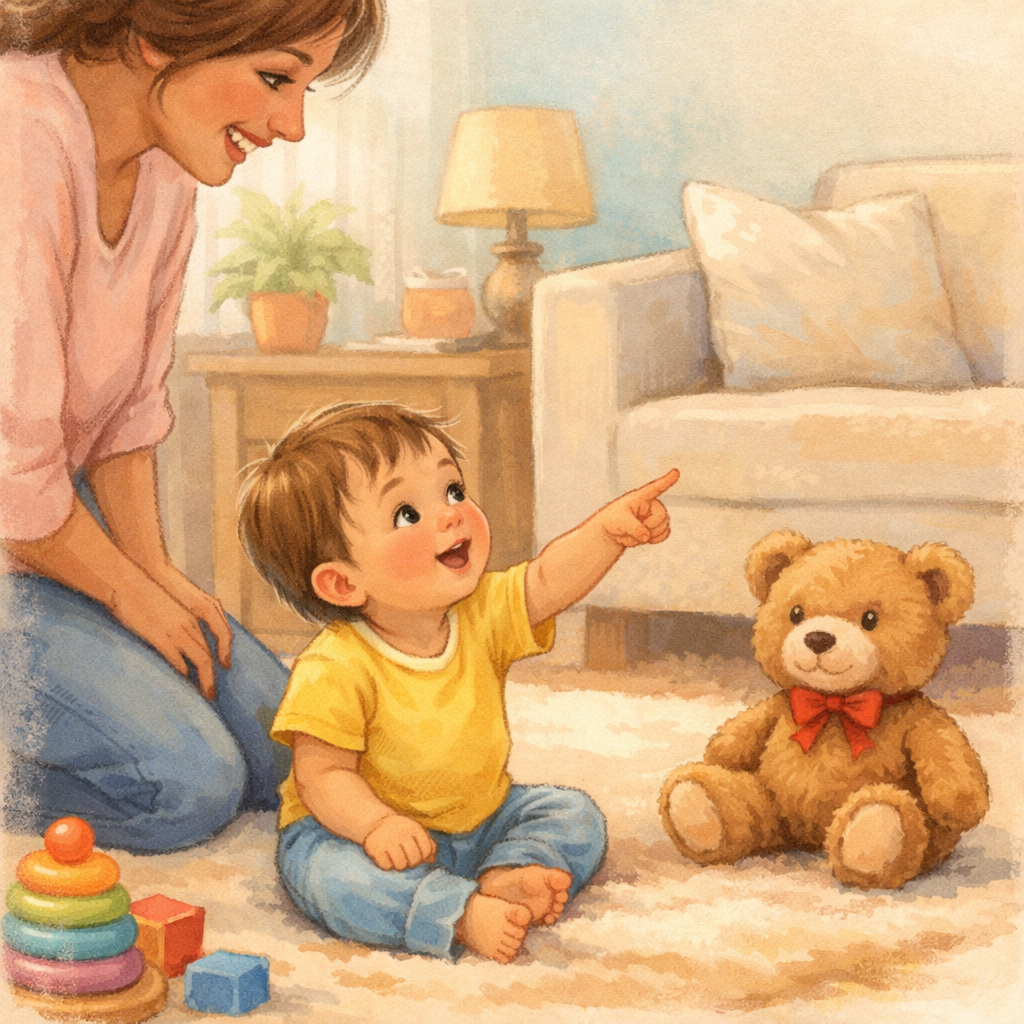
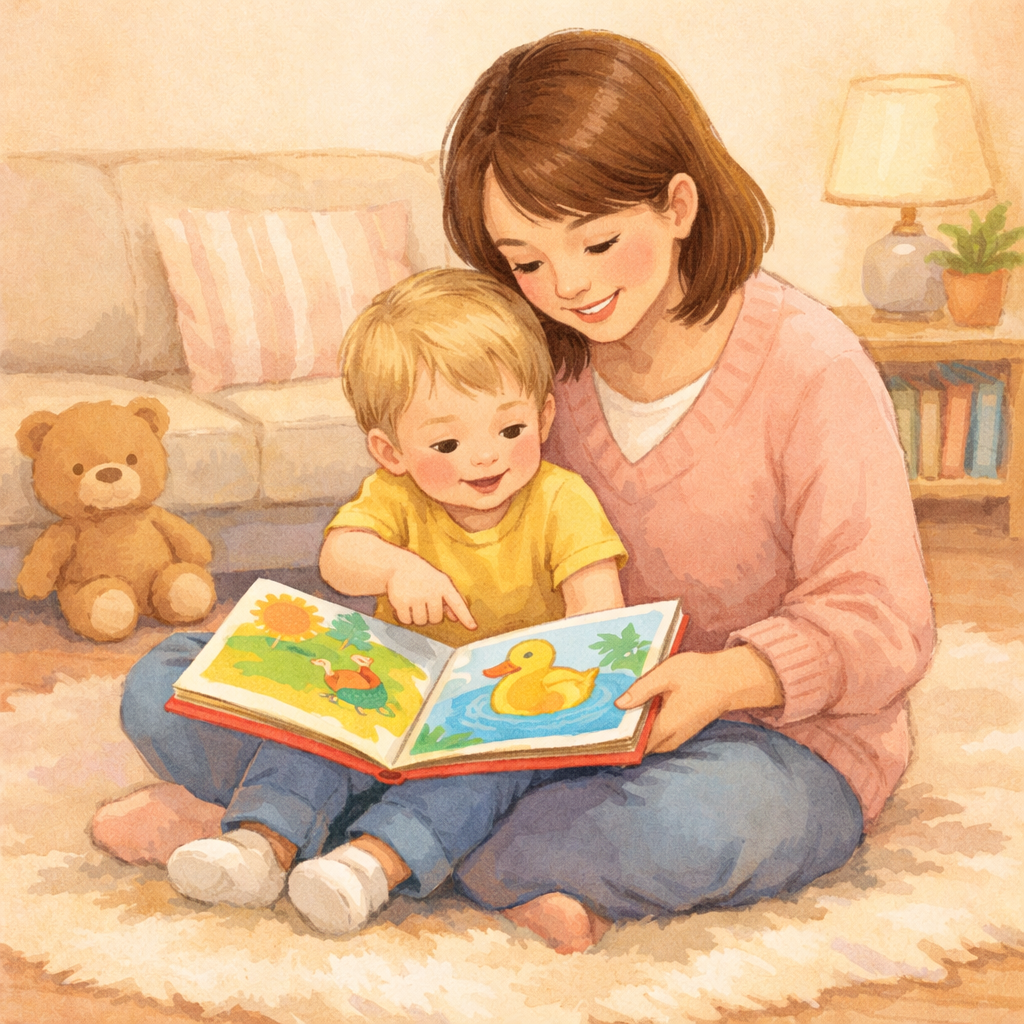
Toddler pointing at a toy while parent responds with a smile.

How Speech Develops in the Early Years

Speech development happens gradually.

It does not begin with words. It begins with listening.

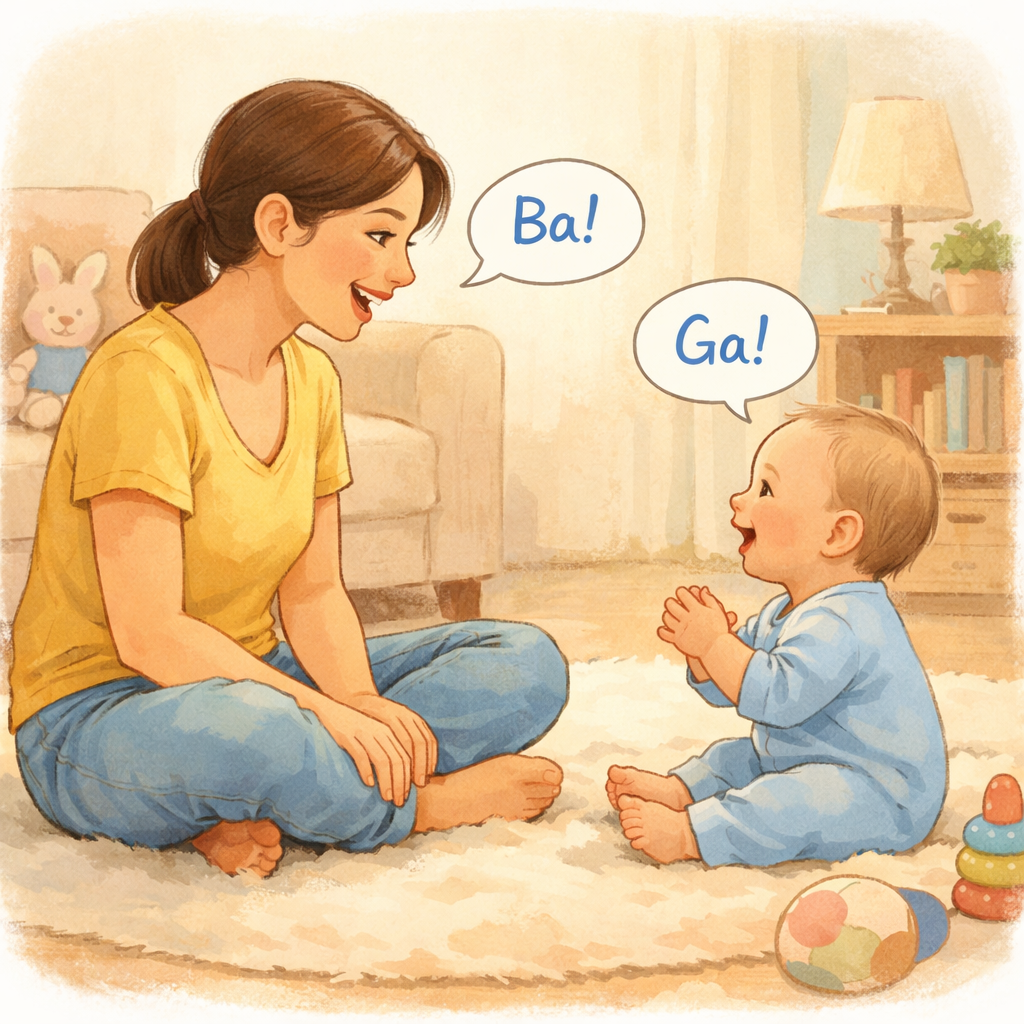
Babbling and Early Sounds

Babbling is not random noise. It is practice.

You can support this stage by reading:

First Words and Vocabulary Growth

Vocabulary grows through repetition and shared attention.

Helpful next steps include:

Two-Way Conversation Skills

Conversation is about more than words.

It includes waiting, responding and sharing ideas.

Explore:

Using Everyday Activities to Build Communication

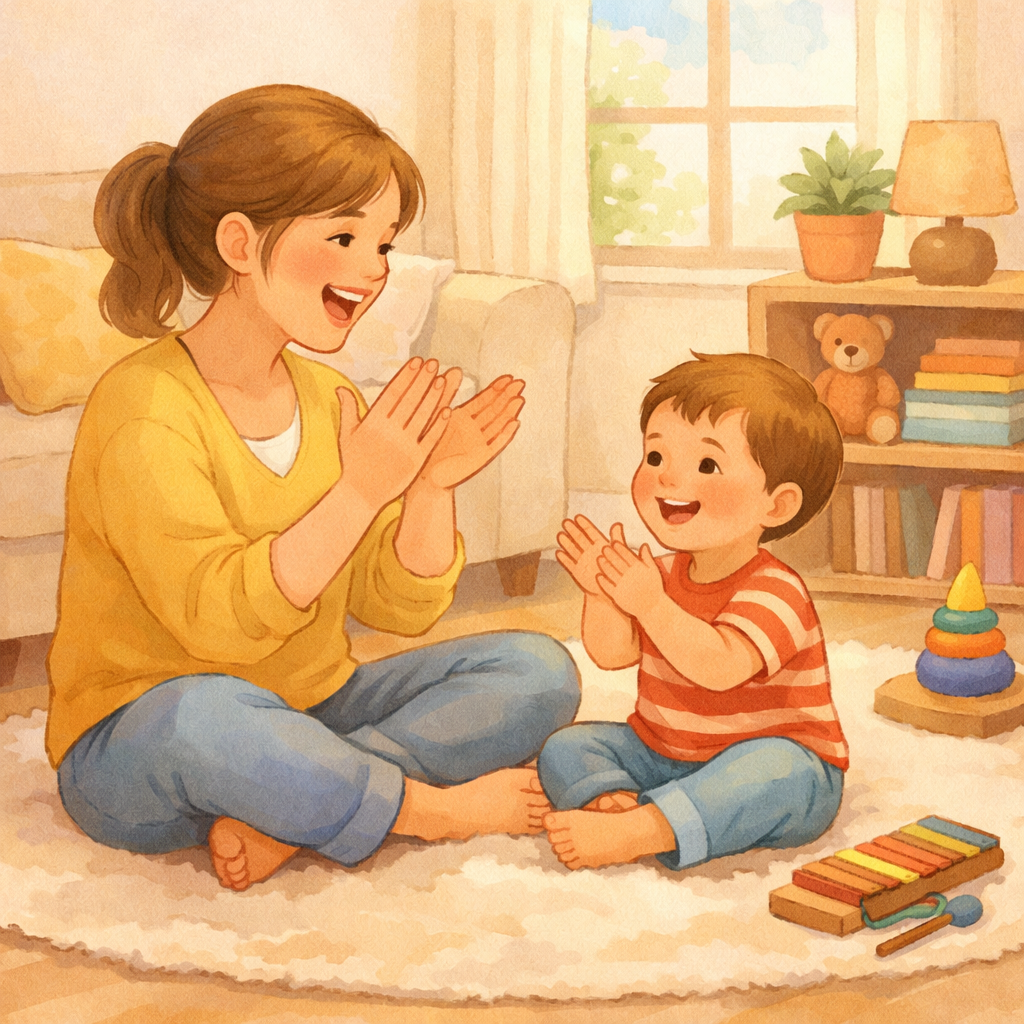
Speech grows best through relaxed interaction.

You do not need formal lessons.

You can naturally support development through:

Common Speech Challenges

Variation is normal.

Some toddlers need a little more time or support.

If you are worried about clarity or delayed speech, these pages will guide you:

The Most Important Thing

Connection comes first.

Your voice, your expressions and your attention matter more than perfect pronunciation.

Speech grows through everyday moments.

You do not need to do everything at once.

When Should You Be Concerned?

It is common to compare children.

Try to focus on patterns rather than single moments.

You may want to seek advice if your toddler:
  • Rarely responds to their name
  • Does not use gestures such as pointing
  • Shows little interest in interaction
  • Stops using words they previously used
If you are unsure, speak to your health visitor or GP.

Early support is gentle and play-based.

How First Words Books Support Speech

Clear, single-image books can be powerful tools.

They:
  • Reduce visual overwhelm
  • Encourage pointing
  • Build vocabulary through repetition
  • Create shared attention
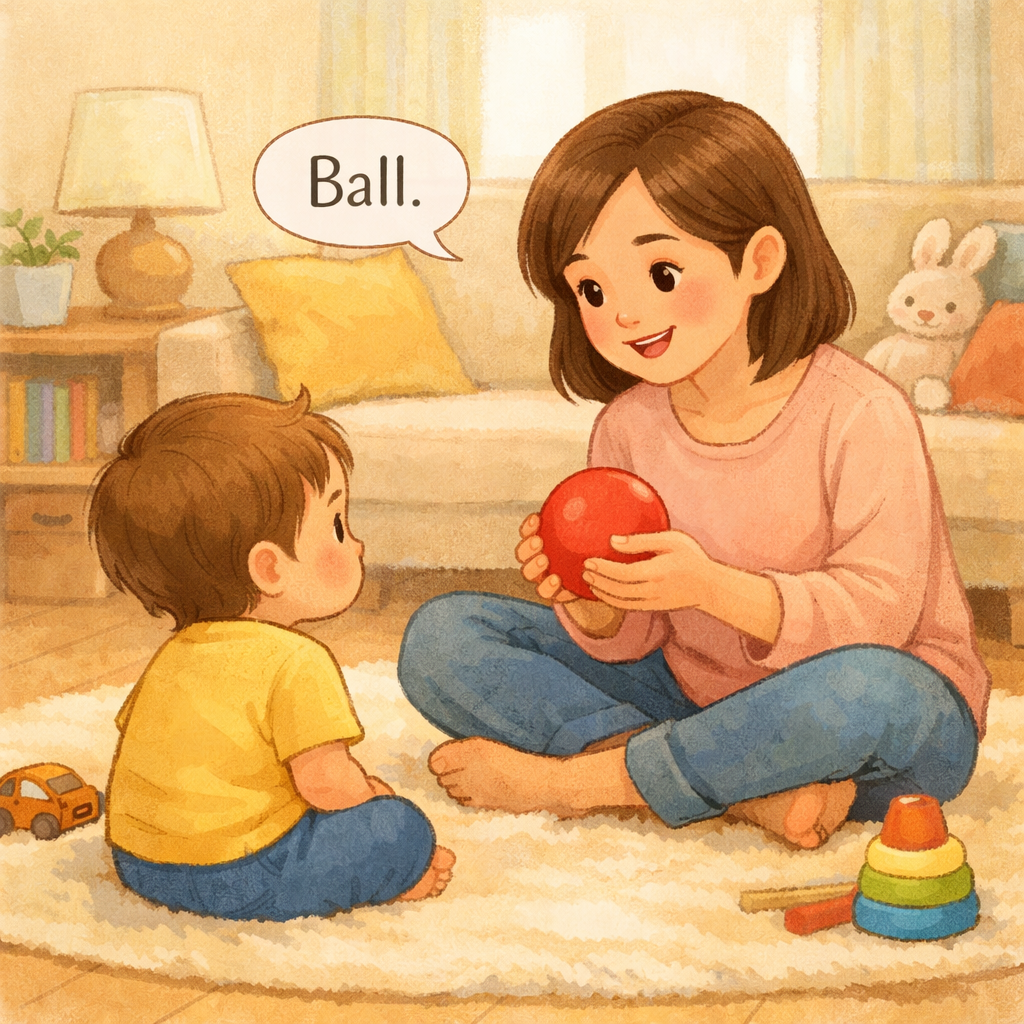
Sit together.

Point.

Name the picture.

Pause.

Let your toddler respond in their own way.

Speech grows through shared moments, not pressure.

The Most Important Thing

Connection comes first.

Your voice, your expressions and your attention matter more than perfect pronunciation.

Small, repeated interactions every day build confident communicators.

You are already doing more than you think.

Important: This page is for general information only and does not replace professional advice. Please read our Editorial Policy & Disclaimer.
Newsletter

Join our Early Readers Club for fun learning tips, sneak peeks at new books, and free printable activities!
ChattyCubs™ 2026 All Rights Reserved.