ChattyCubs
£0.00 0

Basket

No products in the basket.

Encouraging Questions and Responses

Encouraging Questions and Responses

Asking gentle questions helps toddlers learn how conversations work.

It shows them that communication is about sharing ideas, not just naming things.

If you are new to this topic, you may find it helpful to start with the main Speech and Communication guide for a full overview.

Why Questions Matter for Toddlers

Questions do more than check what your child knows.

They:
  • Encourage thinking
  • Build vocabulary
  • Support turn-taking
  • Help children feel listened to
At this age, it is not about correct answers.

It is about confidence.

What Types of Questions Work Best?

Simple Choice Questions

These are perfect for younger toddlers.

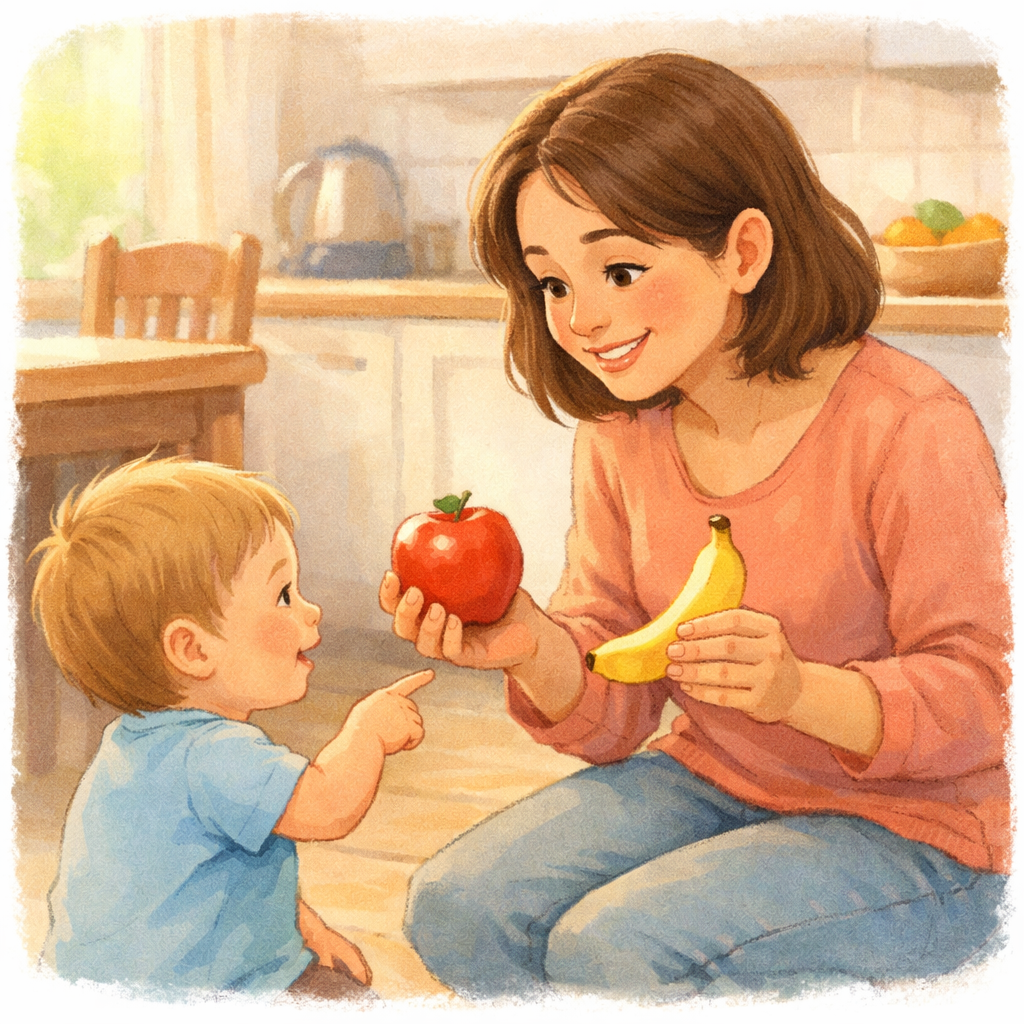
“Do you want apple or banana?”

Choices feel manageable and give a clear response opportunity.
Parent offering a toddler a choice between apple and banana.

Open Questions

As your toddler’s language grows, try slightly broader questions.

“What can you see?”

“Where is teddy going?”

For more support, see How to Ask Open Ended Questions.

Everyday Routine Questions

Daily life is full of natural opportunities.

At bath time:
“Where are your toes?”

While getting dressed:
“What goes on your feet?”

You can pair this with ideas from Everyday Words to Practice Together to reinforce key vocabulary.

How to Respond to Your Toddler’s Answers

Your response matters just as much as the question.

Expand What They Say

You might reply, “Yes, a big red car.”

This gently models richer language without correcting.

For more guidance, see How to Model Clear Speech.

Show You Are Listening

Get down to their level.

Make eye contact.

Smile and pause.

You can read more about connection in Role of Eye Contact in Communication.
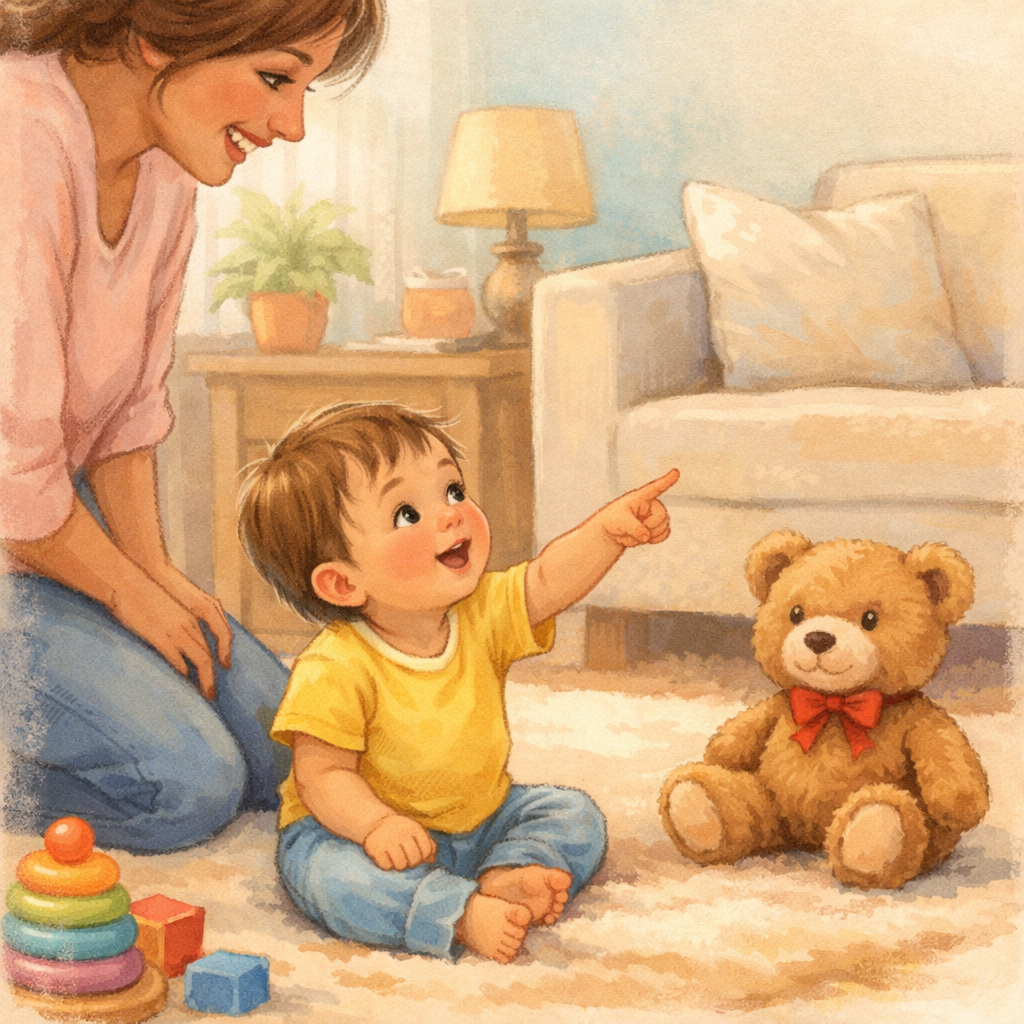
Parent leaning in and listening closely while toddler speaks.

Keep the Conversation Going

After your child answers, add one more gentle comment or question.

Toddler: “Dog.”
Parent: “Yes, the dog is running. Where is he going?”

This supports back-and-forth rhythm, similar to Turn-Taking Skills in Conversation.

What If My Toddler Doesn’t Answer?

That is completely normal.

Give them time.

Count silently to five before stepping in.

If they still do not respond, model the answer yourself in a calm voice.

There is no pressure.

If you are concerned about slower progress, you may find reassurance in Responding to Baby Babble, especially for younger toddlers still building early sounds.

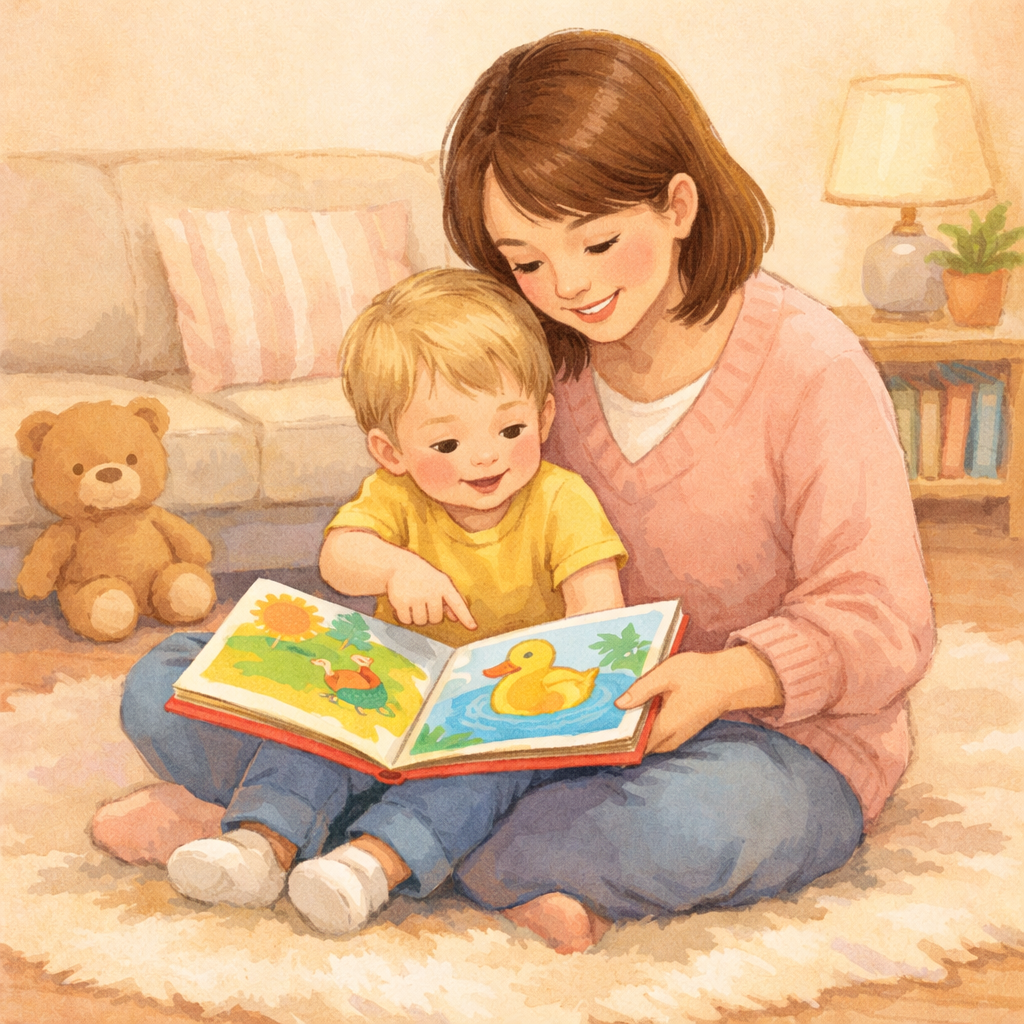
Using Books to Encourage Questions

Picture books are a wonderful way to practise question and response.

Point and ask:
“What’s this?”

Then pause.

Our ChattyCubs First Words books are designed for this exact interaction, with clear images and space for natural conversation.

You can also combine book time with playful sound effects from How to Use Sound Play to keep it fun and relaxed.
Simple Daily Question Ideas

Try sprinkling these into your day:
  • “What can you hear?”
  • “Where did it go?”
  • “Who is that?”
  • “What should we do next?”
Keep it light.

Keep it playful.

Your calm voice and interest are what truly build communication confidence.

Newsletter

Join our Early Readers Club for fun learning tips, sneak peeks at new books, and free printable activities!
ChattyCubs™ 2026 All Rights Reserved.