ChattyCubs
£0.00 0

Basket

No products in the basket.

How to Model Clear Speech

Everyday Words to Practice Together

Young children learn to speak by listening.

The way you talk becomes the pattern they copy.

Clear speech is not about being perfect. It is about being calm, simple and easy to understand.

If you are new to this topic, start with our main guide on Speech and Communication to see how it all connects together.
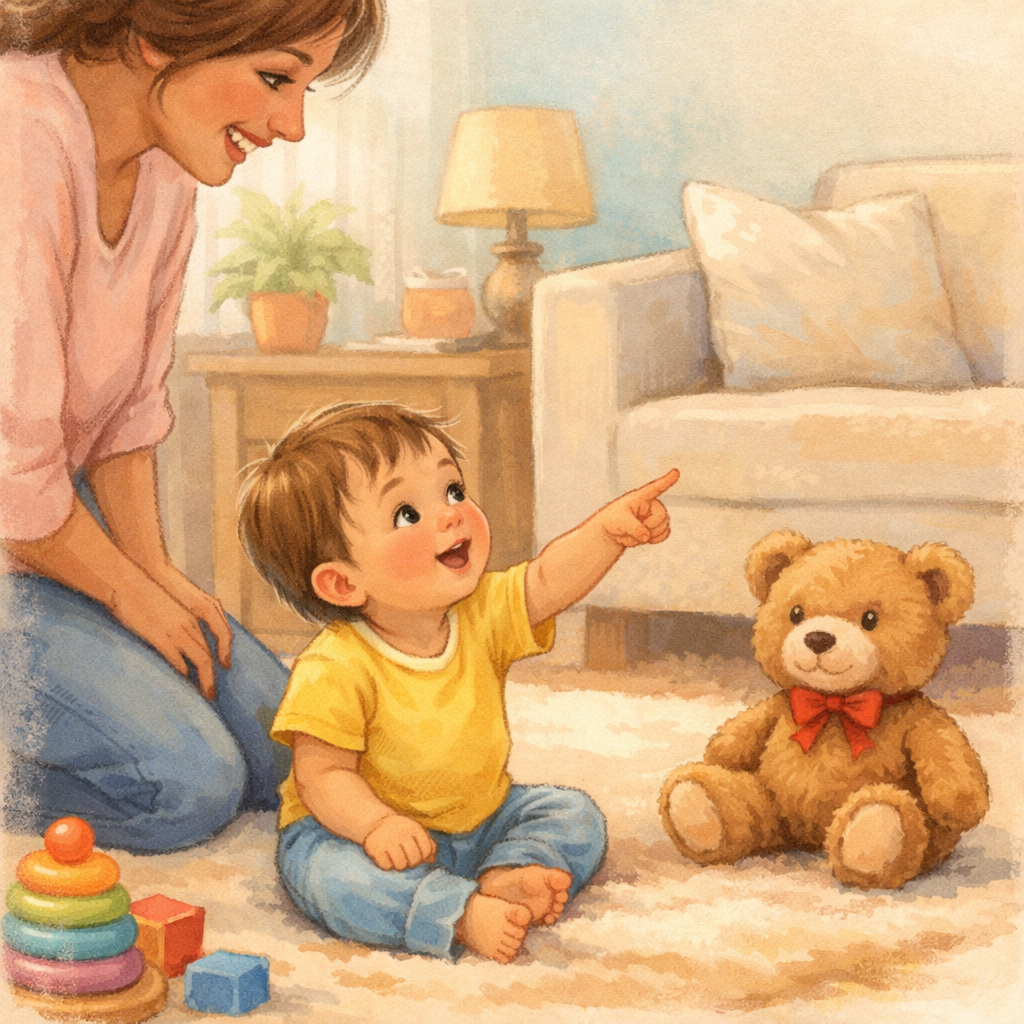
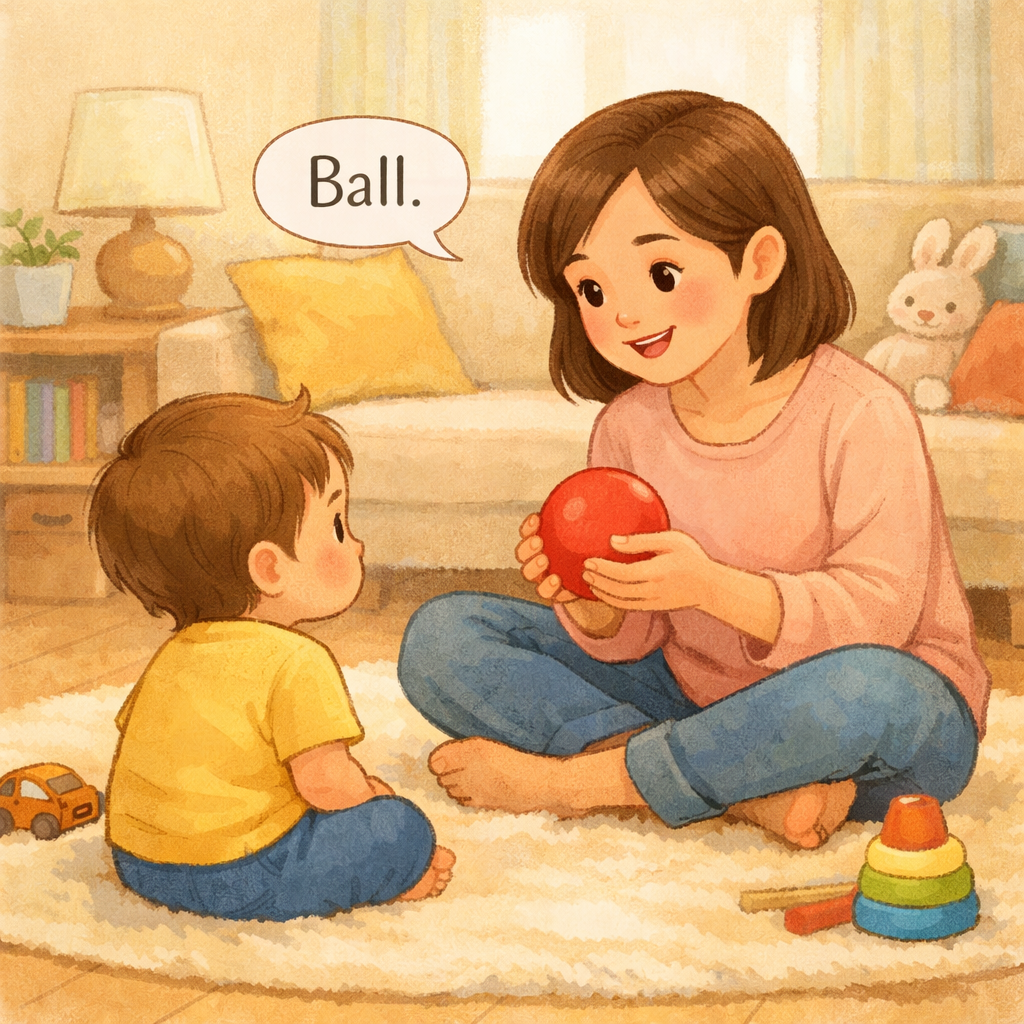
Parent kneeling and speaking clearly to a toddler during play.

What Modelling Clear Speech Really Means

Modelling clear speech means:
  • Using real words, not baby talk
  • Speaking at a steady pace
  • Pronouncing words clearly
  • Keeping sentences short and simple
You do not need to exaggerate every sound.

You just need to give your child a clear version of the word to copy.

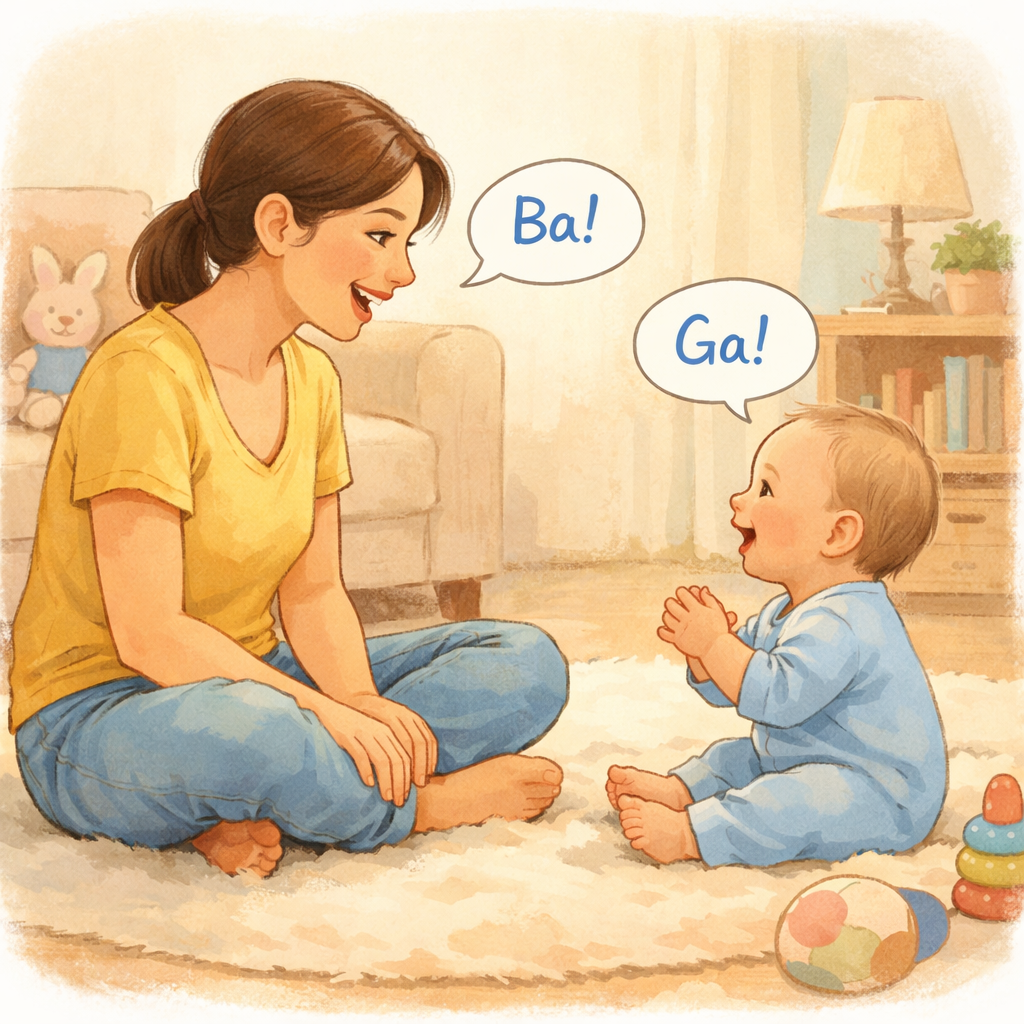
If your toddler says “ba” for ball, you can smile and reply, “Yes, ball.”
Not correcting harshly.
Just gently repeating it clearly.

Slow Down, Don’t Overcomplicate

Toddlers process language more slowly than adults.

When we rush our words, they miss pieces.

Try:
  • One or two key words at a time
  • Clear pauses between phrases
  • Simple sentence structures
For example:

Instead of: “Shall we quickly put your shoes on because we’re going out now?”

Try: “Shoes on. Time to go.”

Clear language helps build confidence.

Use Everyday Moments to Model Speech

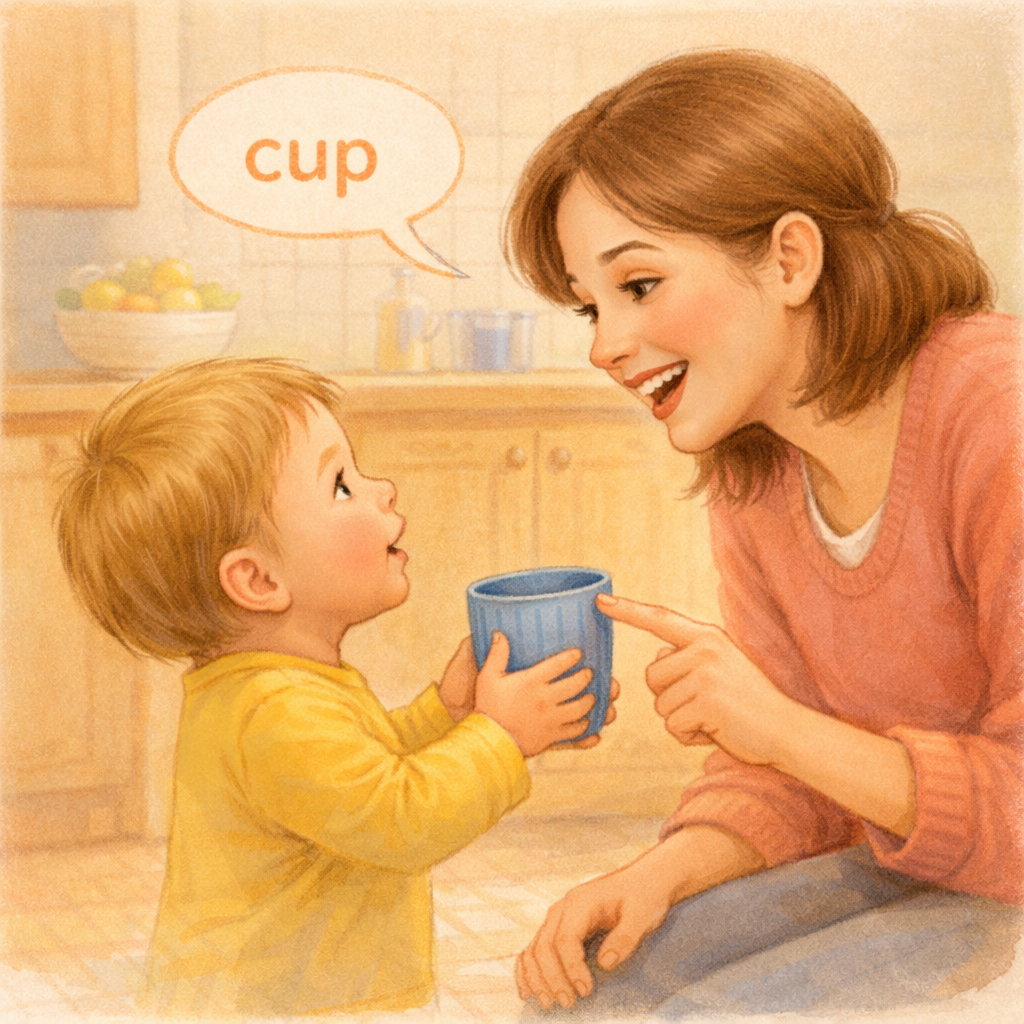
Toddler holding a cup while parent clearly says the word.
Daily routines are full of speech opportunities.

Getting dressed.
Bath time.
Snack time.

Label what your child is already looking at or holding.

This works beautifully alongside Everyday Words to Practice Together.

Repetition builds clarity.

Let Them See Your Face

Clear speech is easier to copy when children can see your mouth moving.

Face them when you speak.
Get down to their level.
Keep your tone warm and relaxed.

You can read more about why this matters in Role of Eye Contact in Communication.

When children can see and hear you clearly, learning feels natural.

Avoid Constant Correction

It is tempting to fix every mistake.

But too much correction can make children unsure.

Instead:
  • Repeat the word correctly in your reply
  • Keep the conversation flowing
  • Praise the attempt, not just the accuracy
For example:

Child: “Tar.”
Parent: “Yes, car. The car is red.”

They hear the correct version without feeling corrected.

Read and Repeat

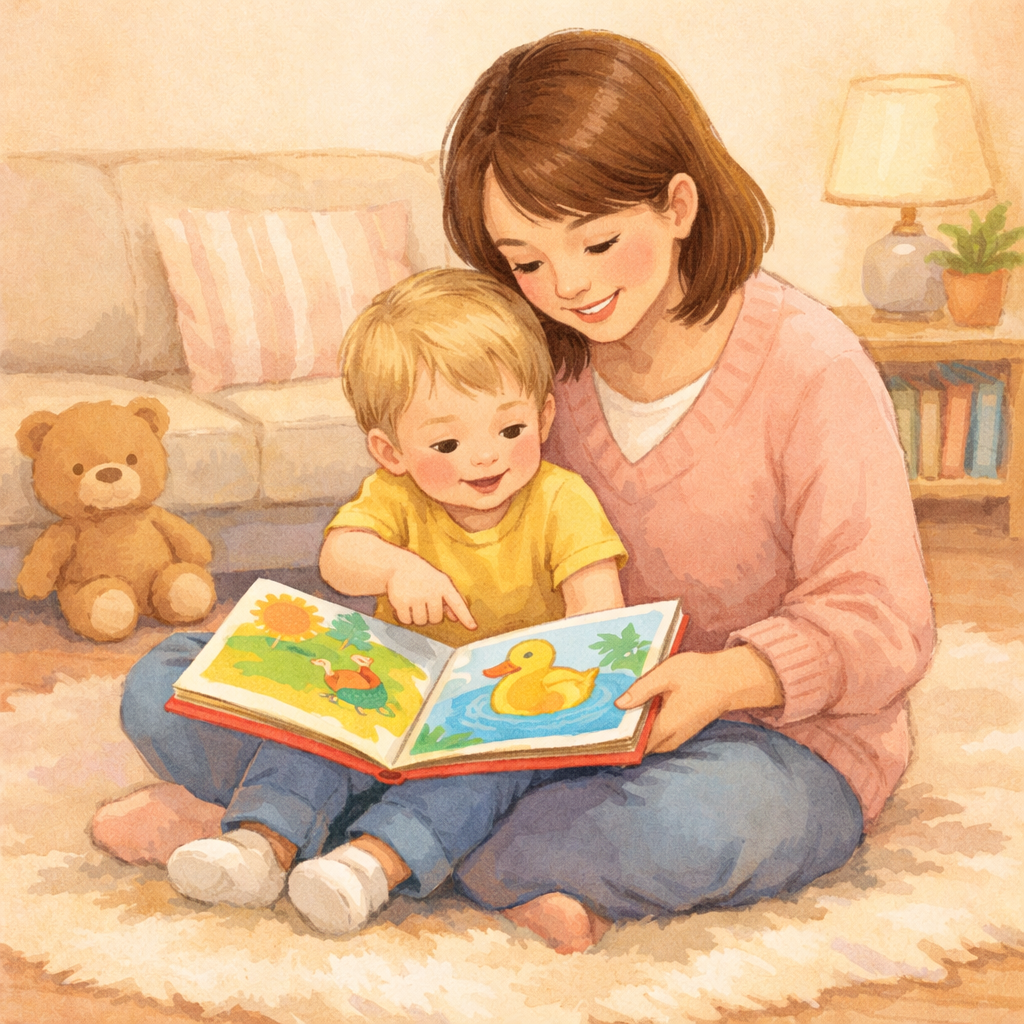
Books are a simple way to model clear speech again and again.

Choose books with bold, clear pictures and single words or short phrases.

Point. Say the word clearly. Pause.

Our large-format first words books are designed exactly for this type of speech modelling. You can explore them alongside your daily routine practice.

Reading regularly also supports rhythm and sound awareness, which links naturally with How to Use Sound Play.

When to Be Patient

Speech clarity develops gradually.

Some sounds take years to master.

If your toddler is speaking but not always clearly, that can be completely normal.

If you have broader concerns about pronunciation patterns, keep an eye out for our upcoming guide on Pronunciation Challenges in Toddlers.

For now, focus on calm repetition, not pressure.

Simple Ways to Start Today

  • Slow your pace slightly
  • Use short, clear sentences
  • Repeat words naturally during routines
  • Get face to face when possible
  • Keep your tone warm and encouraging
Clear speech modelling does not require special sessions.

It happens in ordinary moments.

And those ordinary moments are where language grows best.

Newsletter

Join our Early Readers Club for fun learning tips, sneak peeks at new books, and free printable activities!
ChattyCubs™ 2026 All Rights Reserved.