ChattyCubs
£0.00 0

Basket

No products in the basket.

How to Ask Open Ended Questions

How to Ask Open Ended Questions

Open ended questions help toddlers think, speak and share their ideas.

Instead of giving a yes or no answer, your child has space to use more words. Even one extra word is progress.

This simple shift can gently grow confidence and conversation at home.

For a wider look at how early communication develops, visit Speech and Communication.

What Is an Open Ended Question?

An open ended question cannot be answered with just “yes” or “no”.

It invites your toddler to explain, describe or choose.

Closed question

“Is that a dog?”

Your child can answer with one word.

Open ended question

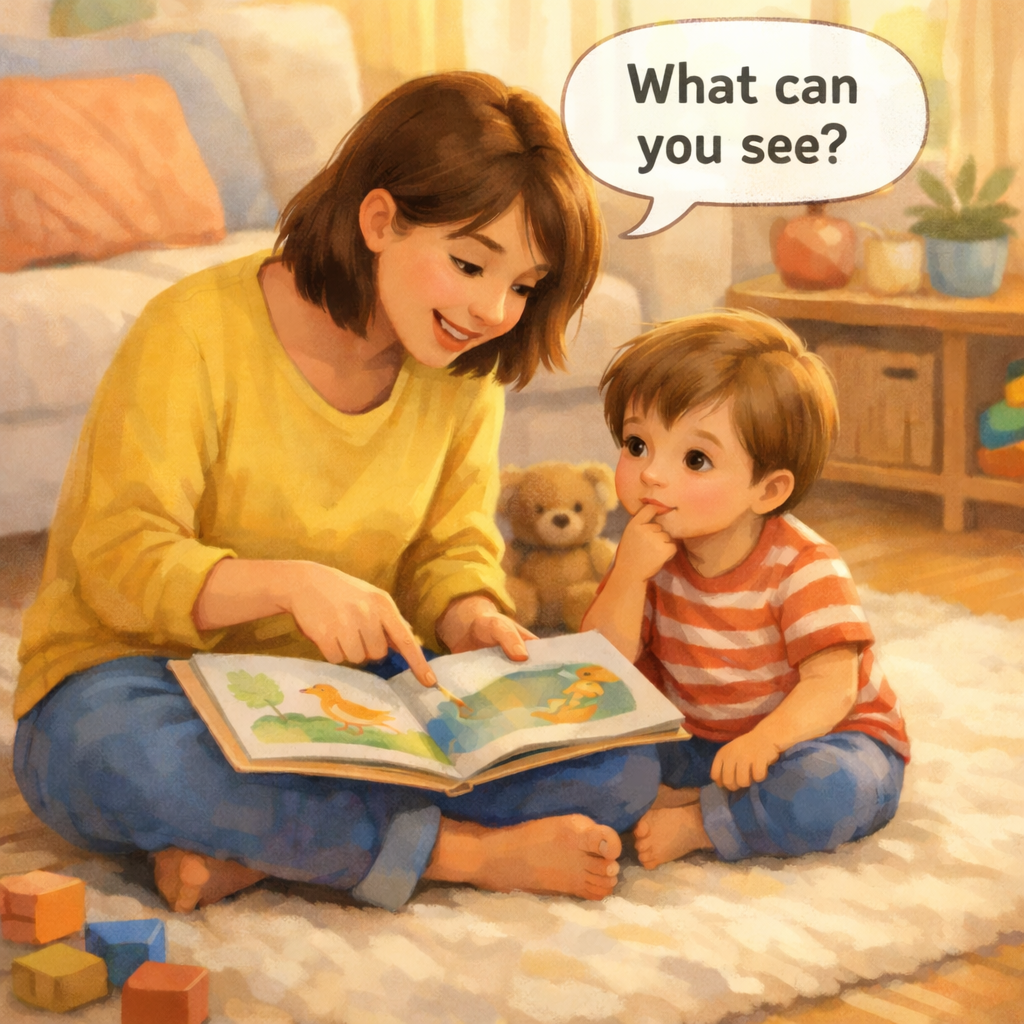
“What can you see?”

Now they might say “Dog”, “Big dog”, or even “Dog running”.

That extra thinking builds language naturally.
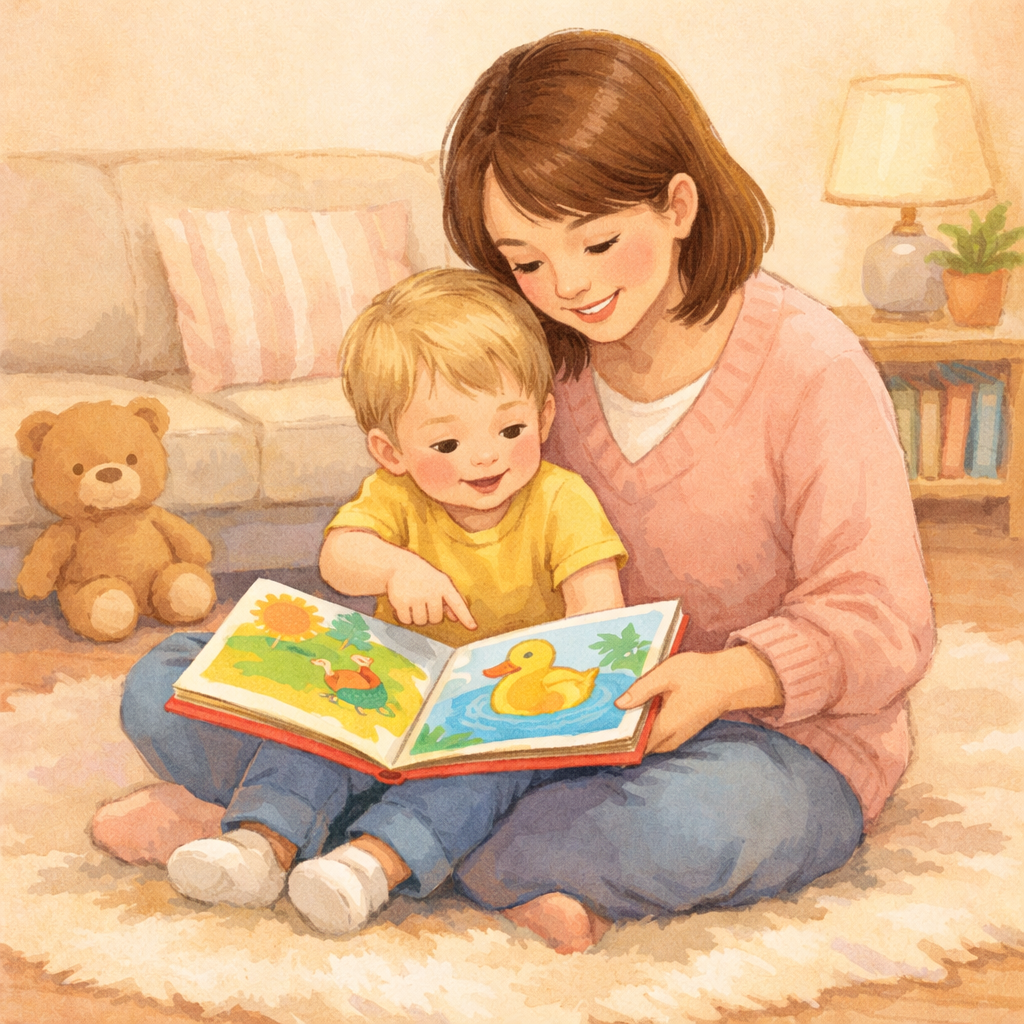
Parent asking a toddler a question while looking at a picture book together.

Why Open Ended Questions Matter

They help toddlers:
  • Use more words
  • Practise putting words together
  • Think about what they see and feel
  • Build confidence in speaking
They also slow conversations down in a helpful way.

If you are already working on back-and-forth exchanges, you may also enjoy Turn-Taking Skills in Conversation.

Easy Ways to Start

You do not need complicated language.

Simple changes make a big difference.

During book time

Instead of “What’s that?” try:
  • “What is happening here?”
  • “How does the bear feel?”
  • “What do you think will happen next?”
Books like ChattyCubs First Words give clear pictures that make this easier. Large, simple images help toddlers focus and respond.

During everyday routines

Mealtimes, bath time and getting dressed are perfect opportunities.

Try:
  • “Which cup would you like?”
  • “What are we putting on your feet?”
  • “Where should the teddy go?”
You can pair this with ideas from Everyday Words to Practice Together to build vocabulary alongside conversation.

Give Them Time to Answer

Toddlers need longer to process language.

Ask your question, then pause.

Count quietly to five if you need to.

If they struggle, gently model the answer and invite them to repeat. You can learn more about this approach in How to Model Clear Speech.

If Your Toddler Is Not Talking Much Yet

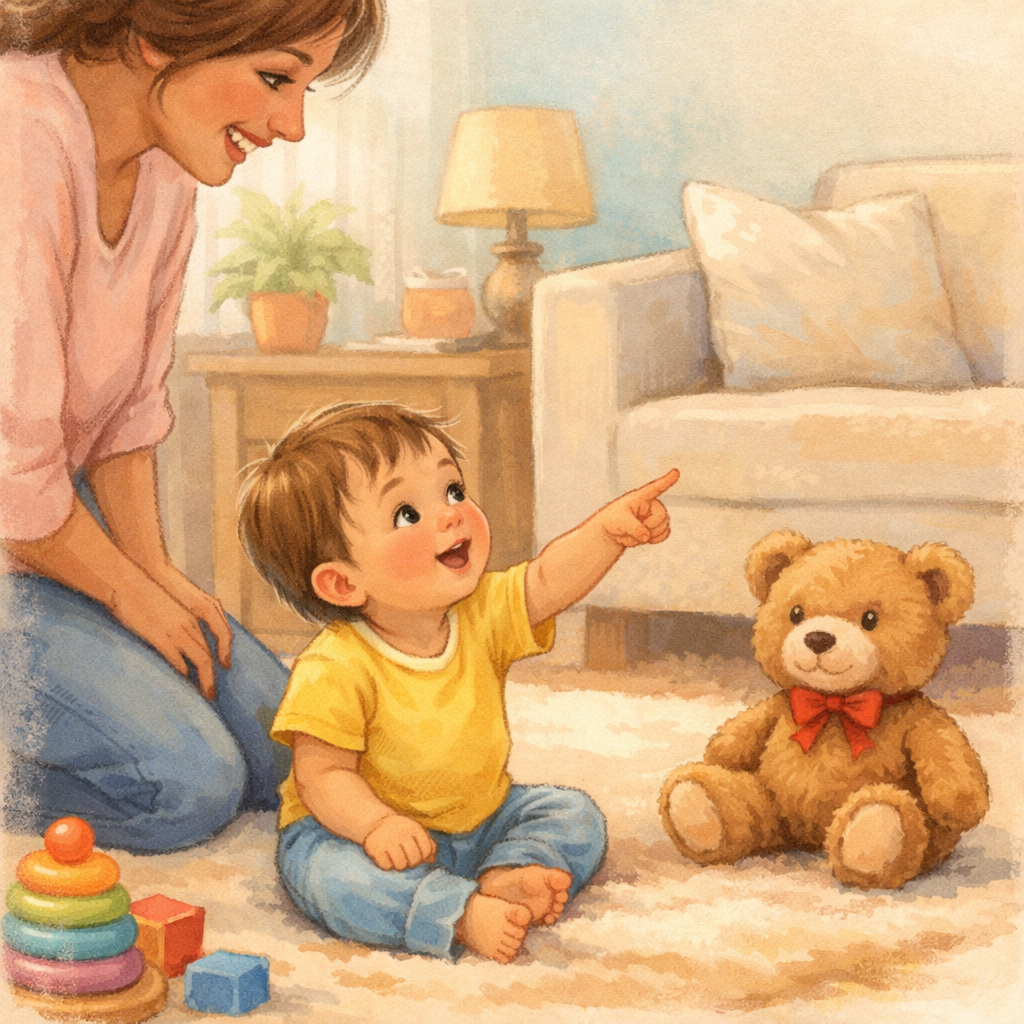
Open ended questions still help, even if answers are gestures or single words.

A point, a sound or a look all count as communication.

Respond warmly and build on what they give you.

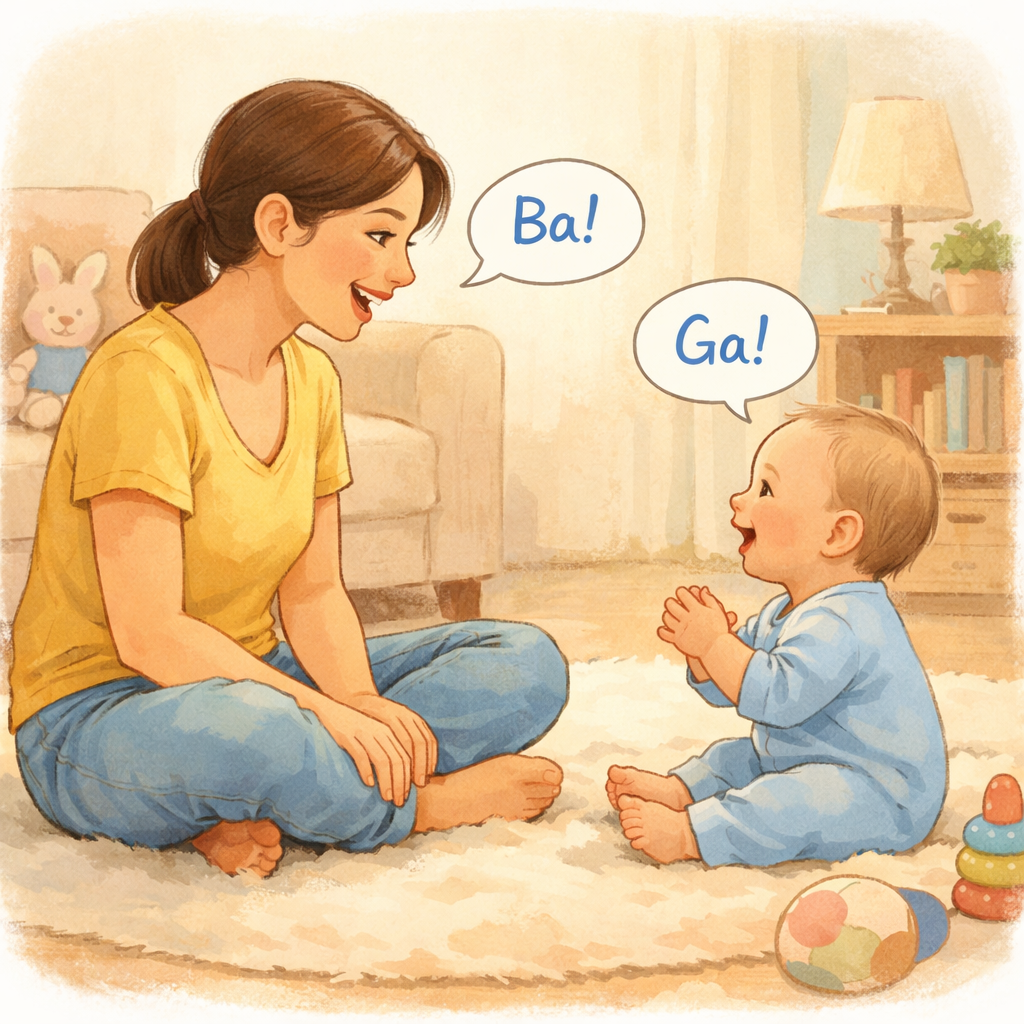
If you would like more reassurance, read Responding to Baby Babble for ideas on encouraging early attempts at talking.

A Simple Reminder

Open ended questions are not about testing your child.

They are about inviting them in.

One thoughtful question a day is enough to start building richer conversations.

Small changes, repeated often, make a big difference.
Newsletter

Join our Early Readers Club for fun learning tips, sneak peeks at new books, and free printable activities!
ChattyCubs™ 2026 All Rights Reserved.