ChattyCubs
£0.00 0

Basket

No products in the basket.

First Words Learning

First words learning

First words learning is all about helping your baby or toddler understand and say everyday words through play, routines, and lots of warm repetition. You do not need flashcards, fancy apps, or a perfectly tidy house. You just need a few minutes a day and a bit of patience.

This hub page explains what “first words” are, what’s typical by age, and simple ways to teach words naturally. It also links you to our most helpful guides so you can go deeper when you want to.

If you are new here, start with what are first words? to understand how early language begins.

What are “first words”?

According to the NHS, most children begin to say their first words between 12 and 18 months old. You can read more about early communication milestones on the NHS language development guide.

First words are the early words your child understands and starts to use, usually linked to things they see and love often.
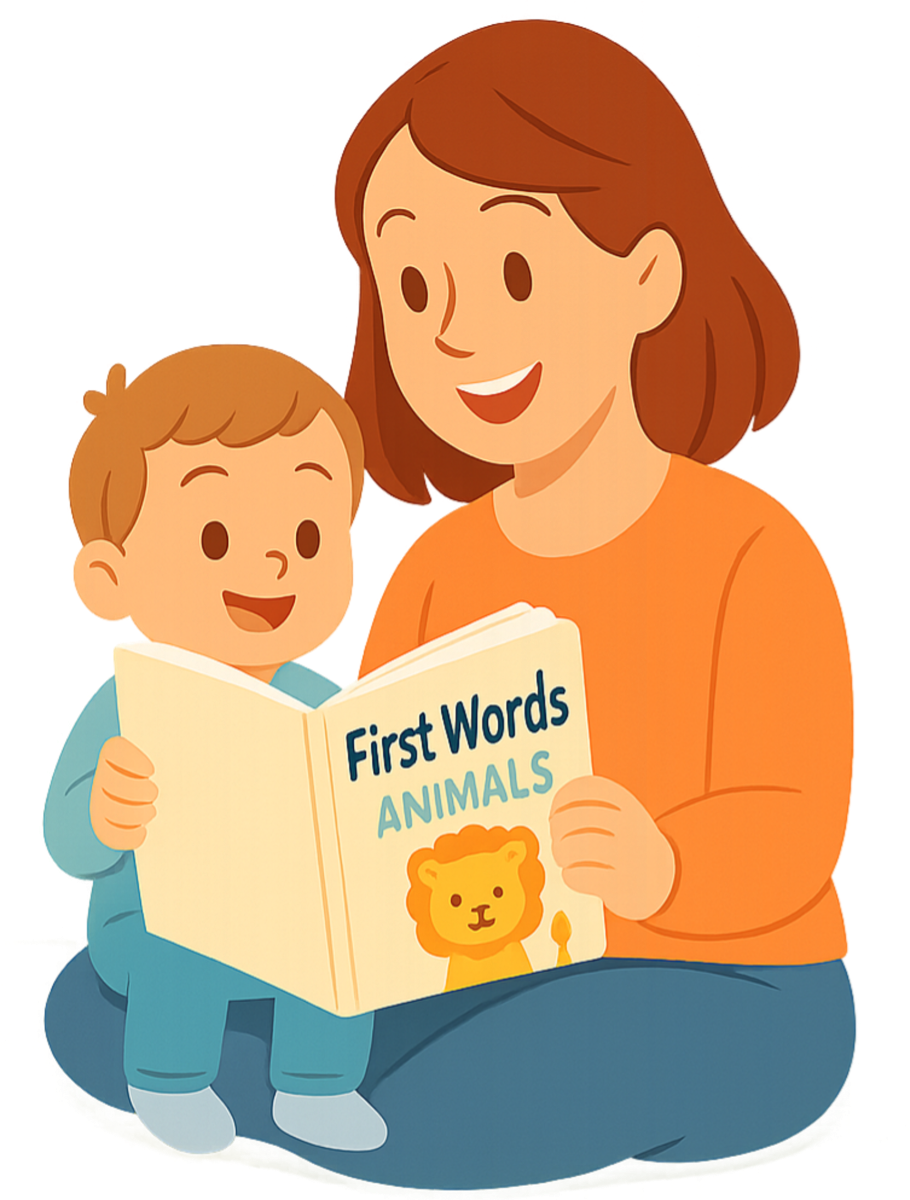
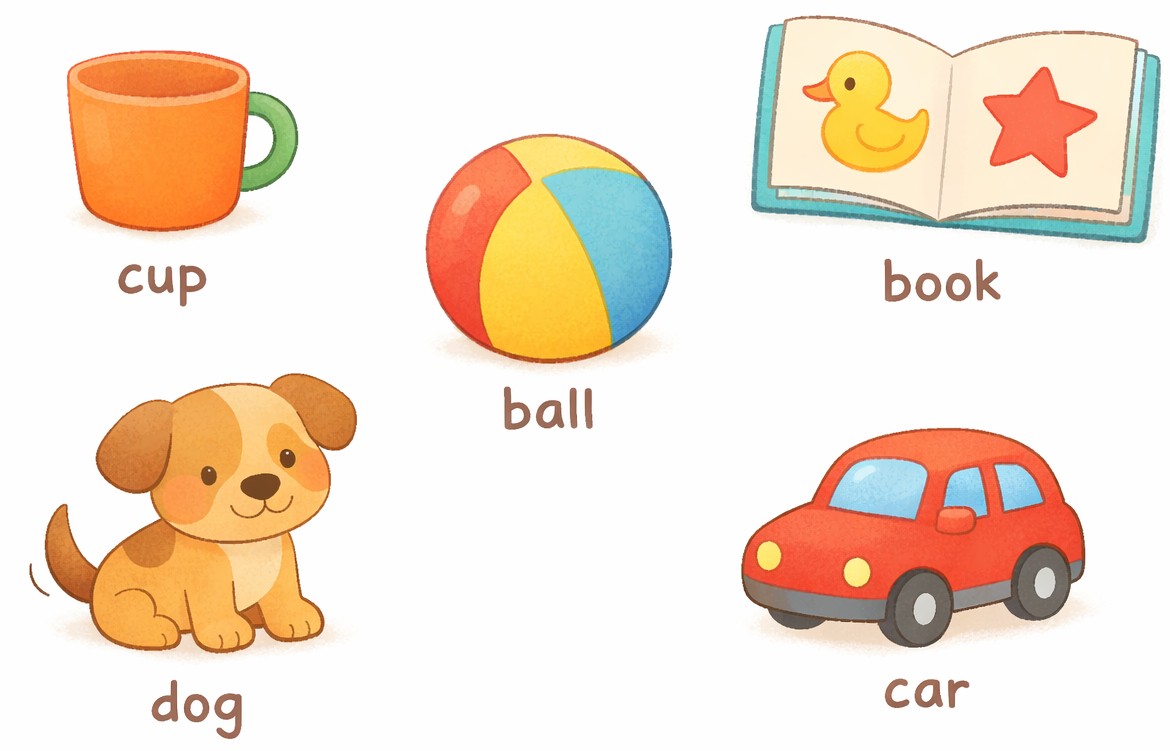
Think: mummy, daddy, milk, ball, dog, bye-bye.

They can show up as:
  • Sounds that mean something (“ba” for ball).
  • Single words (clearer speech over time).
  • Signs (like waving for bye-bye or signing milk).
  • Animal noises (often count as communication, and toddlers love them).
If you are unsure whether a sound “counts”, our guide on what are first words? explains this in more detail.

Why first words matter

First words are not just cute, although they absolutely are. They help your child:
  • Feel understood and confident.
  • Connect words to real objects and actions.
  • Build attention and listening skills.
  • Lay the groundwork for combining words later (“more milk”, “daddy car”).
You can read more about the bigger picture in why first words matter.

Every child develops at their own pace. Some chat early. Some focus on movement first, then language comes flying in later.

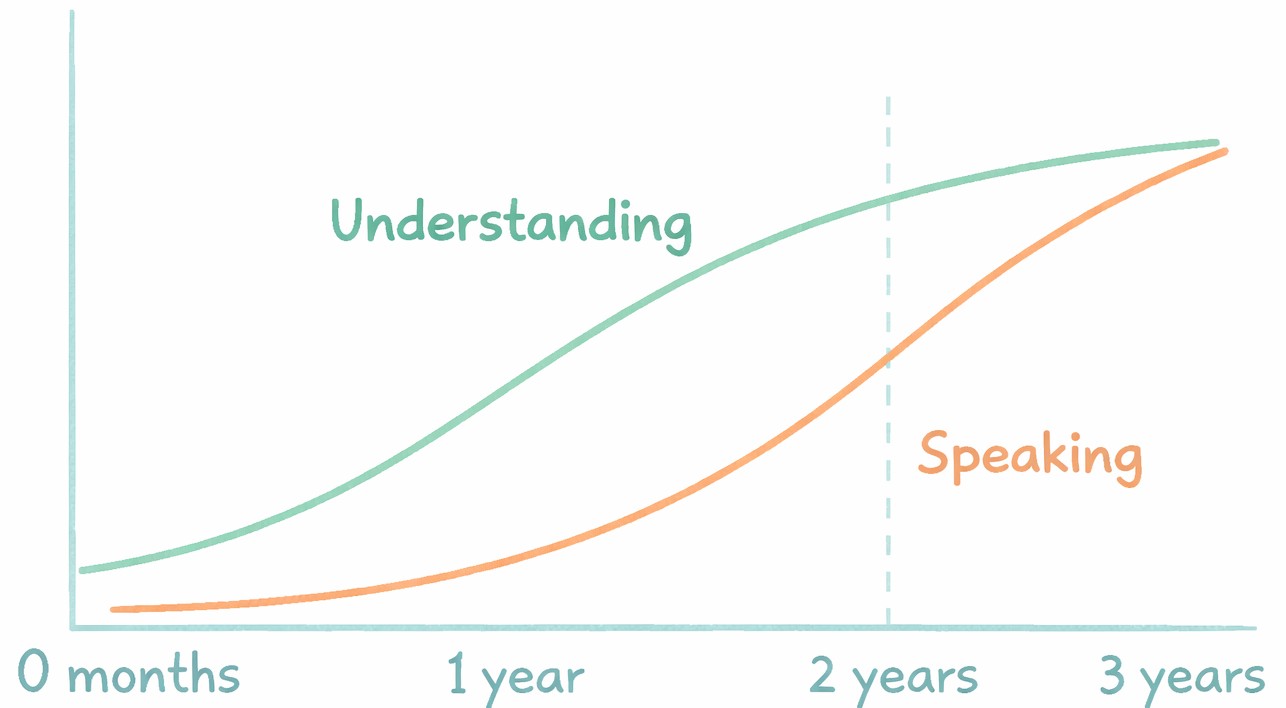
A simple rule that helps: understanding usually comes before speaking.

If you are wondering about timing, see when do babies say their first word? and our full first word milestones by age guide.
Timeline showing understanding develops before speaking
Milestones:
0–12 months:
  • Turns to familiar voices.
  • Responds to their name (often).
  • Understands a few routine words (milk, bath, bye-bye).
12–18 months:
  • Starts using a few words or word-like sounds consistently.
  • Understands lots more than they can say.
18–24 months:
  • Word learning speeds up.
  • More attempts, more copying, more pointing.
2–3 years:
  • Bigger vocabulary.
  • Starts joining words together more often.
For a deeper breakdown by age range, read first word milestones by age.

The best first words to focus on:

The easiest words to learn are words your child:
  • Hears every day.
  • Can see or touch.
  • Cares about (this is the big one).
You can explore more examples in best first words for babies and high-frequency words for toddlers.

Good Starter Words:

  • People: mummy, daddy, nana, grandad.
  • Food and drink: milk, banana, water, snack.
  • Daily routine: bath, bed, nappy, coat.
  • Play: ball, book, teddy, bubbles.
  • Animals and sounds: dog, cat, moo, quack.
  • Helpful “power words”: more, help, up, stop, all done.
If you prefer organising by themes, see first words by category.

How to teach first words (without turning your home into a classroom):

Keep it simple: say the word, then pause.

Instead of “Do you want your blue cup of water?”, try:
“Water. (pause) Water.”

Pauses give your child a chance to look, point, copy, or attempt the word.

For a simple daily structure, follow how to practice first words daily.

Repeat words in routines

Routine is your best friend.

Bath time: “bath”, “water”, “wash”.
Nappy time: “nappy”, “wipe”, “all done”.
Leaving the house: “coat”, “shoes”, “bye-bye”.

Building small reading habits also helps. Try reading routines to boost first words.

Follow their lead

If they’re obsessed with the cat, lean into it.
You can teach a lot of language with one household pet and a bit of enthusiasm.

Add one word

Child points to banana: “banana”.
Child says “ba”: “yes, banana”.
Child says “more”: “more banana”.

This technique is explained further in parent tips to teach first words.

First words by category.

Some children learn best when words are grouped. You might choose a category for the week, then repeat it in books, play, and real life.

Popular categories:
  • Animals.
  • Food and drink.
  • Vehicles.
  • Everyday objects.
  • Body parts.
  • Clothes.
  • Outdoors.
You can explore full themed lists in first words by category.

Common first words mistakes:

A few classics:
  • Quizzing all day (“What’s this? What’s that?”). Swap to modelling: “Ball. Big ball.”
  • Too many words at once. Use 1–2 key words, repeat them.
  • Switching words constantly (“blanket” then “cover” then “duvet”). Pick one main word for now.
See more examples in common first word mistakes.

Tools to track first words

Some parents love tracking progress. Others prefer to keep it relaxed.

If you enjoy jotting things down, explore tools to track first words.

Picture books, flashcards, and toys:

Picture books

Choose books with:
  • Clear pictures (not too busy).
  • One main object per page (especially for younger toddlers).
  • Words you can use in real life.
Learn more in how to use picture books for first words.

Flashcards and activities

Flashcards can be useful if you keep it playful:
  • Let your child pick the cards.
  • Act things out (vroom, roar, quack).
  • Do 1–2 minutes, not 20.
See ideas in first words flashcards and activities.

Toys

Simple toys are usually best:
  • Toy animals.
  • Vehicles.
  • Pretend food.
  • Dolls and teddies (brilliant for “sleep”, “hug”, “drink”).
You can also explore best toys to reinforce first words.

When to get extra support:

If you’re worried, it’s always okay to ask for guidance. In general, consider speaking to a health visitor or GP if your child:
  • Rarely responds to sounds or their name.
  • Has lost skills they used to have.
  • Seems frustrated a lot and struggles to communicate needs.

Important: This page is for general information only and does not replace professional advice. Please read our Editorial Policy & Disclaimer.

Next steps:

If you want a quick plan:
  • Pick 10 everyday words (food, bath, play).
  • Repeat them in the same moments for one week.
  • Add a picture book that matches the words.
  • Track new words casually (notes app is fine).
If you are ready to go deeper, start with:

Common Questions About First Words Learning

Typical first words are usually simple, familiar words that a child hears often in everyday life. These often include words for parents, favourite people, common animals, food, toys, or daily routines. Many early words are easier to say because they are short, repetitive, and connected to things a child sees regularly. Words like “mama,” “dada,” “ball,” “bye,” or names for favourite animals are common examples. What matters most is not having a perfect list, but giving your child lots of repeated chances to hear and connect words with real objects and experiences.

Many children begin saying their first real words sometime between 12 and 18 months, although this can vary. Some start a little earlier and some later. Before first words appear, babies are usually already learning through listening, watching, babbling, pointing, and reacting to familiar voices and routines. First words do not come out of nowhere. They build gradually from lots of repetition and interaction over time. That is why talking, reading, naming objects, and responding to your child’s attempts to communicate can all support early language development.

One of the best ways to help is to keep language simple, repeated, and tied to real life. Name the same objects often, talk during routines, point to pictures, sing familiar songs, and repeat key words without pressure. It also helps to slow down and leave small pauses so your child has time to look, point, copy, or respond. You do not need long teaching sessions. Short moments throughout the day often work best. Consistency matters more than perfection, and warm repetition is one of the strongest tools parents already have.

That can feel worrying, but it does not always mean there is a serious problem. Some toddlers take longer to use spoken words even when they are learning well through listening and understanding. It helps to look at the full picture, including gestures, eye contact, attention, understanding, play, and how they respond to familiar language. If you feel progress is very slow or something does not seem right, it is sensible to ask for advice. Early questions are always better than sitting with uncertainty on your own.

Yes, first words books can be very useful because they make repetition easier and help children connect pictures, sounds, and spoken words. They also give parents a simple structure for naming familiar things again and again without needing to invent activities from scratch. A good first words book supports pointing, pausing, copying sounds, and returning to the same words over time. The biggest benefit usually comes from how the book is used: slowly, interactively, and together, rather than simply reading through quickly from start to finish.

Newsletter

Join our Early Readers Club for fun learning tips, sneak peeks at new books, and free printable activities!
ChattyCubs™ 2026 All Rights Reserved.