ChattyCubs
£0.00 0

Basket

No products in the basket.

How to Spot a Speech Delay

How to Spot a Speech Delay

It can be hard to know whether your toddler is simply taking their time or needs extra support.

Every child develops differently. But there are some gentle signs that may suggest a speech delay.

If you would like a broader overview first, visit Speech Delay Support.

Speech Milestones to Be Aware Of

These are typical patterns, not strict rules.

Around 12 Months

Most toddlers will:
  • Respond to their name
  • Use gestures such as pointing or waving
  • Babble with varied sounds
  • Say one or two clear words

Around 18 Months

Many toddlers will:
  • Use around 10 to 20 words
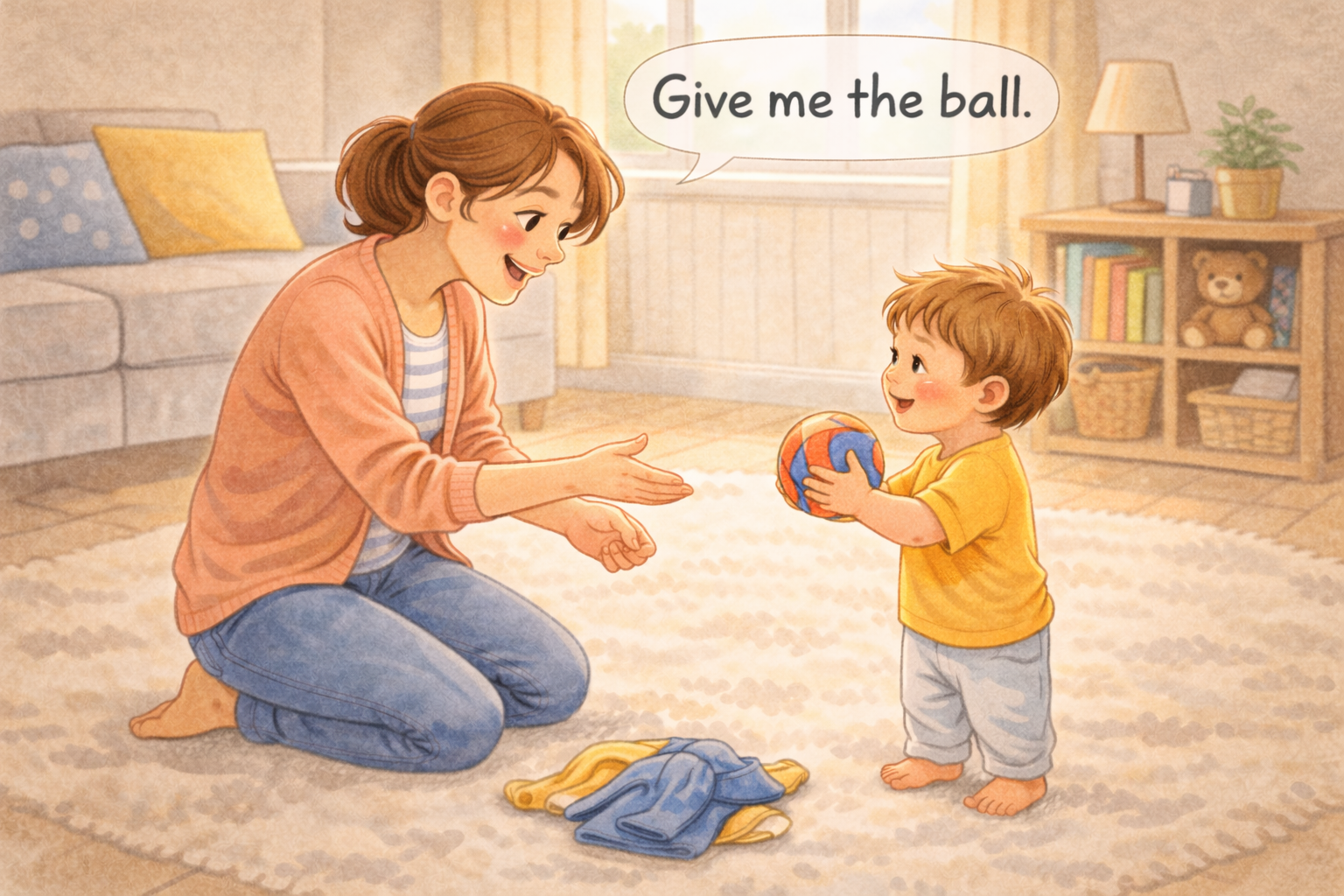
  • Understand simple instructions
  • Point to familiar objects when named

Around 2 Years

Most children will:
  • Use 50 or more words
  • Begin combining two words such as “more milk”
  • Be understood by familiar adults some of the time
If your child is not meeting several of these markers, it may be worth looking more closely.

Early Signs of a Possible Speech Delay

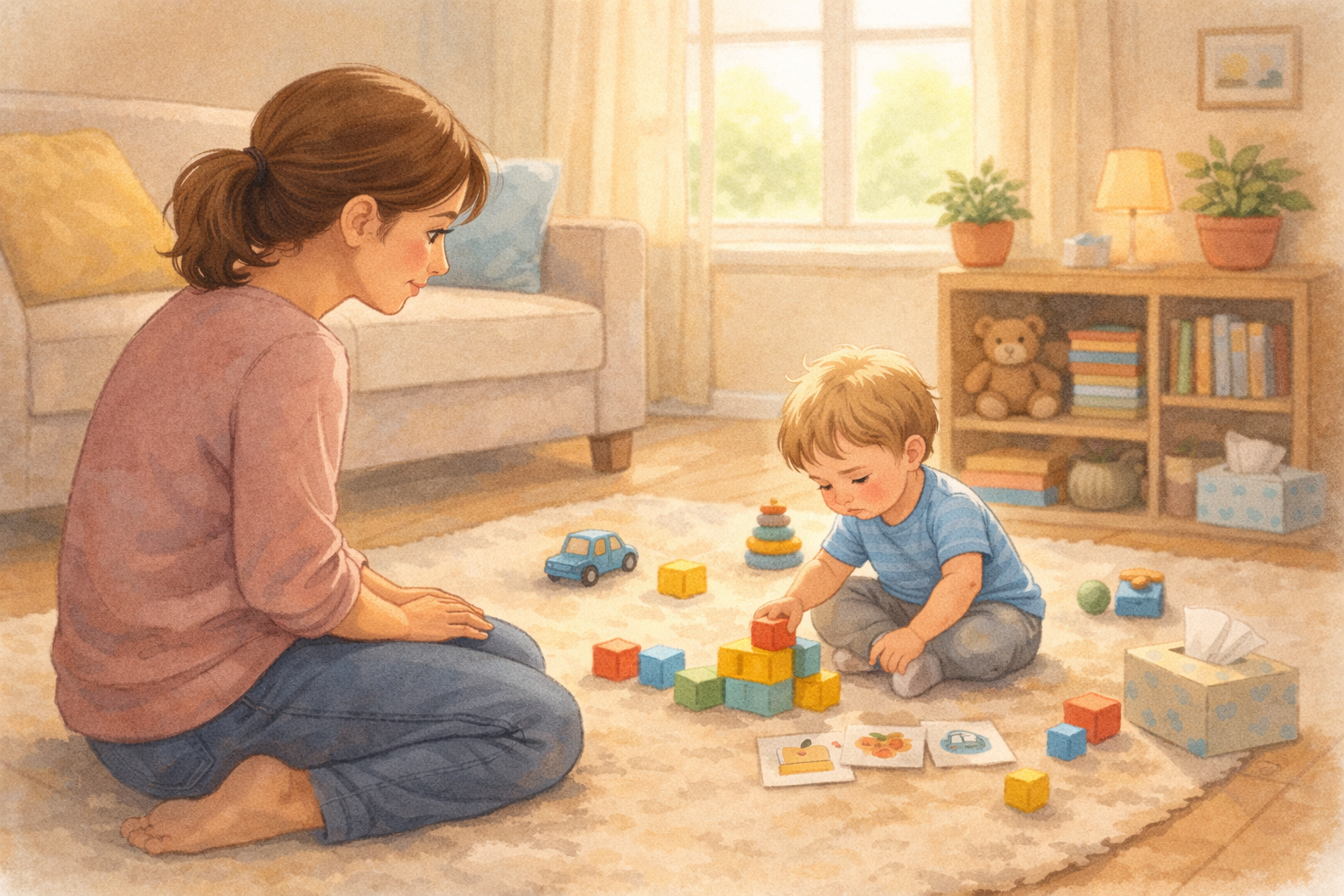
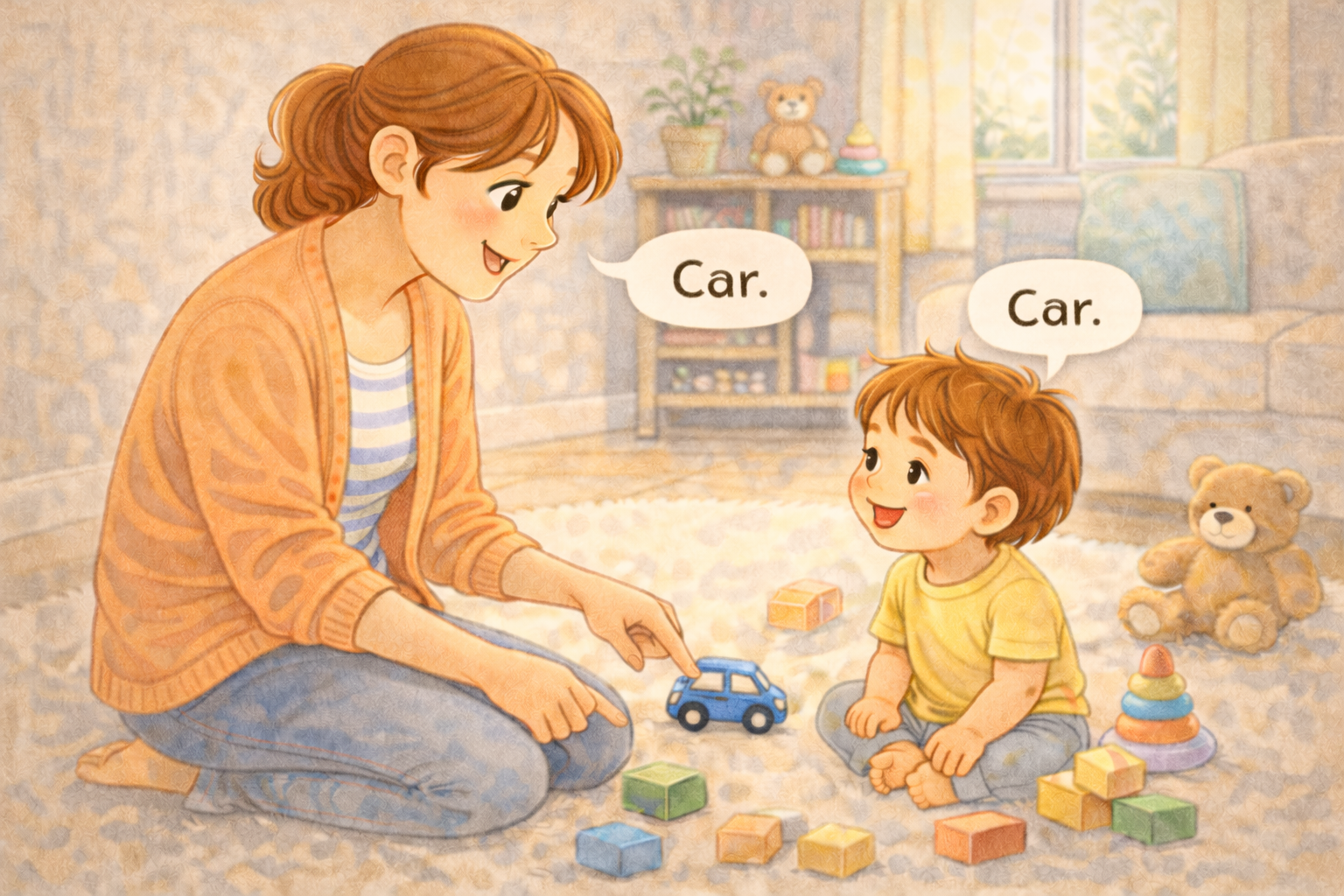
Parent calmly observing a toddler during floor play.
You might notice:
  • Very limited babbling as a baby
  • Few or no words by 18 months
  • No two-word phrases by age 2
  • Difficulty understanding simple instructions
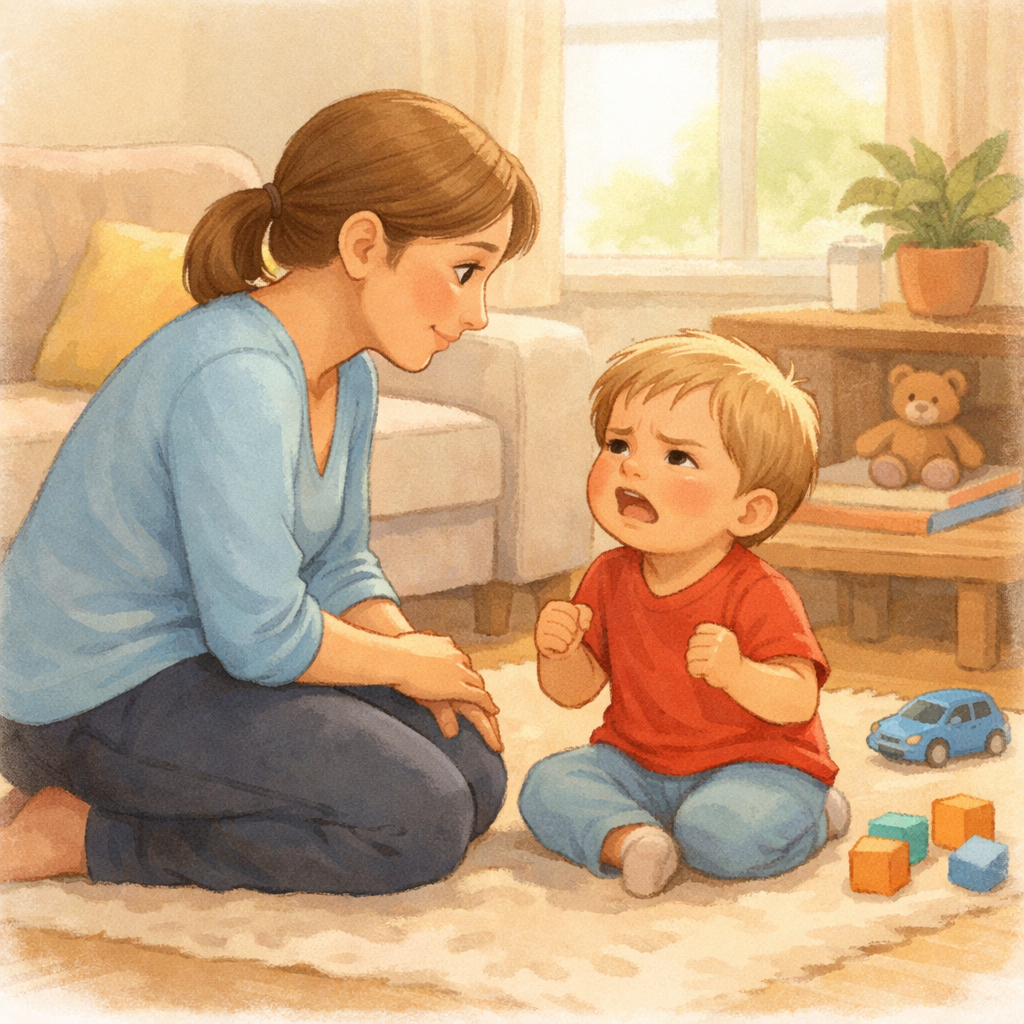
  • Frequent frustration linked to communication
If your child understands well but struggles to speak, see Understanding Receptive vs Expressive Delay.

If hearing might be affecting speech, visit Speech Delay and Hearing Checks.

Patterns That Sometimes Cause Concern

Some speech differences look unusual but are part of development.

Others may signal that support is helpful.

Explore:
Learning the difference reduces worry and gives you clarity.

What To Do If You Are Unsure

Trust your instincts.

Start by increasing simple language at home:
Keep sentences short. Repeat key words. Follow your child’s lead in play.

If concerns continue, How to Talk to a Speech Therapist explains what to expect and how to prepare.

When to Seek Advice

It is sensible to seek professional advice if:
  • Your toddler is not using words by 18 months
  • They are not combining words by age 2
  • You notice loss of previously used words
  • Understanding seems limited
Early support is positive. It gives you tools and reassurance.

Important: This page is for general information only and does not replace professional advice. Please read our Editorial Policy & Disclaimer.

A Calm Reminder

Speech development can move in bursts.

Some children say little, then suddenly progress quickly.

If your child is engaged, making eye contact and trying to communicate in other ways, these are encouraging signs.

You are noticing. You are paying attention.

That is already powerful support.

Newsletter

Join our Early Readers Club for fun learning tips, sneak peeks at new books, and free printable activities!
ChattyCubs™ 2026 All Rights Reserved.