ChattyCubs
£0.00 0

Basket

No products in the basket.

What to Expect at Age 1: Language Development

What to Expect at Age 1: Language Development

Your baby’s first birthday often brings a big question.

“Should they be talking by now?”

At age 1, language is just beginning to bloom.

If you would like a full overview across ages, visit Language Milestones by Age.

Understanding Comes First

Before clear words appear, understanding grows quietly.

By around 12 months, many babies:
  • Respond to their name
  • Look towards familiar objects when named
  • Understand simple words like “no” or “bye bye”
  • Follow very simple instructions such as “give it to mummy”
Understanding is a powerful sign of healthy language development.

Gestures Are Communication

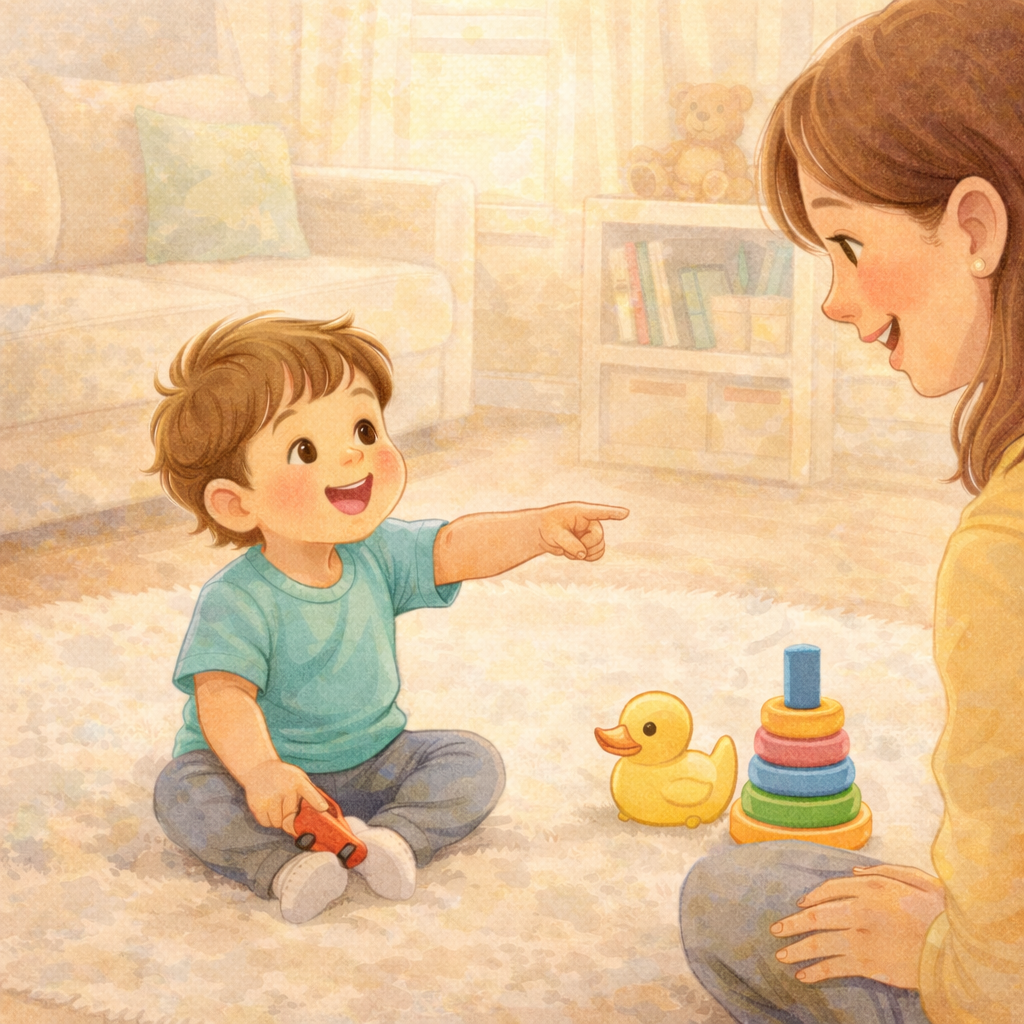
One-year-old pointing at a toy while looking at a parent.
Pointing, waving, clapping and reaching are all early communication skills.

Many one-year-olds:
  • Point to show interest
  • Wave goodbye
  • Lift arms to be picked up
  • Bring objects to show you
These moments matter just as much as spoken words.

First Words

Some babies say their first word before their first birthday.

Others take a little longer.

By around 12 months, many children:
  • Say one or two clear words
  • Use the same sound consistently for the same person or object
  • Imitate simple sounds
Early words often include “mama”, “dada”, “ball”, or names of favourite things.

If you would like to know when words begin combining, read First Sentences: When They Appear.

Play and Sound Exploration

At this age, babies love experimenting with sounds.

You may hear:
  • Babbling that sounds conversational
  • Changes in tone as if asking a question
  • Repeated sounds like “ba ba ba”
This playful sound practice builds the foundation for clear speech later.
When Might You Look Closer?

It may be helpful to seek advice if your baby:

  • Does not respond to their name
  • Does not use gestures such as pointing or waving
  • Does not seem to understand familiar words
  • Has stopped using sounds they previously made
For more detail, see Common Red Flags by Age.

If you are unsure, read When to Seek Help for next steps.

How to Support Language at Age 1

Simple daily habits make a big difference.

You can:
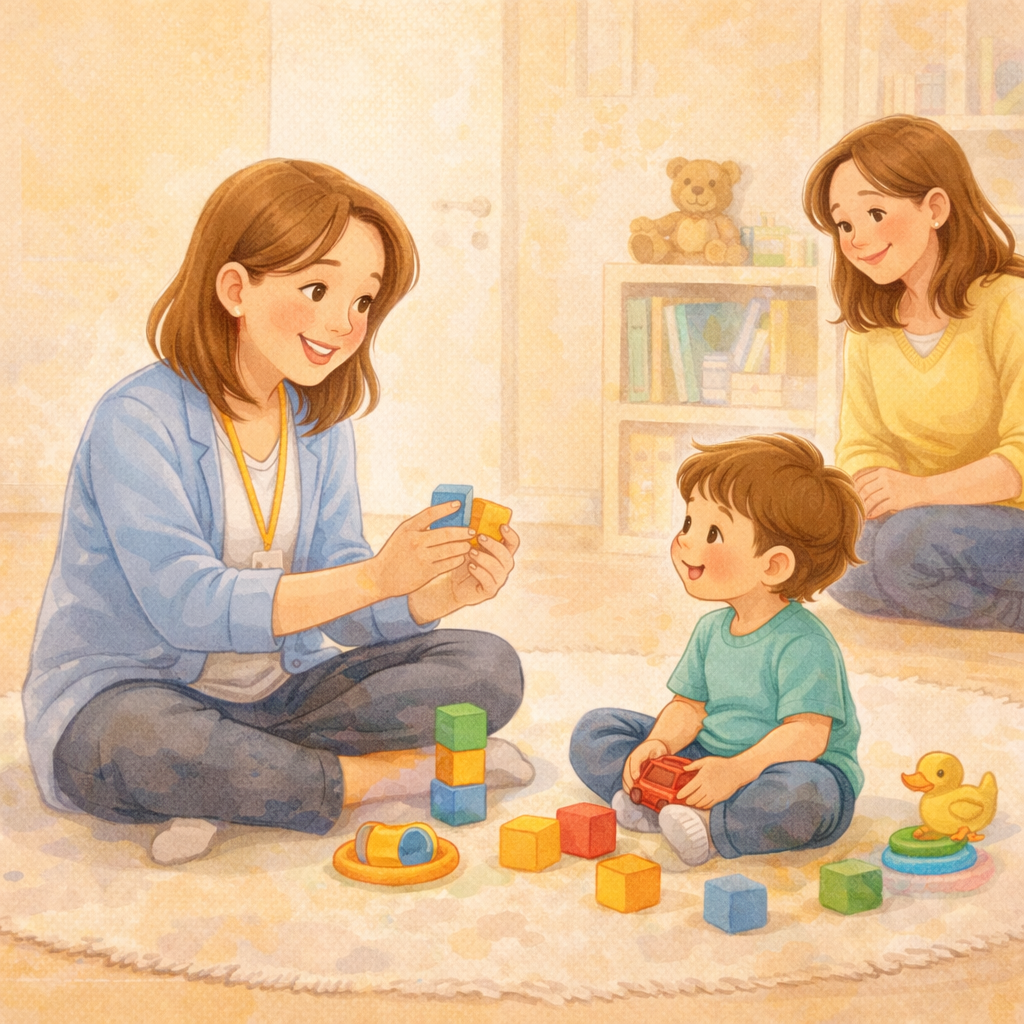
  • Narrate what you are doing during routines
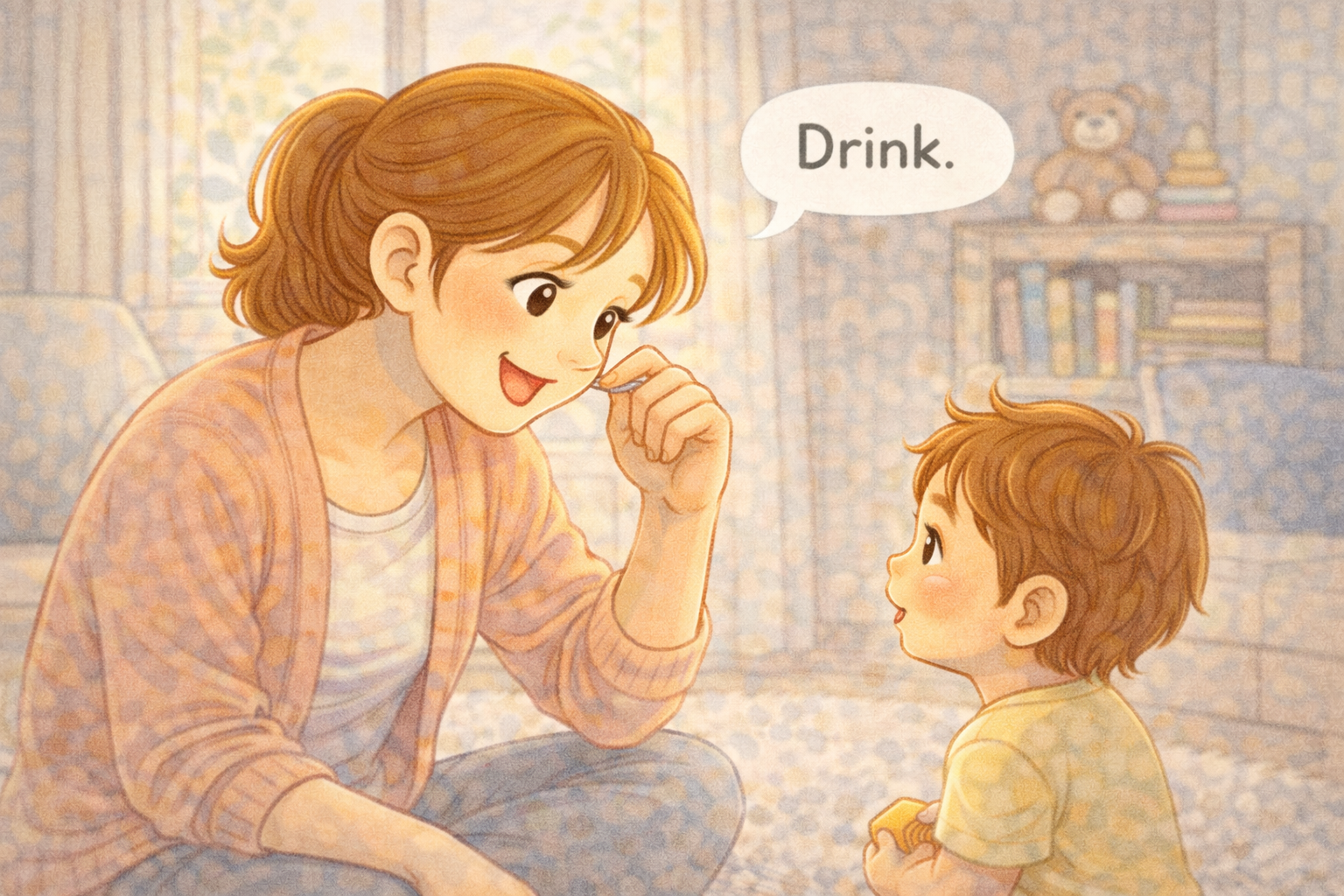
  • Pause after speaking to allow your baby to respond
  • Copy their sounds and wait for them to copy back
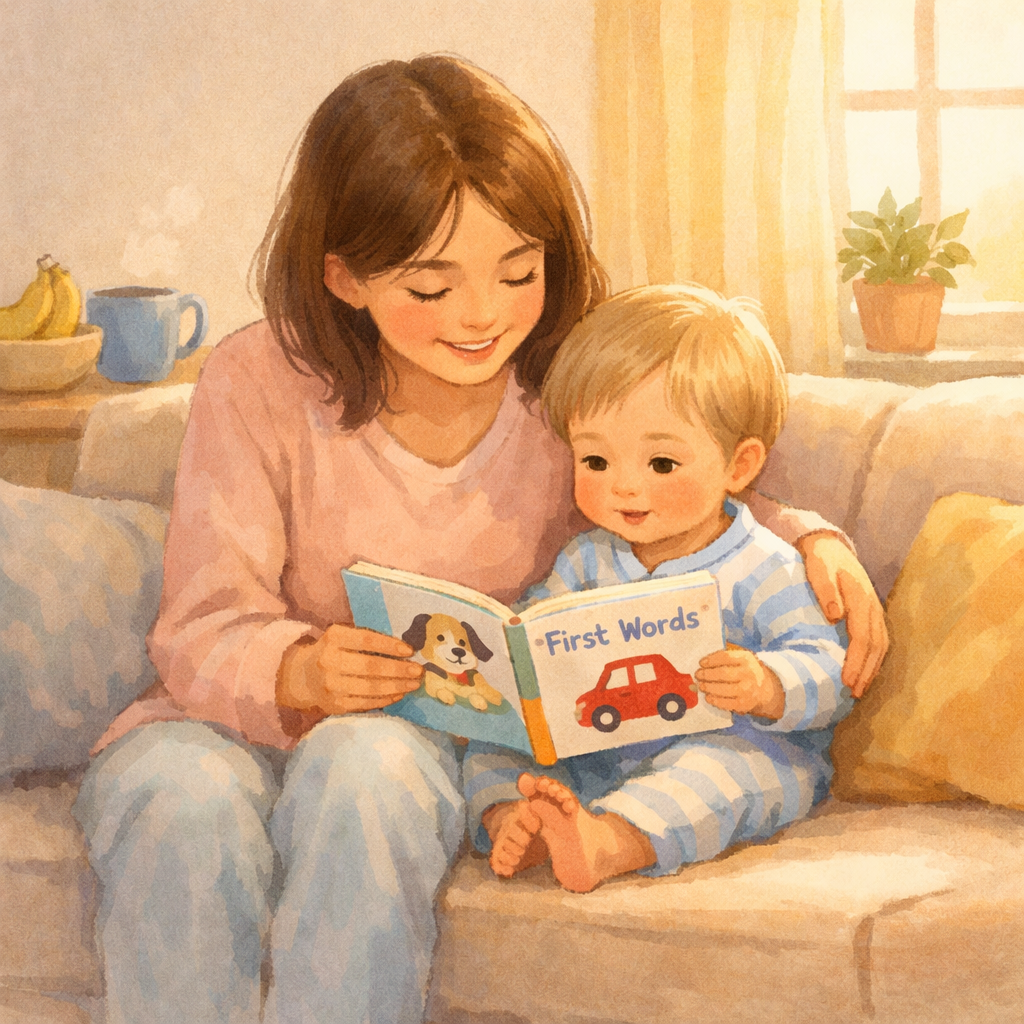
  • Share simple picture books and name what you see
You do not need long lessons.

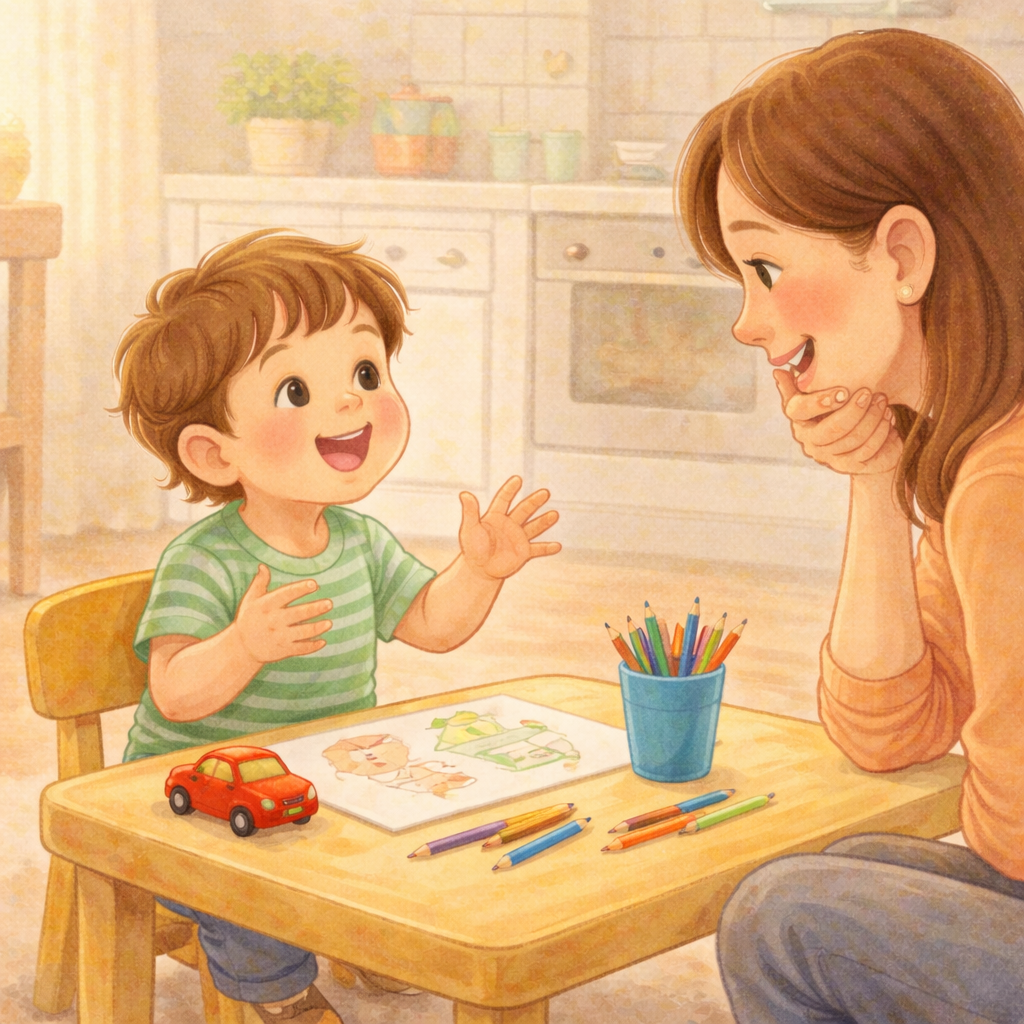
At age 1, language grows through connection, play and shared attention.

Those small everyday moments are building something big.

Newsletter

Join our Early Readers Club for fun learning tips, sneak peeks at new books, and free printable activities!
ChattyCubs™ 2026 All Rights Reserved.