ChattyCubs
£0.00 0

Basket

No products in the basket.

Early Literacy Skills

Early Literacy Skills

Early literacy skills begin long before a child reads their first word.

From pointing at pictures to recognising sounds, your toddler is already building the foundations for reading. These early steps happen naturally through play, conversation and shared books.

This guide walks you through what early literacy really means for children aged 0–3, and how to support it calmly at home.

What Are Early Literacy Skills?

Early literacy skills are the building blocks children need before formal reading begins.

They include:
  • Listening and understanding words
  • Recognising sounds in speech
  • Noticing print in the environment
  • Turning pages and handling books
  • Linking pictures to words
For toddlers, literacy is not worksheets or sitting still.

It is chatting at snack time.

It is pointing to a dog in a book.

It is laughing at the same story again and again.

Why Early Literacy Matters

Strong early literacy skills make learning to read easier later on.

Children who:
  • Hear lots of words
  • Enjoy books
  • Play with sounds
  • Recognise everyday objects and pictures
often feel more confident when they reach school age.

The good news is this does not require pressure.

It grows through connection.

The Core Areas of Early Literacy

Pre-Reading Skills

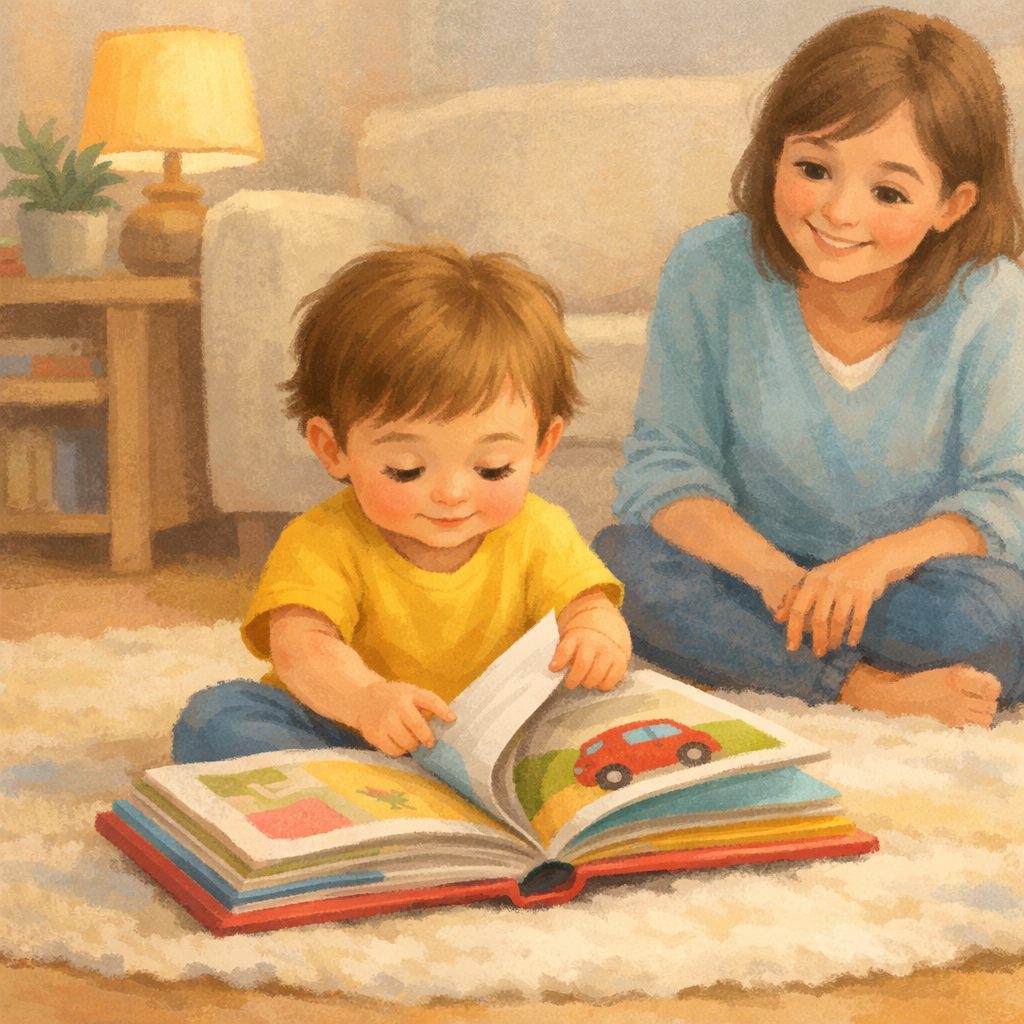
Before reading words, toddlers learn how books work.

They discover:
  • Pages turn from front to back
  • Pictures carry meaning
  • Words match images
Explore this in Pre-Reading Skills in Toddlers.
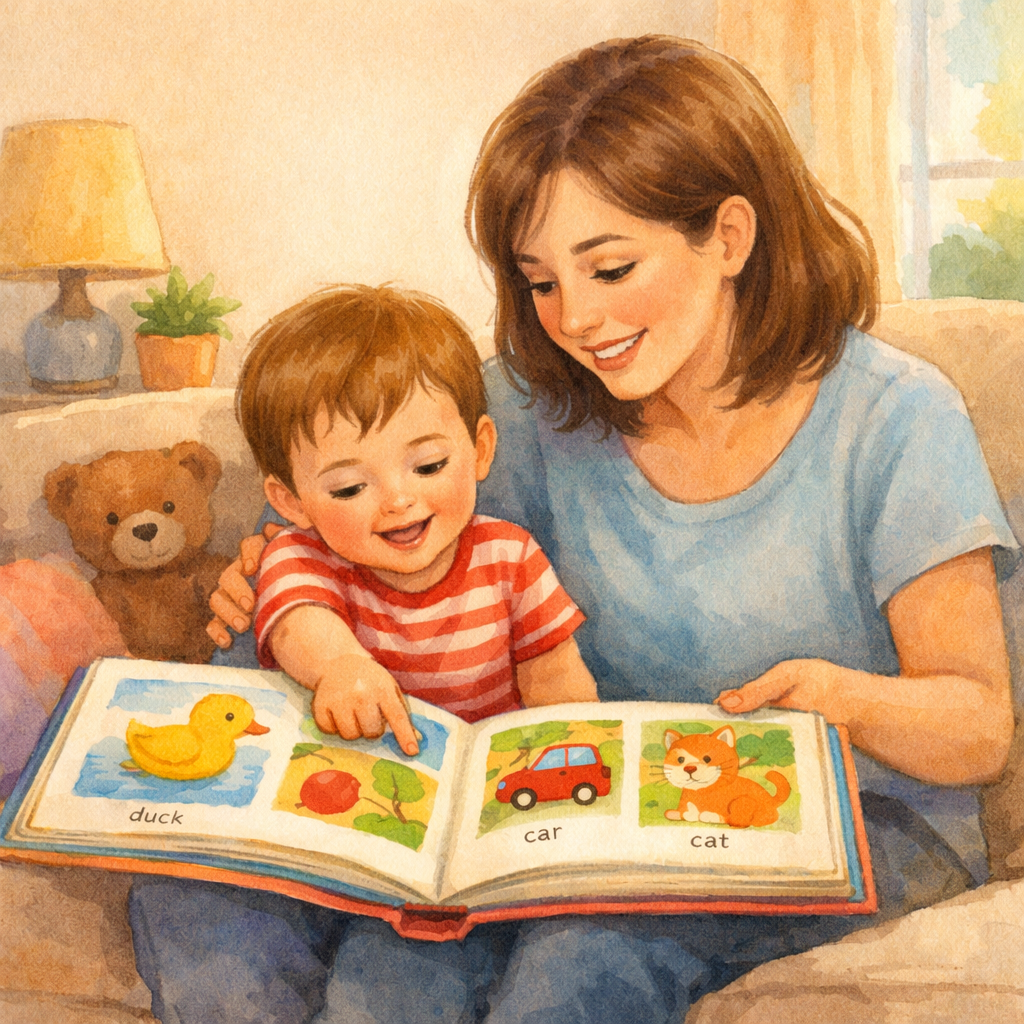
Toddler turning pages of a picture book while parent watches.

Phonemic Awareness

This simply means noticing sounds in words.

For toddlers, this might look like:
  • Enjoying rhymes
  • Laughing at silly sounds
  • Repeating the first sound of a word
Learn more in Phonemic Awareness for Beginners.

Reading Aloud

Reading aloud is one of the most powerful ways to build literacy.

It helps children:
  • Hear new vocabulary
  • Understand sentence patterns
  • Develop attention and listening skills
See How Reading Aloud Builds Literacy for practical guidance.
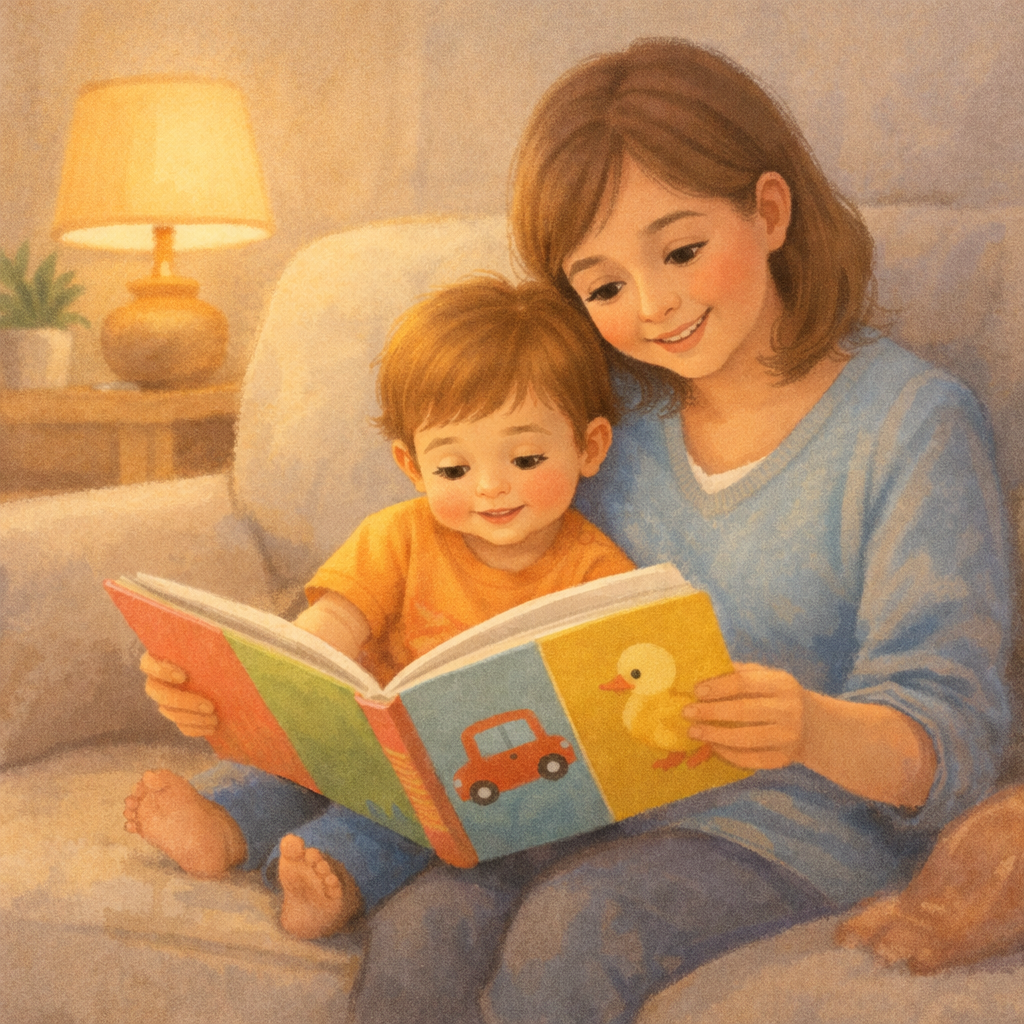
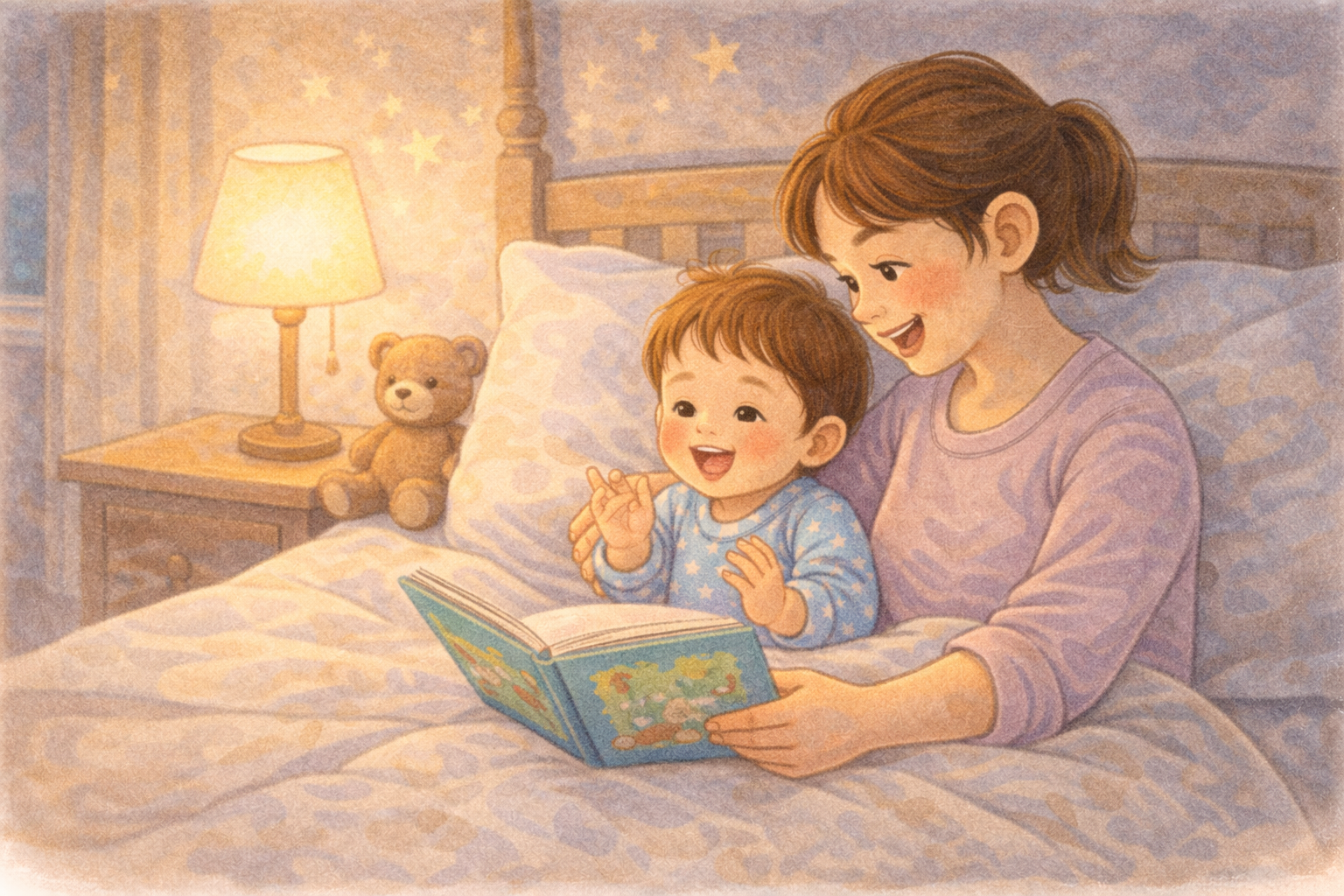
Parent reading aloud to toddler on a cosy sofa.

Tracking Literacy Milestones

Every child develops at their own pace.

Some toddlers talk early. Some prefer pointing and gestures first. Both can be completely typical.

For a clearer idea of what is common between 0 and 3, visit Tracking Literacy Milestones.

Tracking Literacy Milestones

As toddlers grow, early literacy widens into more specific skills.

Sound and Phonics Foundations

Understanding the difference between letter names and sounds can be helpful as children grow.

You can explore this in Letter vs Sound Focus Explained and try simple games in Phonics Activities for Toddlers.

Rhyming also plays a powerful role. Visit Using Rhyme to Build Literacy for ideas.

Story Understanding and Structure

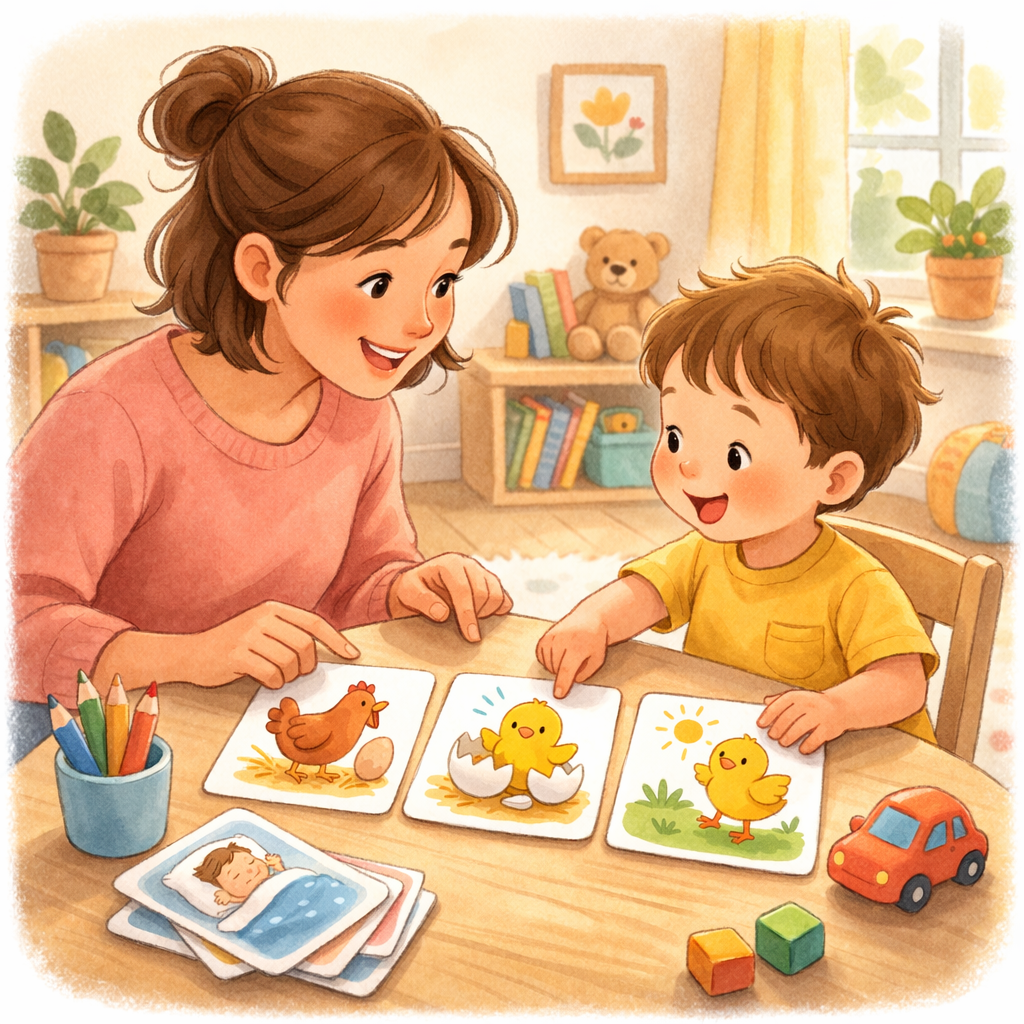
As attention grows, children begin to understand story order and sequence.

You can support this through:
These playful approaches strengthen comprehension and confidence.

Memory and Word Recognition

Repetition builds powerful memory connections.

Learn how in How Books Build Early Memory Skills.

As children move closer to early reading, you may also explore:

Building Consistent Reading Habits

Consistency helps literacy flourish.

You can build gentle routines with:

Play as a Foundation

Never underestimate play.

Pretend games, sound play and everyday conversation build reading readiness naturally.

Explore How Play Builds Reading Skills for practical ideas.

How First Words Support Early Literacy

First words books are a simple bridge between spoken language and later reading.

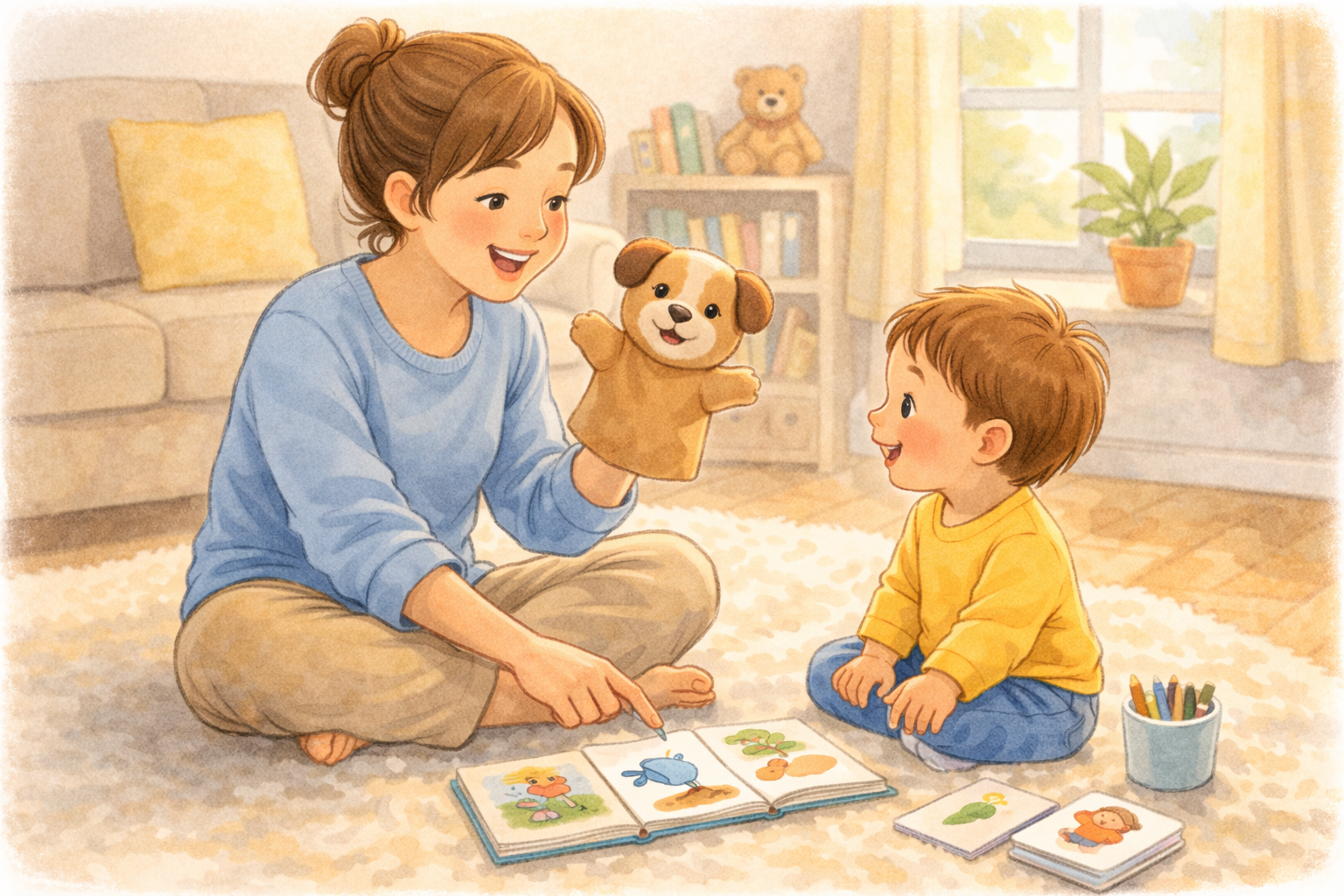
When your child points and you name what they see, they are practising:
  • Picture to word connections
  • Understanding that words have meaning
  • Turn-taking in conversation
  • Attention and listening
Large, clear images with one word underneath help toddlers focus without overwhelm.

If your toddler wants the same page again and again, that repetition is doing real learning work.

Simple Ways to Build Early Literacy at Home

You do not need a complicated routine.

Small habits add up.
  • Name objects during everyday routines like bath time and getting dressed
  • Read little and often, even five minutes counts
  • Sing nursery rhymes in the car or while cooking
  • Let your child choose the book, even if it is the same one
  • Follow their lead, talking about one picture still counts as reading
Consistency matters more than perfection.

A Calm Approach to Early Literacy

Early literacy skills grow best when children feel safe, relaxed and connected.

If your toddler walks away mid-story, that is fine.

If they only want to point and not listen, that is fine too.

The goal is positive experiences with words.

If you are unsure where to begin, start with Pre-Reading Skills in Toddlers and build gently from there.
Newsletter

Join our Early Readers Club for fun learning tips, sneak peeks at new books, and free printable activities!
ChattyCubs™ 2026 All Rights Reserved.