ChattyCubs
£0.00 0

Basket

No products in the basket.

What to Expect at Age 3: Language Development

What to Expect at Age 3: Language Development

By age 3, many children are becoming confident communicators.

Conversations are longer.
Questions are frequent.
Stories begin to appear.

If you would like to see how this stage fits into the bigger picture, visit Language Milestones by Age.

Understanding at Age 3

Three-year-olds usually understand far more than they can say.

Many children at this age:
  • Follow two or three-step instructions
  • Understand simple “who”, “what” and “where” questions
  • Recognise familiar routines and expectations
  • Understand basic concepts such as big and small
You may notice your child responding more quickly and confidently to everyday requests.

Sentence Development

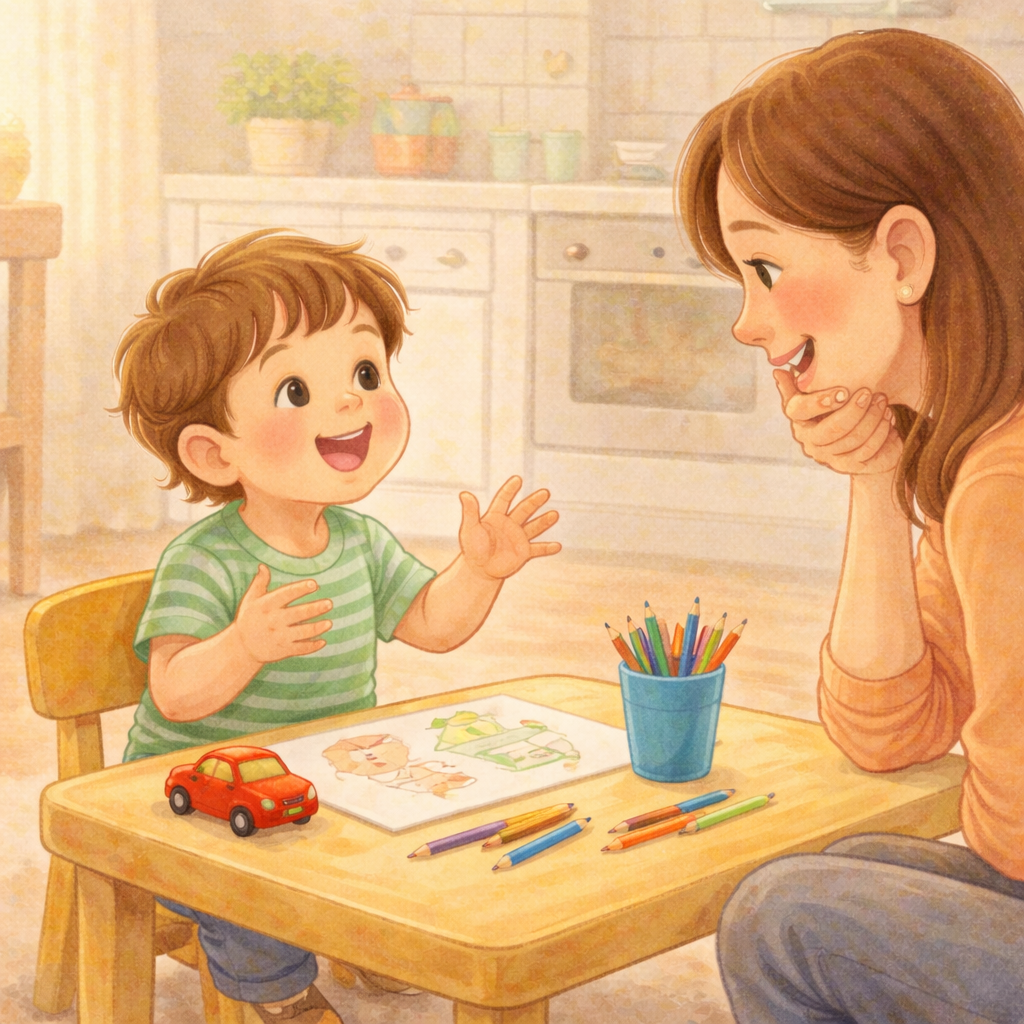
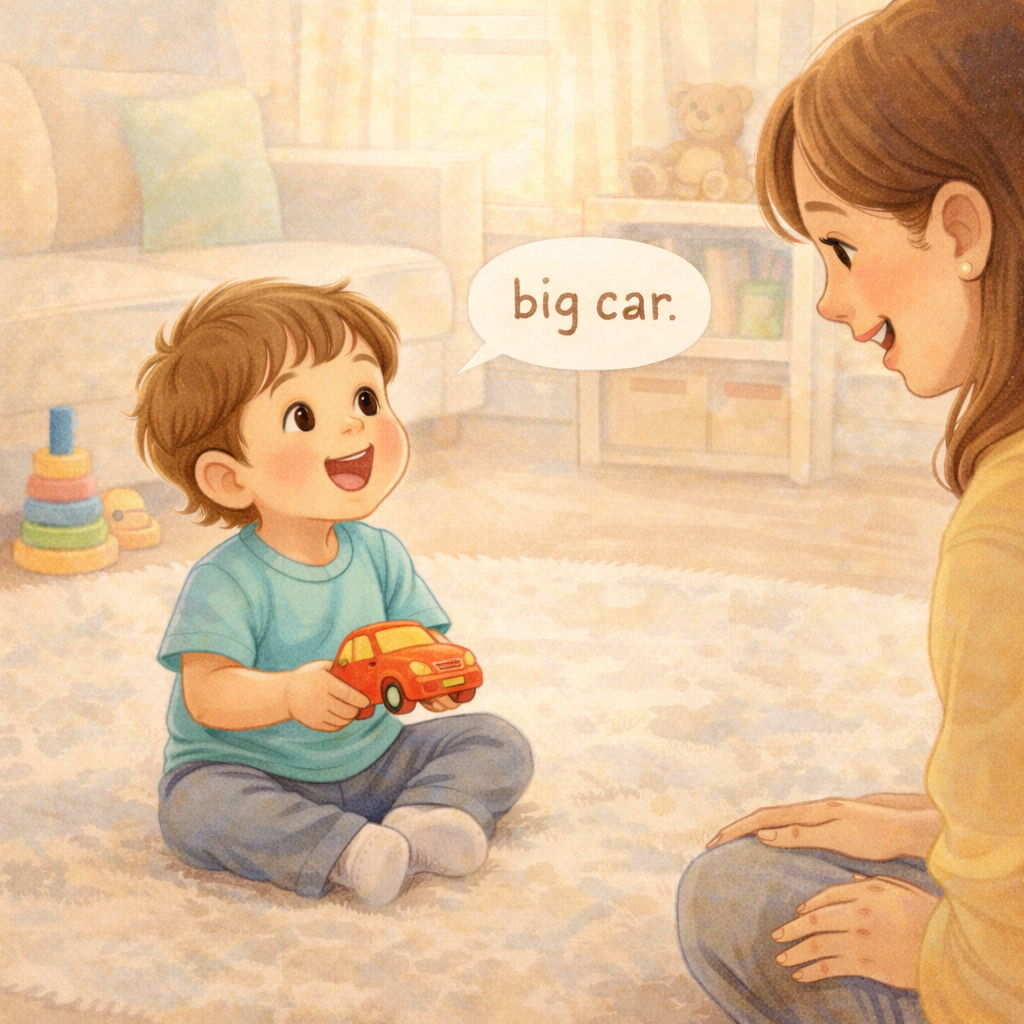
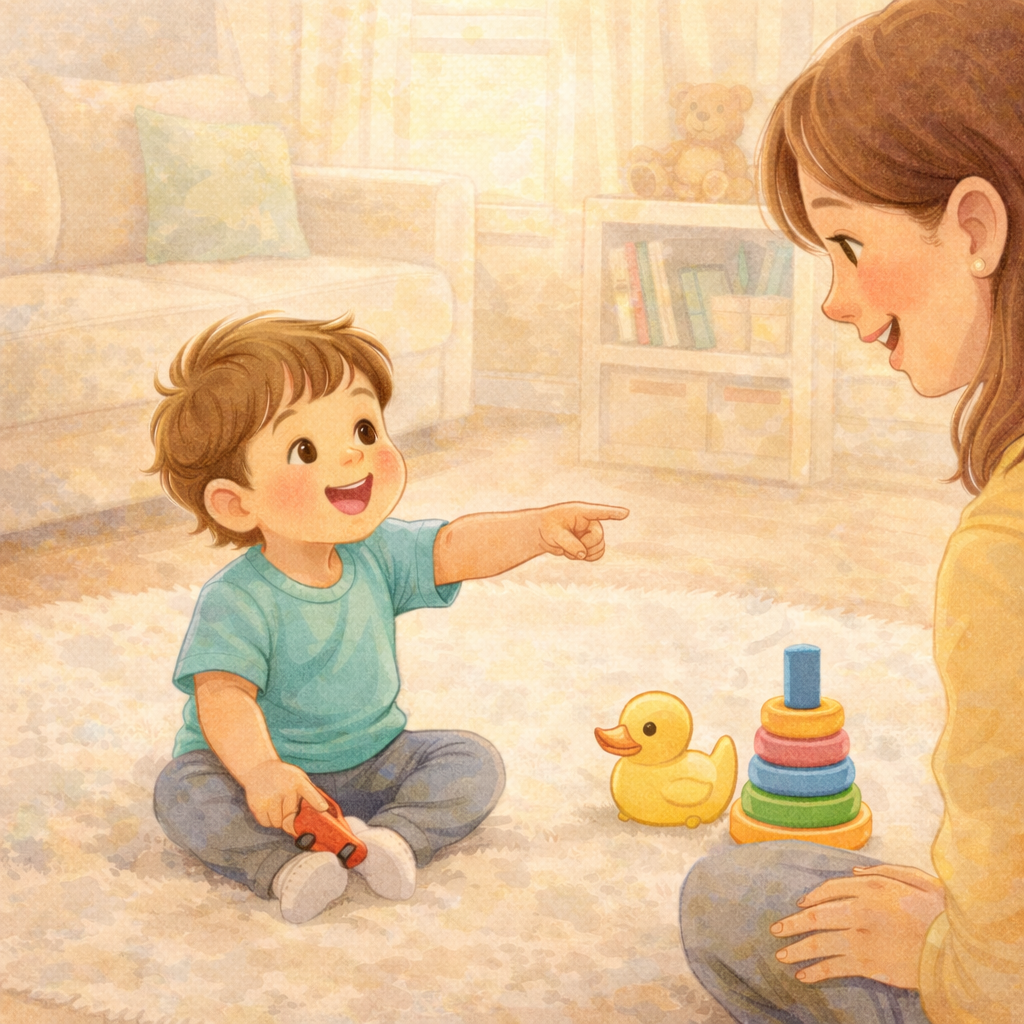
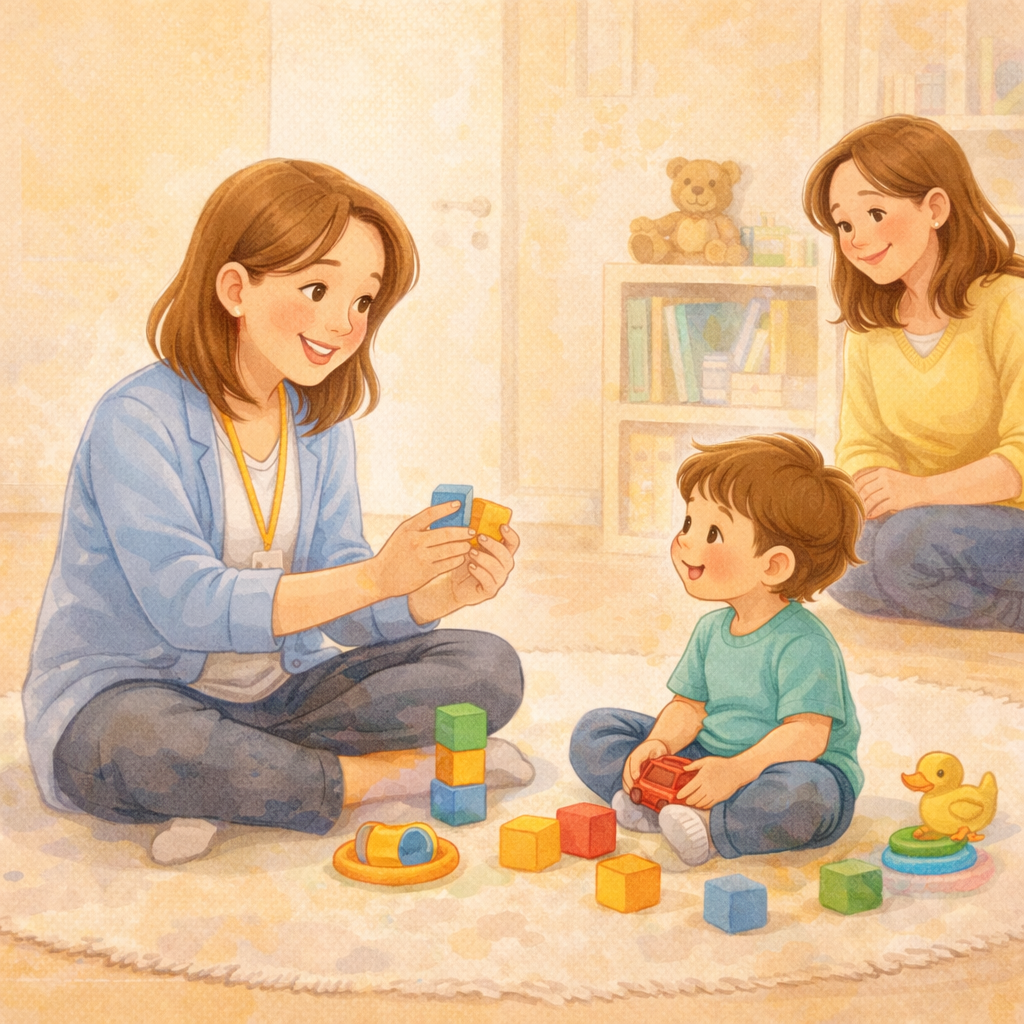
Three-year-old telling a short story while a parent listens.
By age 3, many children:
  • Use sentences of three to five words
  • Ask lots of questions
  • Talk about things that happened earlier
  • Use pronouns like “me” and “you”
Some children begin telling simple stories, even if the details are mixed up.

If you are curious about how sentences first begin, you can read First Sentences: When They Appear.

Speech Clarity

At 3 years old, familiar adults should understand most of what a child says.

Strangers may still find some words unclear.

It is still common for:
  • Certain sounds to be developing
  • Long words to be simplified
  • Occasional sound swaps to happen
If you are unsure whether speech clarity is typical, see Speech vs Language Delays.

Social Communication

Language at this age becomes more social.

Many three-year-olds:
  • Take turns in conversation
  • Respond to simple questions
  • Use language during pretend play
  • Express feelings with words
You might hear conversations with toys or imaginative storytelling during play.

When Might You Look Closer?

It may be helpful to seek advice if your child:
  • Uses very few words
  • Is not using short sentences
  • Is difficult for familiar adults to understand
  • Struggles to follow simple instructions
For more detailed signs, visit Common Red Flags by Age.

You can also read When to Seek Help for practical next steps.

How to Support Language at Age 3

At this stage, conversation is powerful.

You can:
  • Ask open-ended questions
  • Expand on your child’s stories
  • Model clear sentences
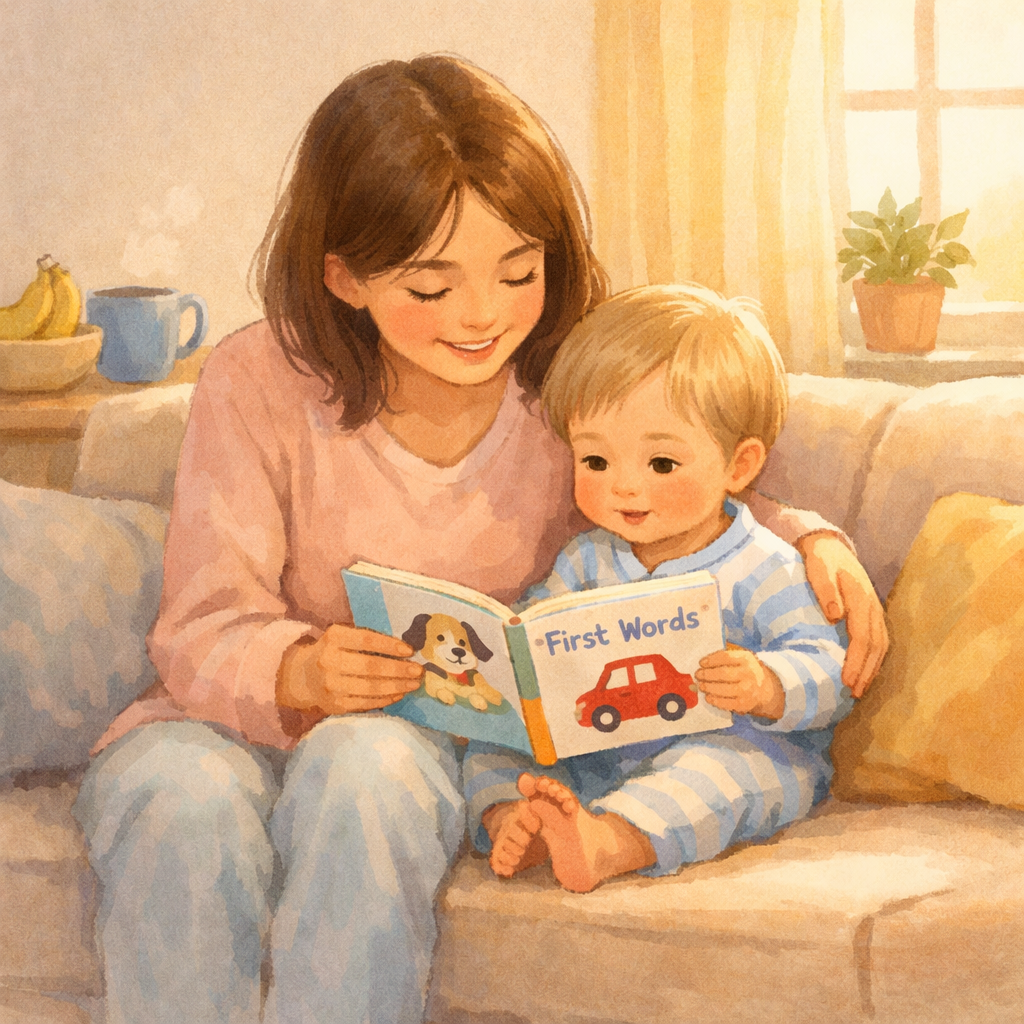
  • Read longer picture books and talk about what is happening
By age 3, language is becoming a tool for thinking, imagining and connecting.

Those daily chats are shaping confident communication for the years ahead.
Newsletter

Join our Early Readers Club for fun learning tips, sneak peeks at new books, and free printable activities!
ChattyCubs™ 2026 All Rights Reserved.