ChattyCubs
£0.00 0

Basket

No products in the basket.

Encouraging Toddler Conversation

Encouraging Toddler Conversation

Encouraging toddler conversation does not mean asking lots of questions.

It means creating small, warm opportunities for your child to share their thoughts, sounds and words.

Conversation at this age is simple. It might be one word. It might be a gesture and a sound. It still counts.

For a wider look at early communication skills, visit Speech and Communication.
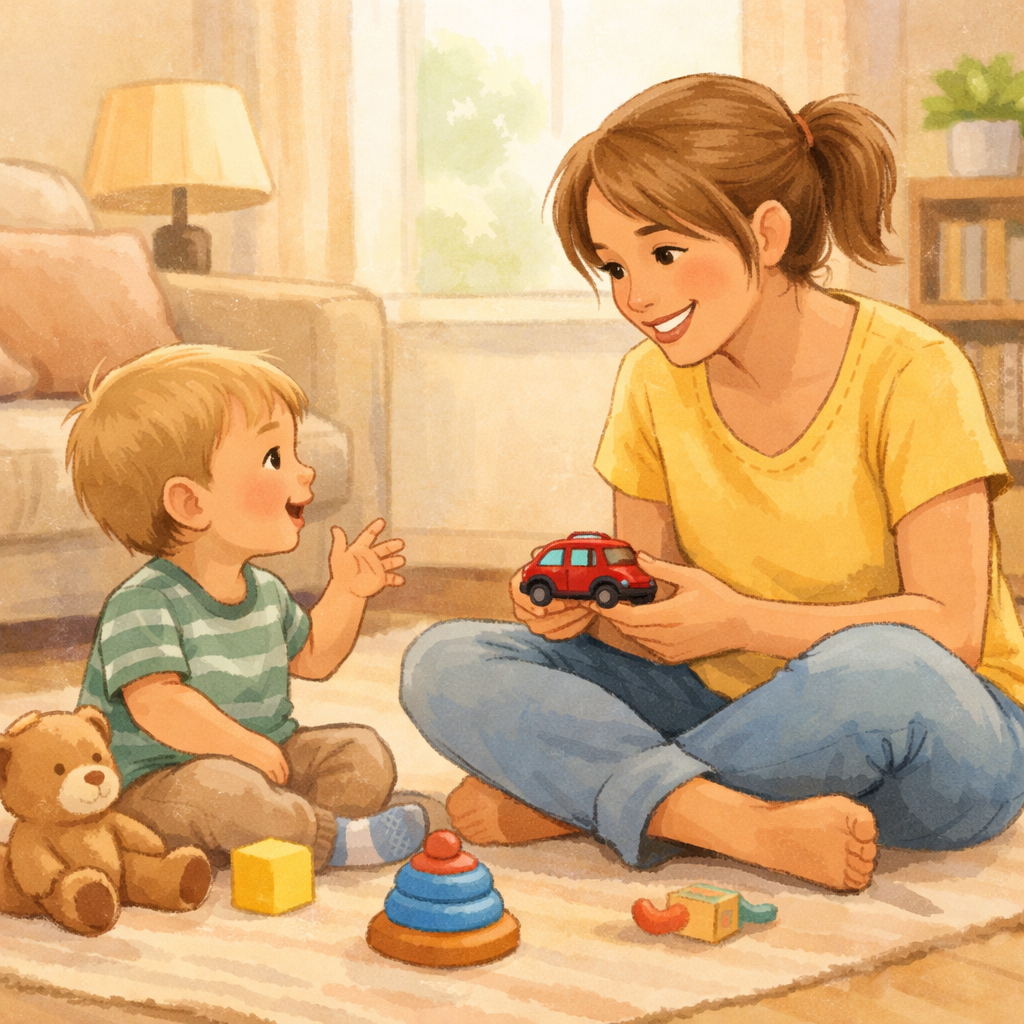
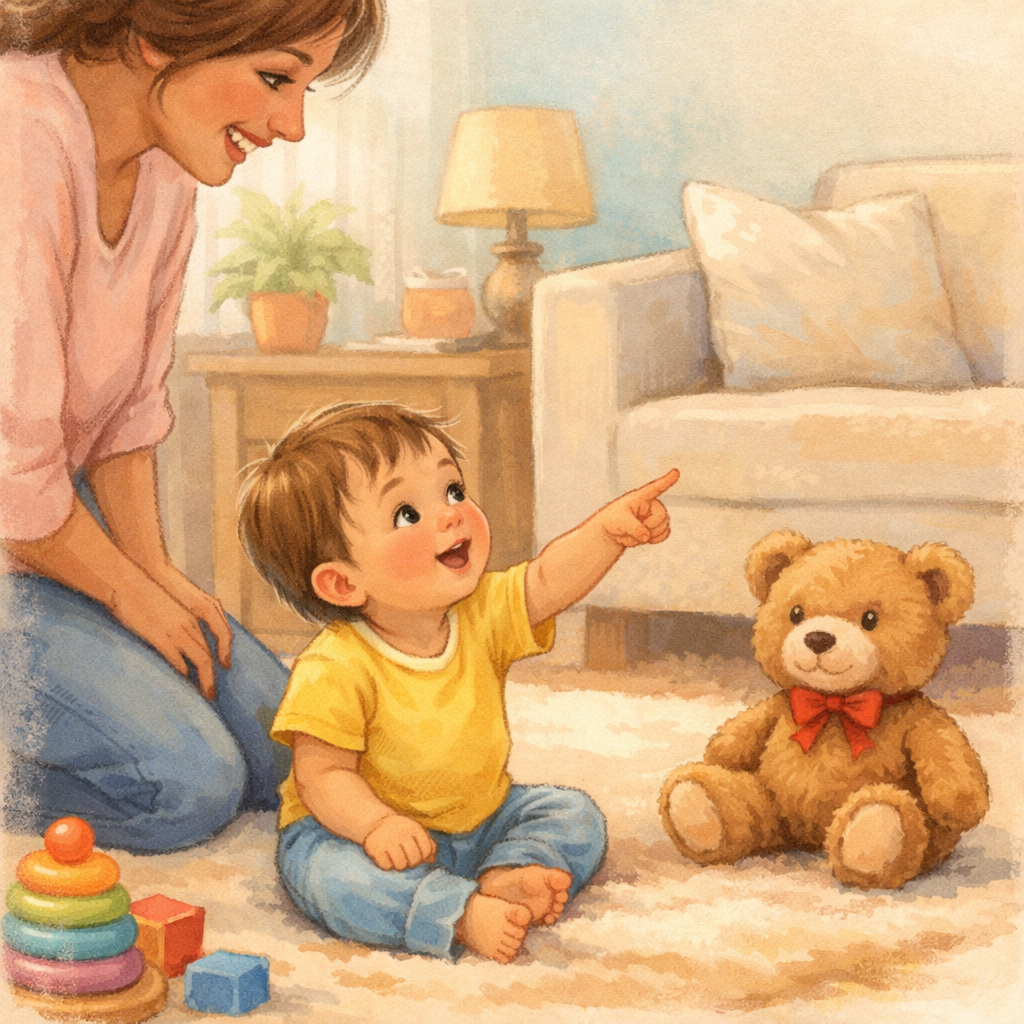
Parent and toddler chatting together during relaxed floor play.

Follow Their Lead

Toddlers talk more when they feel heard.

Watch what they are looking at. Notice what they are playing with. Join in rather than directing.

If your child is pushing a car, you might say, “Car goes fast.”

Pause.

Give them space to respond.

You are building on skills explored in Responding to Baby Babble and gently stretching them into real conversation.
Simple Ways to Follow Their Interests

  • Comment on what they are doing instead of testing them
  • Get down to their eye level
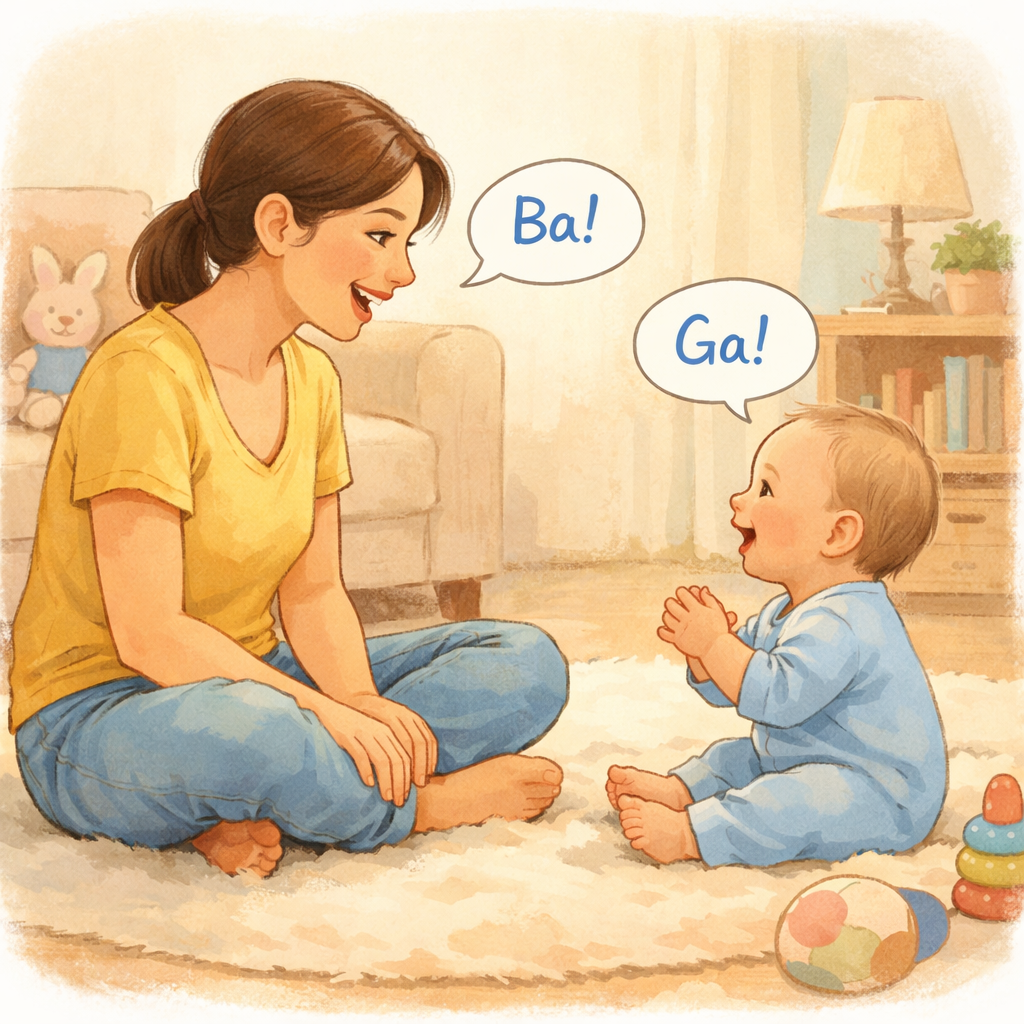
  • Copy their sounds and add one more word
  • Pause and wait after you speak
  • Use Everyday Moments

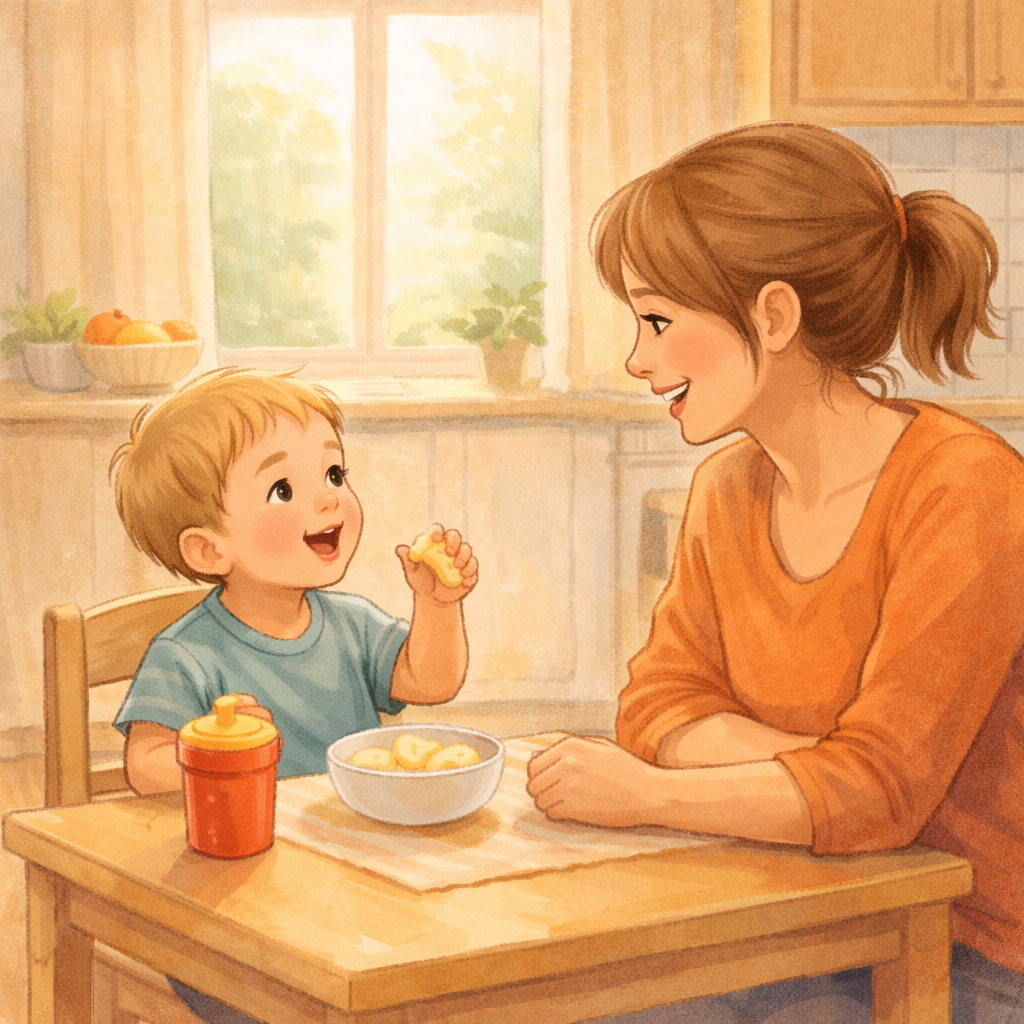
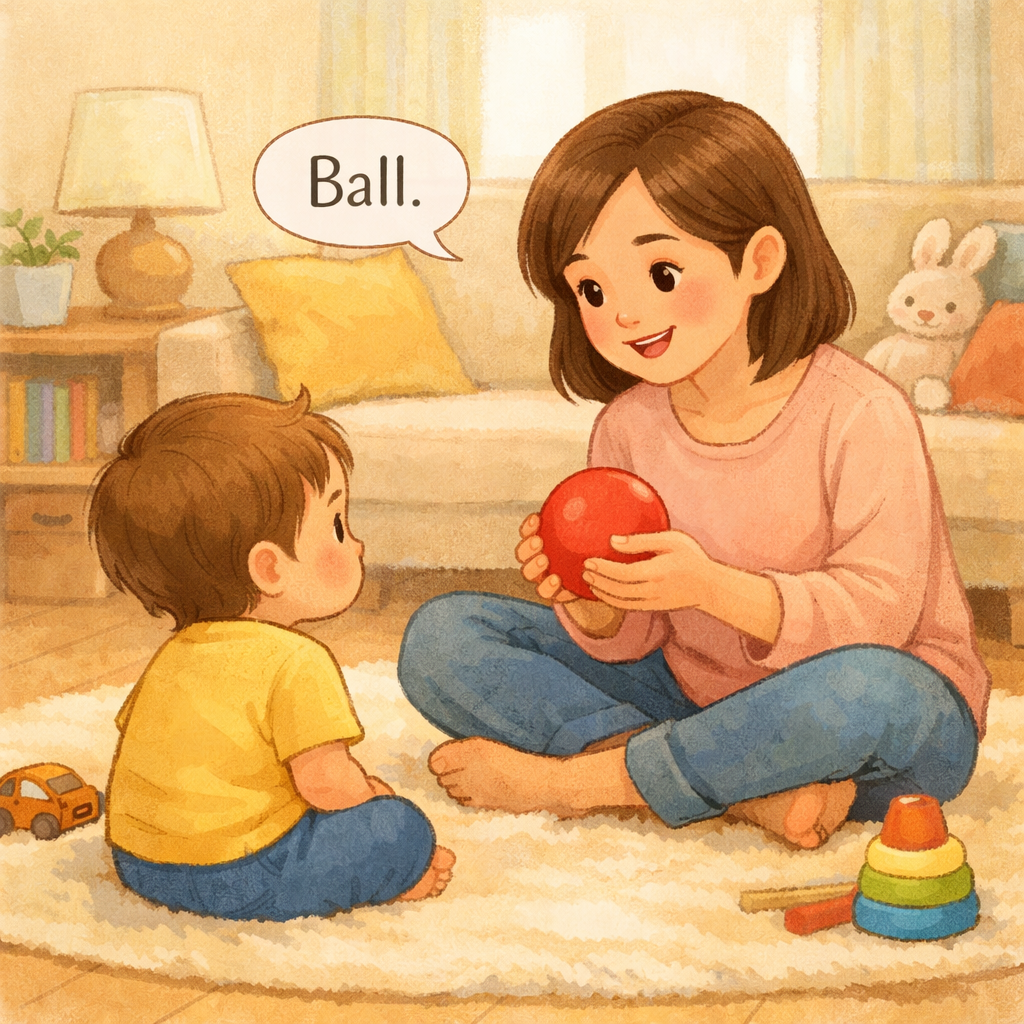
    Toddler chatting with a parent during snack time.
    Conversation does not need to be planned.

    It happens while getting dressed, walking to the park, or pouring a drink.

    Snack time is perfect.

    You might say, “Banana. Yummy banana.”
    Then pause.

    These everyday routines are also ideal for practising simple vocabulary from Everyday Words to Practice Together.

    Build Turn-Taking Skills

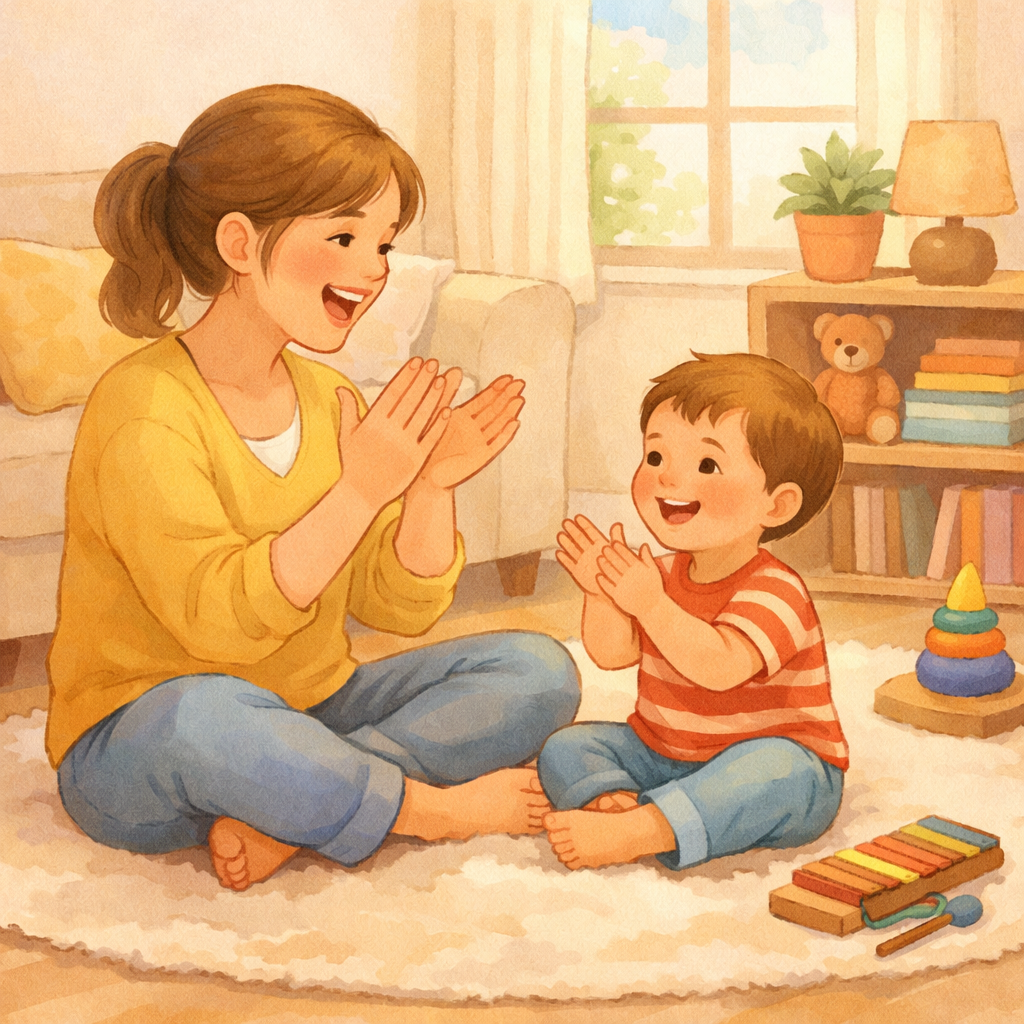
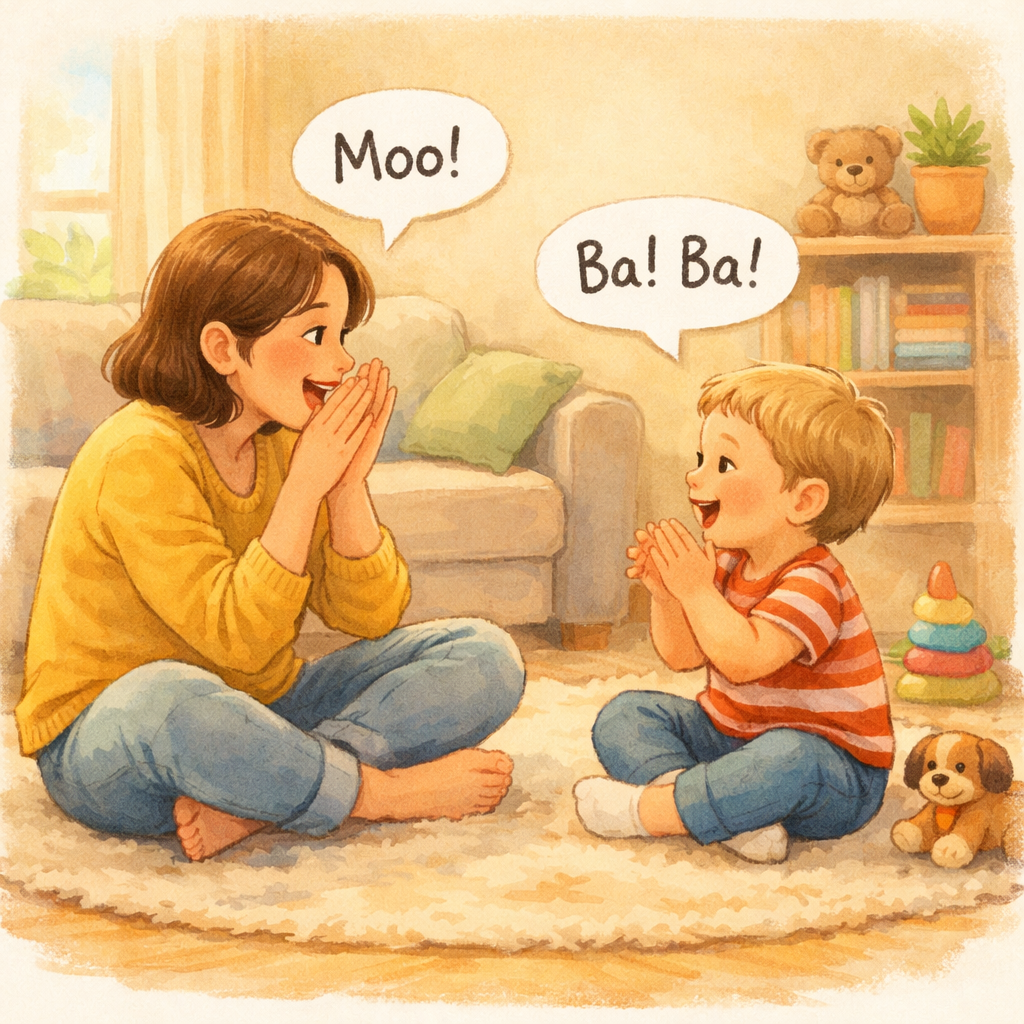
    Conversation is about turns.

    You talk.
    They talk.
    You respond.

    Keep your sentences short. Give your child time to reply.

    If they say “dog”, you might say, “Yes, big dog.”

    This gentle back-and-forth supports the skills explained in Turn-Taking Skills in Conversation.

    How Long Should You Wait?

    Count slowly to five in your head.

    Many toddlers need extra processing time. If we jump in too quickly, they miss their chance to respond.

    A short pause often leads to a new word.

    Expand, Do Not Correct

    If your toddler says “tat” for “cat”, avoid correcting directly.

    Instead say, “Yes, cat. Soft cat.”

    You are modelling clear speech without pressure. If you would like more ideas on this, see How to Model Clear Speech.

    Conversation should feel safe.

    Children talk more when they feel confident.

    Use Books to Spark Conversation

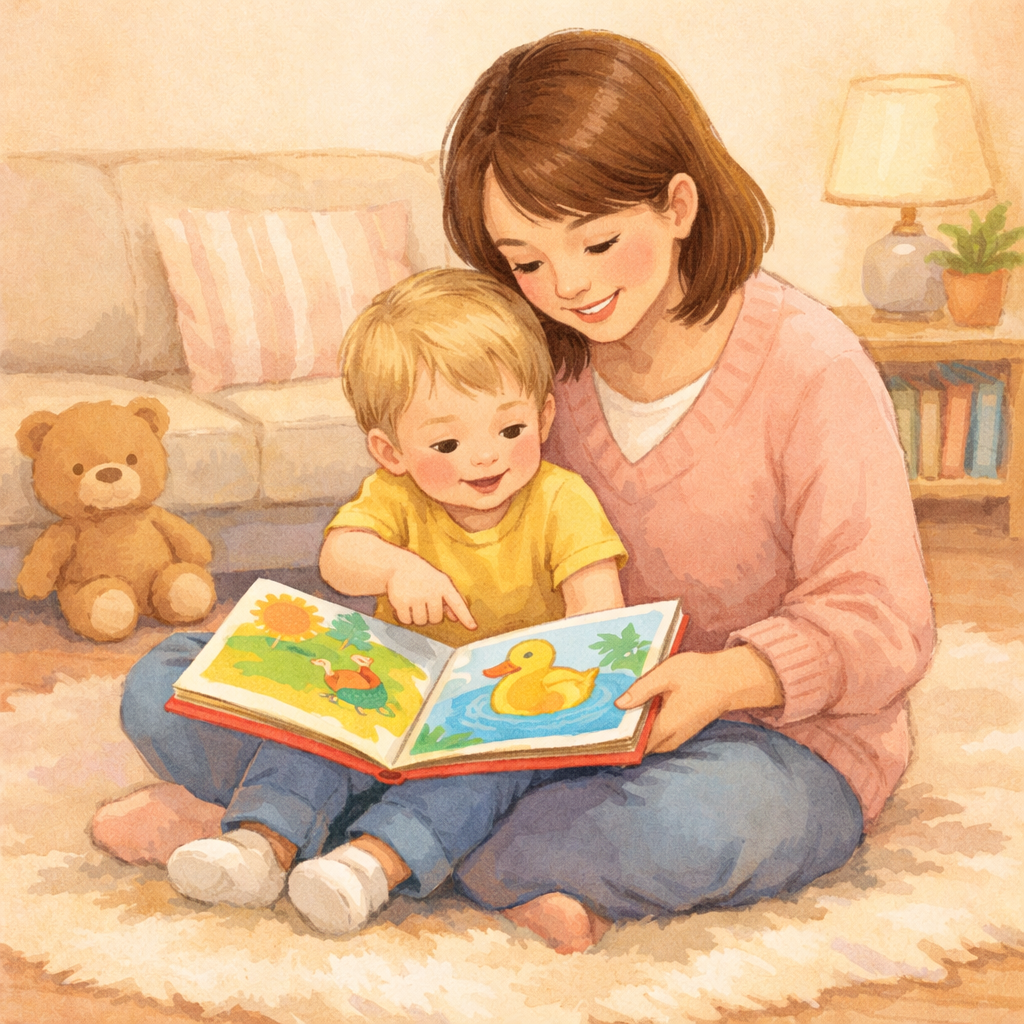
    Picture books are one of the easiest ways to encourage toddler conversation.

    Point.
    Name.
    Pause.

    Then wait for their attempt.

    Our ChattyCubs First Words books are designed exactly for this. The large images and clear prompts make it easy to practise turn-taking and short conversations.

    You can say:
    • “What can you see?”
    • “Who is this?”
    • “What is the dog doing?”
    Keep it playful, not like a test.

    When Conversation Feels Slow

    Some days your toddler will chatter constantly.

    Other days they may seem quiet.

    Both are normal.

    If you are concerned about slower speech development, you may find reassurance in our upcoming guide on late talking. For now, focus on warmth, patience and daily opportunities.

    Small, repeated moments build confident communicators.

    You do not need long lessons.

    Just connection.

    Newsletter

    Join our Early Readers Club for fun learning tips, sneak peeks at new books, and free printable activities!
    ChattyCubs™ 2026 All Rights Reserved.