ChattyCubs
£0.00 0

Basket

No products in the basket.

Using Stories to Teach Communication

Using Stories to Teach Communication

Stories are one of the simplest ways to build communication skills.

Even before your toddler can talk clearly, they are learning how conversations work through stories. They learn new words, facial expressions, turn-taking and how ideas connect together.

If you are new to building speech skills at home, start with our main guide to Speech and Communication for a full overview.

Why Stories Support Communication

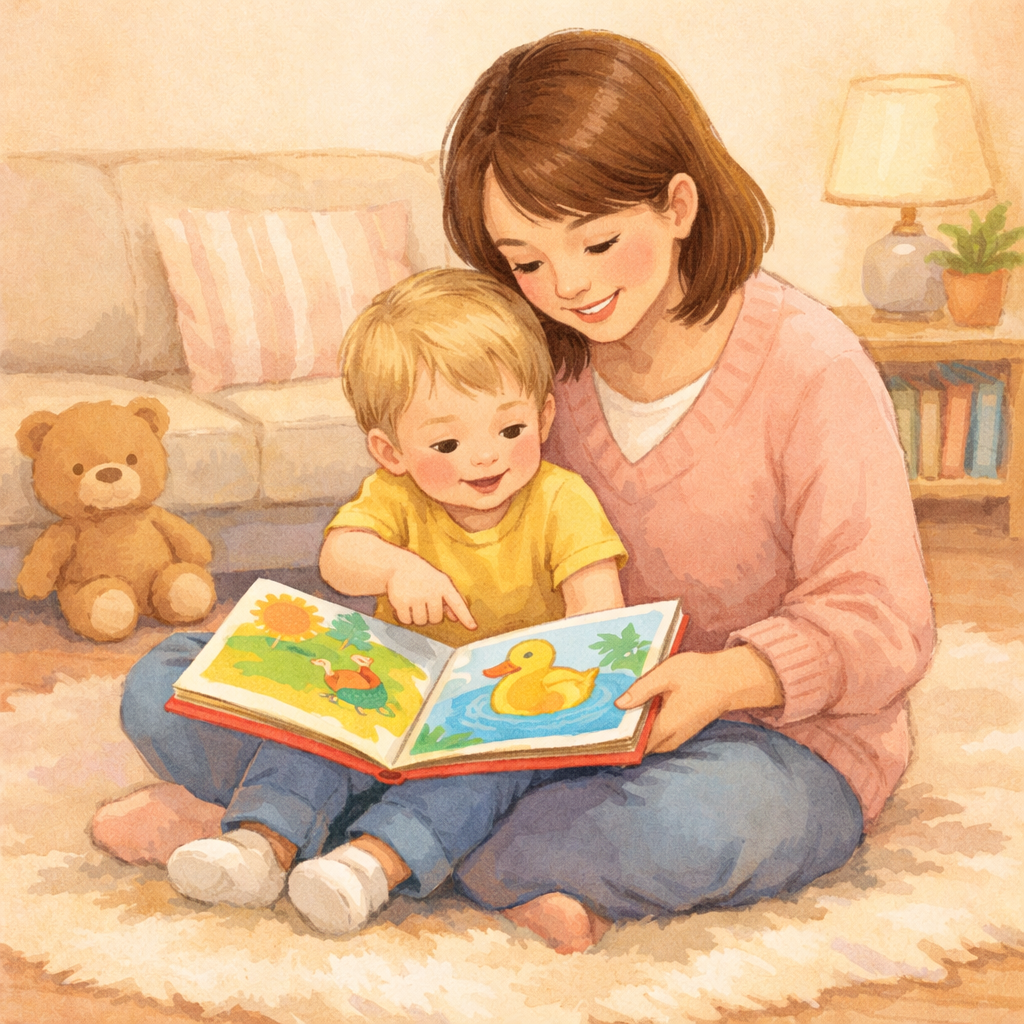
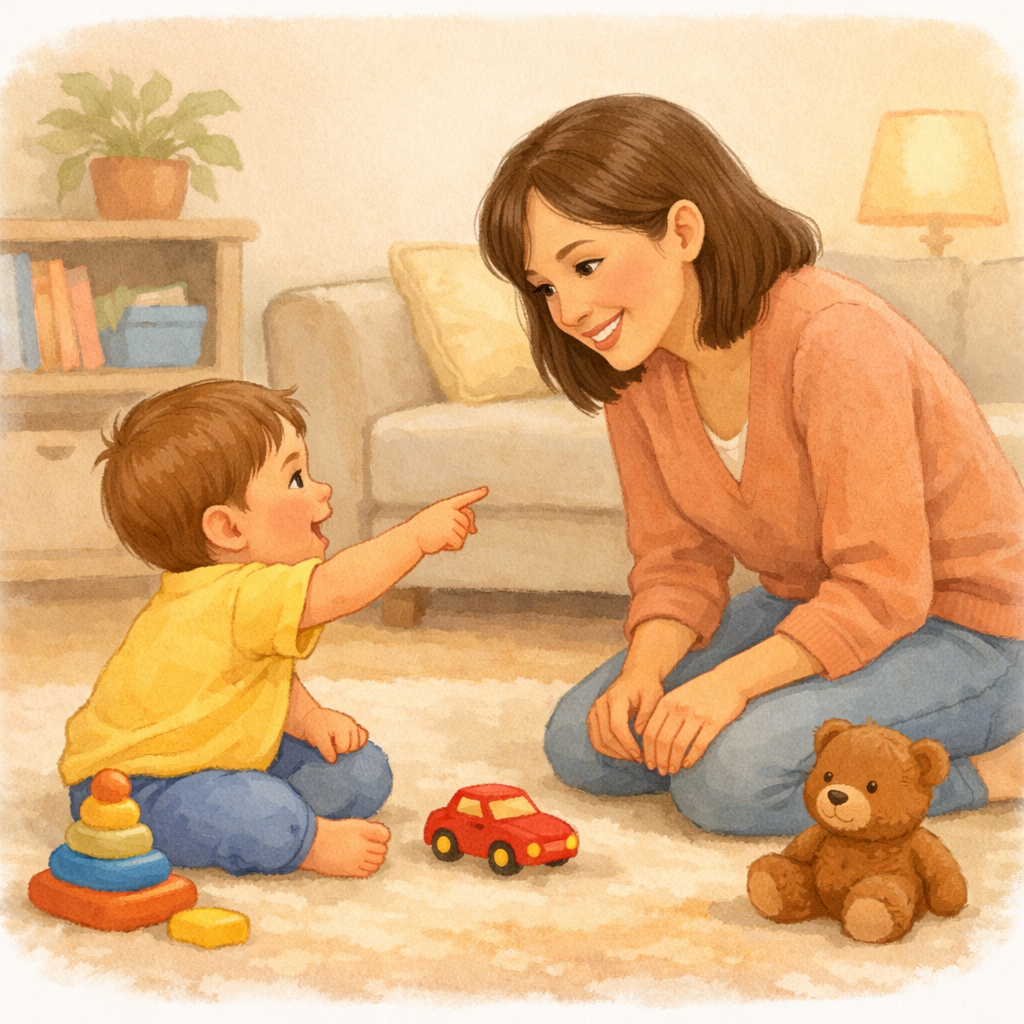
Parent and toddler looking at a picture book together while the toddler points.
Stories naturally encourage:
  • Listening and attention
  • Turn-taking
  • New vocabulary
  • Understanding emotions
  • Predicting what happens next
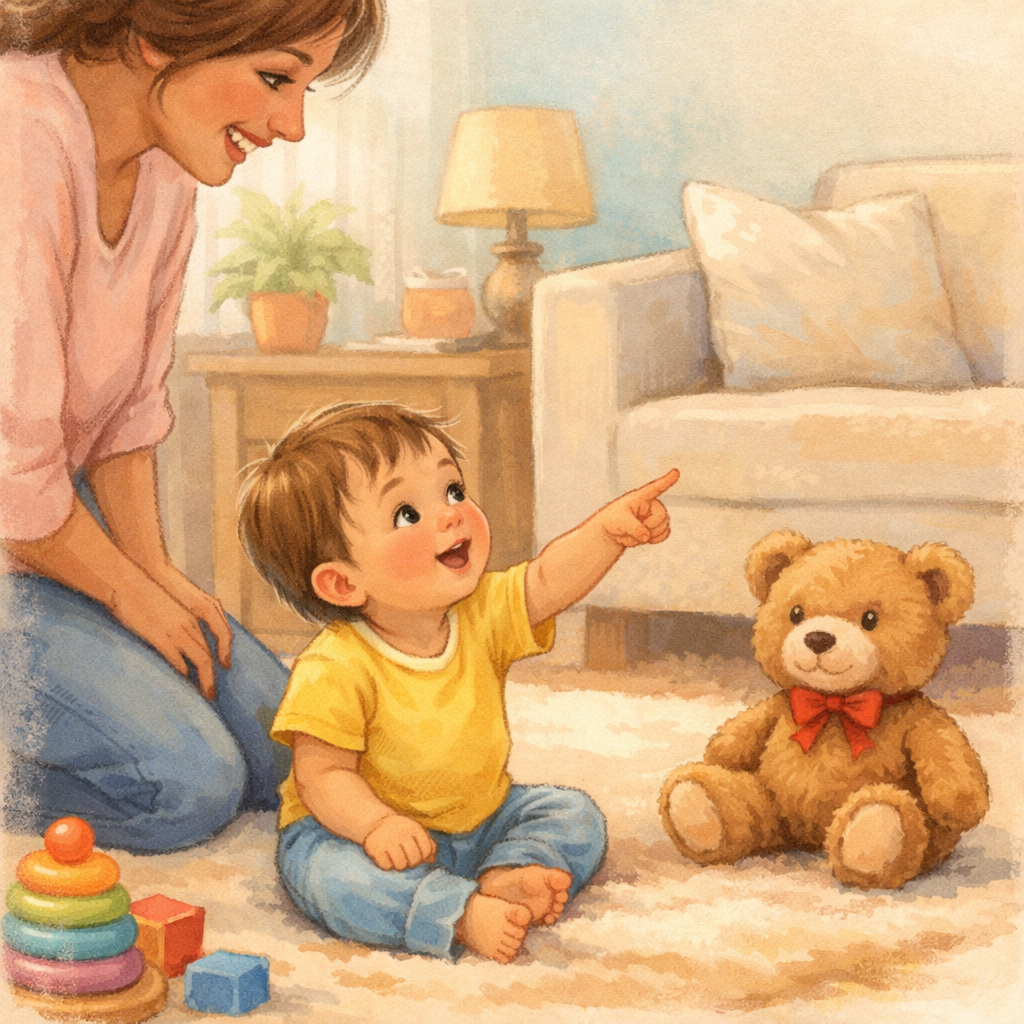
When your toddler points at a picture and looks at you, that is communication.

When you respond, you are building connection.

This back-and-forth is the same skill used in everyday conversation.

If you want to strengthen this skill further, read Turn-Taking Skills in Conversation.

How to Use Stories Actively

You do not need to read every word exactly as written.

In fact, toddlers learn more when you pause and interact.

1. Pause and Wait

Point to a picture and wait.

Give your child time to look, point or attempt a word.

Even a sound or gesture counts. If your toddler is still using gestures and early sounds, you may find Understanding Gestures and Sounds helpful.

2. Add Simple Comments

Instead of testing, try commenting.

“The dog is running.”

“He looks happy.”

This models clear language in a relaxed way. You can build this further with How to Model Clear Speech.

3. Ask Gentle Questions

Simple prompts keep the story interactive.

“Where is the cat?”

“What is he doing?”

If you would like more guidance on this, see How to Ask Open Ended Questions.

Making Stories Part of Everyday Life

Stories do not only happen at bedtime.

You can:
  • Tell a short story about your day
  • Describe what happened at the park
  • Make up a simple story about their teddy
  • Retell familiar routines like bath time
This helps children understand sequence, which supports clearer talking later on.

Choosing the Right Books

For toddlers aged 0–3, look for:
  • Large, clear pictures
  • Simple words
  • Repetition
  • Familiar everyday themes
Books that focus on first words are especially helpful because they link pictures to real life vocabulary.

You can explore themed vocabulary support in Everyday Words to Practice Together.

ChattyCubs First Words books are designed with clear images and interactive prompts to encourage pointing, naming and conversation. They work beautifully alongside this approach to shared storytelling.

If Your Toddler Isn’t Talking Much Yet

It is common for parents to worry if their child listens but does not say many words.

Stories are still powerful at this stage.

Listening builds understanding first. Words usually follow.

If you have concerns, you may find Tips for Late Talkers reassuring once it is available.

Keep reading.

Keep responding.

Keep enjoying the time together.

Communication grows through connection, and stories are one of the warmest ways to build it.
Newsletter

Join our Early Readers Club for fun learning tips, sneak peeks at new books, and free printable activities!
ChattyCubs™ 2026 All Rights Reserved.