ChattyCubs
£0.00 0

Basket

No products in the basket.

Communication Through Art and Drawing

Communication Through Art and Drawing

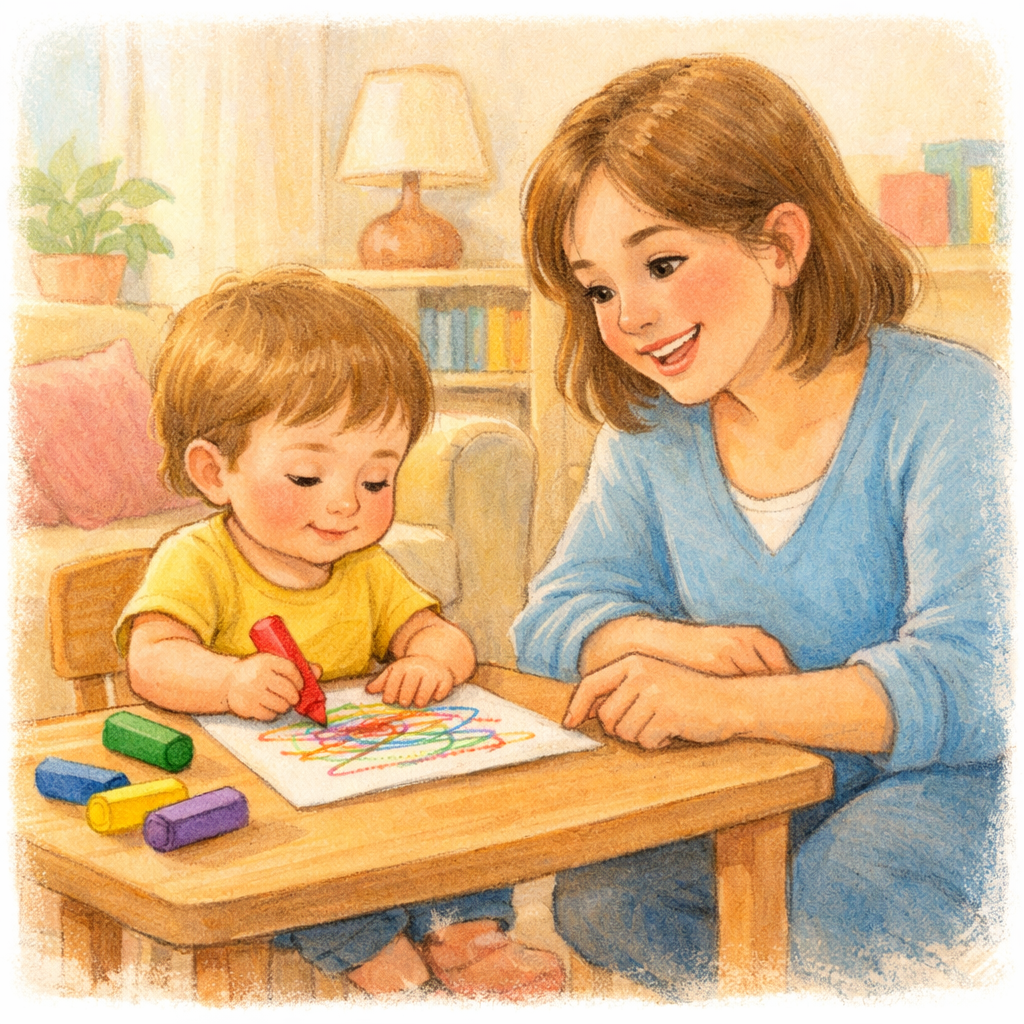
Parent and toddler drawing together and chatting at a small table.
Drawing is more than a creative activity.

For toddlers, it is a powerful way to communicate thoughts, feelings and ideas before they can fully explain them with words.

When a child makes a mark on paper, they are telling you something.

Why Art Supports Communication

Young children often think in pictures before they think in sentences.

Art gives them time to process and express what they are noticing in the world.

Drawing can help children:
  • Share experiences they cannot yet describe clearly
  • Build new vocabulary through conversation
  • Practise turn-taking as you talk about their picture
  • Feel confident expressing their ideas
If your toddler is still developing early speech, you might also find Understanding Gestures and Sounds helpful. Drawing often sits alongside pointing, showing and making sounds.

How to Talk About Your Child’s Drawing

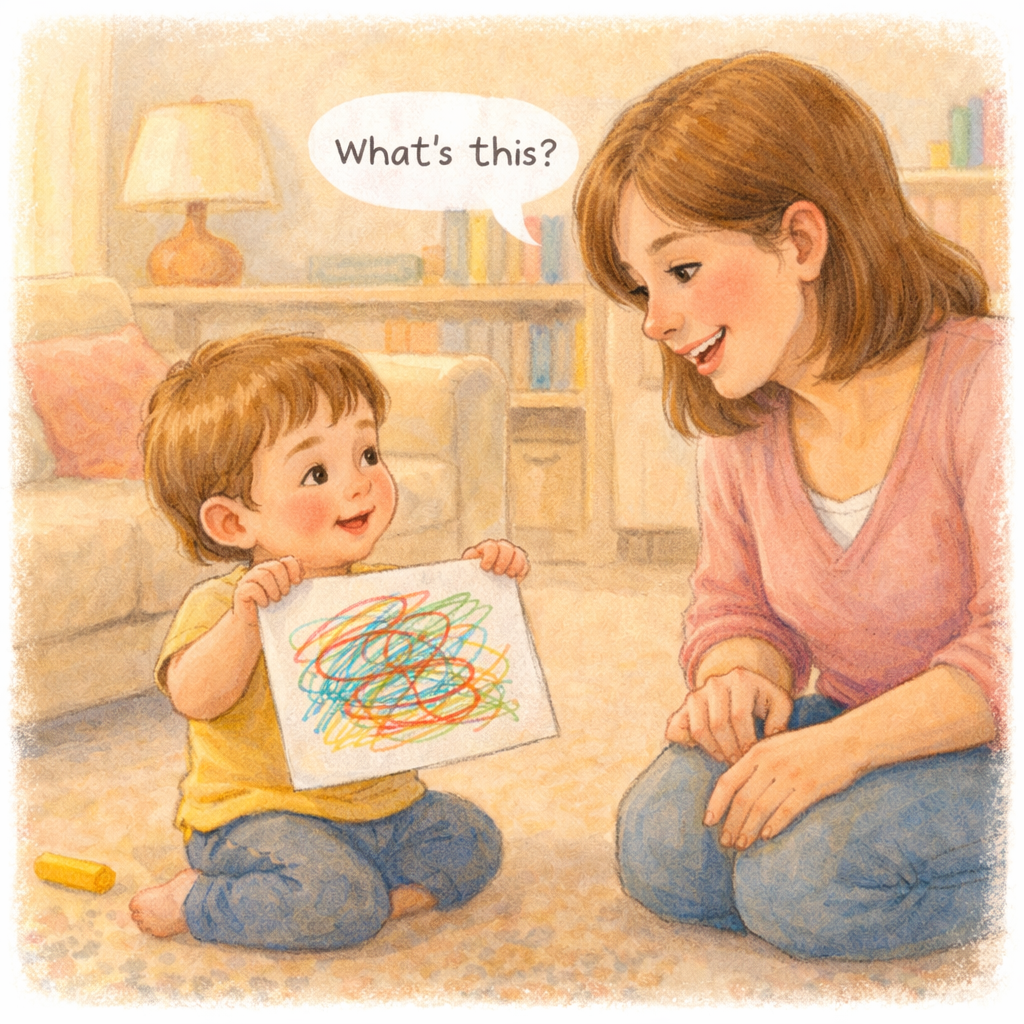
Toddler showing a drawing to a parent who is asking about it kindly.
The goal is not to correct or interpret too quickly.

Instead, follow your child’s lead.

You could try:
  • “Tell me about your picture.”
  • “What’s happening here?”
  • “Who is this?”
  • “What colour did you choose?”
Open questions gently encourage longer responses. If you would like more ideas, see How to Ask Open Ended Questions.

Pause and give your toddler time to think. Silence is often where new words grow.

From Scribbles to Stories

At first, drawings may just be lines and circles.

That is completely normal.

Over time, those scribbles turn into shapes, then people, animals and simple scenes. When you sit together and create a story about the drawing, you are building narrative skills.

Storytelling supports later reading and language confidence. You can explore this further in Using Stories to Teach Communication.

Try saying:
  • “Shall we make a story about this?”
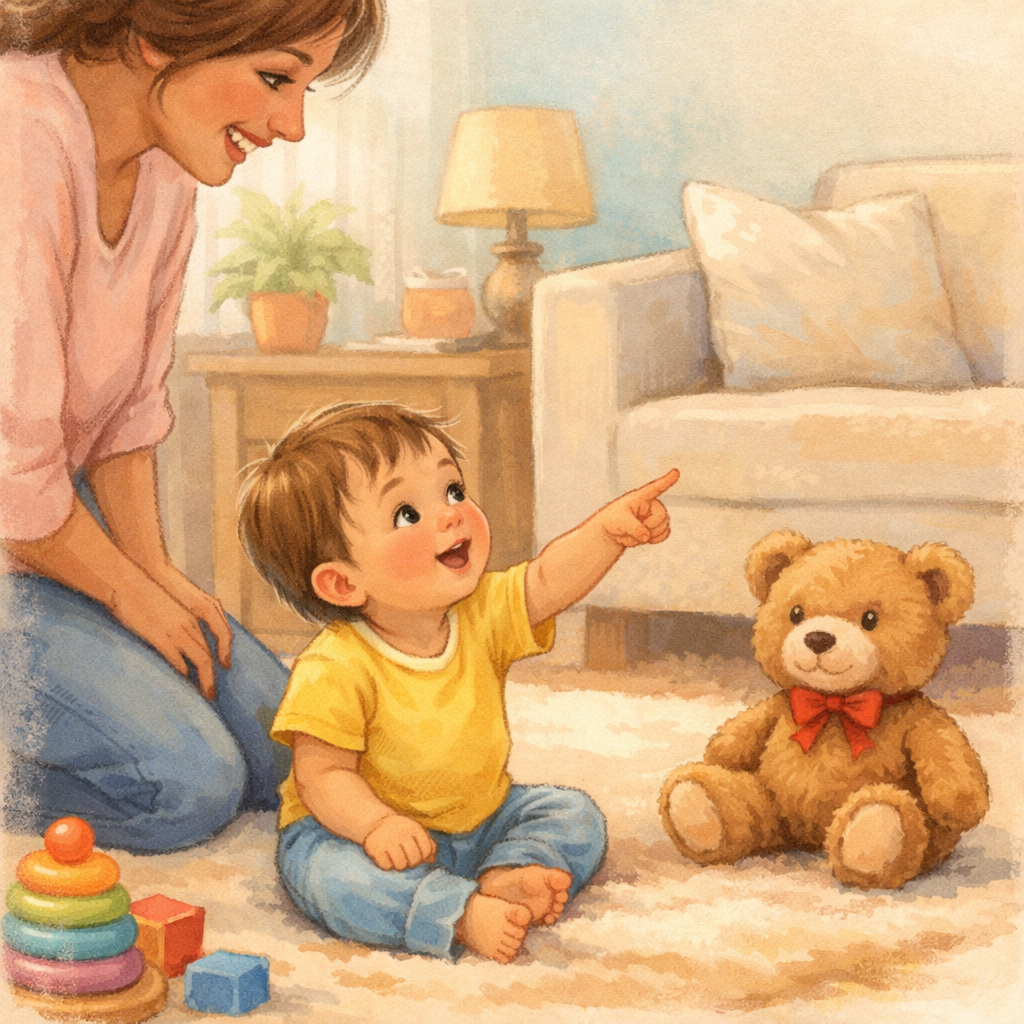
  • “Where is the teddy going?”
  • “What happens next?”
Keep it playful and light.

Using Everyday Objects in Drawings

Link drawings to familiar words.

If your child draws a circle, you might say, “That looks like a ball,” or “Is it the sun?”

Connecting drawings to everyday vocabulary reinforces the words you practise daily. You can find more simple word ideas in Everyday Words to Practice Together.

You could even keep a small “drawing and naming” routine once a week. A few crayons, a sheet of paper and five calm minutes together is enough.
Supporting Children Who Are Reluctant to Talk

Some toddlers prefer to draw quietly.

That is fine.

Sit nearby and model gentle language without pressure. You might describe what you see:
  • “You’re using the blue crayon.”
  • “I can see lots of lines.”
  • “You’re drawing very carefully.”
This is similar to the approach in How to Model Clear Speech. Calm, simple language builds understanding without overwhelming your child.

Linking Drawing to Books

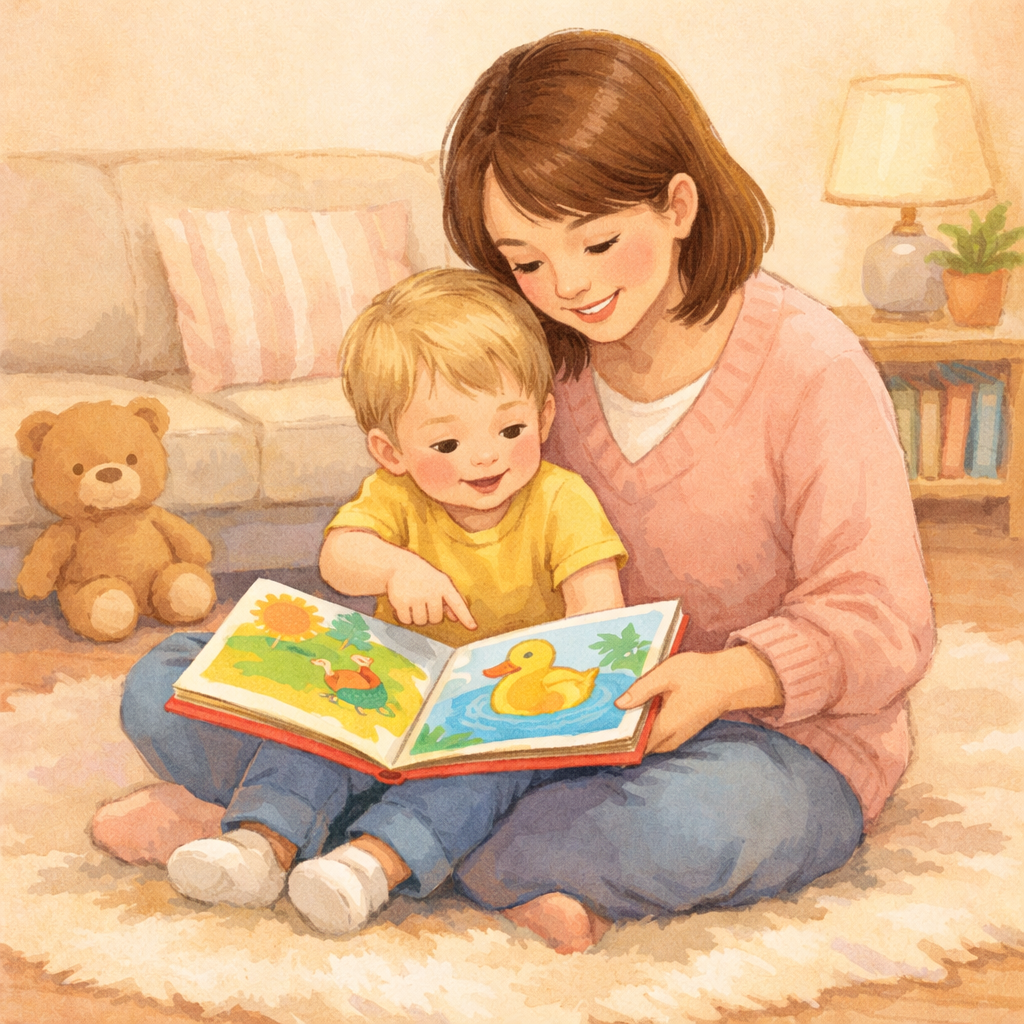
After reading together, invite your toddler to draw something from the story.

It might be a cat, a bus or a big red apple.

This strengthens the connection between pictures, words and meaning. Reading regularly also supports speech development. You may enjoy Reading Aloud to Support Speech.

For themed drawing ideas, you can use images from ChattyCubs First Words books as inspiration. A simple animal from your book can become today’s drawing focus.

A Gentle Reminder

Art is about expression, not perfection.

Your toddler’s scribble does not need to look like anything recognisable to be valuable.

When you sit beside them, notice their marks and listen to their explanations, you are building confidence, vocabulary and connection all at once.

For a full overview of how these small daily moments build language, visit the Speech and Communication hub page.

Newsletter

Join our Early Readers Club for fun learning tips, sneak peeks at new books, and free printable activities!
ChattyCubs™ 2026 All Rights Reserved.