ChattyCubs
£0.00 0

Basket

No products in the basket.

How Tone and Expression Help Communication

How Tone and Expression Help Communication

How we say something often matters just as much as the words themselves.

For toddlers, tone of voice and facial expression are powerful communication tools. Long before children use full sentences, they read our faces and listen closely to how we speak.

This is a key part of early speech and communication development.

To understand how this fits into the bigger picture, you can explore the full Speech and Communication guide.
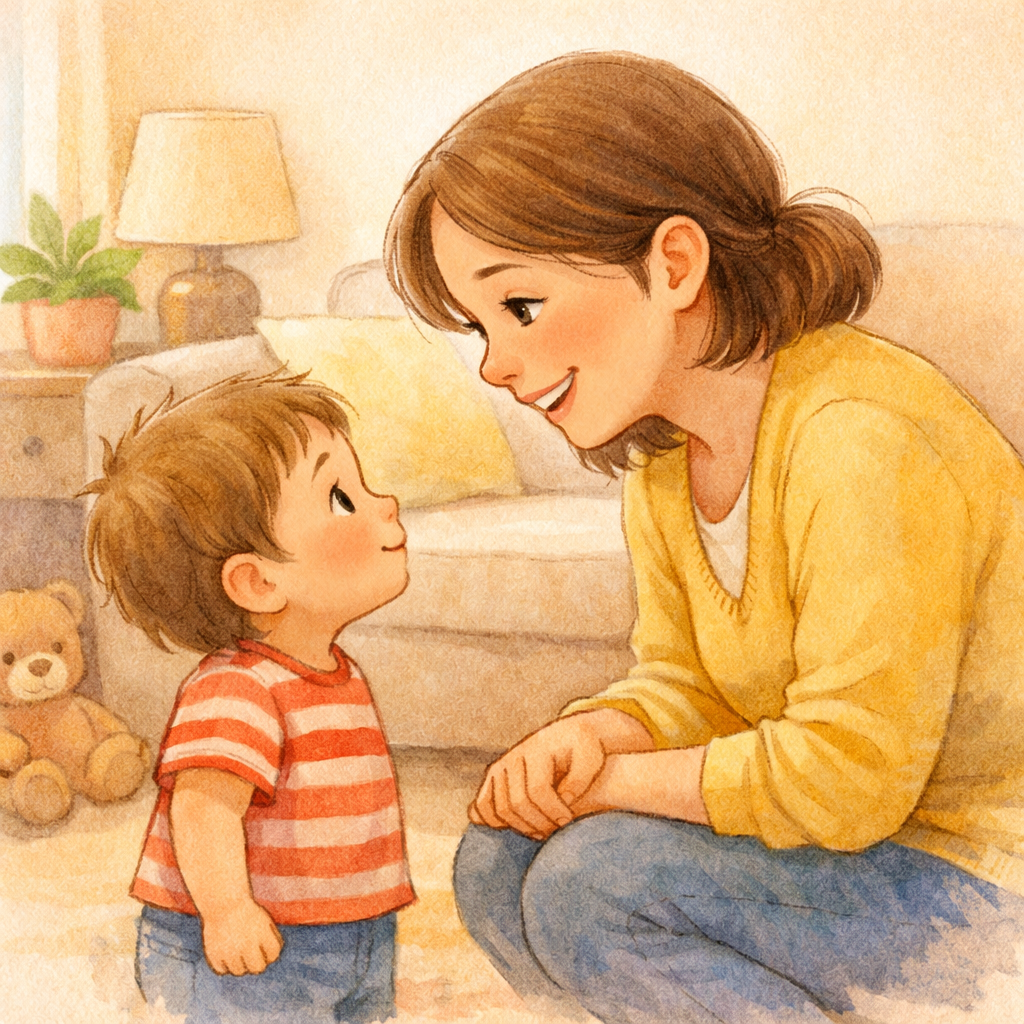
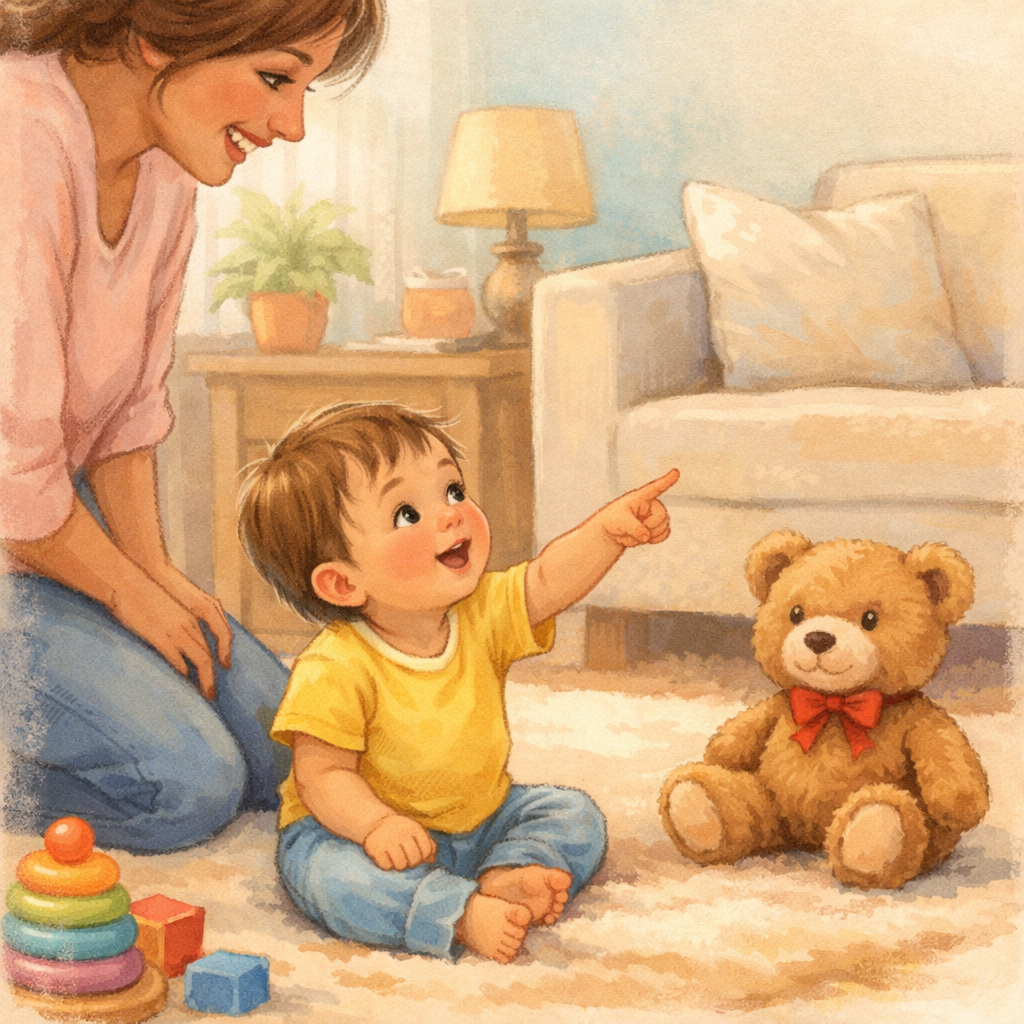
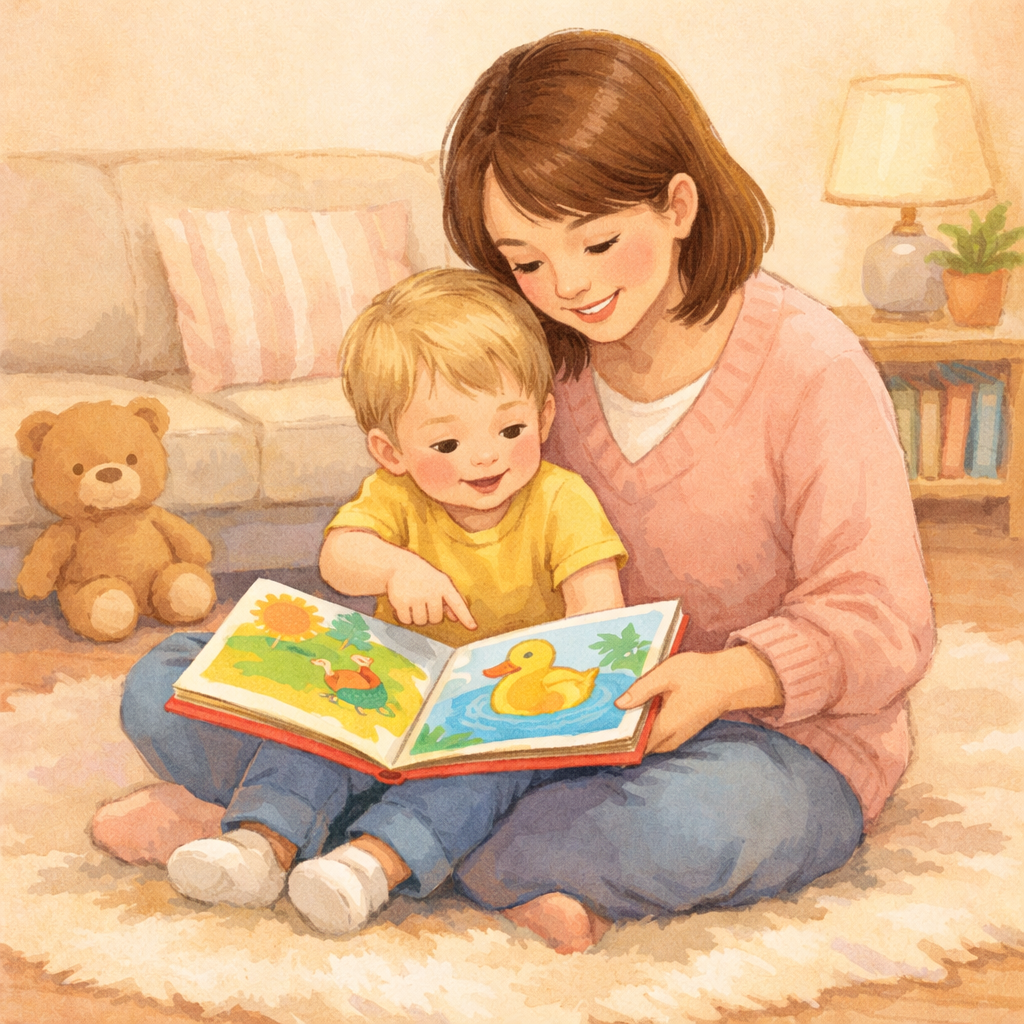
Parent speaking gently to a toddler while smiling.

Why Tone of Voice Matters

Tone gives meaning to words.

The same word can feel very different depending on how it is said.

A cheerful “hello” invites connection.
A sharp “no” signals something serious.

Toddlers quickly learn to read these changes.

They use tone to understand:
  • Whether something is safe or unsafe
  • If you are pleased or frustrated
  • When it is time to play or time to stop
  • How to copy emotional expression
When your tone is calm and warm, your child feels secure. That sense of security supports language growth.

Facial Expression Builds Understanding

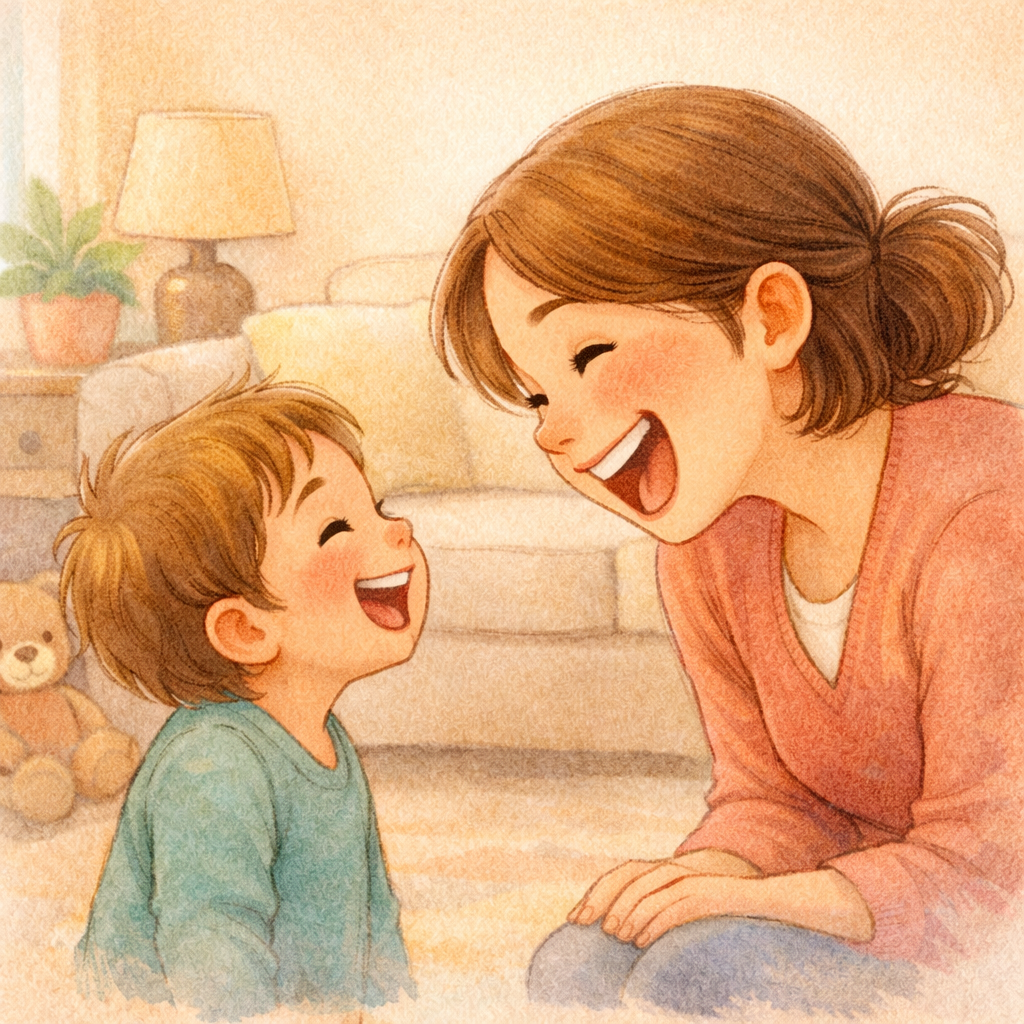
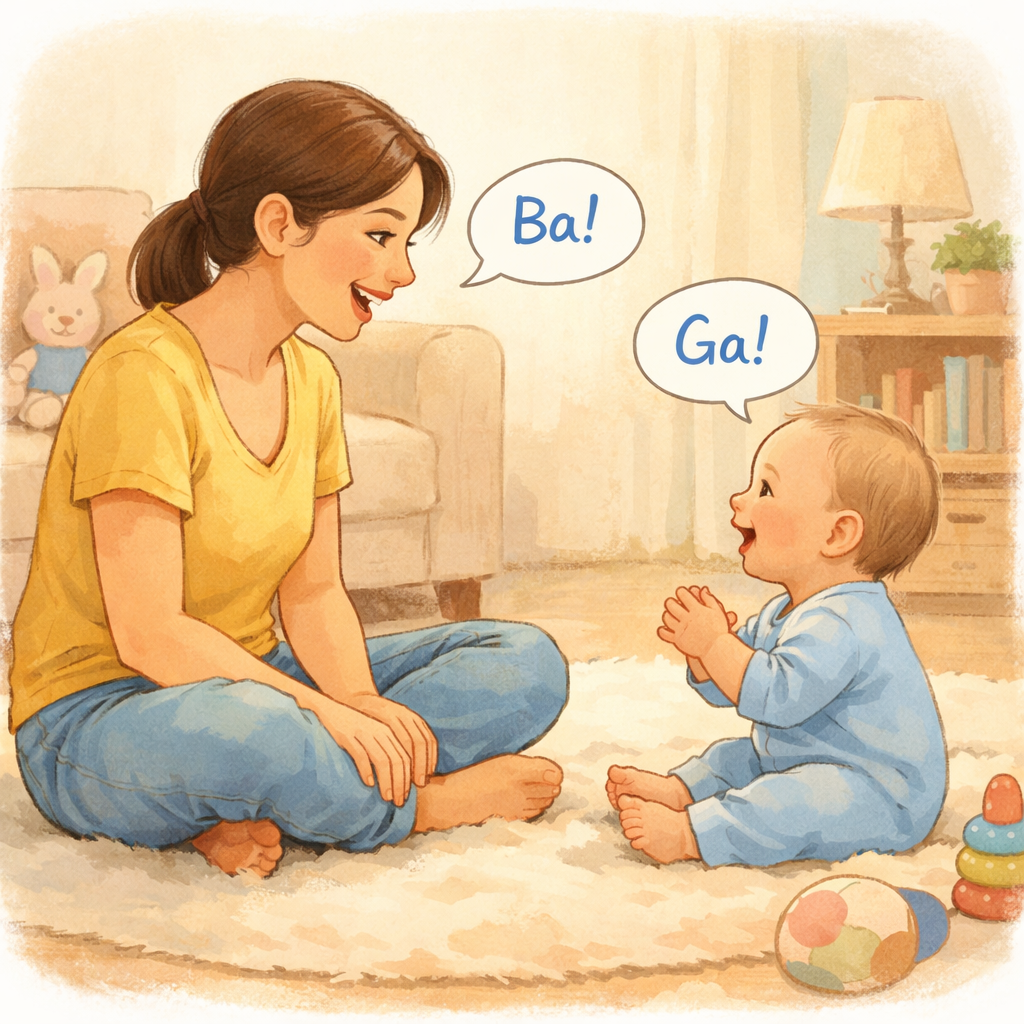
Toddler copying a parent’s happy facial expression.
Babies and toddlers are experts at reading faces.

Before they understand long explanations, they understand smiles, raised eyebrows and gentle eye contact.

Facial expression helps children:
  • Recognise emotions
  • Link feelings to words
  • Learn social cues
  • Develop empathy
When you label emotions alongside expression, for example, “Mummy is happy”, you strengthen both emotional understanding and vocabulary.

How Children Copy Tone and Expression

Toddlers learn by imitation.

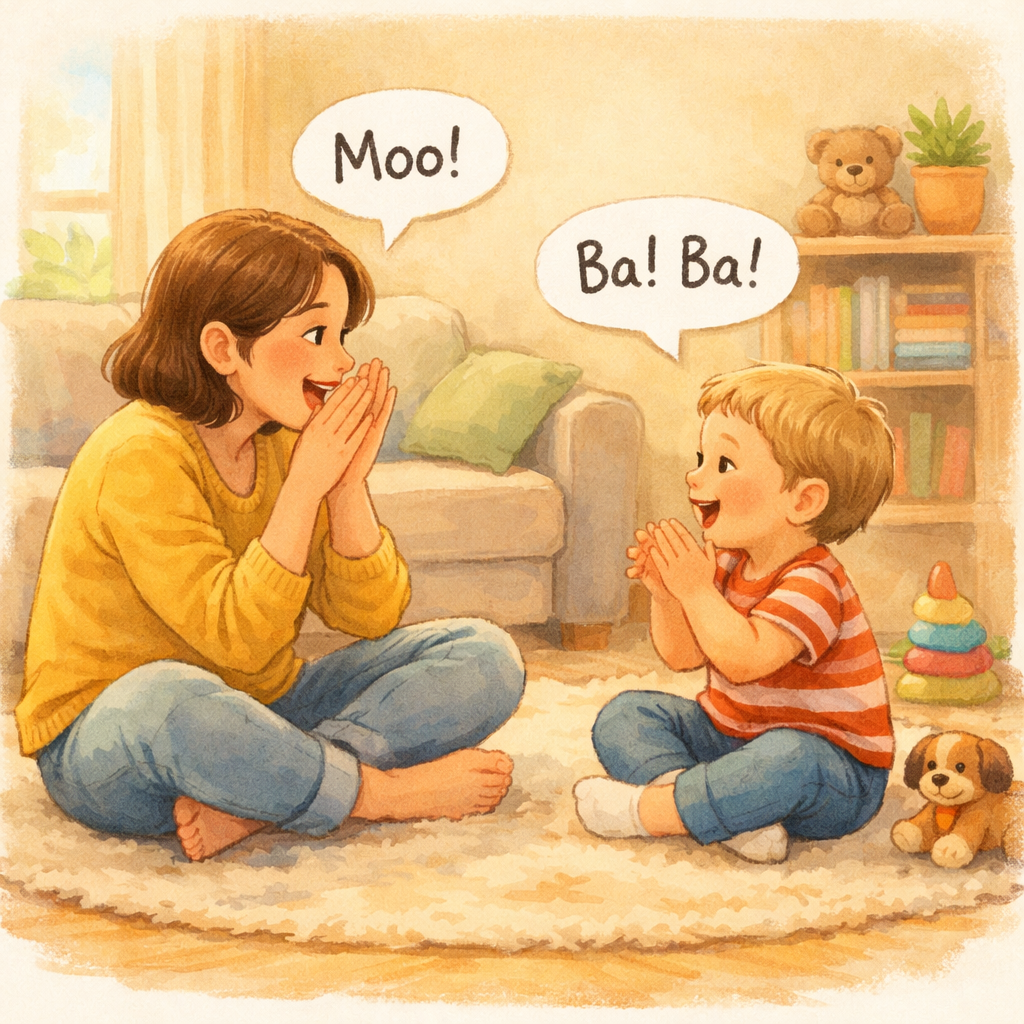
If they hear exaggerated, expressive speech, they are more likely to experiment with sounds themselves.

This does not mean being dramatic all the time. It simply means being expressive enough for them to notice patterns.

You might naturally:
  • Stretch sounds slightly in new words
  • Use playful pitch when reading
  • Show surprise in your voice
  • Smile when praising effort
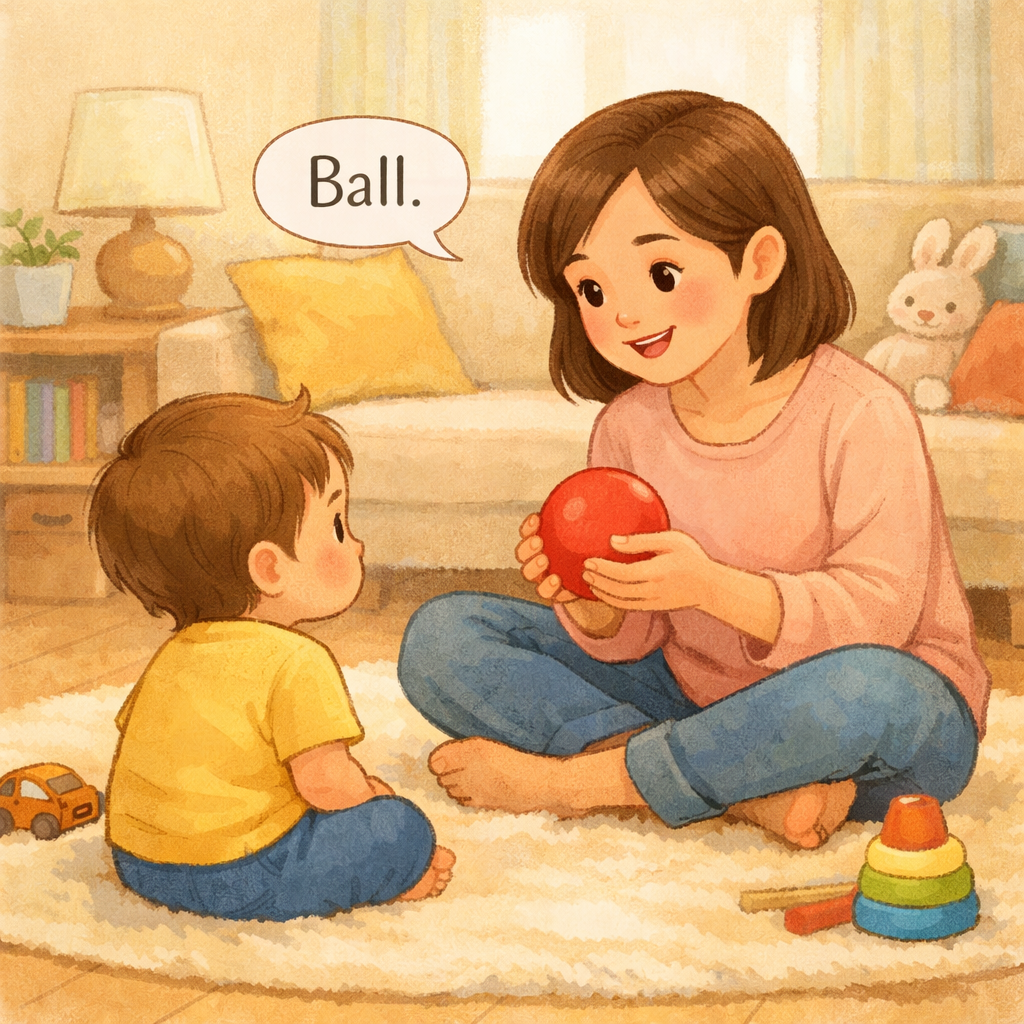
Books with clear pictures and single words make this even easier. You can point, name, and use gentle expression to bring the word to life.

ChattyCubs First Words books are designed with bold, simple images that encourage this kind of expressive interaction.

Simple Ways to Support Tone and Expression at Home

You do not need to “perform”.

Small adjustments make a big difference.

Get down to their level

Eye contact helps your child see your expression clearly.

Slow your speech slightly

A small pause gives them time to process both words and tone.

Use everyday moments

Bath time, snack time and story time are perfect for expressive language.

Match tone to meaning

Keep praise warm and clear. Keep boundaries calm and firm.

Consistency helps toddlers feel secure and understand emotional cues.

When to Be Mindful

Every parent has tired days.

If your tone feels sharper than you would like, do not worry. Repairing is powerful.

A simple, calm follow-up such as, “Mummy was feeling cross. I’m calm now,” teaches emotional regulation.

Children learn just as much from repair as they do from perfection.

Tone, Expression and First Words

Early words are not just labels.

They are wrapped in emotion.

When a toddler says “dog” with excitement, they are copying the tone they have heard.

That expressive back-and-forth builds confidence.

If you would like to explore how early communication develops more broadly, visit the main Speech and Communication page for practical guidance across every stage.

Small moments of warmth, eye contact and expressive language add up.

You are already teaching far more than you realise.
Newsletter

Join our Early Readers Club for fun learning tips, sneak peeks at new books, and free printable activities!
ChattyCubs™ 2026 All Rights Reserved.