No products in the basket.
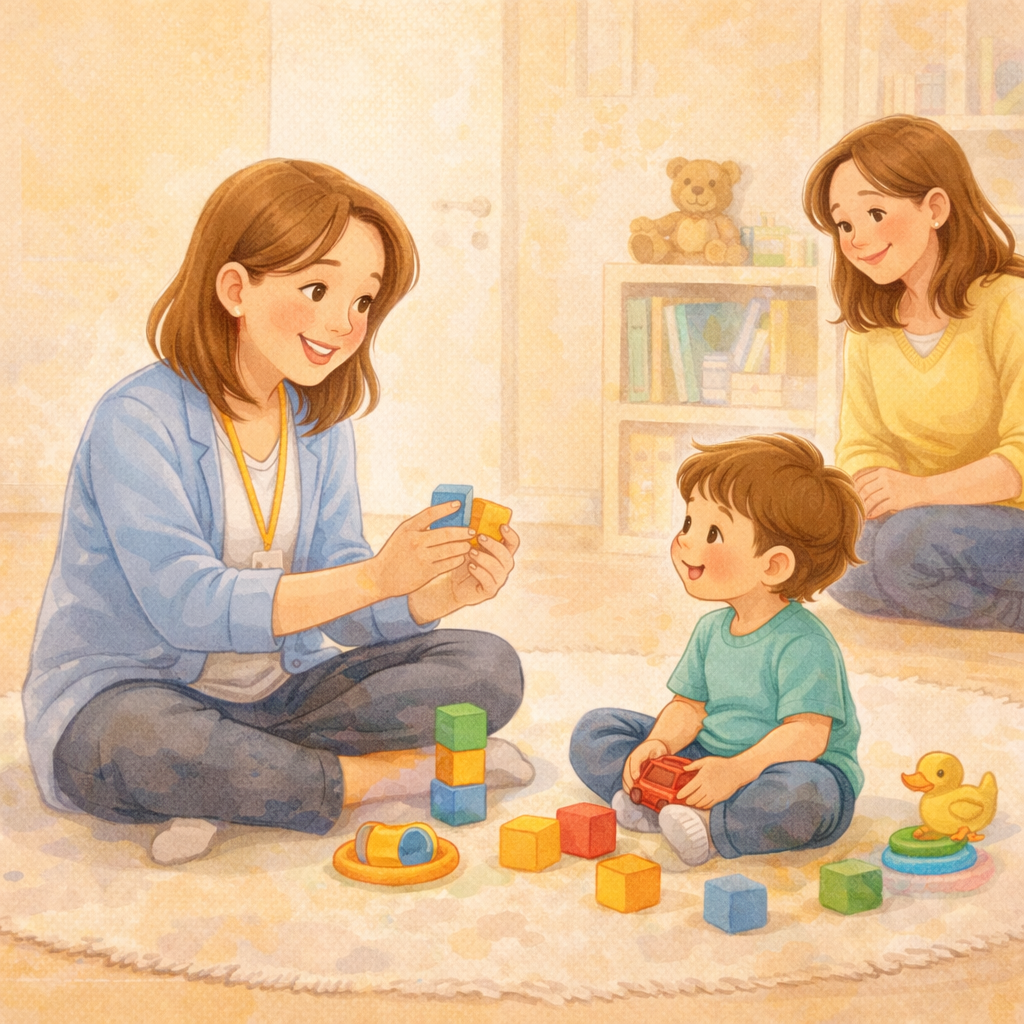
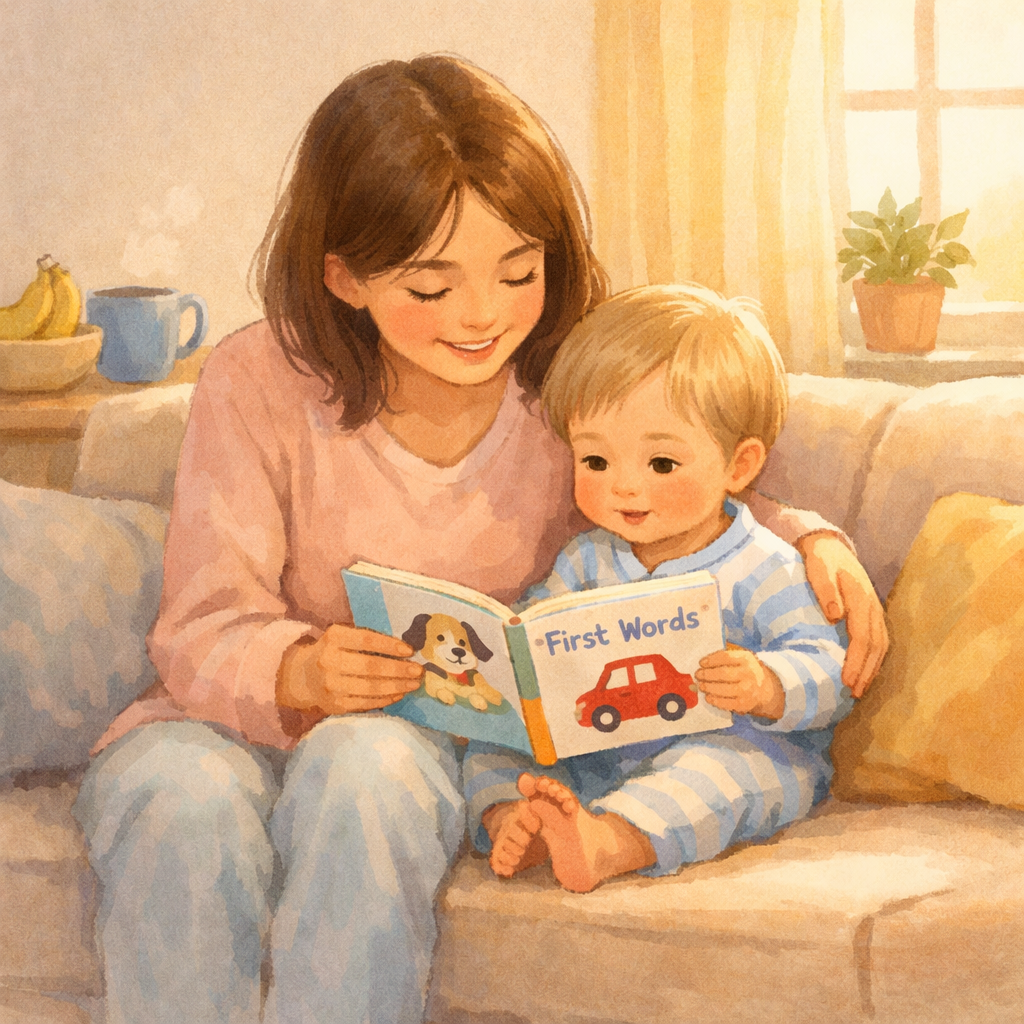
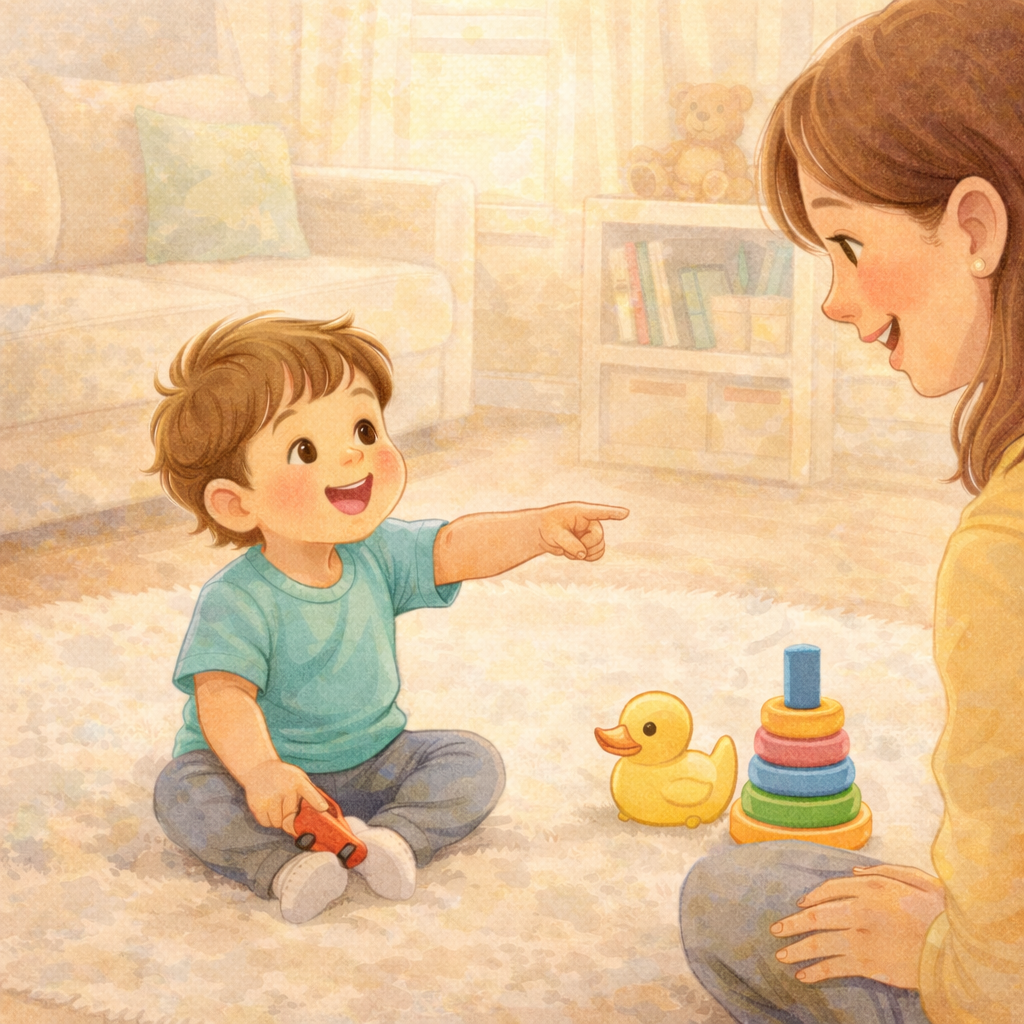
NHS developmental guidance explains that children often understand far more words than they can say, especially in the early years. Even if your toddler isn’t talking much yet, their understanding is still growing. Learn more on the NHS language development page.
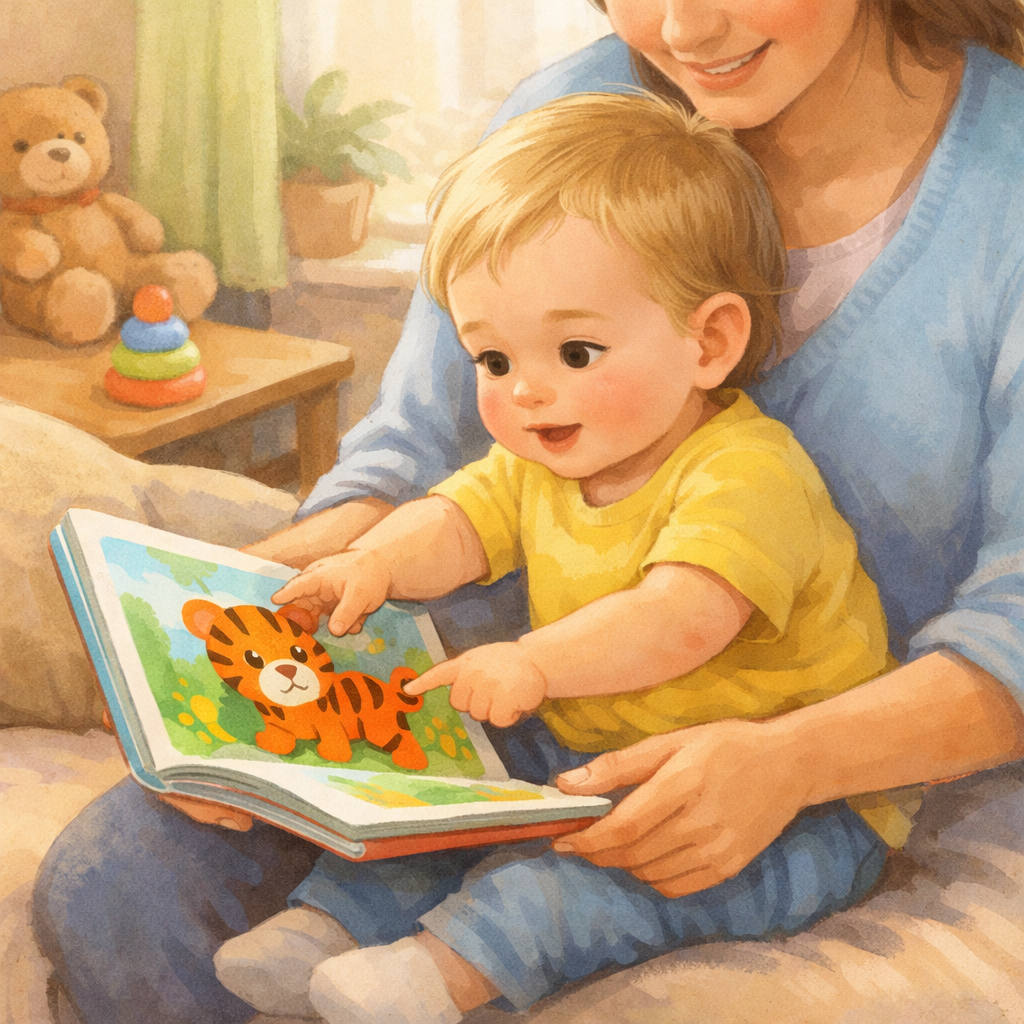
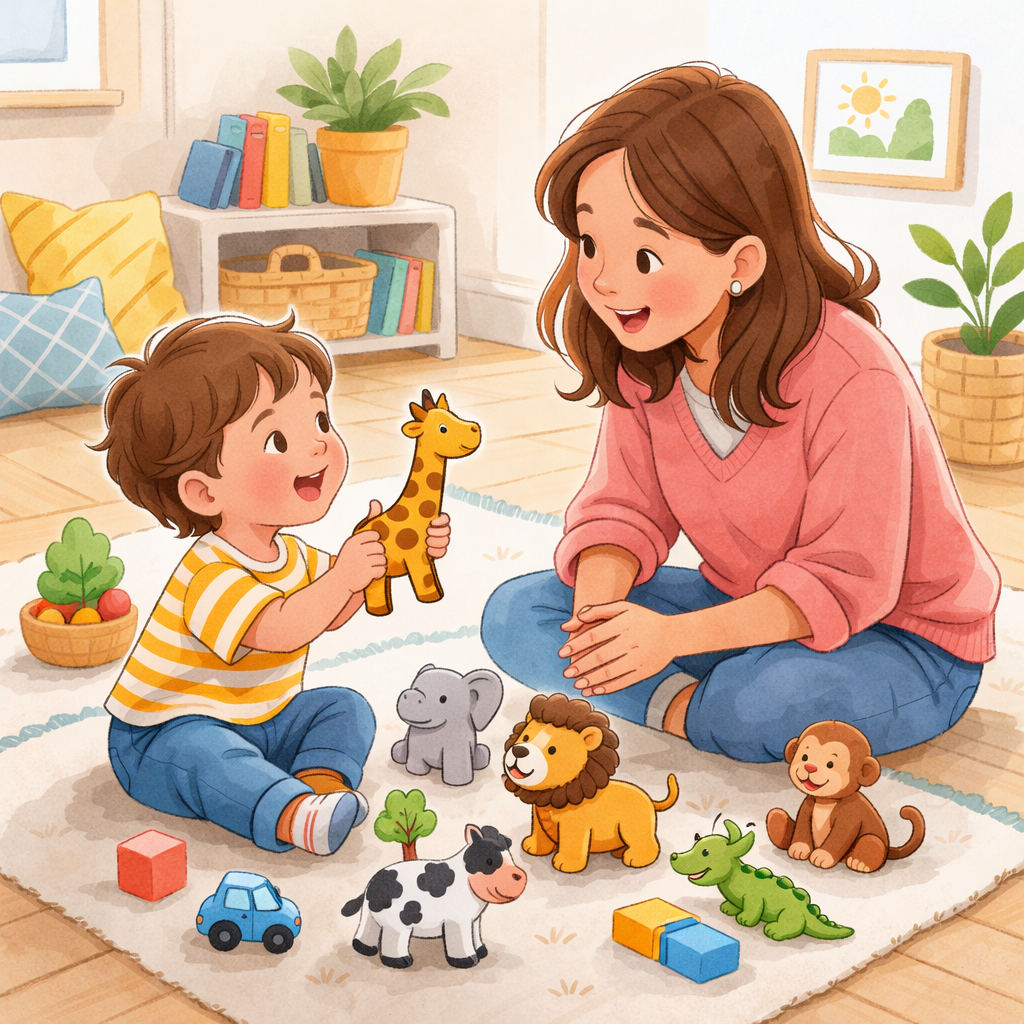
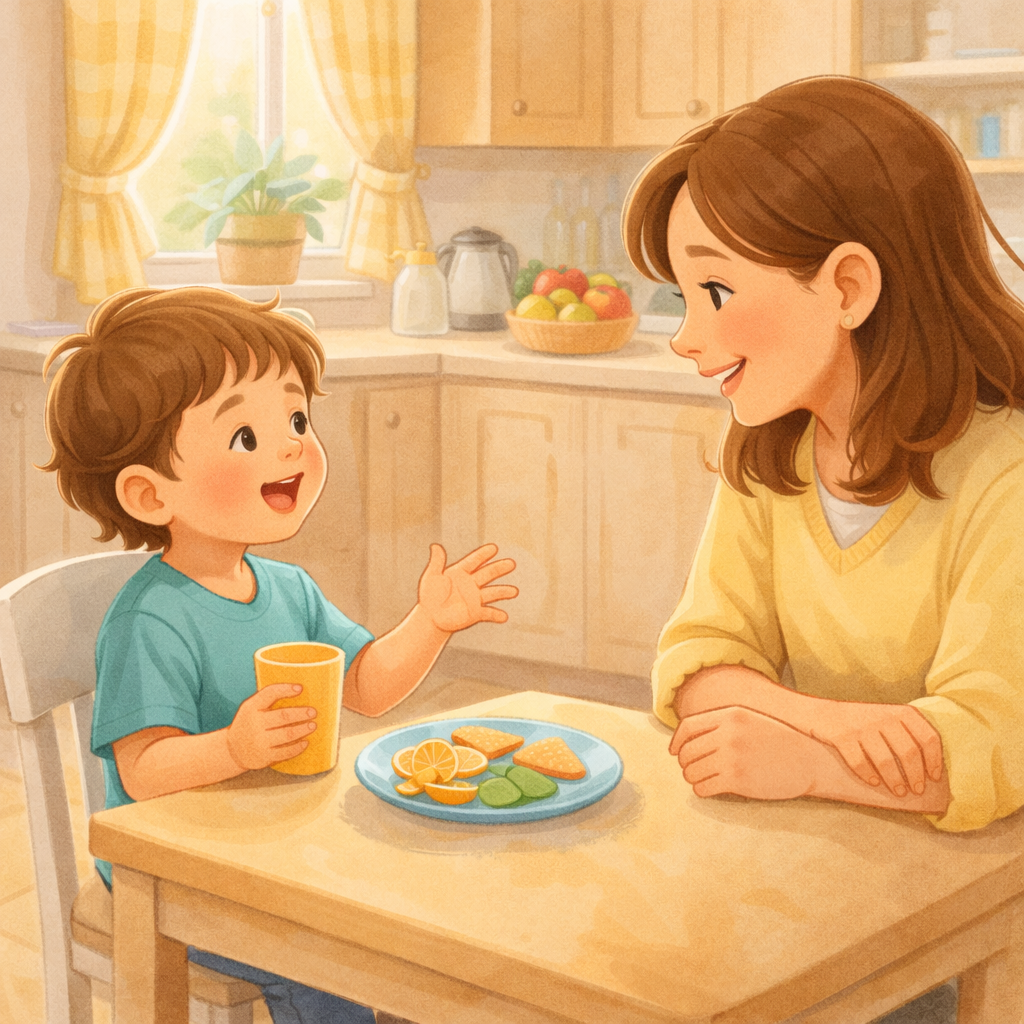
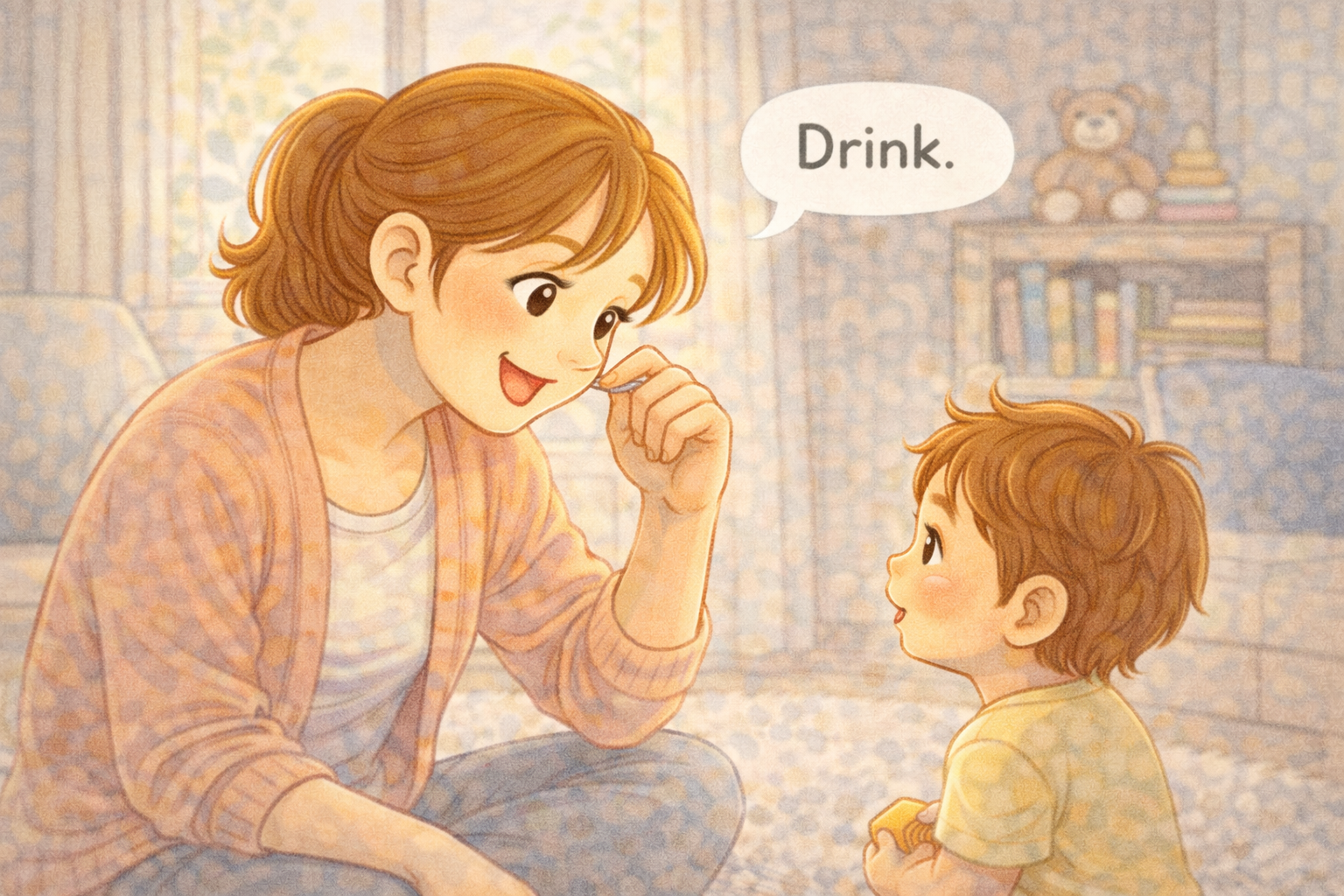
Yes, very often they do. In the early years, understanding usually grows before spoken language does. A toddler may recognise familiar words, follow simple instructions, respond to names of favourite objects, or show understanding through gestures long before they can say many words clearly. This can be reassuring for parents because it shows language is still developing beneath the surface. Looking at understanding as well as speech gives a fuller picture of progress and can help you notice strengths even when spoken words are still limited.
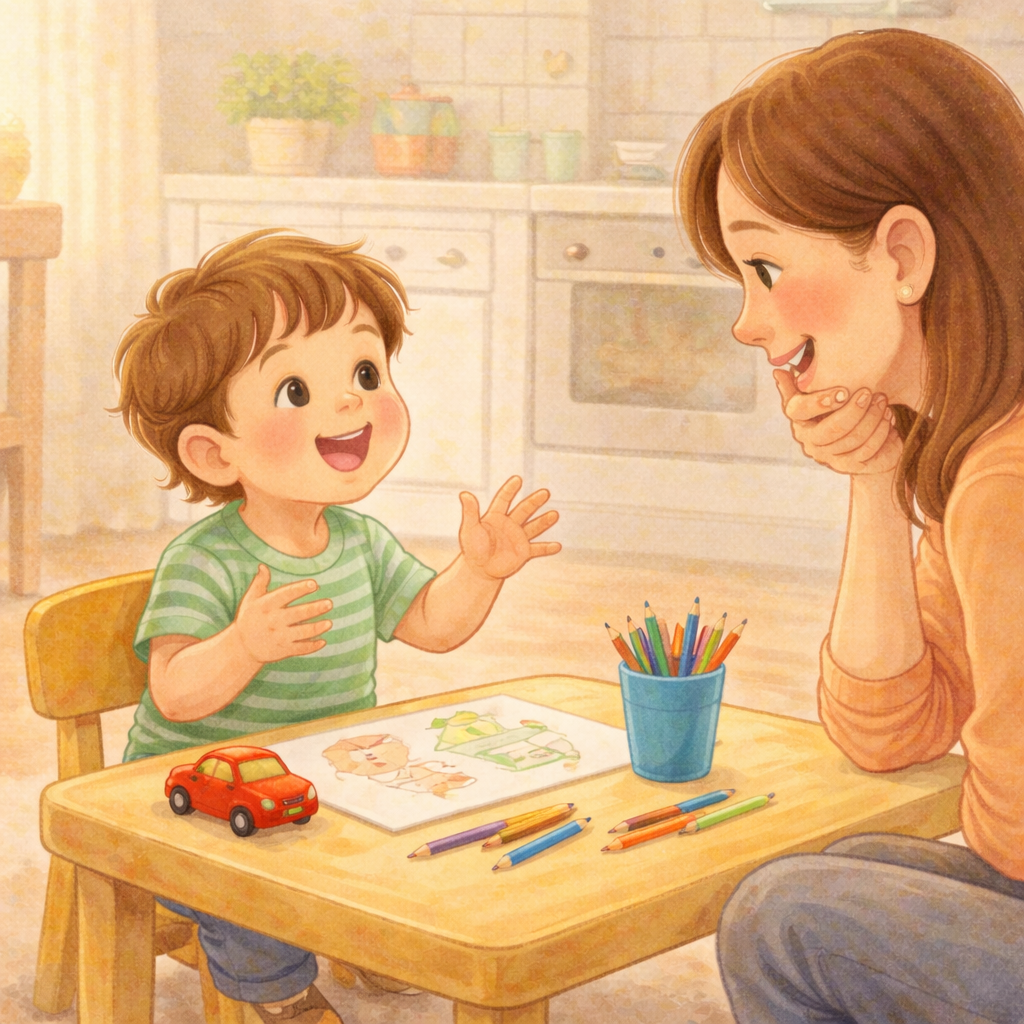
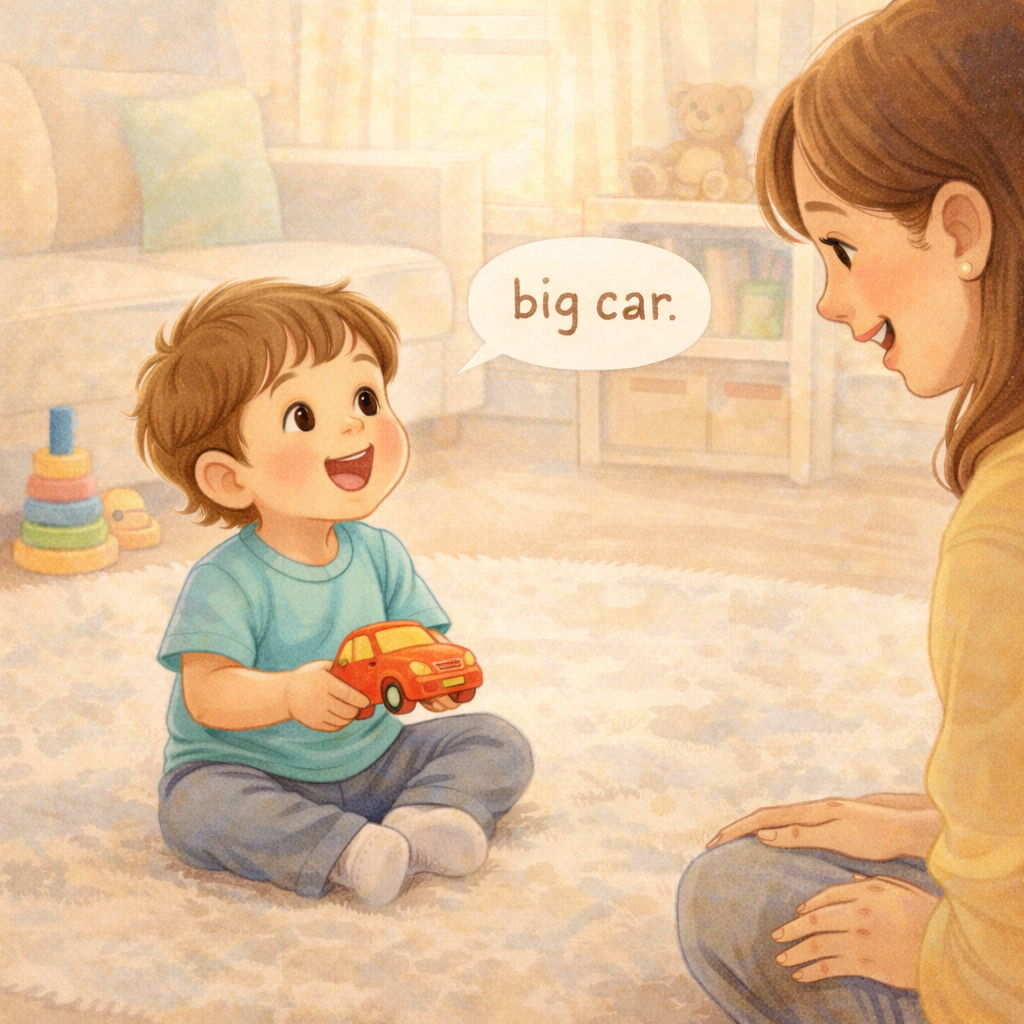
There is a wide range of normal, but many toddlers around age 2 are beginning to use a growing vocabulary and may start combining two words together. Some children are chatty early, while others build language more gradually. Rather than focusing only on one number, it is often more helpful to look at whether your child is making progress over time, understanding everyday language, using gestures, and trying to communicate in different ways. Steady progress and growing interaction are usually the most useful signs to watch for.
Yes, language development is often uneven. A child might understand a lot but say very little, or suddenly start using more words after a quieter period. Some children focus first on sounds, others on gestures, and others on single words they use again and again. Uneven progress does not always mean something is wrong. What matters more is whether communication is moving forward over time and whether your child is engaging, responding, and finding ways to connect with people around them.
Parents often seek advice when a child is not using many words, is not making steady progress, seems hard to engage, does not respond consistently, or becomes frustrated when trying to communicate. Delays can show up in different ways, so it is helpful to think about speech, understanding, gestures, play, and social interaction together. You do not need to diagnose anything yourself. If you are concerned, asking a GP, health visitor, or speech and language professional for advice can help you understand what to watch and what support may be useful.
It is natural to notice what other children are doing, but comparisons can sometimes add stress more than clarity. Children develop at different speeds, and one child being very verbal does not mean another child is falling behind in a meaningful way. It is often more useful to compare your child with their own earlier progress. Are they understanding more, using more sounds, pointing more, or trying to communicate more than they were a few months ago? That kind of progress usually tells you more than side-by-side comparison with another child.
Important: This page is for general information only and does not replace professional advice. Please read our Editorial Policy & Disclaimer.