ChattyCubs
£0.00 0

Basket

No products in the basket.

Routines & Environments

Routines & Environments

Toddlers thrive on rhythm.

They do not need strict schedules or perfectly styled homes.

They need predictability, calm guidance and simple spaces that help them focus.

This pillar will guide you through creating routines and environments that gently support language, confidence and early learning.

Why Routines Matter for Toddlers

When toddlers know what comes next, they feel secure.

Security builds cooperation.

And cooperation creates space for learning.

Predictable routines help to:
  • Reduce overwhelm and meltdowns
  • Strengthen language through repetition
  • Build independence
  • Deepen parent–child connection
Every repeated phrase becomes a learning opportunity.

“Shoes on.”

“Bath time.”

“Story next.”

Those small, consistent words build understanding over time.

If you would like practical examples, explore Daily Routines That Teach Words.

Creating a Language-Rich Home

Language grows best in calm, connected spaces.

You do not need posters on every wall.

You need everyday conversation woven naturally into daily life.

Start here:
These pages show how ordinary moments become powerful language builders.
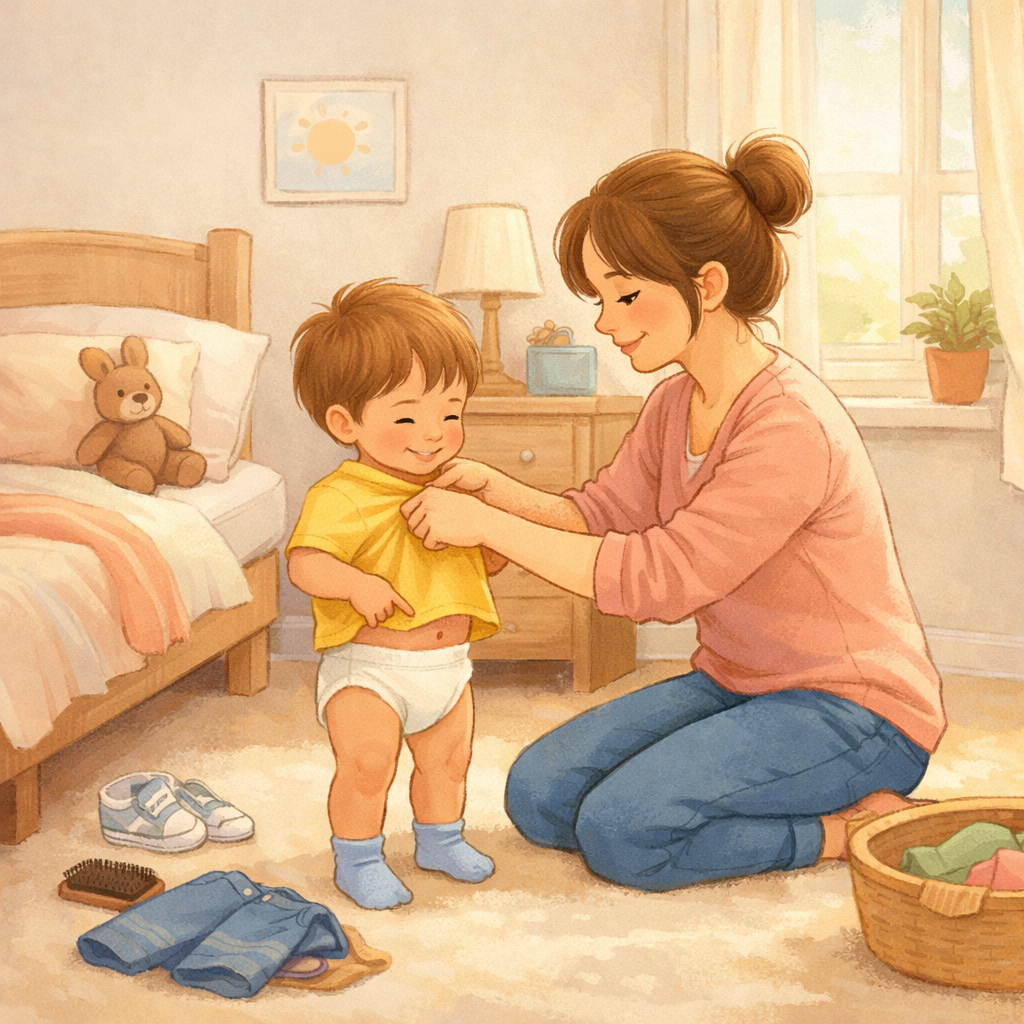
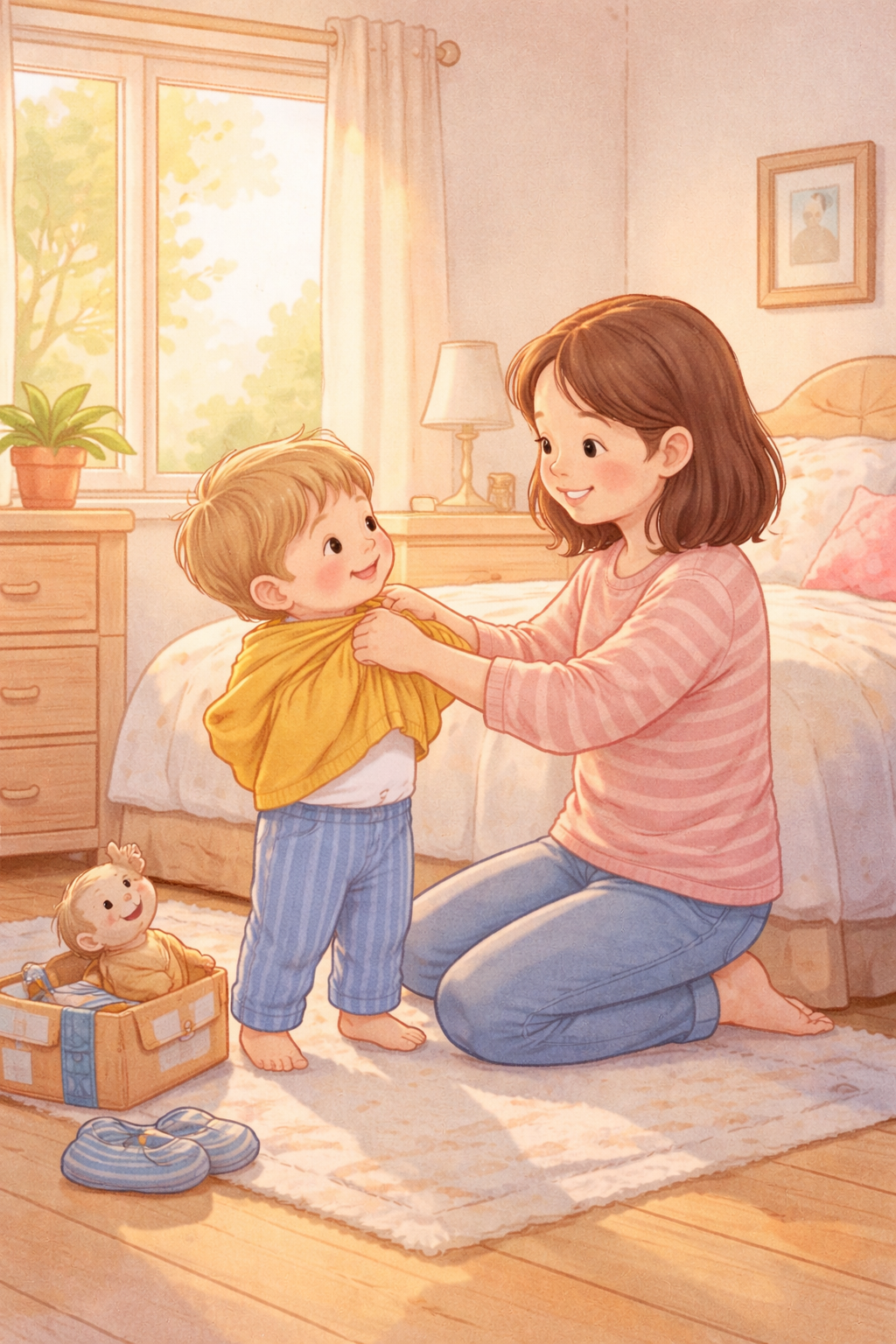
Parent helping toddler get dressed during a calm morning routine.

Designing Toddler-Friendly Spaces

The environment shapes attention.

A cluttered space often leads to scattered play.

A calm space encourages focus and deeper conversation.

Simple adjustments make a difference:
  • Low shelves for independence
  • Small toy groupings instead of large piles
  • Books displayed facing forward
  • A cosy reading corner
You can explore specific setup ideas here:
Even small changes create calmer play.

Supporting Early Print Awareness

Print does not need to feel formal.

Toddlers simply need exposure.

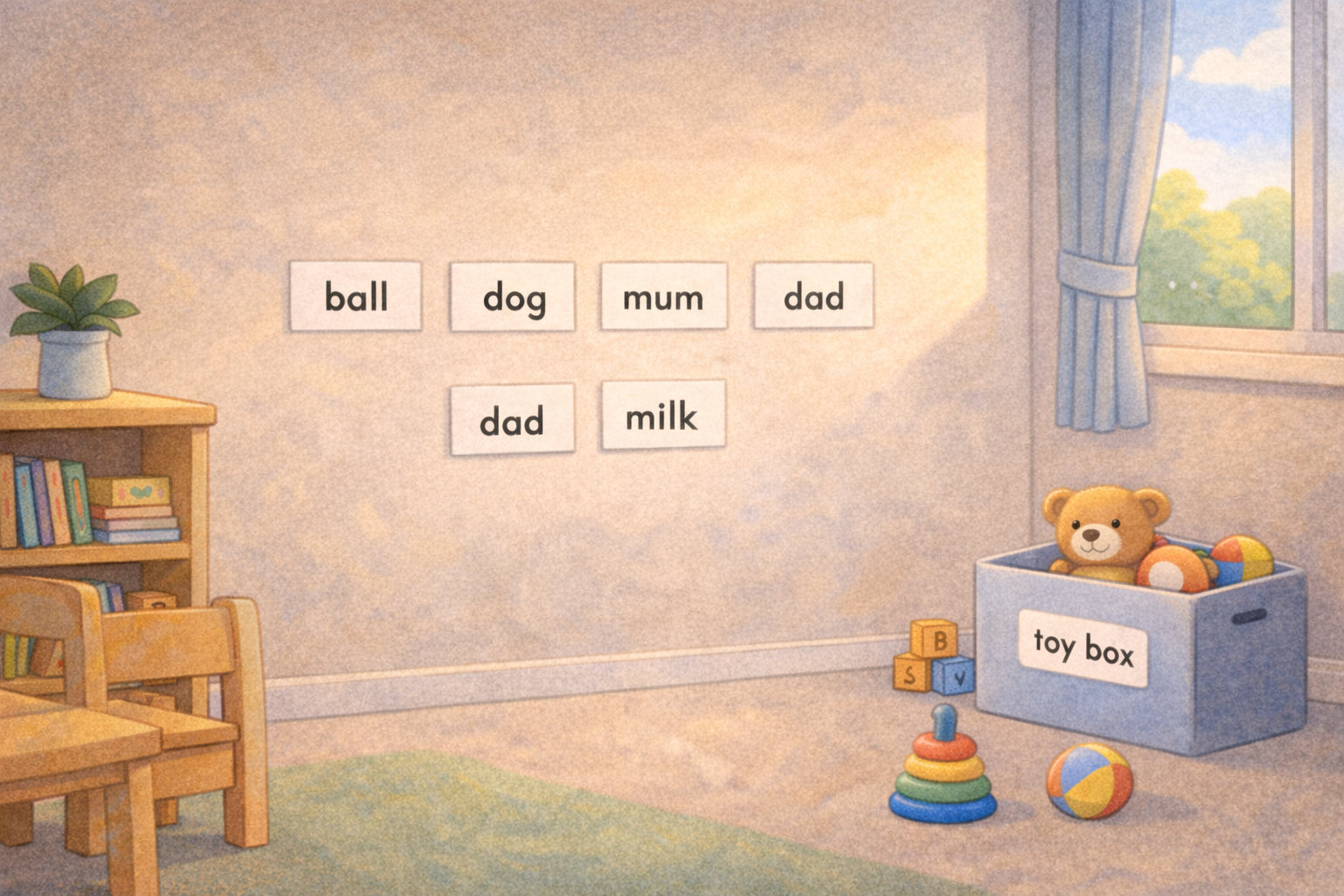
Seeing words in meaningful contexts builds familiarity.

You can start with:
These gentle strategies help books and words feel part of everyday life.
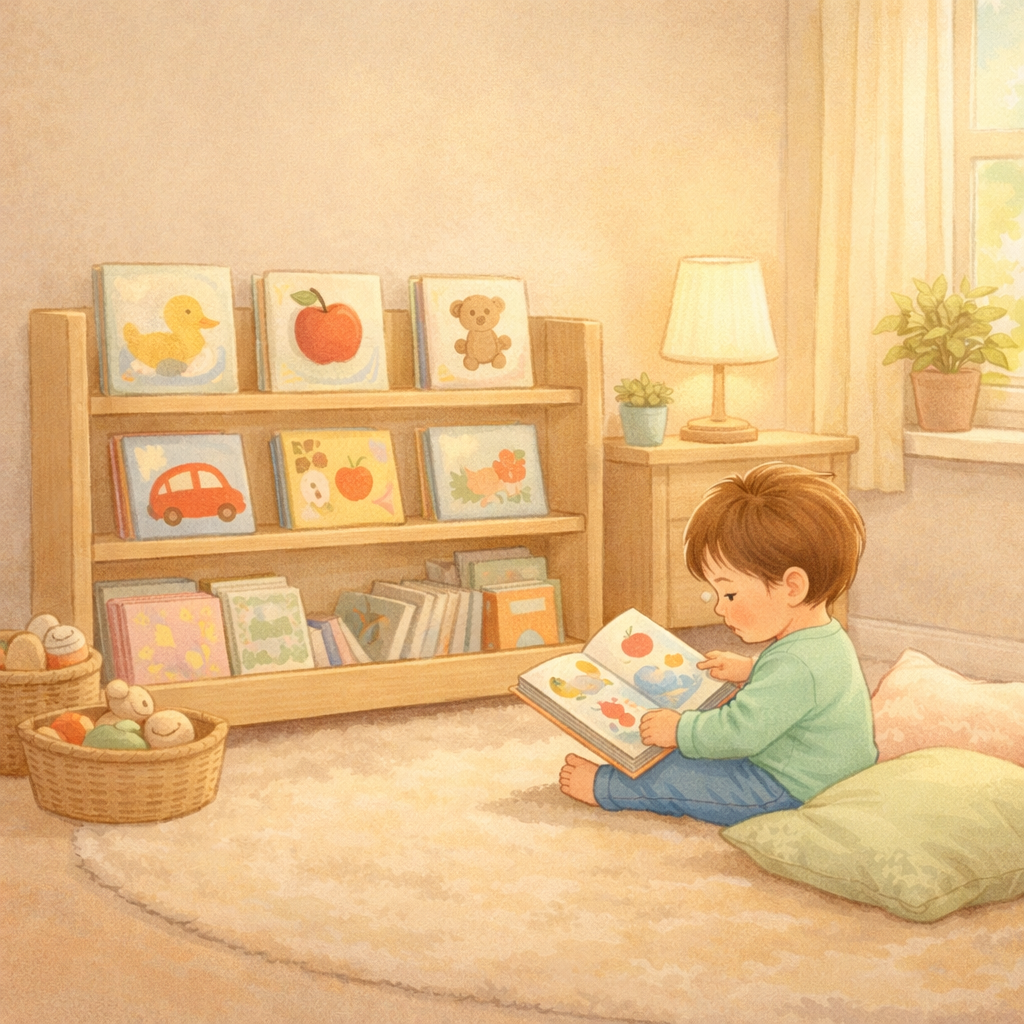
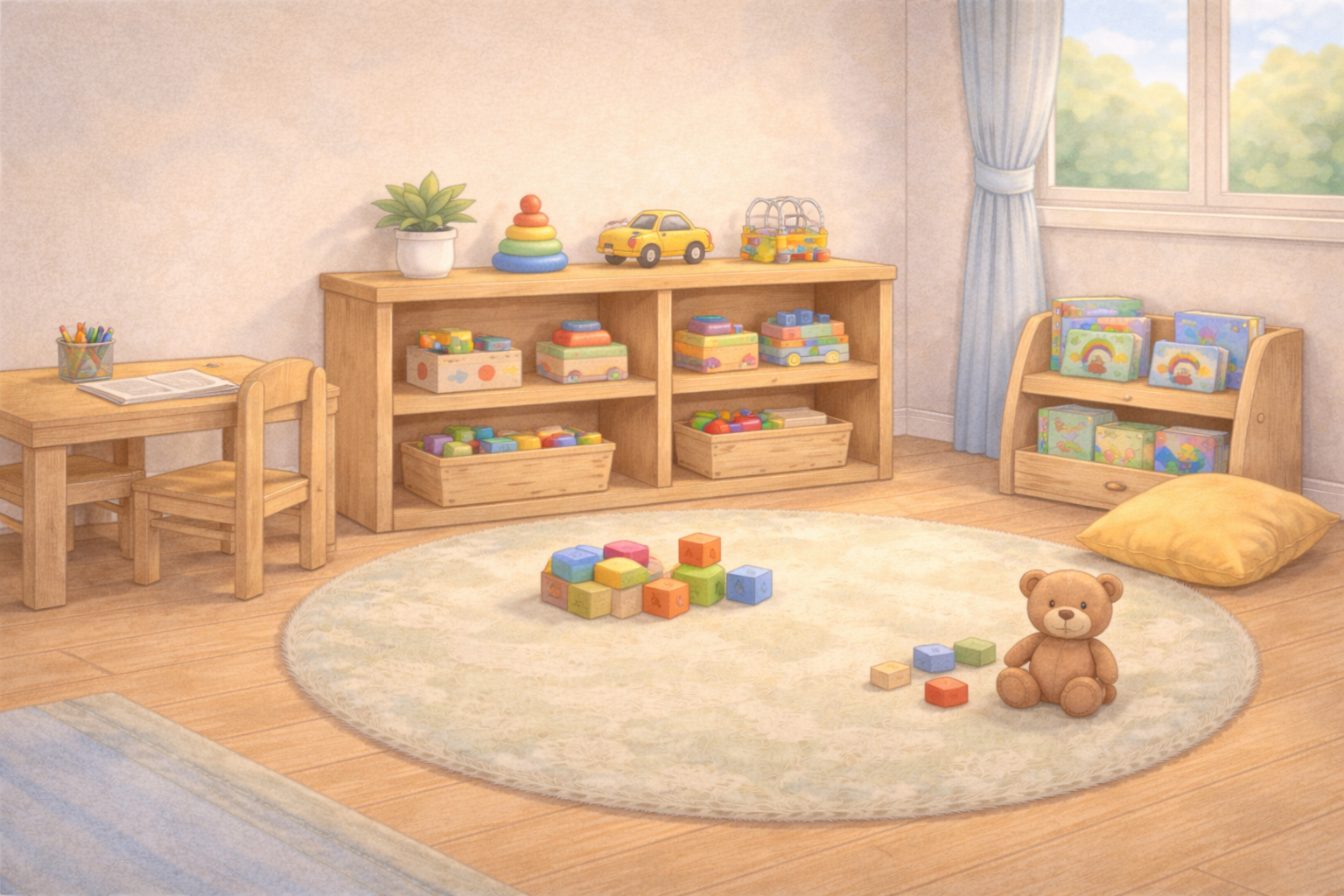
Simple toddler reading corner with low shelves and cushions.

Using Routine Moments for Vocabulary

The strongest learning happens during real tasks.

Morning dressing.

Tidying toys.

Preparing food.

Short, repeated phrases during these moments build understanding.

Explore:
Consistency matters more than complexity.

Helping Transitions Feel Easier

Transitions can be challenging for toddlers.

Clear language and predictable sequences reduce resistance.

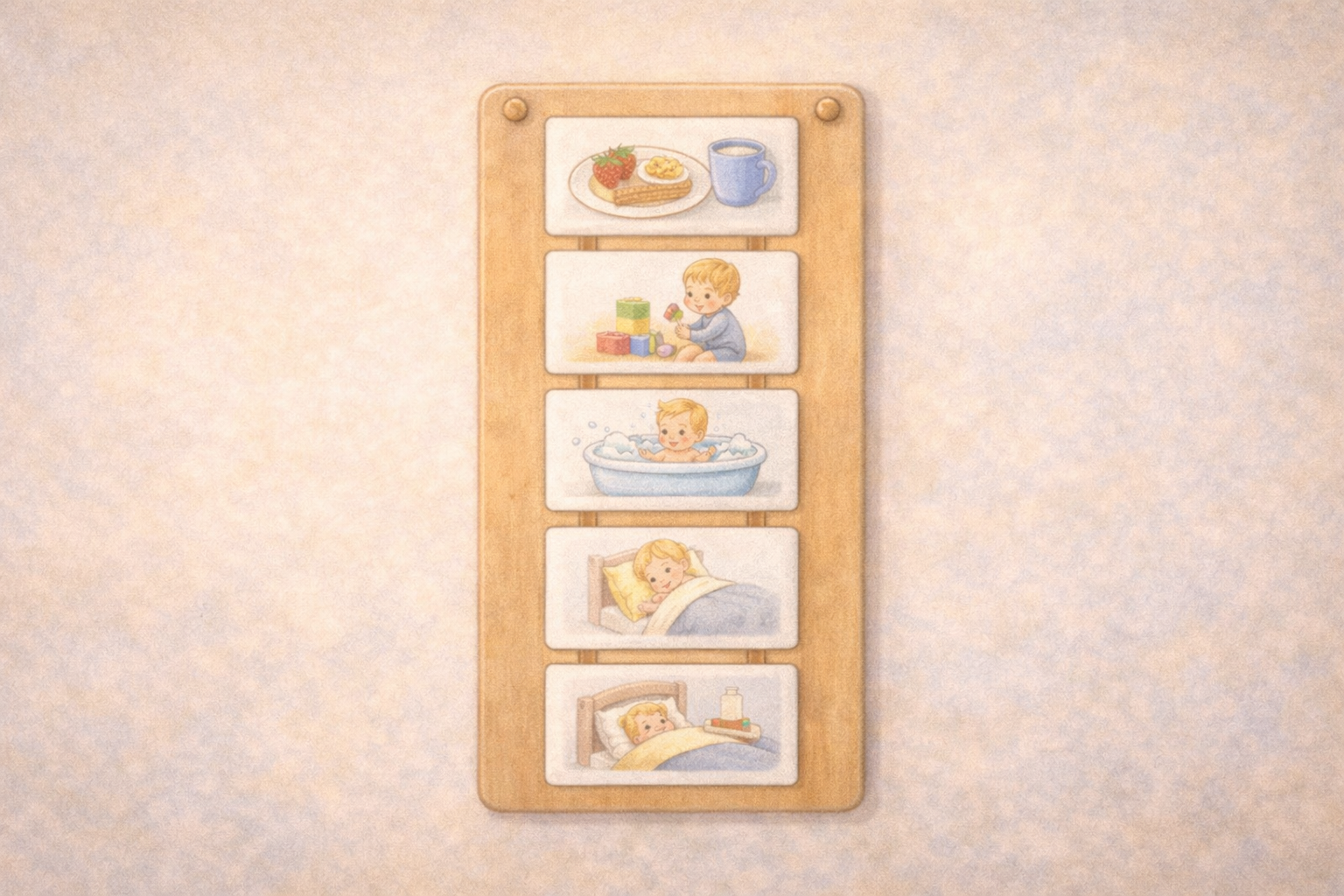
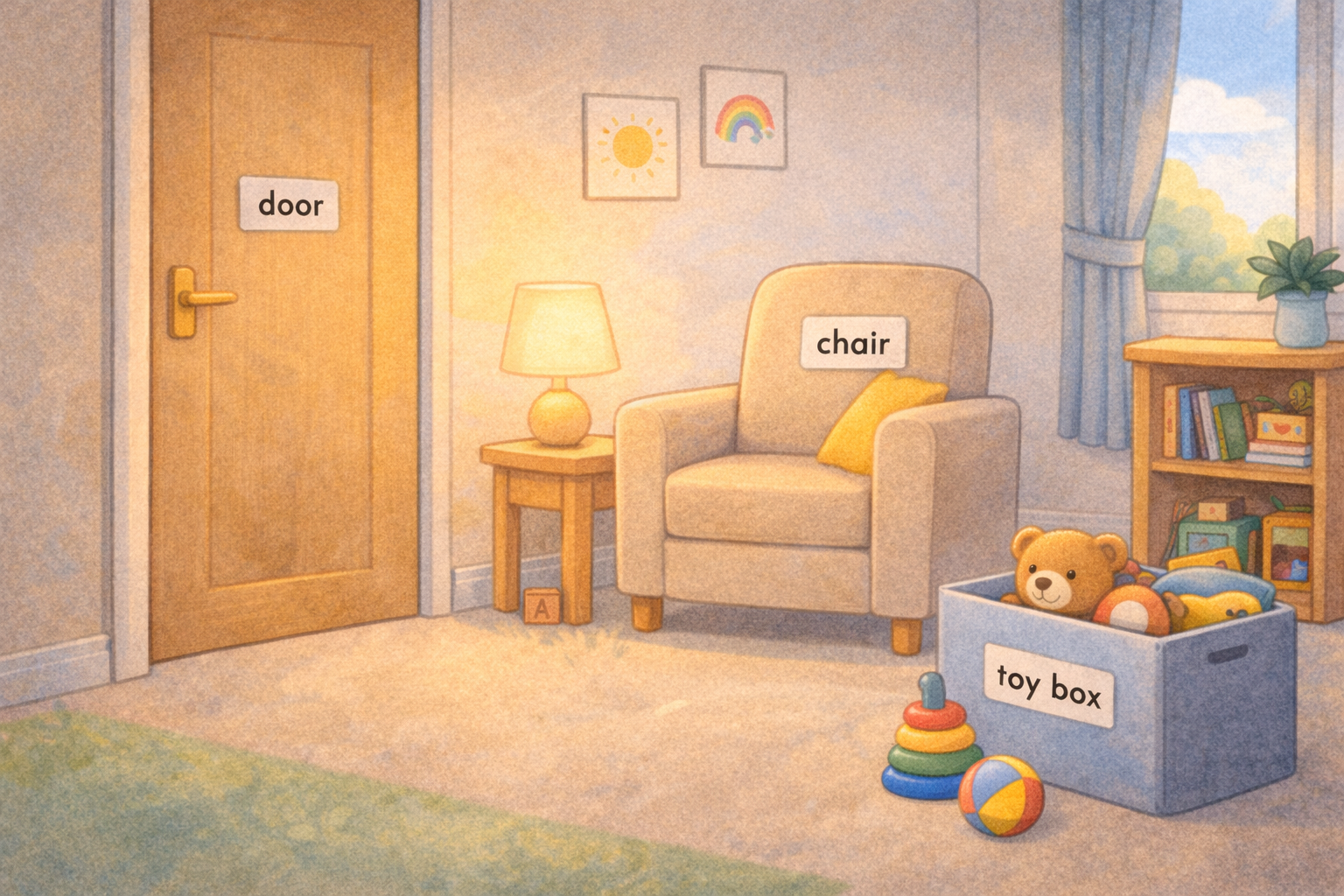
Visual cues also help toddlers understand what is happening next.

You may find these helpful:
Structure builds calm.

Calm builds learning readiness.
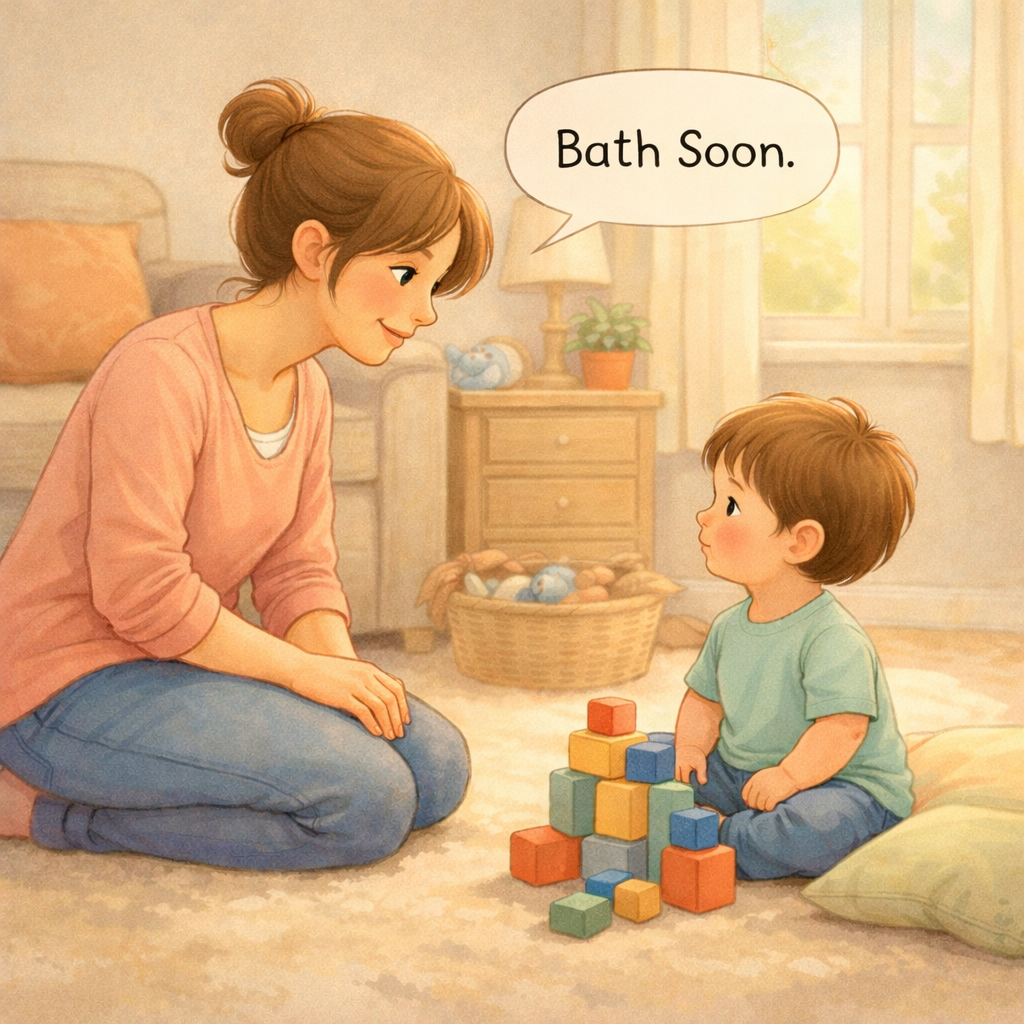
Parent gently warning toddler that bath time is coming soon.

Balance Structure With Flexibility

Routines should support your family.

They should not feel rigid.

Some days will not follow the plan.

That is normal.

The goal is gentle rhythm, not perfection.

Small, steady habits repeated over time create confident learners.

Routines and environments do not need to be complicated.

They simply need to feel safe, predictable and language-rich.

How Books Fit Into Your Routine

Shared reading is one of the easiest routines to build.

It can be:
  • Five minutes after breakfast
  • A short cuddle before nursery
  • Part of bedtime wind-down
Simple, clear picture books work best for toddlers. Books that focus on single images and everyday vocabulary allow you to pause, point and talk naturally.

ChattyCubs First Words books are designed for calm, repeatable moments. Large images and simple layouts help toddlers focus without distraction.

Explore More Support

To build a complete early learning foundation, explore:
Routines do not need to be rigid.

Environments do not need to be perfect.

Small, steady rhythms create confident learners.

Newsletter

Join our Early Readers Club for fun learning tips, sneak peeks at new books, and free printable activities!
ChattyCubs™ 2026 All Rights Reserved.