Before first words, you may hear:
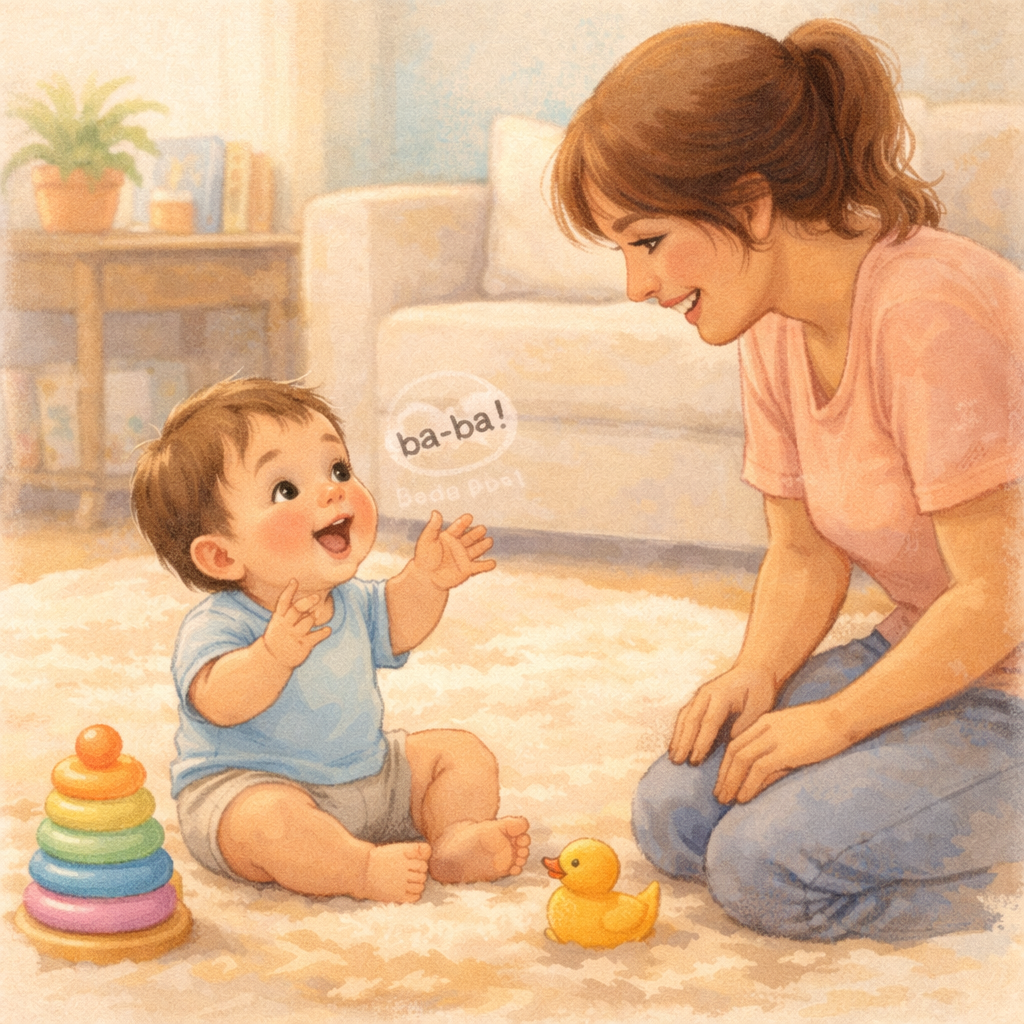
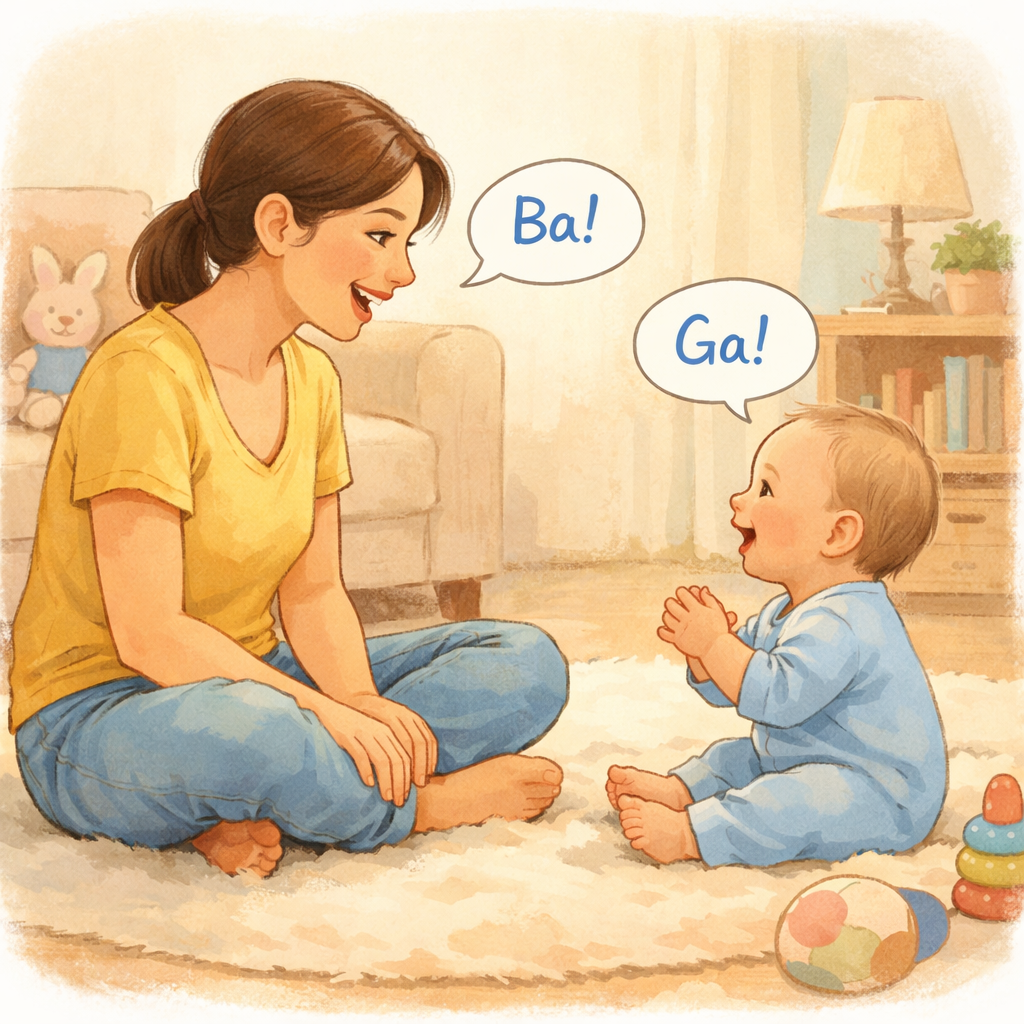
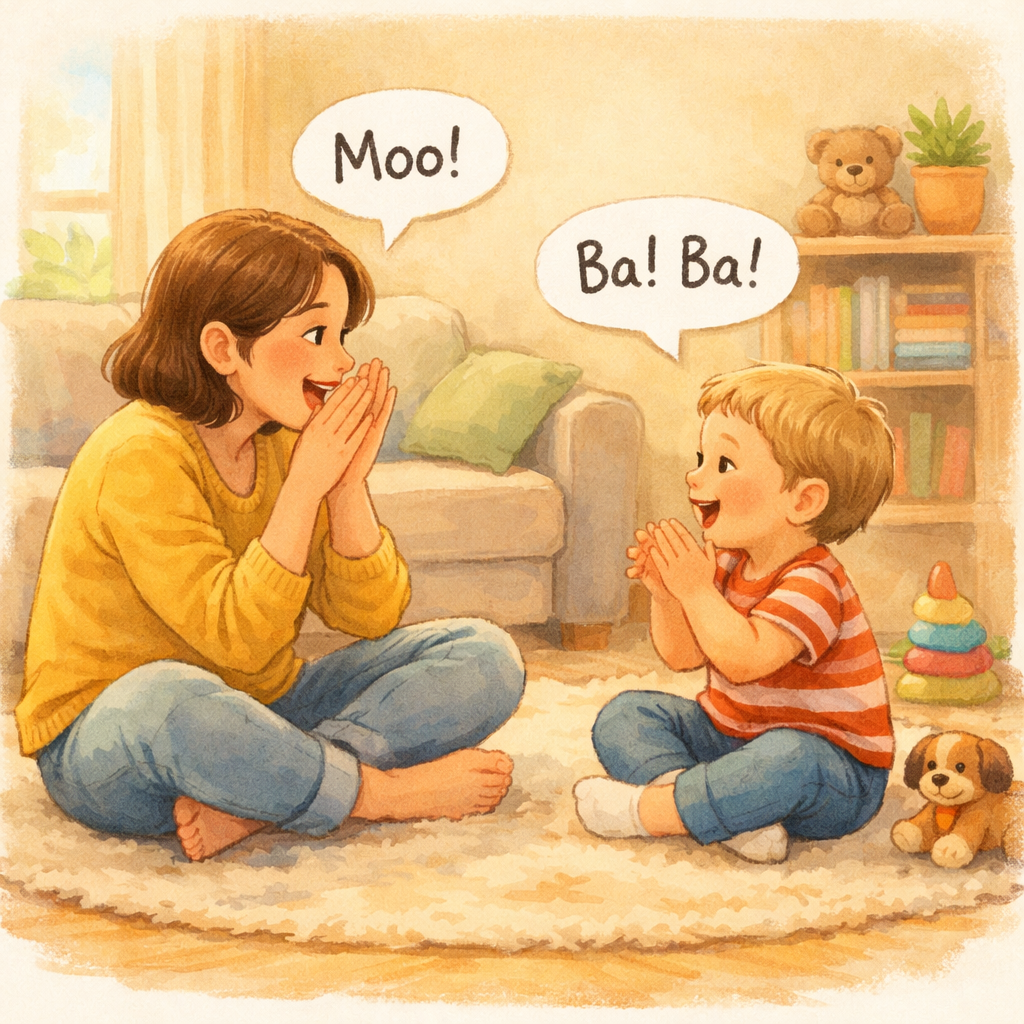
- Babbling like “ba-ba” or “da-da”
- Long strings of sounds with expression
- High-pitched squeals of excitement
- Sound imitation after you speak
This stage is sometimes called vocal play.
Your toddler is practising.
They are learning how their mouth works.
They are experimenting with rhythm and tone.
It may sound like nonsense, but it is progress.
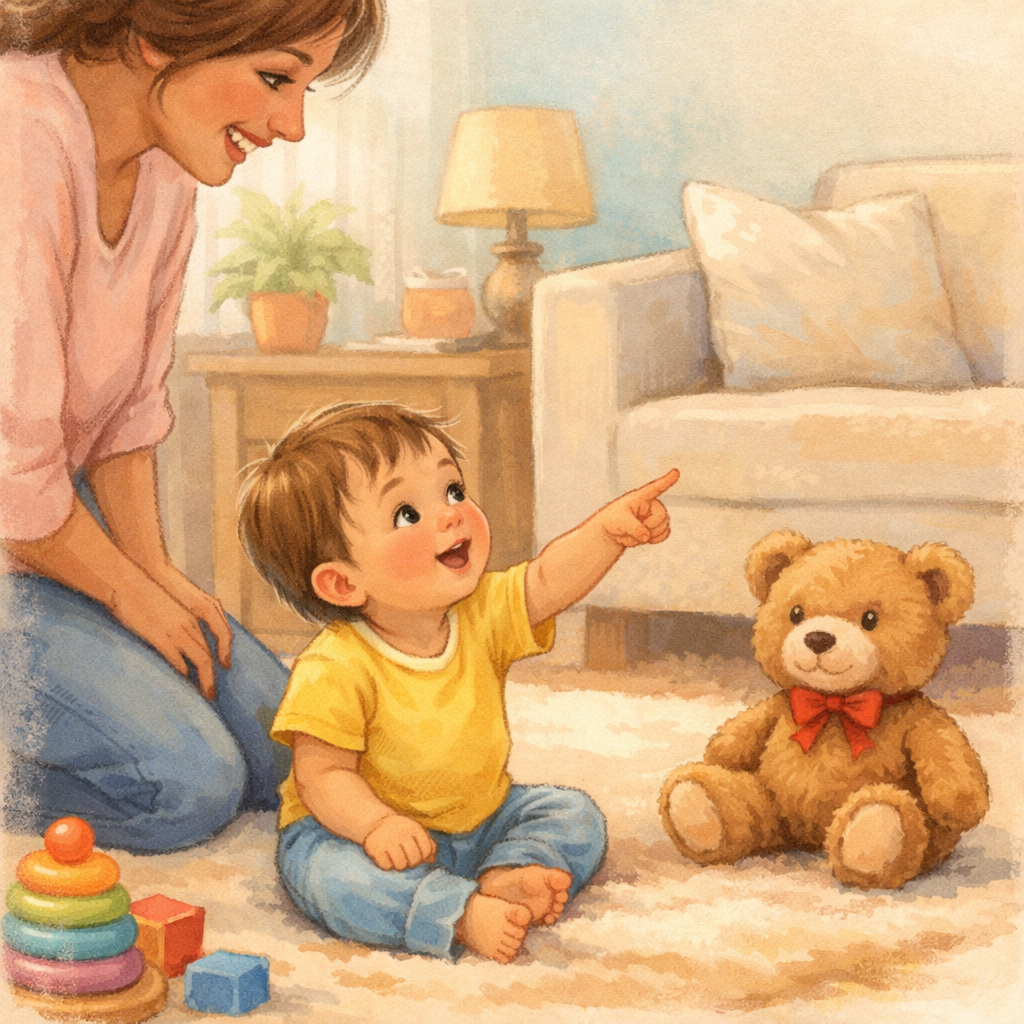
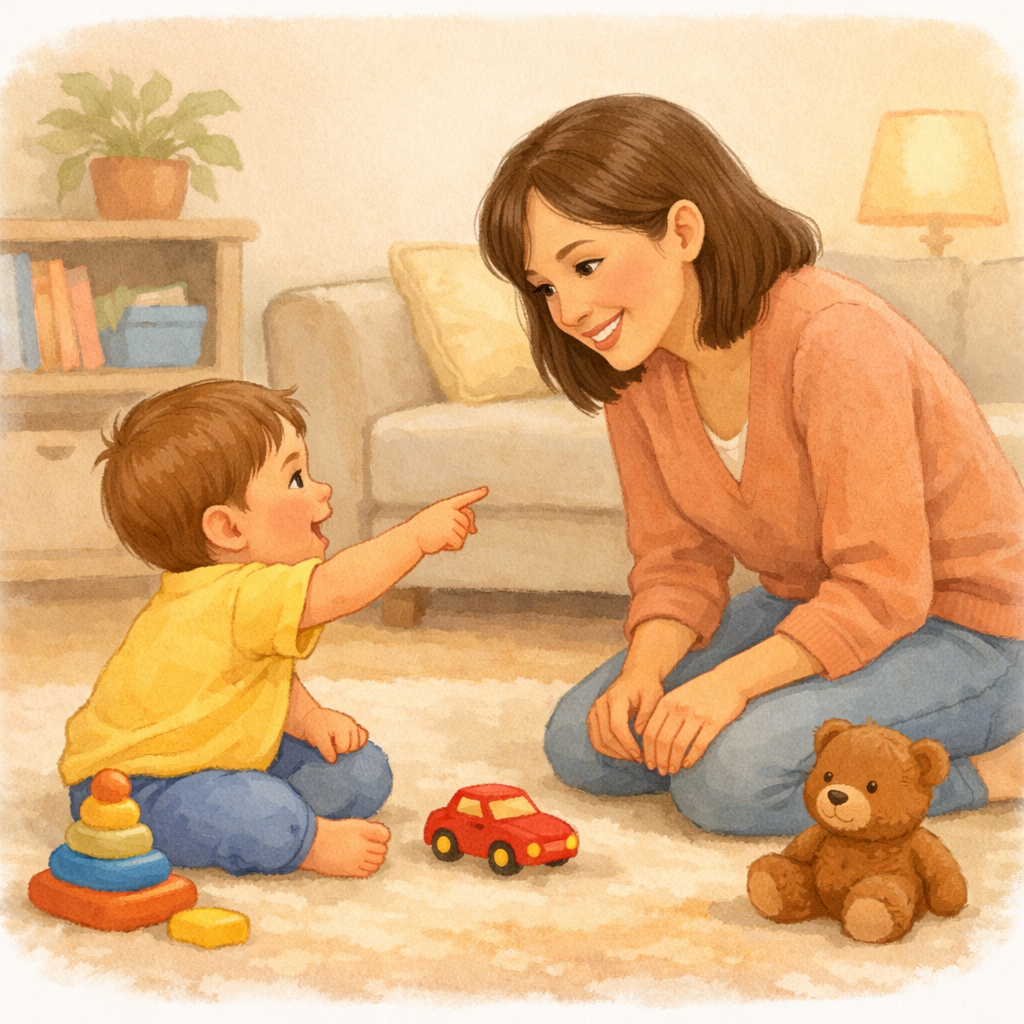
Often, gestures and sounds appear together.
For example:
- Pointing at a cup while saying “uh”
- Reaching with an excited squeal
- Shaking head while making a protesting sound
This combination is powerful.
It shows your child is linking meaning to communication.
Soon, the gesture may fade and a clear word will take its place.
You do not need special tools.
You need attention and responsiveness.
Here are simple ways to support this stage:
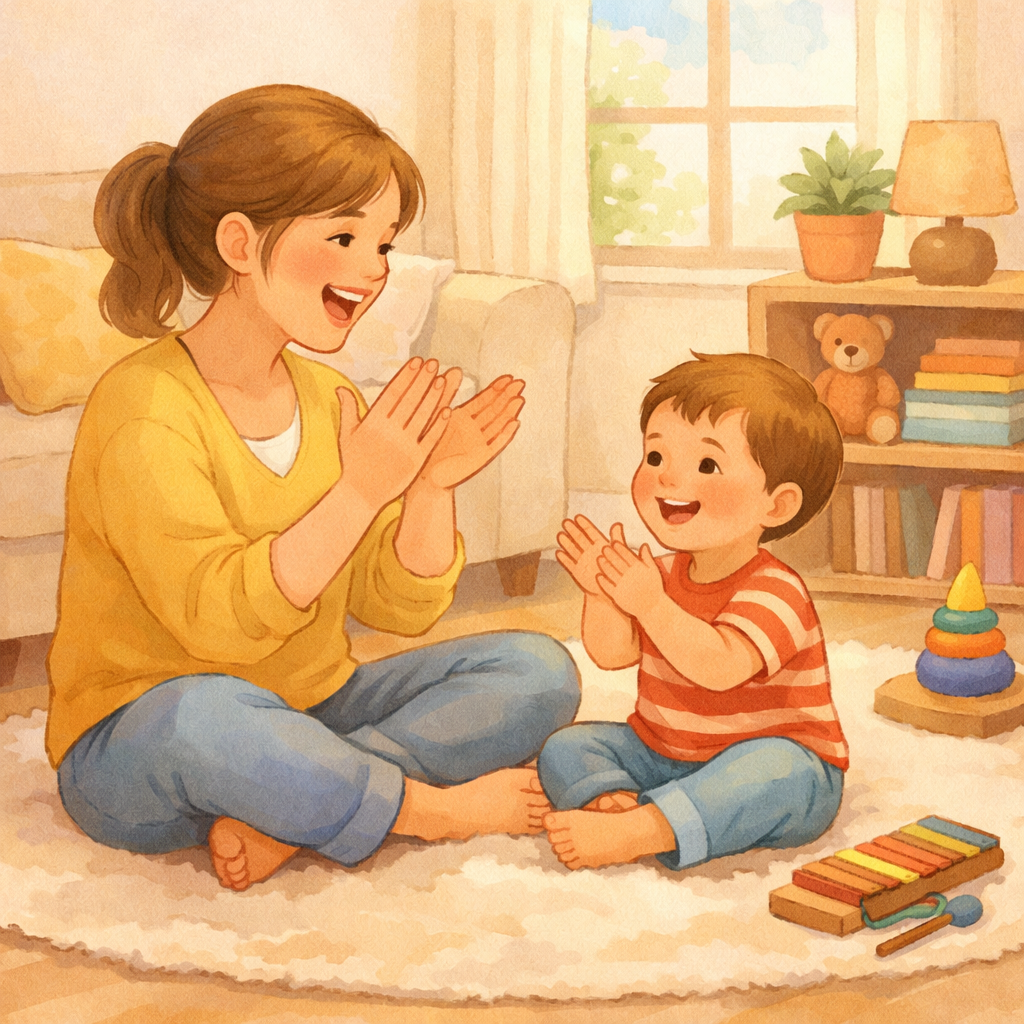
- Respond every time they gesture or vocalise
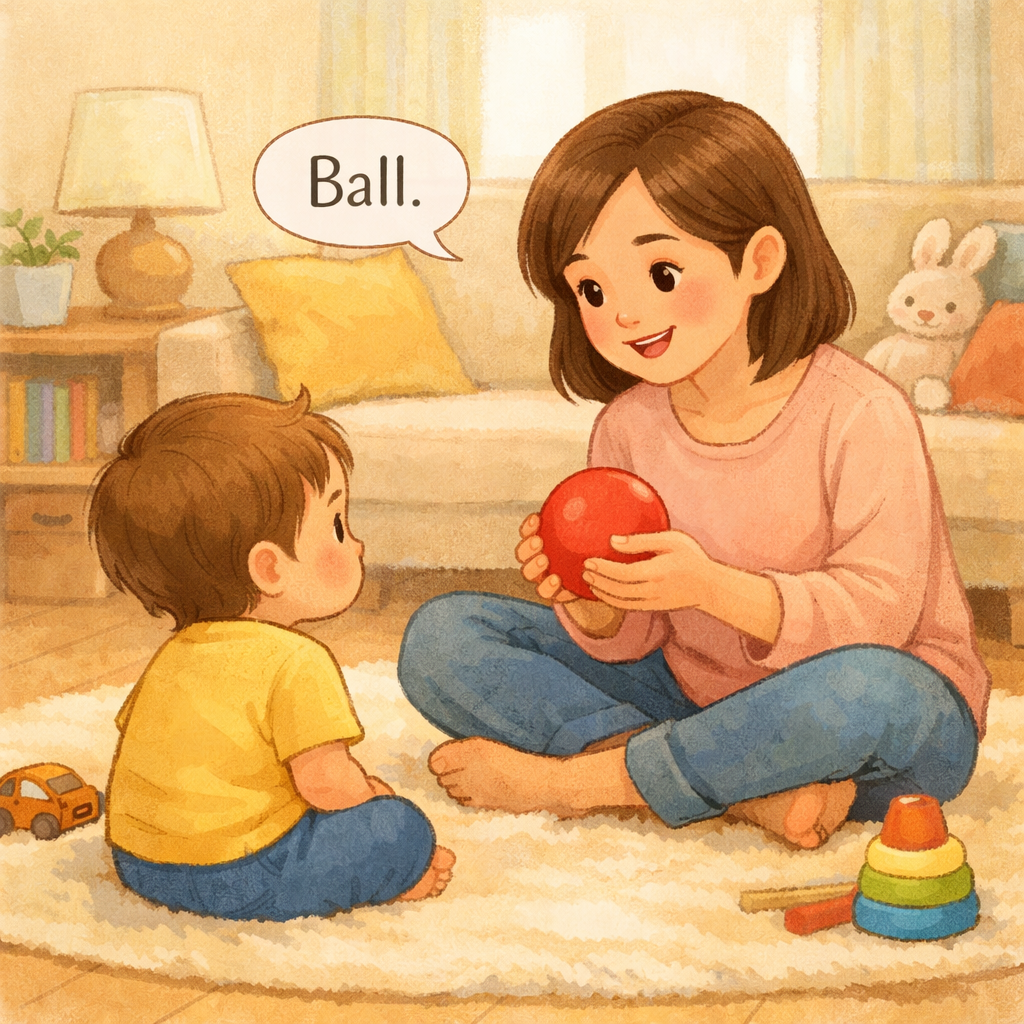
- Name what they are pointing at, “Yes, ball”
- Copy their sounds and wait for a response
- Add one clear word to their attempt
- Get down to their eye level
Small, repeated interactions build confidence.
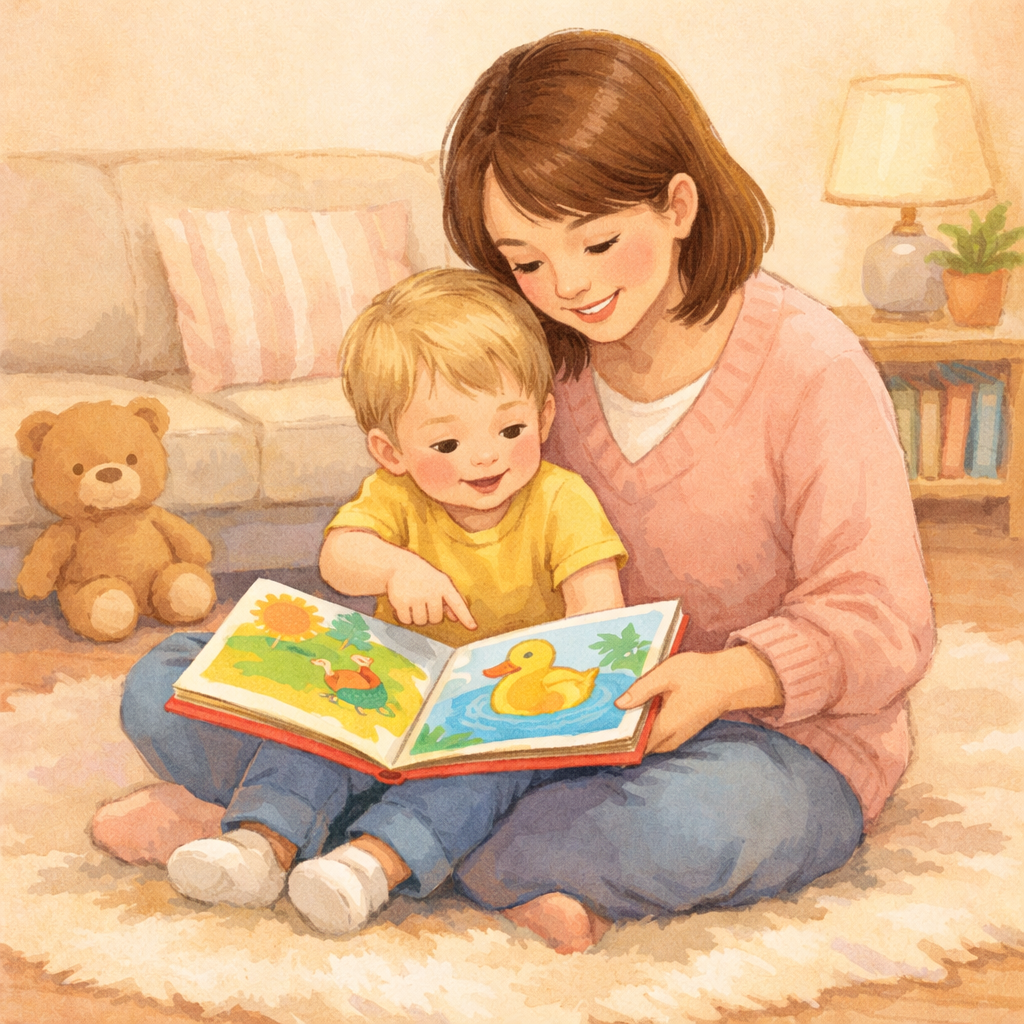
This is exactly why simple, single-image books work so well at this age.
Pointing to a clear picture and hearing one strong word supports both gesture and sound development.
ChattyCubs First Words books are designed with uncluttered images that invite pointing, naming and sound imitation.