ChattyCubs
£0.00 0

Basket

No products in the basket.

Speech Delay Support

Speech Delay Support

Worrying about your toddler’s speech can feel heavy.

You might notice fewer words than other children, unclear sounds, or frustration when they try to communicate. The good news is that many speech delays improve with gentle, consistent support at home.

This page will guide you through understanding speech delay and show you clear next steps you can take calmly and confidently.

The Royal College of Speech and Language Therapists (RCSLT) states that around 1 in 10 children have speech, language, or communication needs. Early support can make a big difference. You can read more on the RCSLT website.

What Is a Speech Delay?

A speech delay means a child is developing spoken language more slowly than expected for their age.

This might include:
  • Using fewer words than typical
  • Difficulty combining words
  • Speech that is hard to understand
  • Limited back-and-forth communication
If you are unsure whether what you are seeing is a delay, start with How to Spot a Speech Delay for age-based guidance.
Common Signs Parents Notice

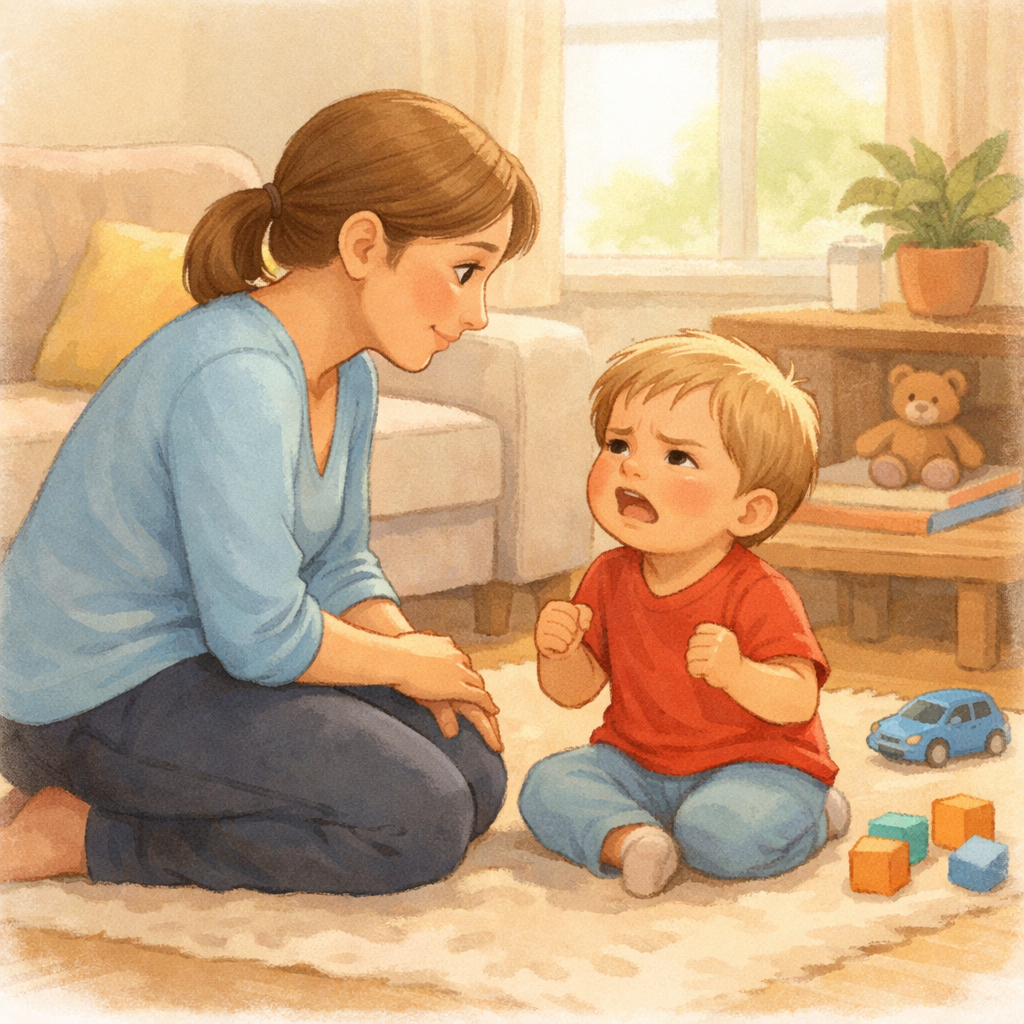
Parent supporting a toddler who looks frustrated while trying to speak.
Parents often describe:
  • Lots of pointing but few words
  • Tantrums linked to communication struggles
  • Repeating sounds rather than meaningful words
  • Understanding less than expected
If your child seems to understand language but struggles to speak, see Understanding Receptive vs Expressive Delay.

If hearing may be a concern, visit Speech Delay and Hearing Checks.

Practical Ways to Support Speech at Home

Small daily changes make a big difference.

Start here:
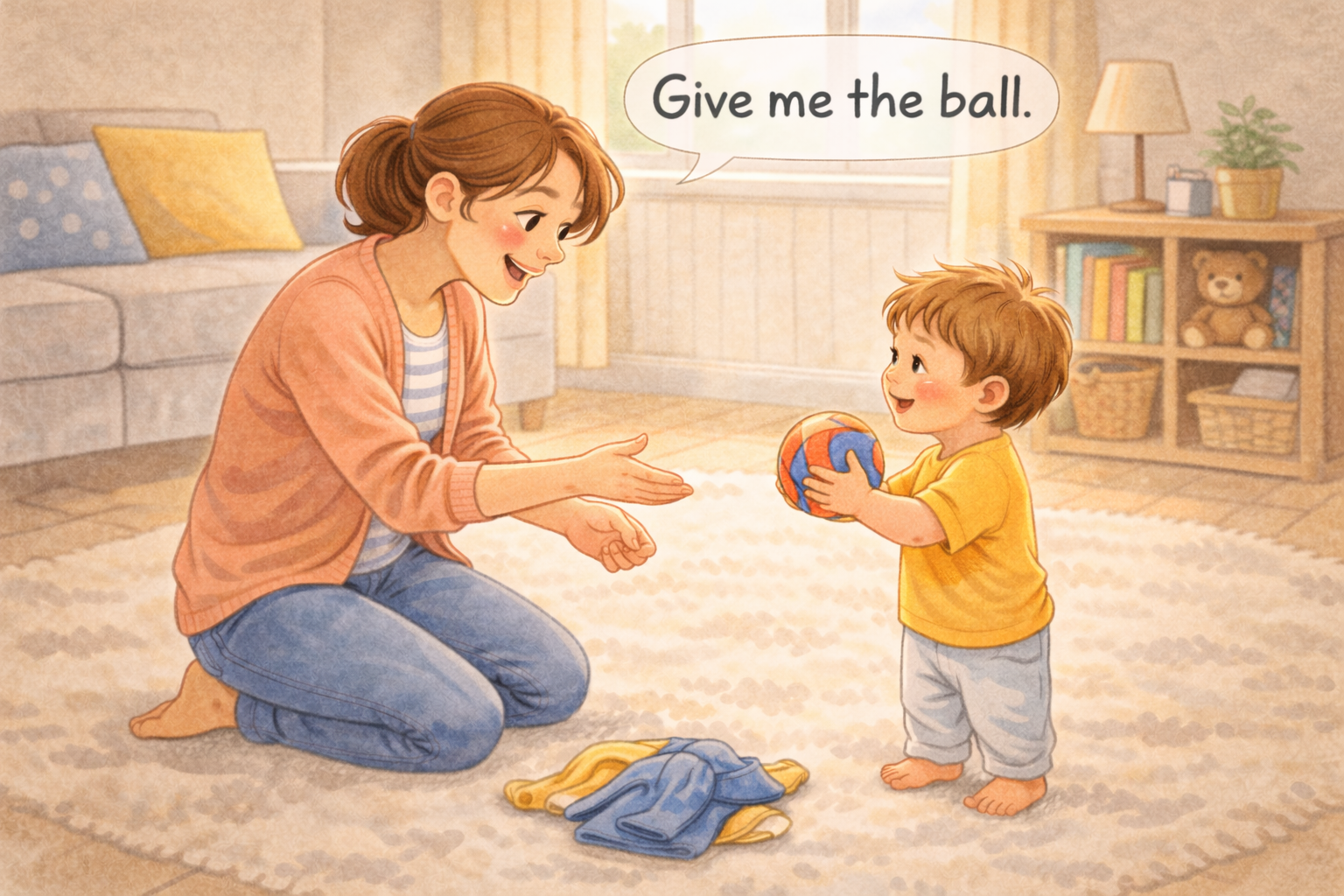
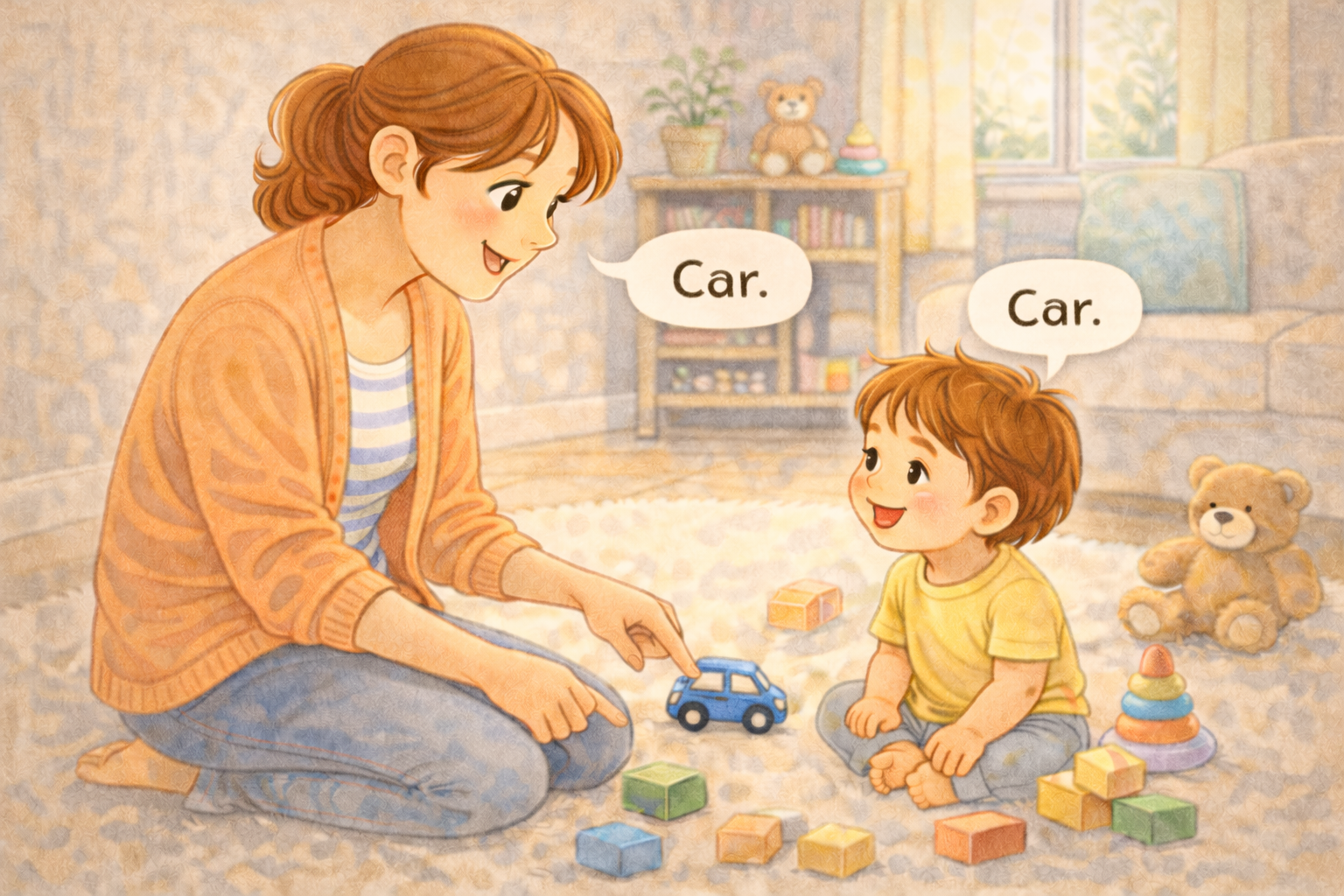
Keep language simple. Get down to their level. Repeat key words clearly.

Progress often looks slow at first, then suddenly builds.

Understanding Specific Speech Patterns

Sometimes speech differences have clear patterns.

You might notice:
Learning what these patterns mean helps you respond calmly rather than worry.

Supporting Communication Beyond Words

Speech is only one part of communication.

Visuals, gestures and signs can reduce frustration and support language growth.

Explore:

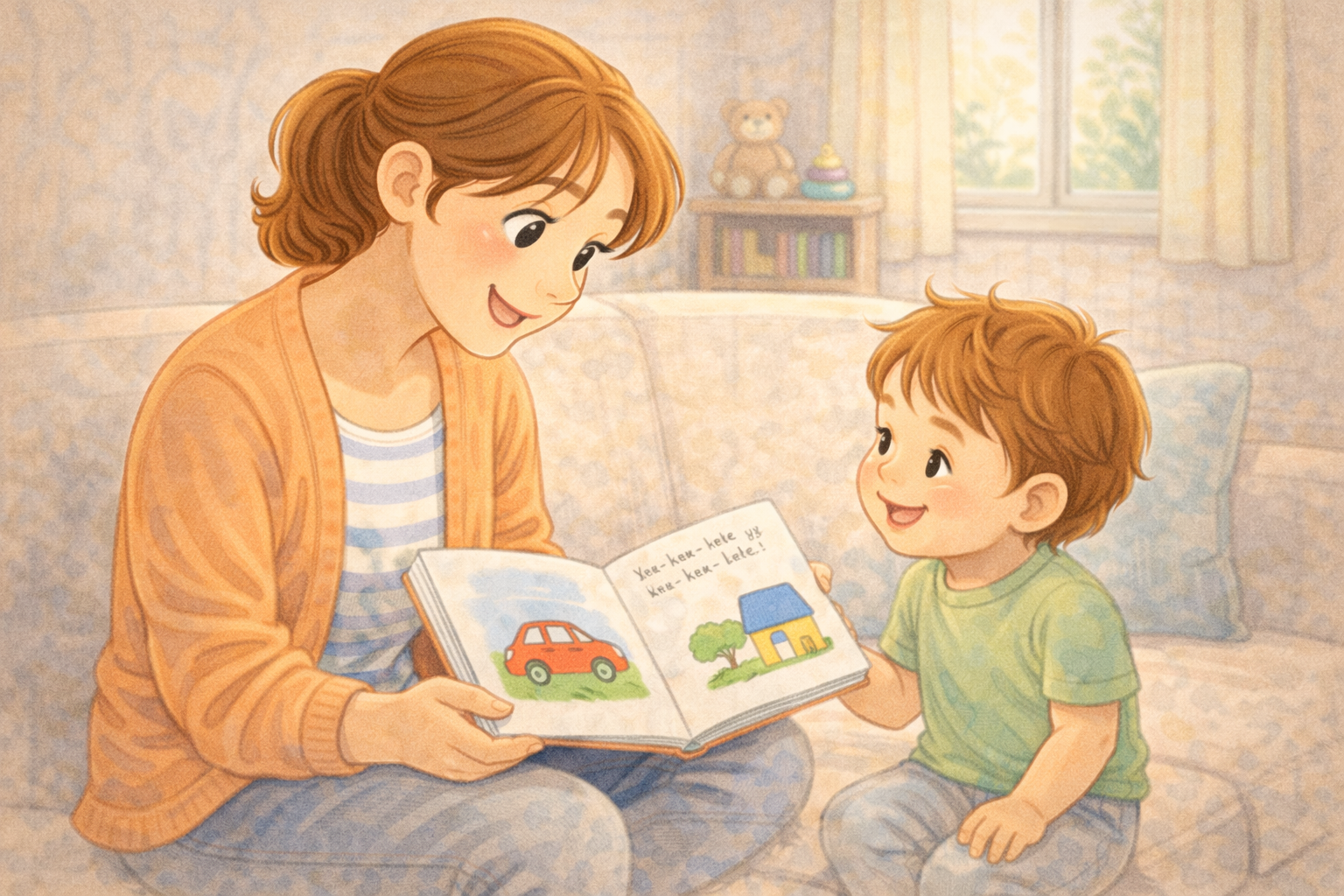
Simple picture books that encourage pointing and naming are often more powerful than complex digital tools.

When to Seek Professional Advice

Trust your instincts.

If you feel unsure, early advice is always helpful.

You may find reassurance in:
Early support does not label your child. It gives you clarity and direction.

Supporting Emotional Wellbeing

Speech delay can bring frustration for both parent and child.
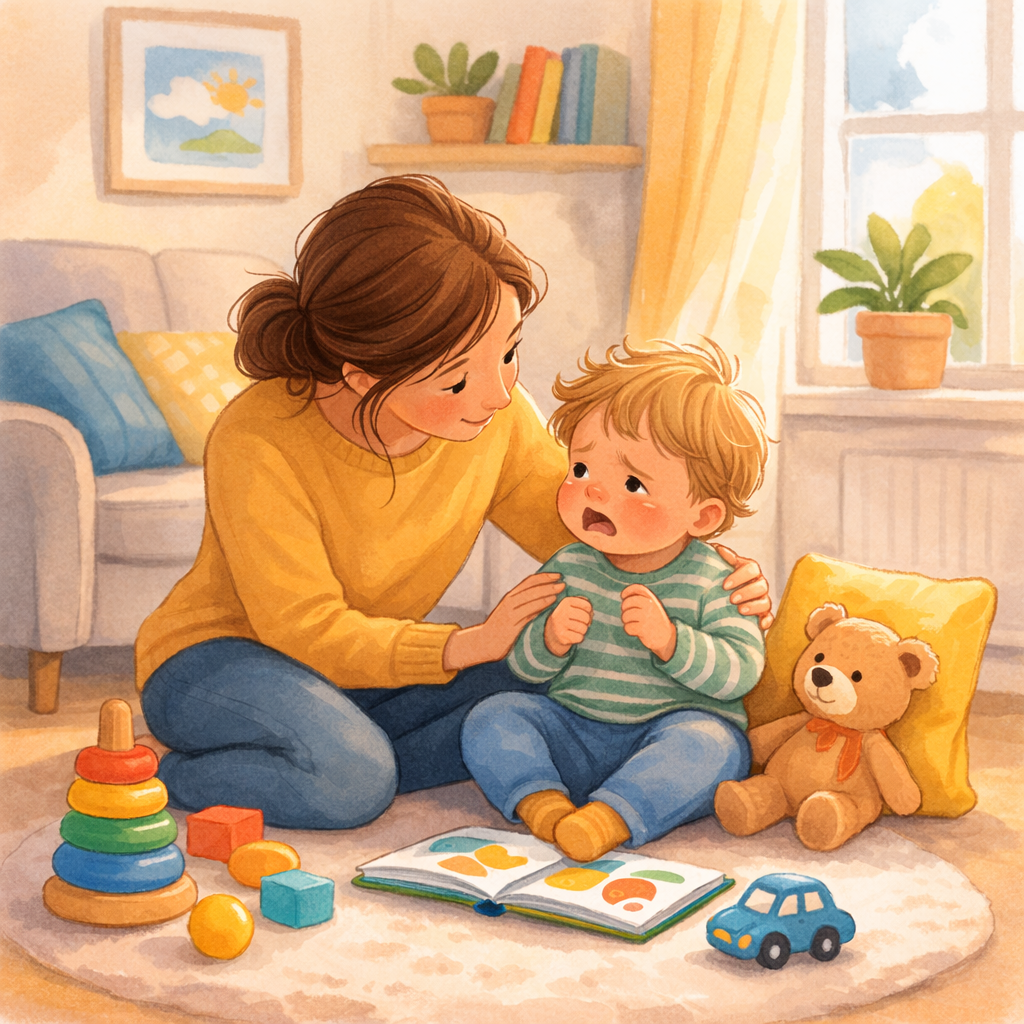
Parent calmly comforting a toddler who is upset while trying to communicate.
Gentle strategies can help:
Your calm response teaches your child that communication is safe, even when words feel difficult.

You Are Not Alone

Many toddlers need a little extra time.

Speech development is not a race. It grows through connection, repetition and patience.

Start with one small change today.

Then build from there.

Common Questions About Speech Delay

A speech delay usually means a child is slower to start using sounds, words, or short phrases than expected for their age. Some children develop later than others, but parents often notice that their toddler is not saying many words, is difficult to understand, or is not combining words when other children of a similar age are. Speech delay can look different from child to child, which is why it helps to look at the bigger picture, including understanding, gestures, play, and interaction as well as spoken words.

It is understandable to feel unsure about this, especially because children develop at different speeds. In general, it is worth seeking advice if your toddler is saying very few words, seems frustrated when trying to communicate, is not responding consistently, or you feel their communication is not moving forward over time. You do not need to wait until things feel severe before asking for help. If something does not feel right, speaking to a GP, health visitor, or speech and language professional can give you reassurance or helpful next steps.

Yes, that can happen. Some toddlers understand a lot more than they can say. They may follow simple instructions, point to familiar objects, or react to everyday words, but still struggle to use spoken language themselves. This can mean their understanding is developing more strongly than their speech. That is why it is important to look at both receptive language, which is understanding, and expressive language, which is using words. Both matter when you are trying to understand how your child is developing.

Books can be a helpful part of language support because they create repeated opportunities to hear familiar words, point to pictures, copy sounds, and build attention together. They are not a replacement for professional assessment where needed, but they can support communication at home in a gentle and consistent way. Simple first words books work especially well when you pause, point, repeat key words, and give your toddler time to look, react, or join in. Even short, regular reading moments can help build vocabulary over time.

Some children do catch up with time, but it is usually better to ask for advice than to sit with worry for too long. Early support does not automatically mean something is seriously wrong. It simply means you are getting guidance sooner rather than later. If your child does catch up, that is reassuring. If they need extra help, starting earlier can make things feel clearer and less stressful. Trust your instincts as a parent. If you are concerned, it is always reasonable to ask questions and seek support.

Important: This page is for general information only and does not replace professional advice. Please read our Editorial Policy & Disclaimer.

Newsletter

Join our Early Readers Club for fun learning tips, sneak peeks at new books, and free printable activities!
ChattyCubs™ 2026 All Rights Reserved.