ChattyCubs
£0.00 0

Basket

No products in the basket.

Pronunciation Challenges in Toddlers

Pronunciation Challenges in Toddlers

Many toddlers struggle with pronunciation as they learn to talk.

It is a normal part of speech development.

Some sounds are harder than others, especially longer words or sounds that need precise mouth movement.

If you are unsure where your child is overall, start with our Speech and Communication guide for a full overview.

Why Toddlers Mispronounce Words

Toddlers are still learning how to coordinate their lips, tongue and jaw.

Speech takes practice.

Your child might:
  • Leave sounds off the end of words
  • Swap one sound for another
  • Simplify longer words
  • Repeat easier sounds instead of harder ones
For example, “banana” might become “nana” or “spoon” might become “poon”.

This is called sound simplification, and it is very common in the early years.

Common Pronunciation Patterns

Dropping Final Sounds

Your child might say “ca” instead of “cat”.

This usually improves naturally as their speech develops.
Sound Substitution

Some sounds are more complex.

You may hear:
  • “wabbit” instead of “rabbit”
  • “tat” instead of “cat”
  • “fumb” instead of “thumb”
These patterns often resolve as children grow.

Simplifying Clusters

Words with two consonants together can be tricky.

“Star” may become “tar”.
“Blue” may become “boo”.

This is typical in toddlers.

What Helps Improve Pronunciation

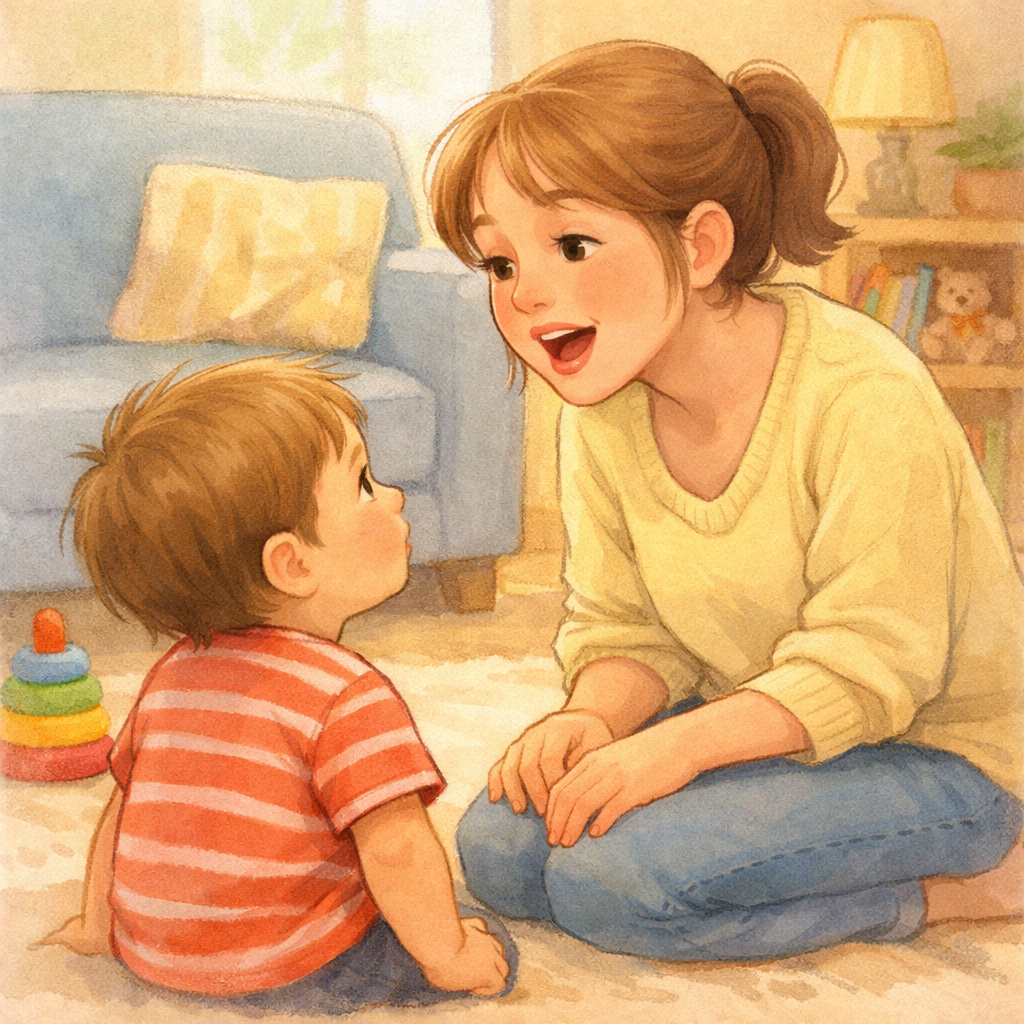
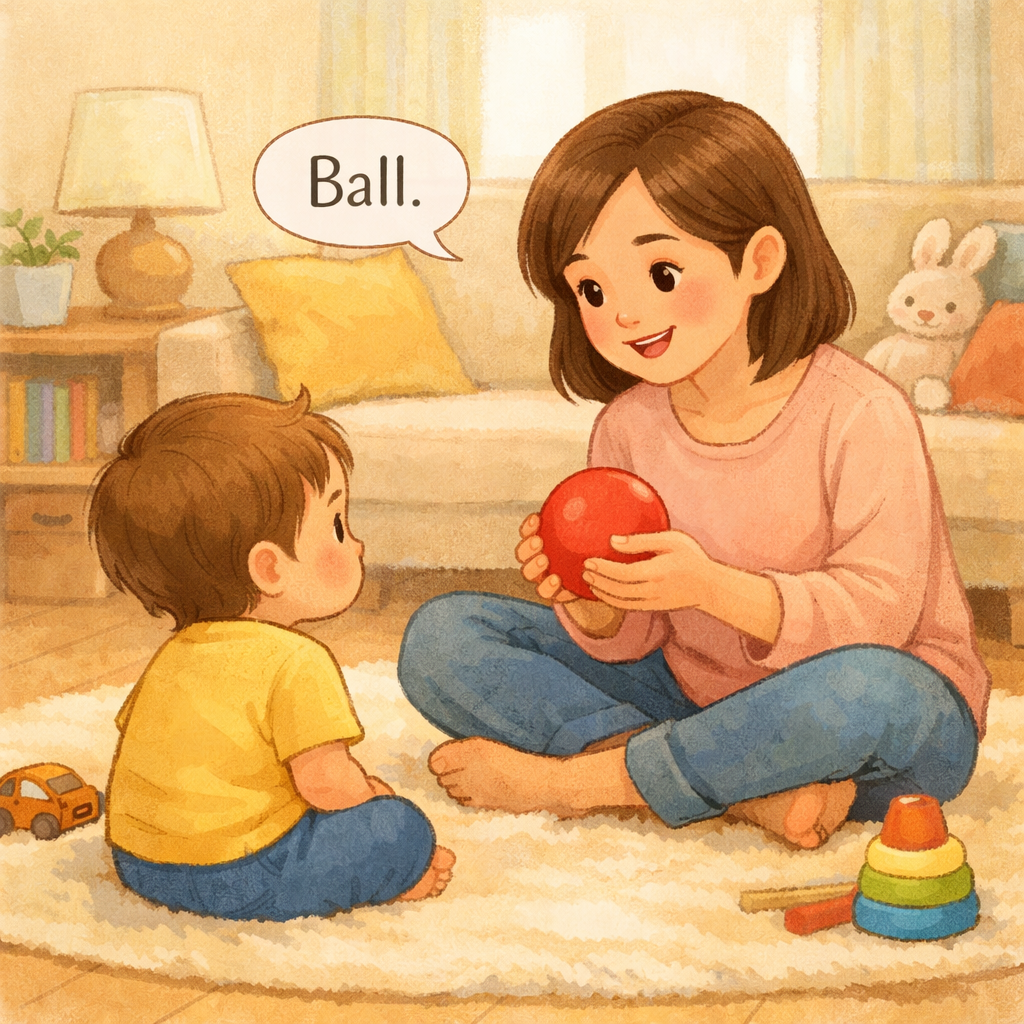
Parent clearly saying a word while toddler watches and listens.

Model Clear Speech

Repeat the word correctly, without correcting harshly.

If your child says “tar”, you can respond with:

“Yes, it’s a star. A bright star.”

This keeps communication positive.

You can read more in How to Model Clear Speech.

Slow Down and Emphasise Sounds

Gently stretch the word slightly.

“Caaa-t.”

Keep it natural, not exaggerated.

Use Everyday Words Often

Repetition builds confidence.

Simple, clear words used daily help strengthen sound patterns.

You might like Everyday Words to Practice Together for ideas.

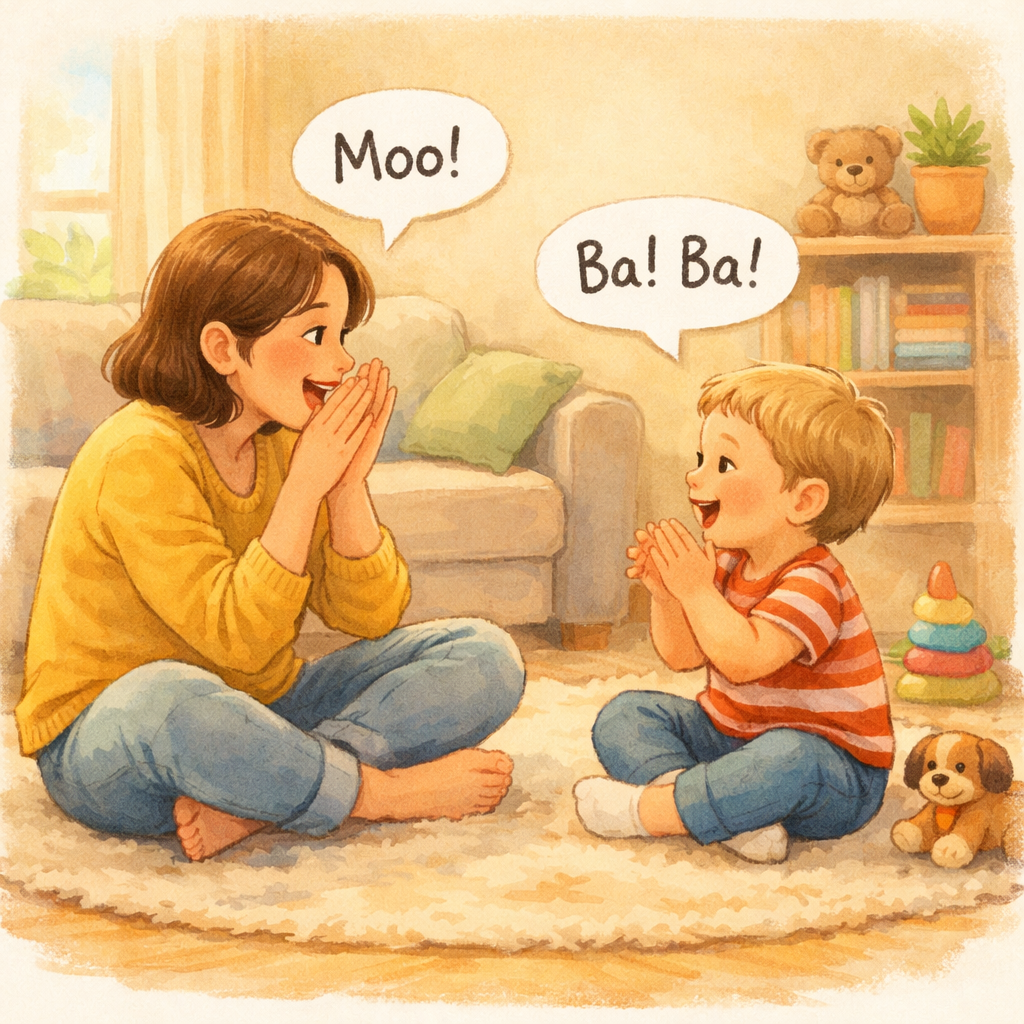
Make It Playful

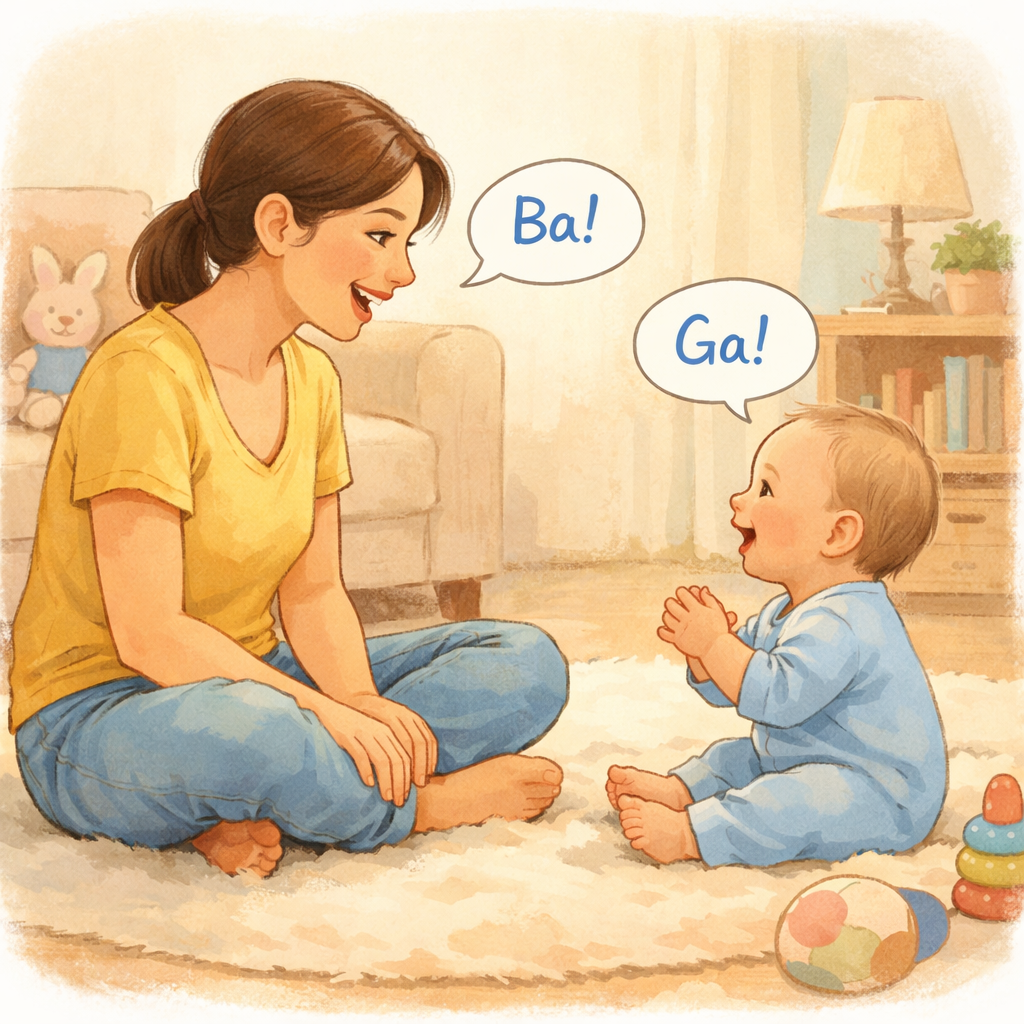
Sound play helps children experiment safely.

Try silly sounds, animal noises or exaggerated mouth movements.

See How to Use Sound Play for simple games.

When to Seek Advice

Most pronunciation challenges are temporary.

Consider speaking to a health professional if:
  • Your child is very hard to understand after age 3
  • They become frustrated when trying to speak
  • They are not combining words by around age 2
If your child is speaking later than expected, our guide on Tips for Late Talkers may also help.

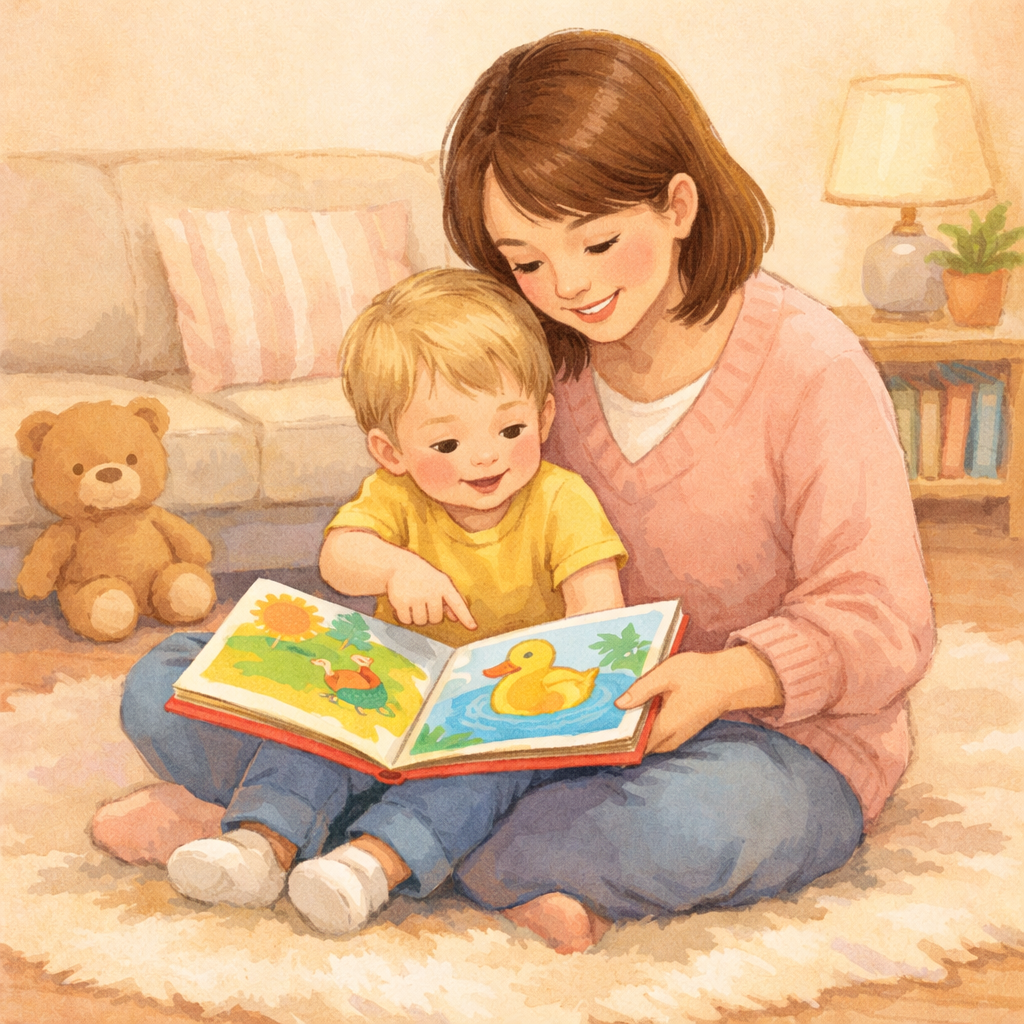
How Books Support Clear Speech

Picture books give children repeated exposure to the same words.

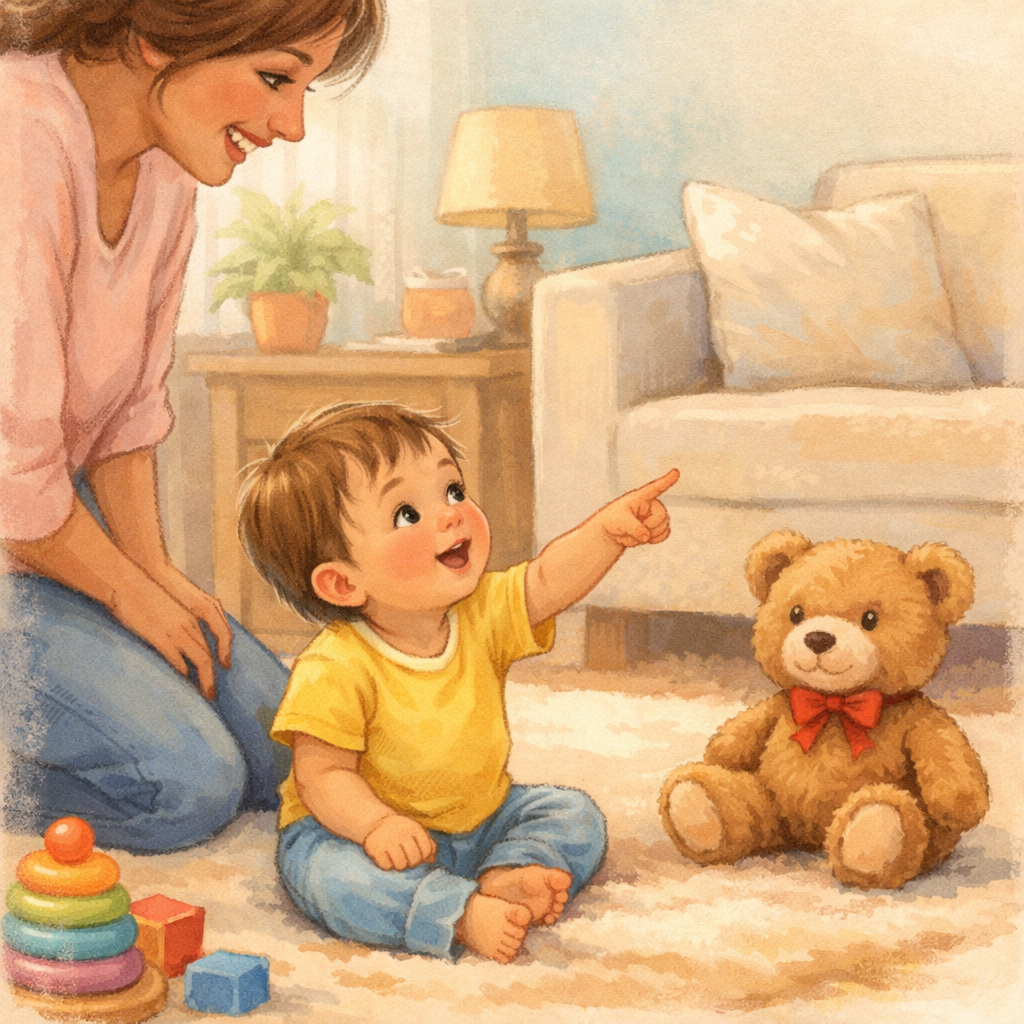
When you point, pause and repeat, your child hears the correct pronunciation again and again.

Books that focus on clear, simple vocabulary make this easier.

You can also explore Reading Aloud to Support Speech for more ways to build speech through story time.

Keep It Calm and Encouraging

Pronunciation develops gradually.

Your role is not to correct constantly, but to model gently and keep communication enjoyable.

Confidence comes before clarity.

When children feel understood, they keep trying.

Newsletter

Join our Early Readers Club for fun learning tips, sneak peeks at new books, and free printable activities!
ChattyCubs™ 2026 All Rights Reserved.