ChattyCubs
£0.00 0

Basket

No products in the basket.

Turn-Taking Skills in Conversation

Turn-Taking Skills in Conversation

Turn-taking skills are one of the foundations of early communication.

Before children use clear words, they learn the rhythm of conversation. One person “speaks”, the other responds. Back and forth.

This simple pattern helps toddlers feel heard, understood and confident.

If you would like a wider overview of how communication develops, visit Speech and Communication.

What Is Turn-Taking?

Turn-taking is the ability to:
  • Wait briefly while someone else speaks
  • Respond after another person finishes
  • Take turns making sounds, gestures or words
It begins long before full sentences.

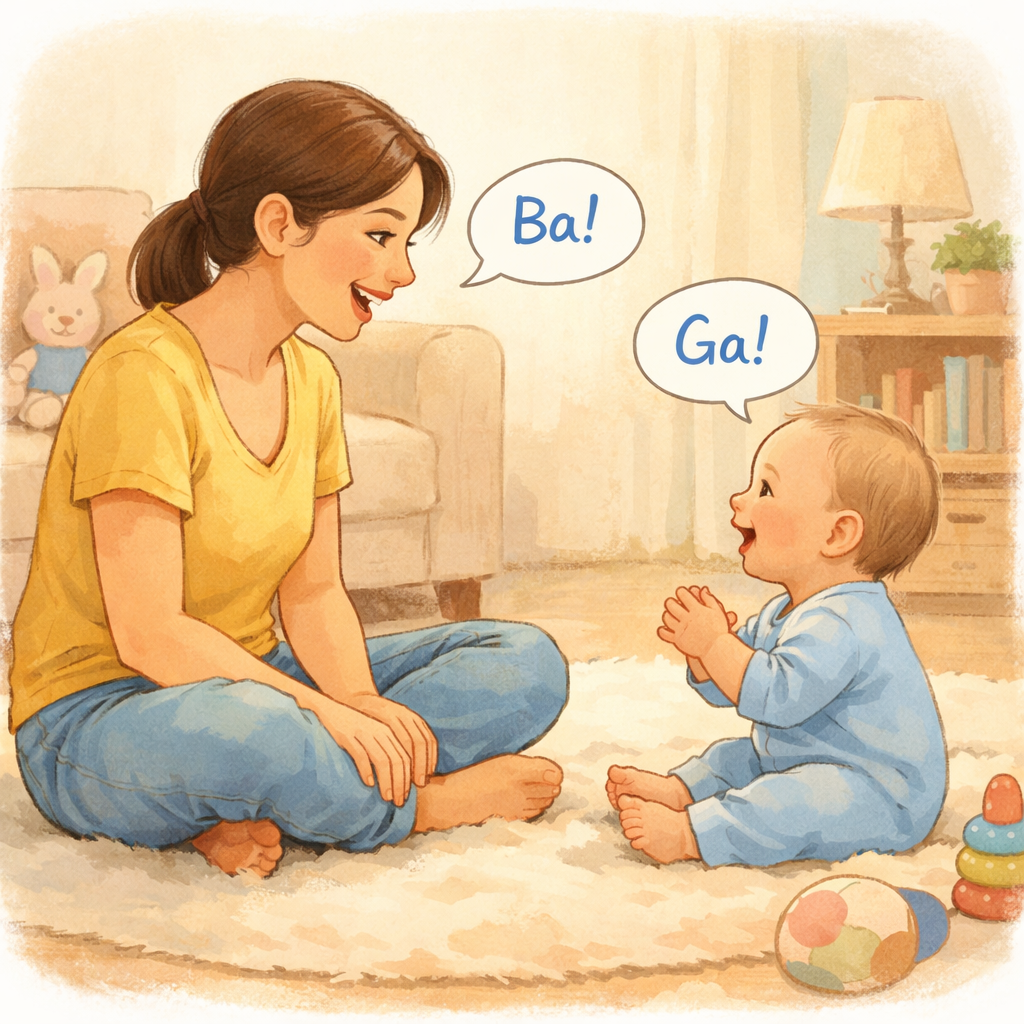
A baby babbles.
You smile and respond.
They babble again.

That is a conversation.
Early Signs of Turn-Taking

Parent and baby smiling while taking turns making sounds.
You might notice your child:
  • Pausing after making a sound
  • Looking at you expectantly
  • Copying your noise or word
  • Waiting briefly before speaking again
If your baby is still mostly babbling, you may find Responding to Baby Babble helpful for building this early rhythm.

Why Turn-Taking Matters

Turn-taking supports:
  • Listening skills
  • Attention and focus
  • Emotional regulation
  • Clearer speech development
Children who practise turn-taking often find it easier to join group play later on.

It also reduces frustration. When toddlers learn that someone will respond, they are more motivated to communicate.

Simple Ways to Practise Turn-Taking at Home

You do not need special activities. Everyday moments are enough.

1. Copy and Pause

When your toddler says “ba”, repeat “ba” back.

Then pause.

Give them space to respond.

This small pause teaches the rhythm of conversation.

Clear modelling also supports this skill. You can read more in How to Model Clear Speech.

2. Use Everyday Objects

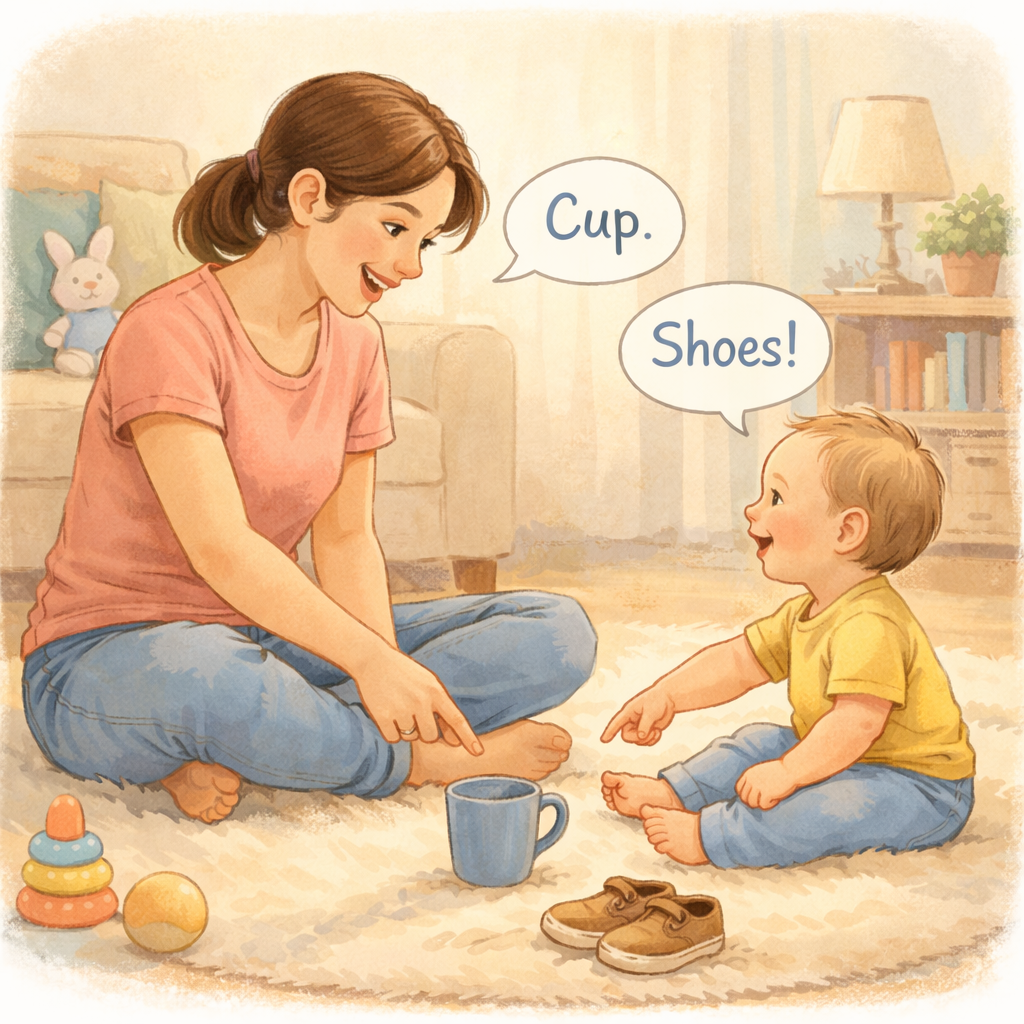
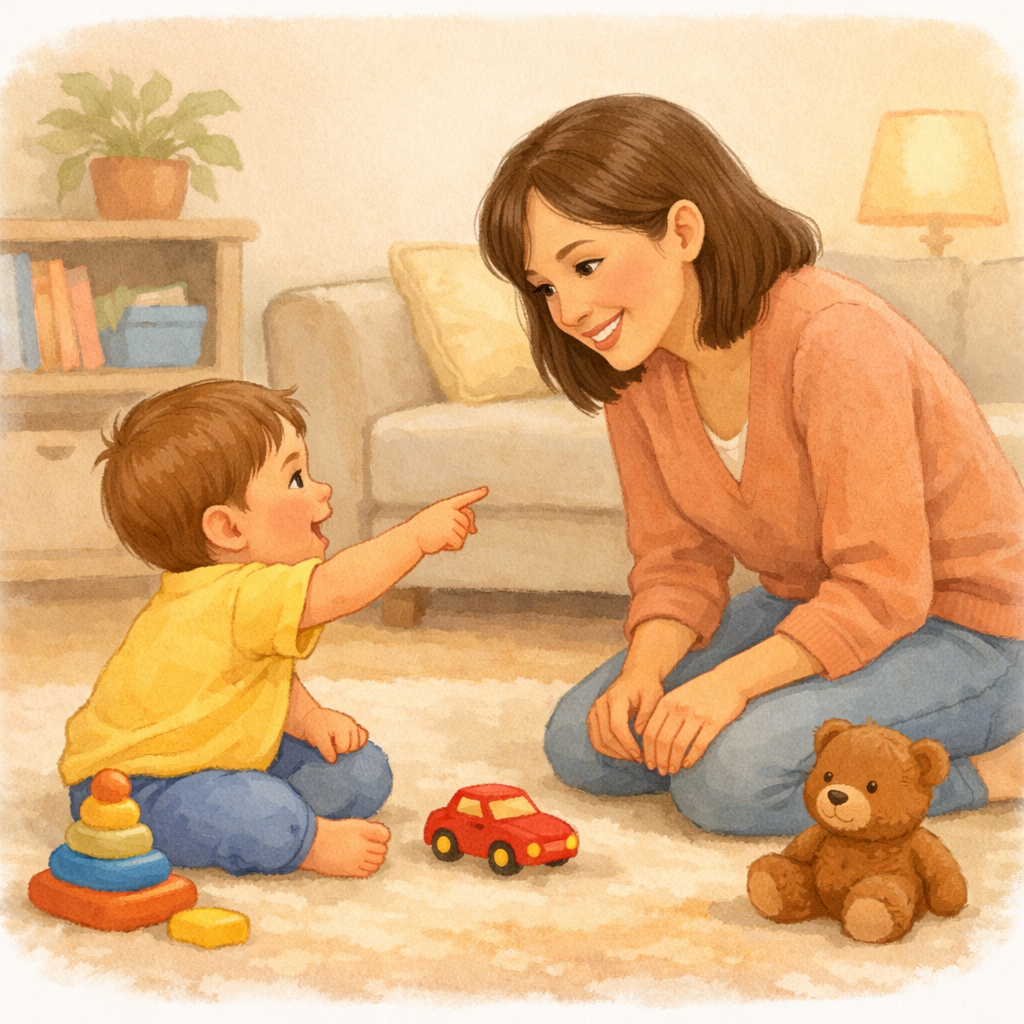
Parent and toddler taking turns naming everyday objects.
Point to a cup and say “cup”.

Wait.

If your child attempts the word, respond warmly.

If they stay quiet, gently repeat and smile.

You can build this into routines using ideas from Everyday Words to Practice Together.

3. Play Turn-Taking Games

Simple games build this skill naturally:
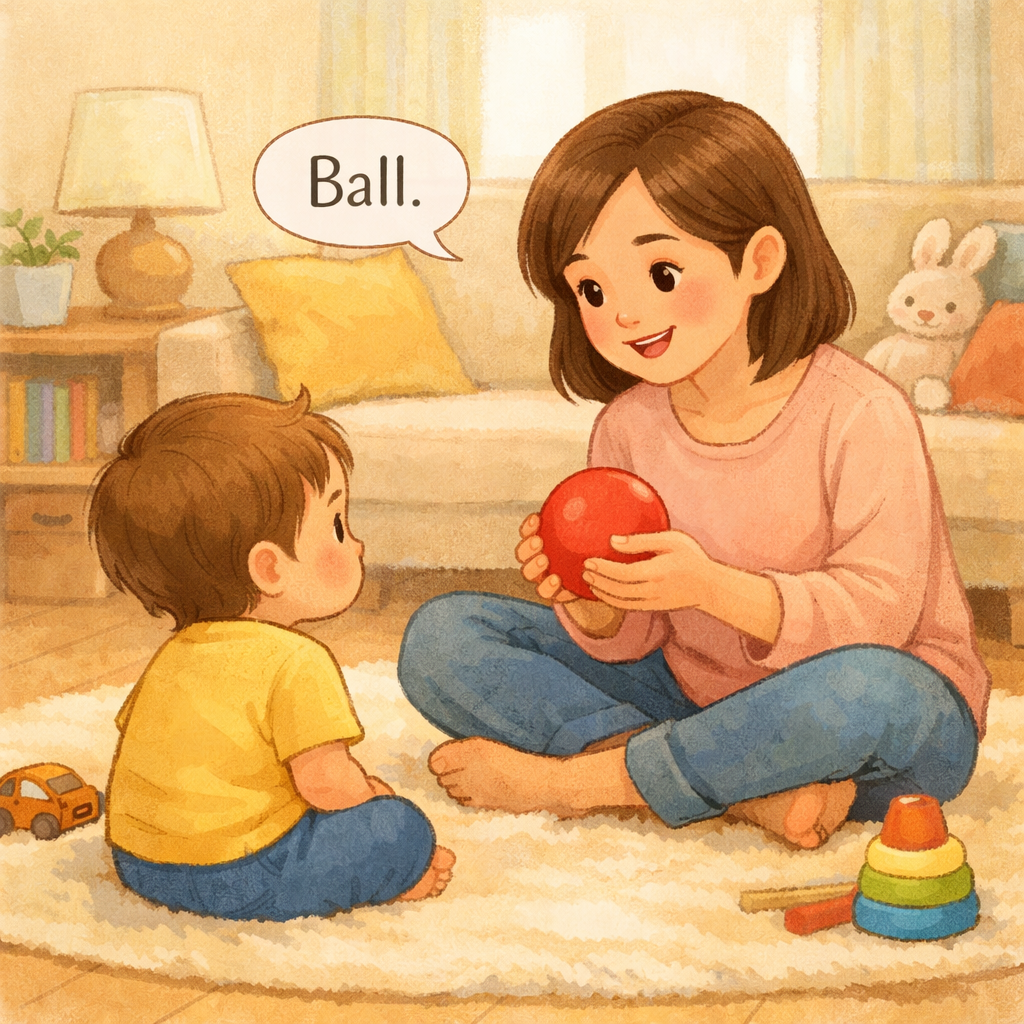
  • Rolling a ball back and forth
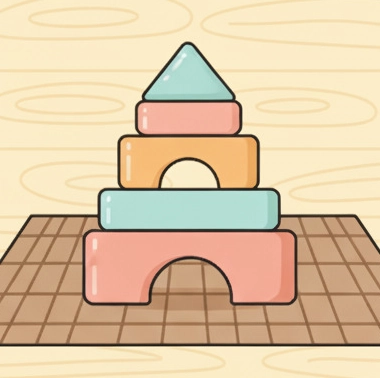
  • Stacking blocks one at a time
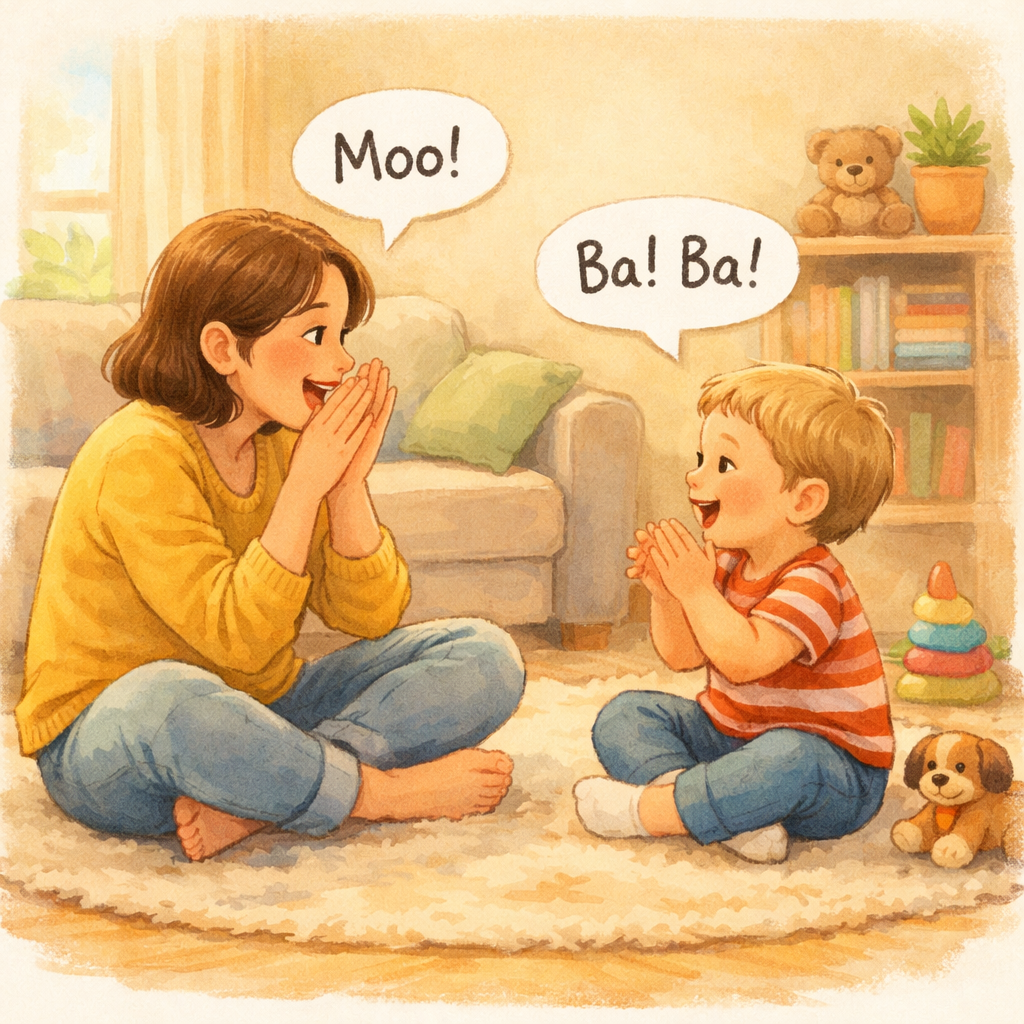
  • Pretend phone conversations
  • Sound imitation games
If you would like structured ideas, see How to Use Sound Play.

When Turn-Taking Feels Difficult

Some toddlers interrupt often or struggle to wait.

This is very common under age three.

You can help by:
  • Using short, simple sentences
  • Gently holding up a finger to signal “wait”
  • Praising even small attempts at waiting
  • Keeping interactions playful, not pressured
Avoid correcting harshly. Waiting is a skill that develops gradually.

Building Turn-Taking Through Books

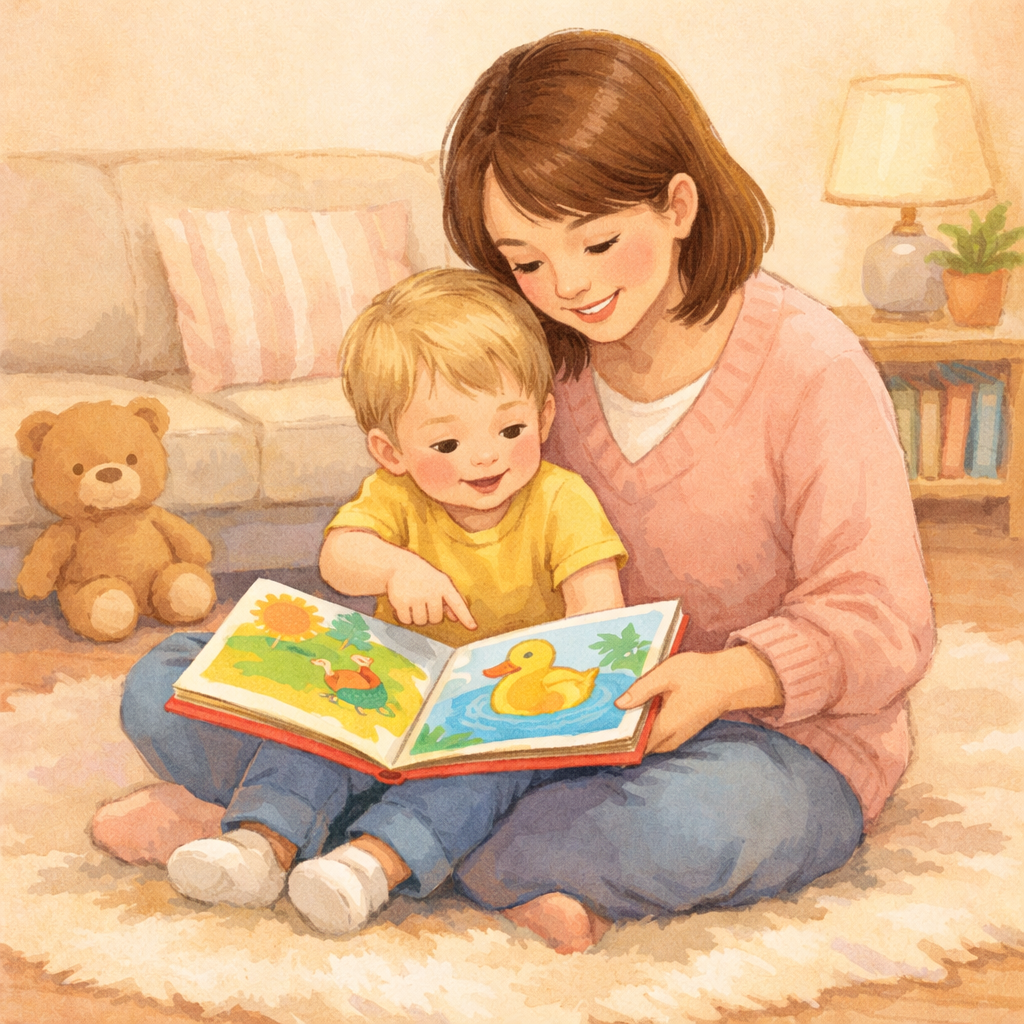
Picture books are perfect for practising back-and-forth interaction.

Pause before turning the page.

Ask, “What do you see?”

Wait for any response, even a sound or point.

Large, clear images make this easier. ChattyCubs First Words books are designed for pointing, naming and pausing together. One person names the picture, the other responds.

That simple rhythm builds confident communication.

Small Steps Lead to Big Progress

Turn-taking does not need formal teaching.

It grows through:
  • Eye contact
  • Smiles
  • Pauses
  • Gentle repetition
Keep it warm.
Keep it playful.
Keep it short.

Back and forth, every day.

Over time, those tiny pauses become real conversations.

Newsletter

Join our Early Readers Club for fun learning tips, sneak peeks at new books, and free printable activities!
ChattyCubs™ 2026 All Rights Reserved.