ChattyCubs
£0.00 0

Basket

No products in the basket.

How to Use Sound Play

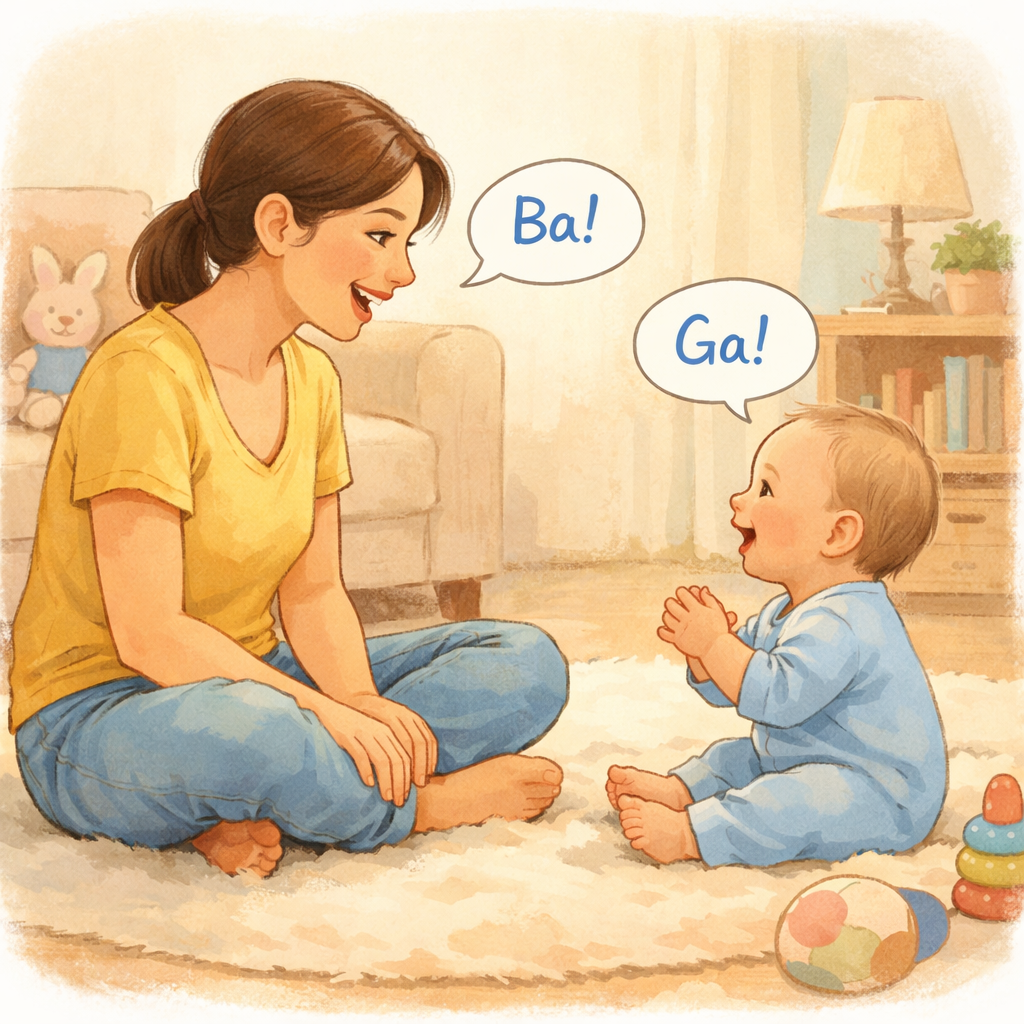
Responding to Baby Babble

Sound play is one of the simplest ways to support early speech.

It is playful. It is pressure-free. And toddlers love it.

Sound play means enjoying noises, rhythm and silly sounds together. It builds the foundations for clear speech without feeling like “teaching”.

If you would like a wider overview of early communication skills, visit Speech and Communication.

Why Sound Play Matters

Babbling is practice.

Your baby is experimenting with sounds like “ba”, “da” and “ma”.

They are learning how their mouth moves and how sound works.aBefore children say clear words, they experiment with sounds.

They squeal.
They babble.
They repeat funny noises.

This experimentation strengthens:
  • Mouth muscles
  • Listening skills
  • Sound awareness
  • Confidence using their voice
When you join in, you show them that sounds are fun and meaningful.

When you respond, you show them their voice matters.

That simple exchange builds connection and language at the same time.
Start With Everyday Sounds

You do not need special materials.

Use what is already around you.

Animal Noises

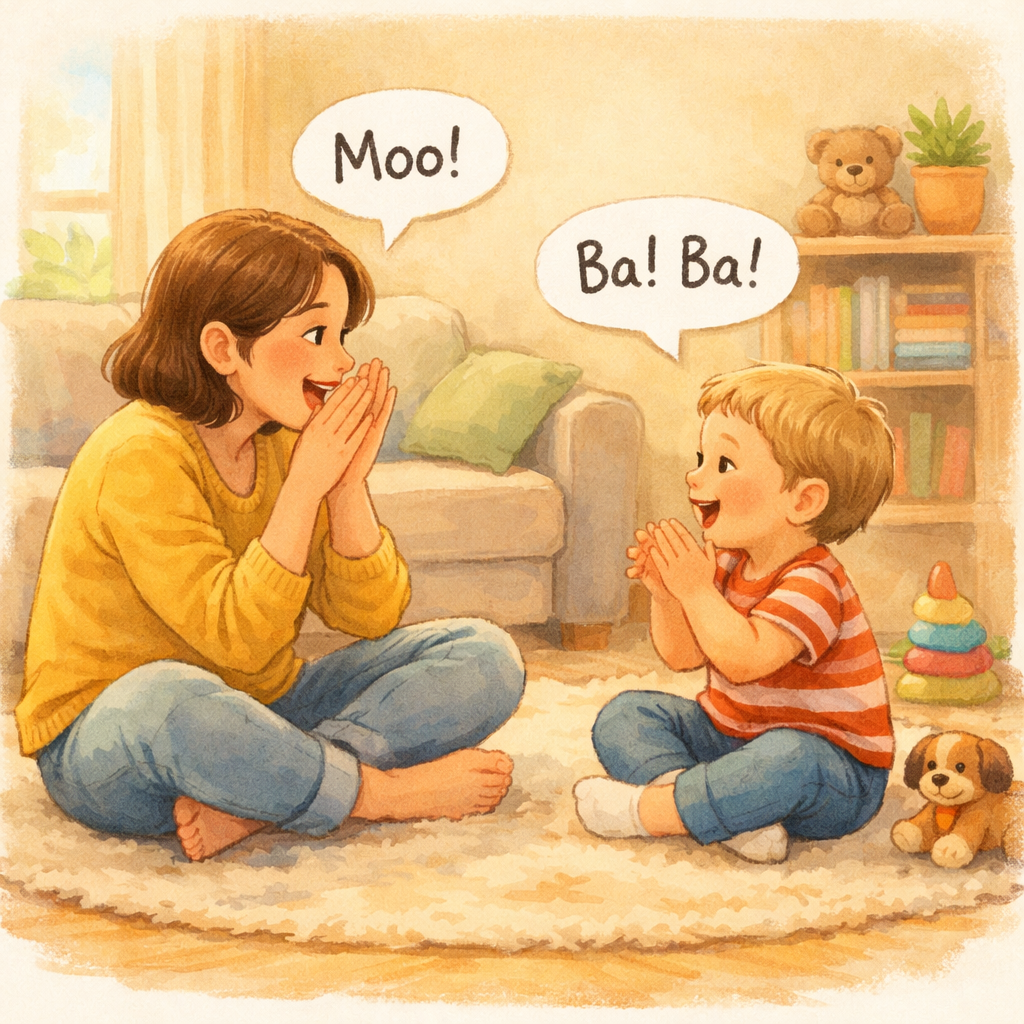
Animal sounds are often easier than full words.

Try:
  • “Moo” for cow
  • “Woof” for dog
  • “Quack” for duck
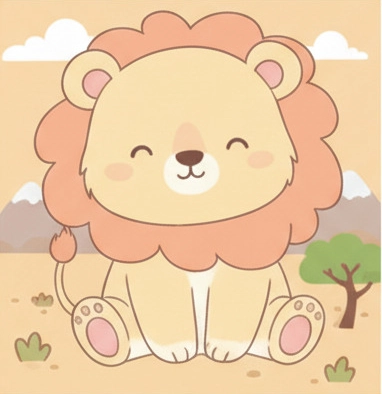
  • “Roar” for lion
Pause after you say the sound. Give your toddler time to copy.

Vehicle Sounds

Cars and trucks are perfect for sound play.
  • “Vroom”
  • “Beep beep”
  • “Choo choo”
Roll the toy slowly and exaggerate the sound. Make it playful, not perfect.

Use Exaggeration

Toddlers notice big, clear sounds.

Stretch them slightly.

“B-b-b-ball.”
“S-s-snake.”

Keep it light and smile while you do it.

You are not drilling sounds. You are drawing attention to them.

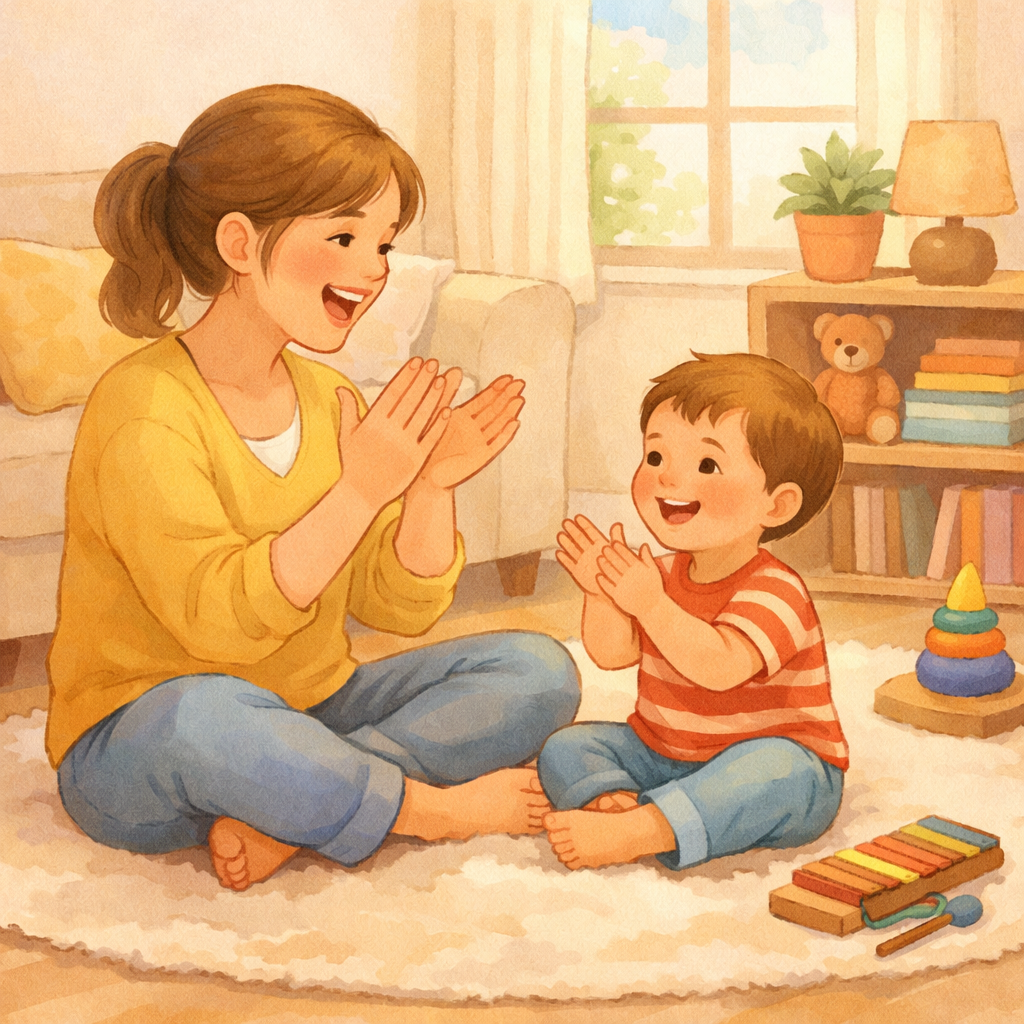
Copy Your Child’s Sounds

This is powerful.

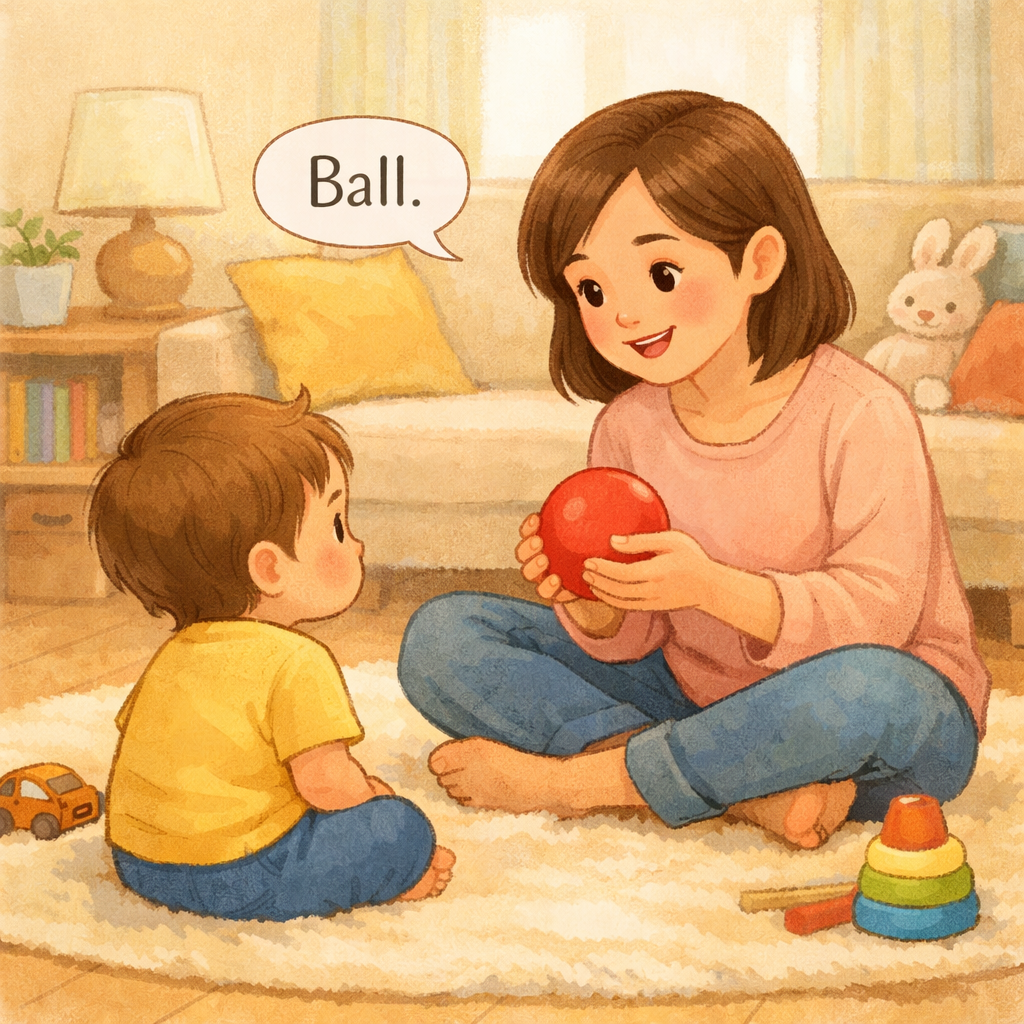
If your toddler says “ba”, copy “ba” back.

Then add a small change.

“Ba.”
“Ba-ba.”
“Ball.”

This back-and-forth builds conversation skills long before full sentences appear.

Make Sound Play Part of Daily Routines

You do not need extra time.

Try it:
  • In the bath, splash and say “splish splash”
  • At snack time, crunch and say “crunch crunch”
  • During nappy changes, blow raspberries and giggle together
Small moments add up.

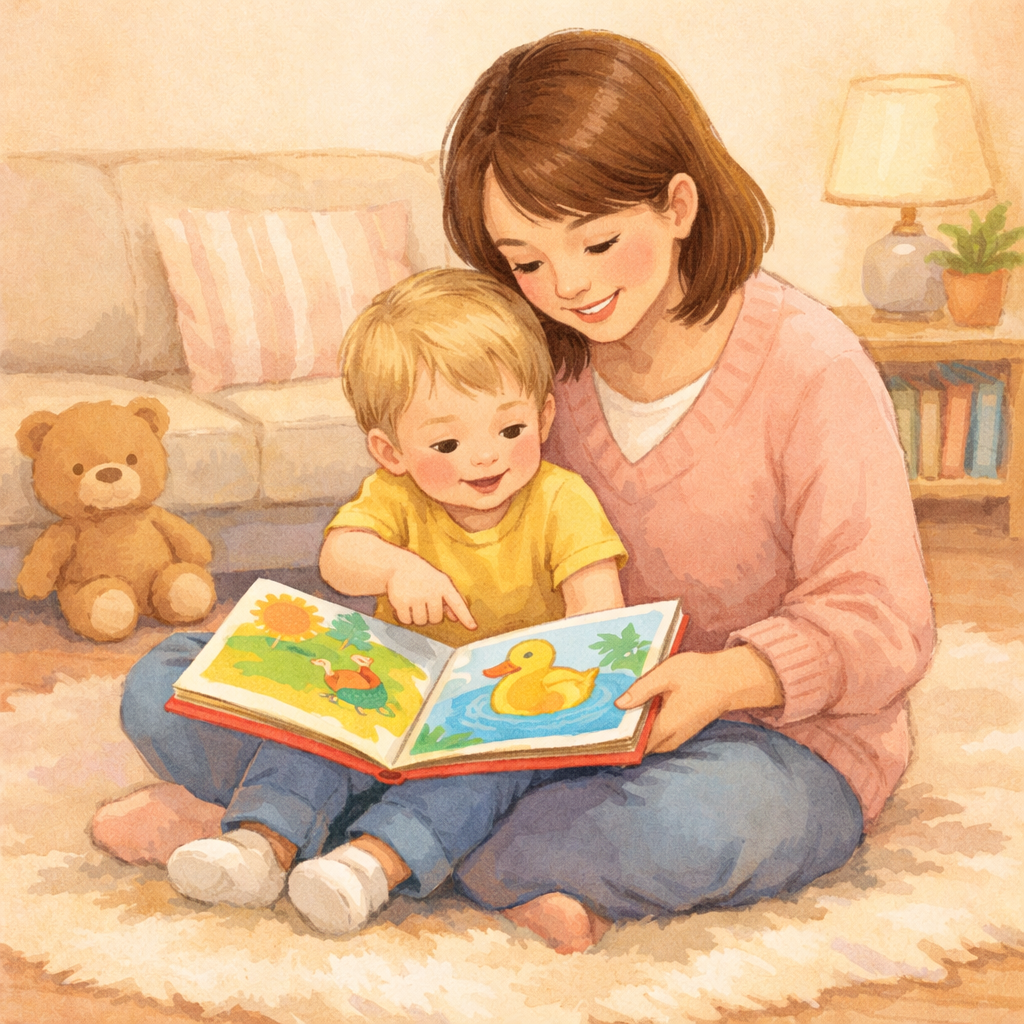
Use Books for Sound Play

Simple first words books are ideal.

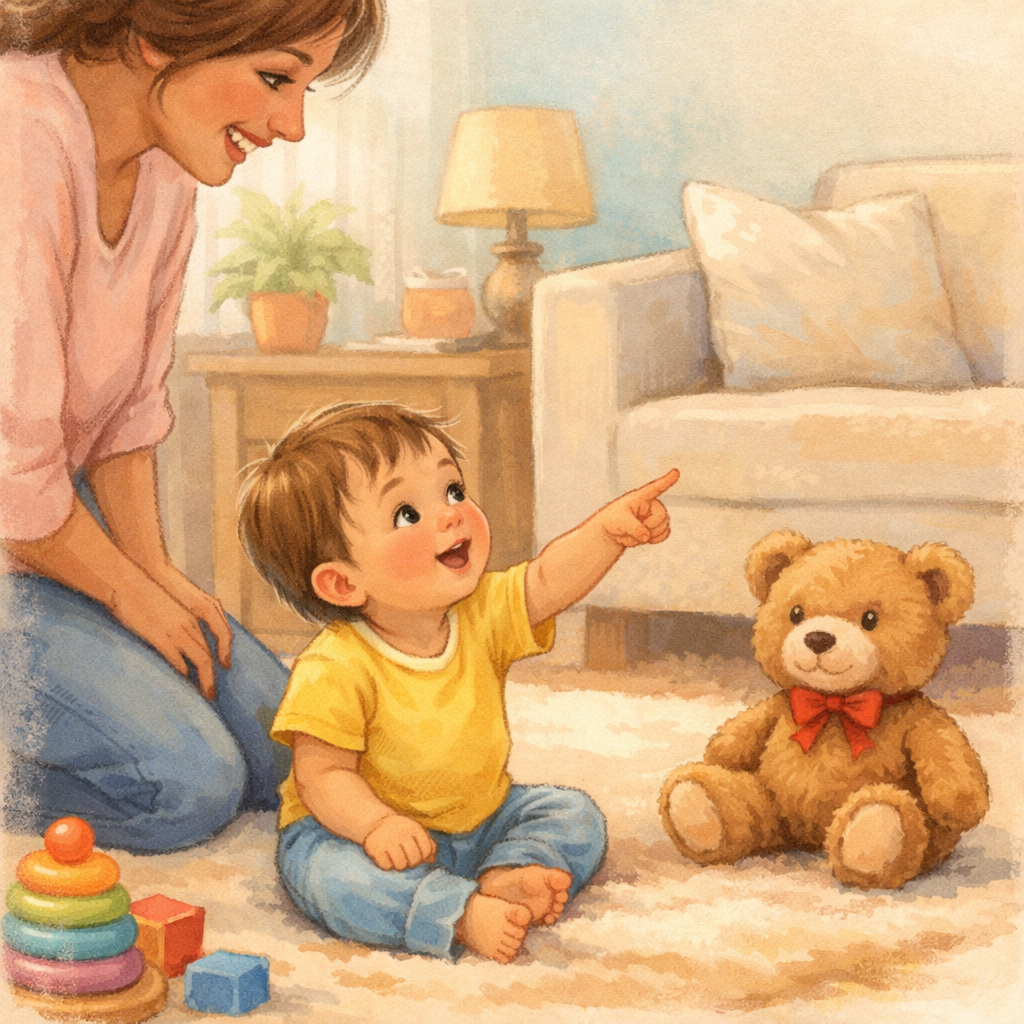
Point to one clear picture and focus on the sound.

Dog. “Woof.”
Car. “Vroom.”
Snake. “Ssssss.”

Large, uncluttered images help toddlers focus on both the picture and the sound.

What If My Toddler Doesn’t Copy?

That is completely normal.

Some children watch and listen for a long time before joining in.

Keep modelling.
Keep smiling.
Keep it relaxed.

If they see you enjoying sounds, they will be more likely to try.

Keep It Fun, Not Forced

The goal is enjoyment.

If your toddler turns away, switch activity.

If they giggle and repeat, stay with it.

Short bursts are enough.

Sound play works best when it feels like connection, not correction.

Over time, these playful sounds grow into clear words.

And it all starts with a simple “vroom” or “moo” shared together.

Newsletter

Join our Early Readers Club for fun learning tips, sneak peeks at new books, and free printable activities!
ChattyCubs™ 2026 All Rights Reserved.