ChattyCubs
£0.00 0

Basket

No products in the basket.

How to Use Visual Aids for Speech

How to Use Visual Aids for Speech

Some toddlers understand pictures more easily than spoken words.

Visual aids can reduce frustration and gently support speech development.

If you are exploring speech delay support more broadly, visit Speech Delay Support first.

What Are Visual Aids?

Visual aids are simple picture-based supports that help children understand and communicate.

They can include:
  • Picture cards
  • First words books
  • Routine charts
  • Gesture prompts
They are not replacing speech.

They are supporting it.
Why Visual Supports Help

Pictures stay visible longer than spoken words.

They give your child extra processing time.

Visual aids can:
  • Support understanding
  • Reduce communication pressure
  • Encourage pointing and requesting
  • Build vocabulary
If you are unsure whether your child has a receptive or expressive delay, see Understanding Receptive vs Expressive Delay.

Using Picture Cards at Home

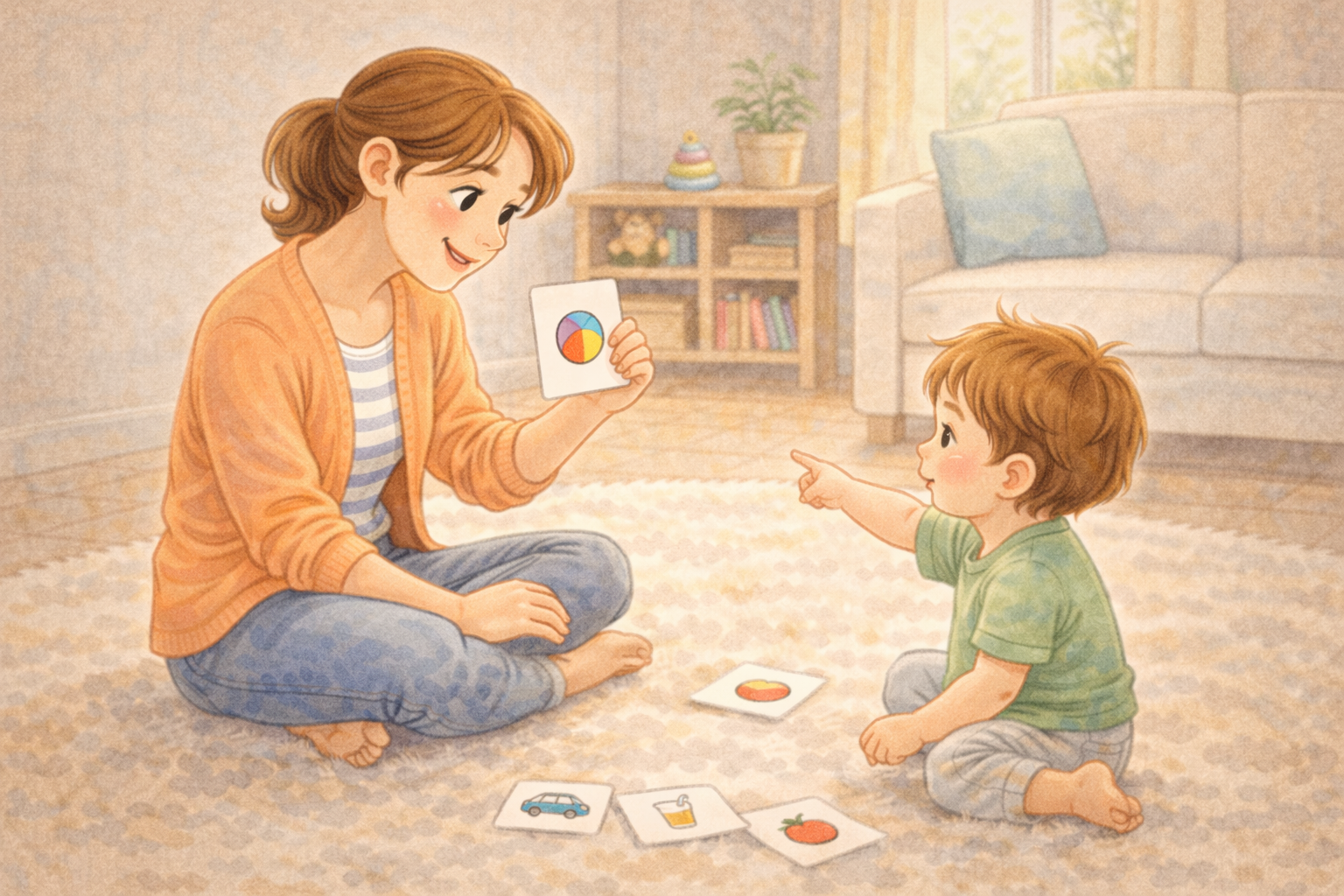
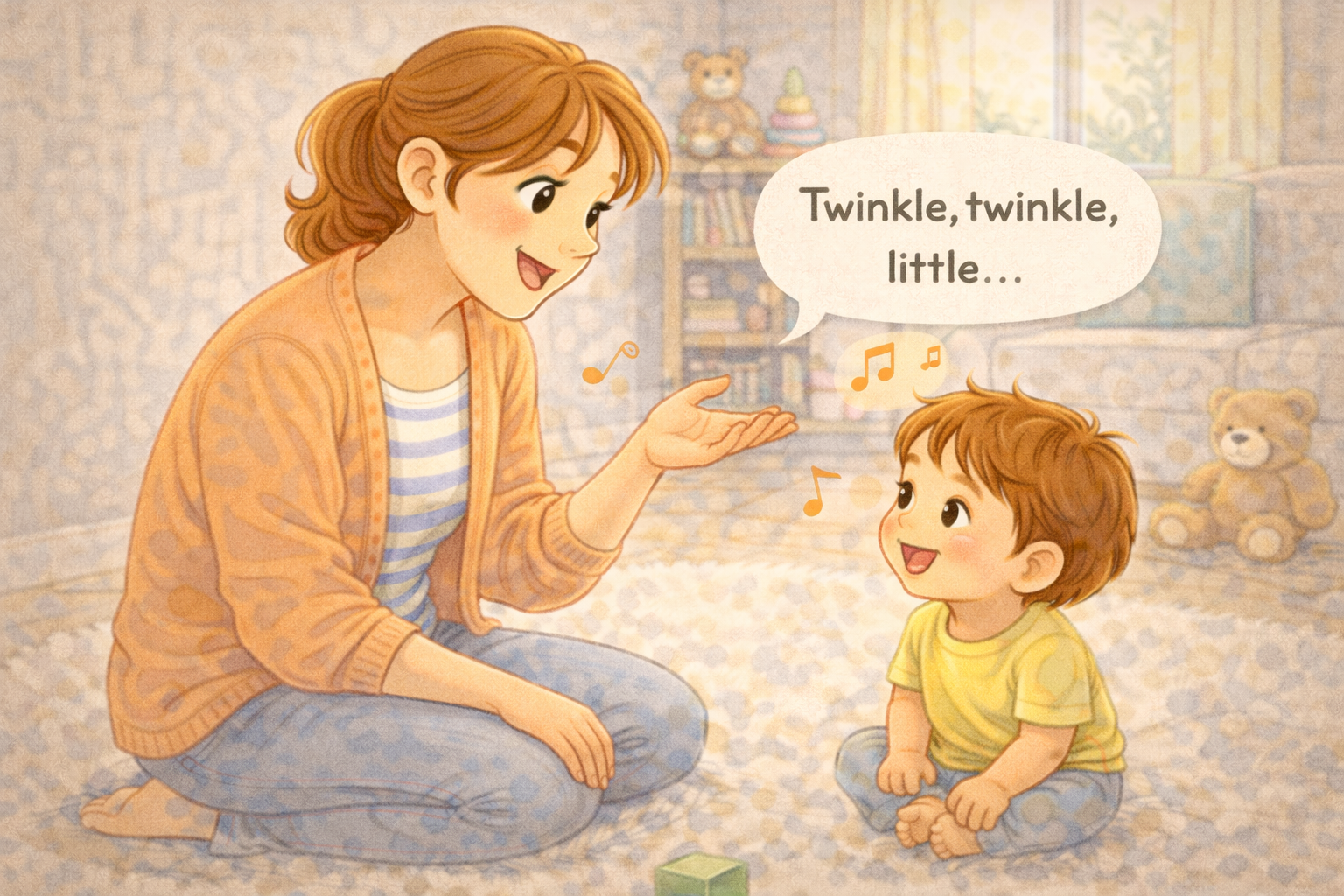
Parent showing a toddler a simple picture card to support speech.
Start with everyday objects.

For example:
  • Ball
  • Drink
  • Shoes
Say the word clearly.

Pause.

Wait for a response, even if it is pointing.

You can combine this with ideas from Speech Therapy at Home Tips.

Visual Schedules for Routines

Some toddlers feel calmer when they can see what is coming next.

A simple visual routine might show:
  • Breakfast
  • Play
  • Bath
  • Bed
You can support this further with Daily Routines That Support Speech.

Predictability builds confidence.

Pairing Visuals With Speech

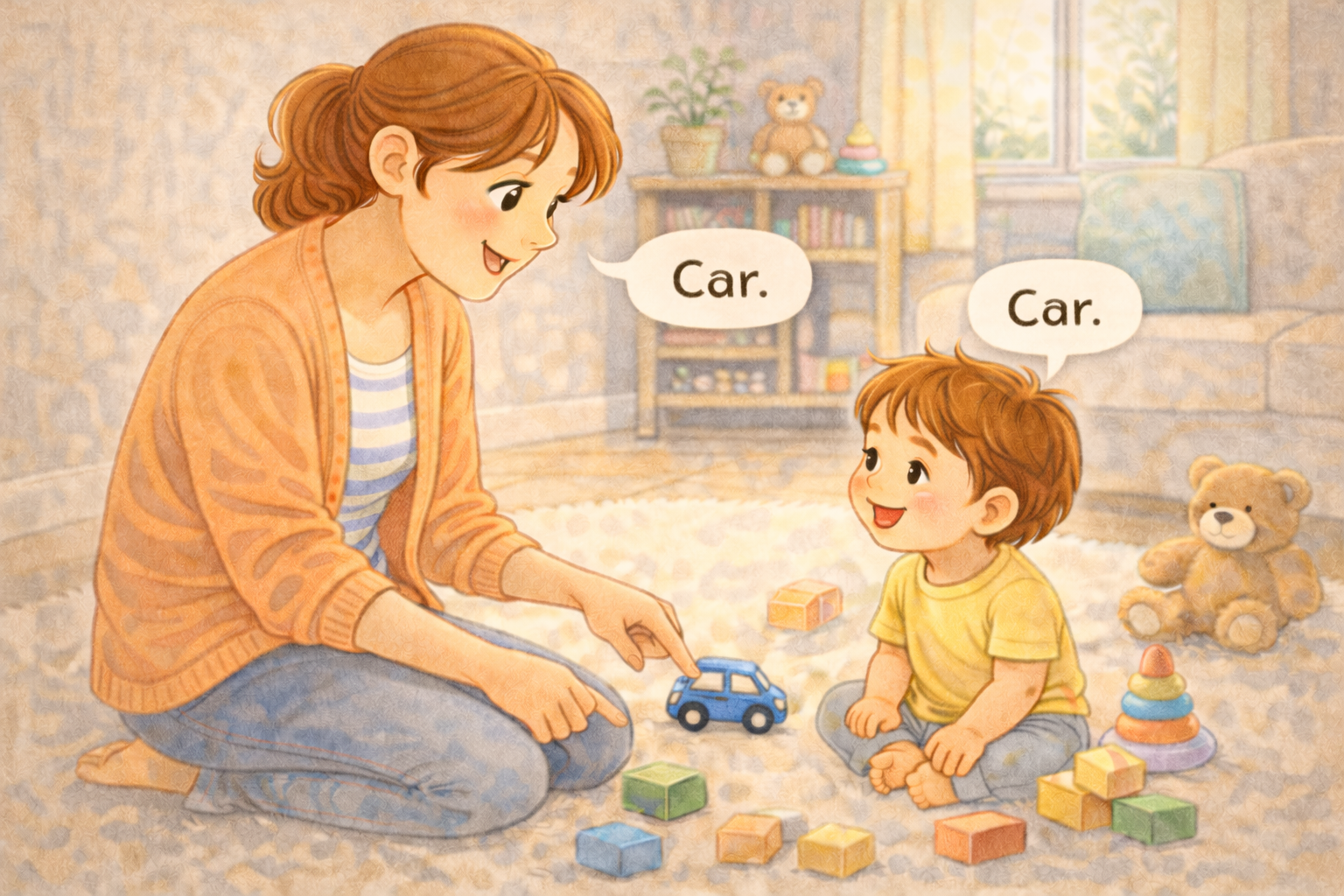
Always say the word as you show the picture.

For example:
Hold up a picture of a cup and say:
“Drink.”

Keep it simple.

Repetition builds connections between the image and the sound.

Using Visuals Alongside Sign

Visual aids work well with gesture or sign.

Explore Combining Speech and Sign Language for supportive ideas.

When Visual Aids Are Especially Helpful

Visual supports may be particularly useful if your child:
  • Becomes frustrated easily
  • Struggles to follow spoken instructions
  • Repeats words without context
If repetition without meaning is a concern, read Repeating Words Without Context.

A Gentle Reminder

Visual aids are tools, not crutches.

They build understanding and reduce pressure.

As confidence grows, speech often follows.

Small, consistent use makes the biggest difference.

Newsletter

Join our Early Readers Club for fun learning tips, sneak peeks at new books, and free printable activities!
ChattyCubs™ 2026 All Rights Reserved.