ChattyCubs
£0.00 0

Basket

No products in the basket.

Parent-Child Interaction Therapy

Parent-Child Interaction Therapy

Parent-Child Interaction Therapy focuses on strengthening the relationship between you and your child.

When speech is delayed, connection is not just emotional support. It is a foundation for communication growth.

If you are new to this topic, start with Speech Delay Support.

What Is Parent-Child Interaction Therapy?

Parent-Child Interaction Therapy, often shortened to PCIT, supports communication through guided interaction.

Rather than focusing only on words, it builds:
  • Shared attention
  • Turn-taking
  • Positive communication patterns
  • Emotional regulation
Stronger interaction naturally supports speech development.
How It Supports Speech Delay

Children learn language through responsive adults.

In interaction-based therapy, you learn to:
  • Follow your child’s lead
  • Reduce pressure to speak
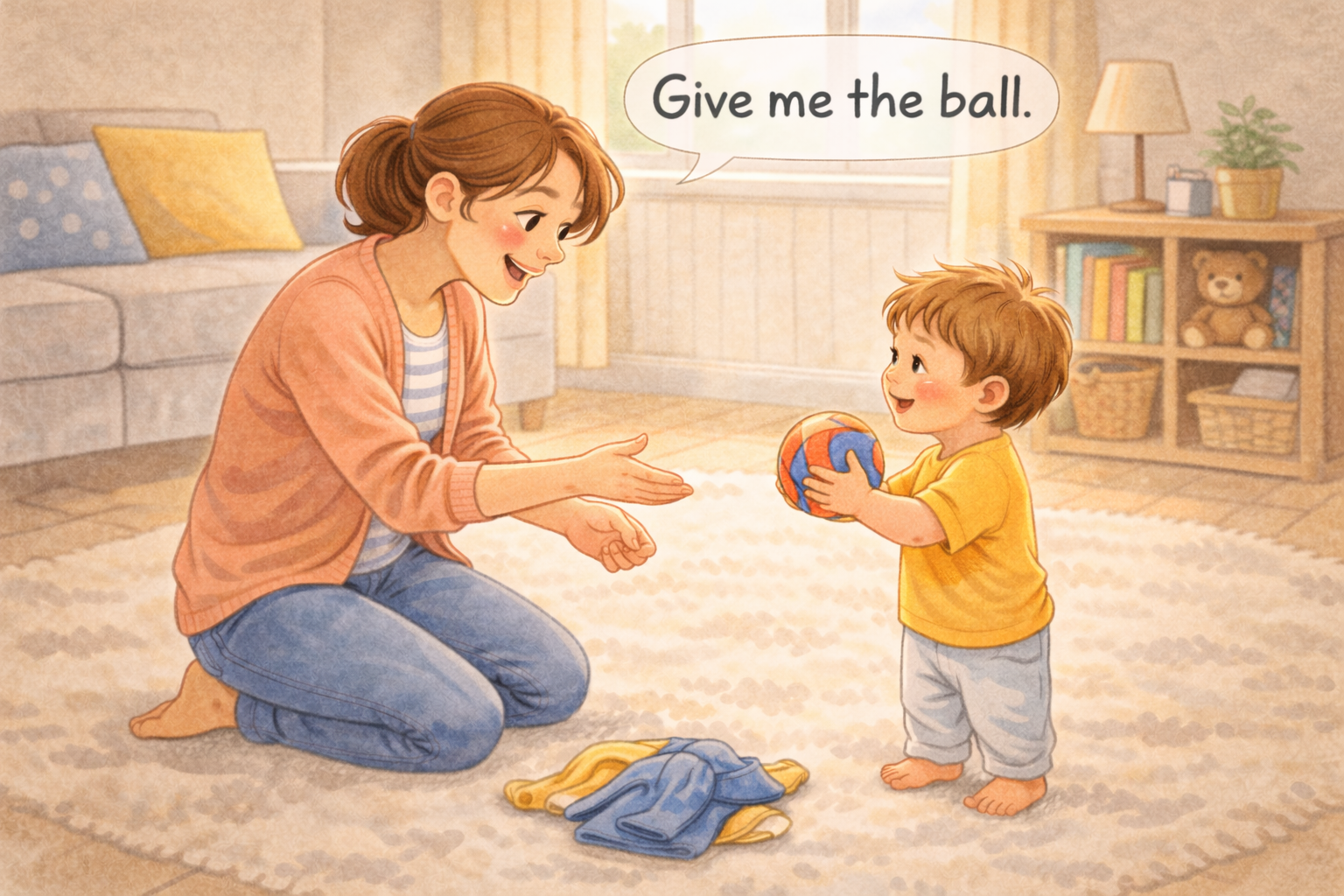
  • Model simple language
  • Pause and wait
If you are unsure whether your child has an expressive or receptive delay, see Understanding Receptive vs Expressive Delay.

What a Session May Look Like

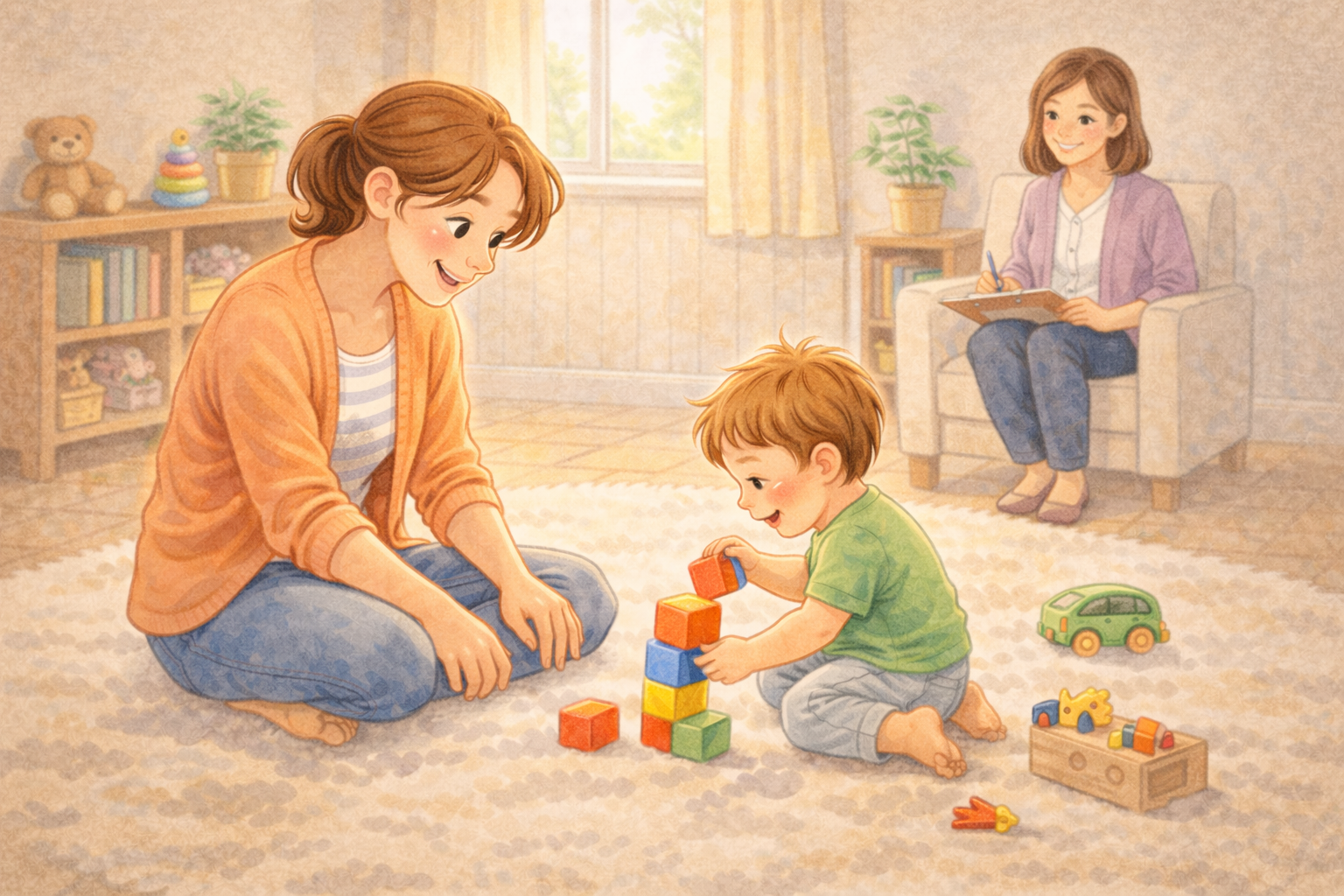
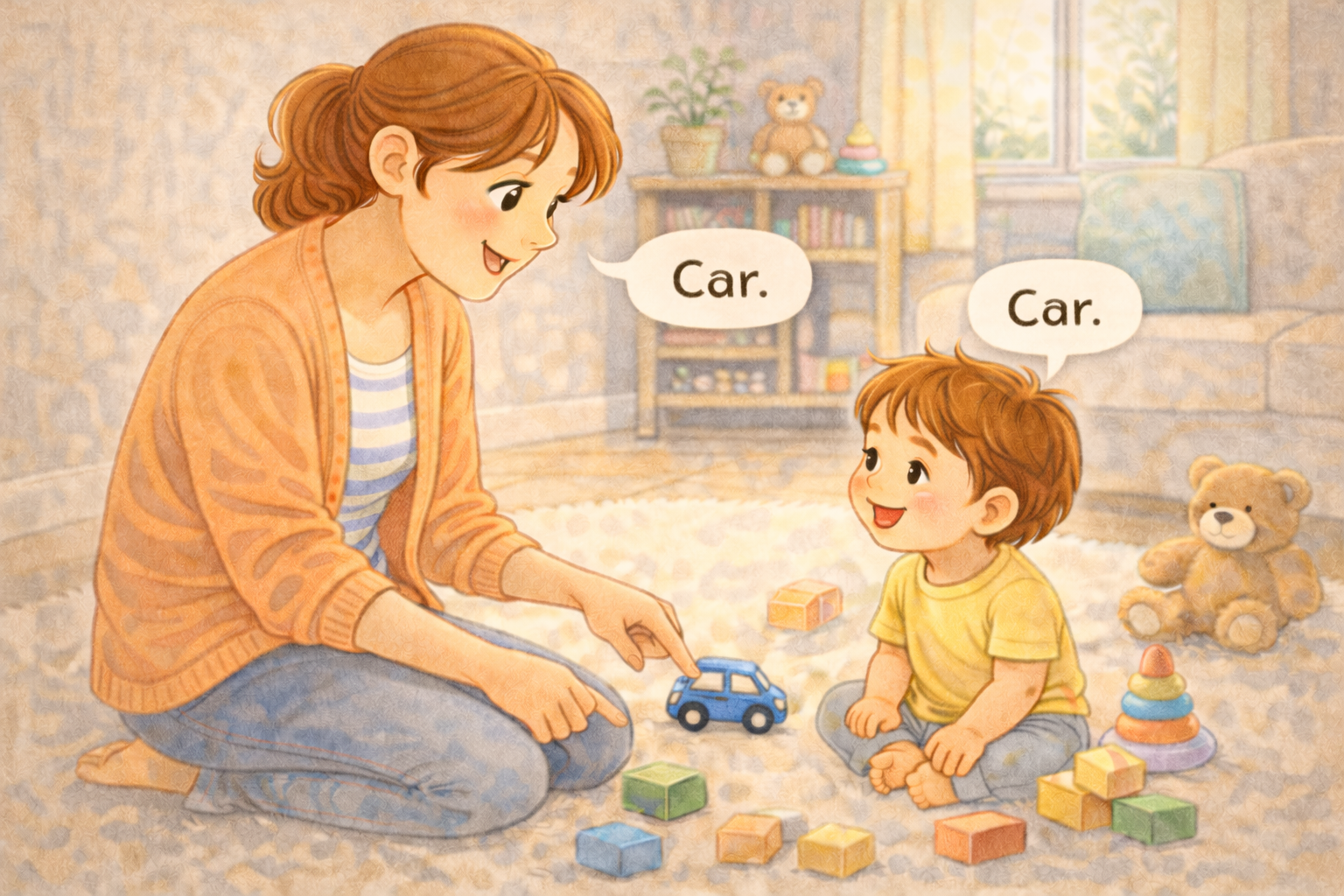
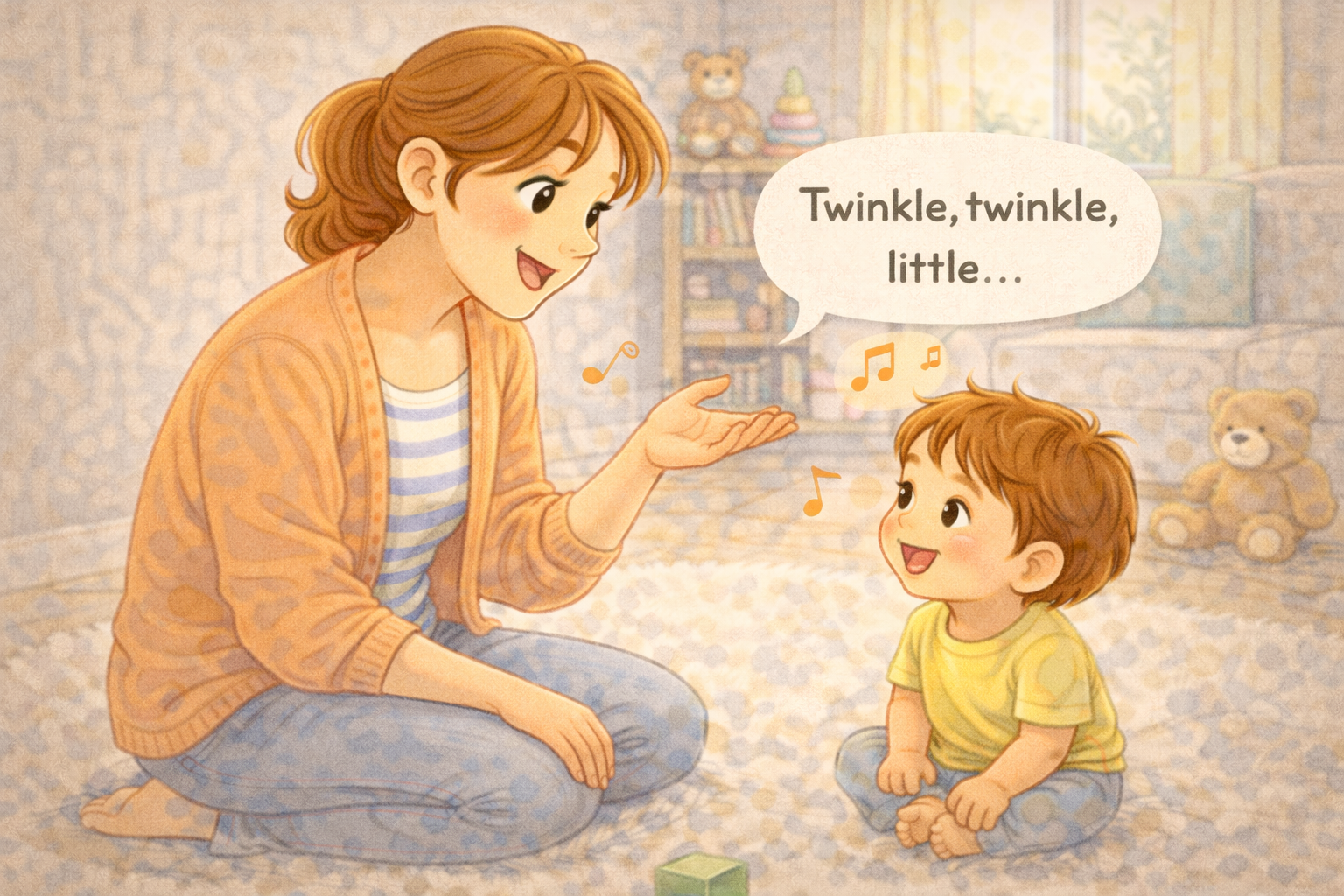
Parent and toddler playing together during a guided therapy session.
Sessions often feel like structured play.

The therapist may:
  • Observe how you interact
  • Suggest small language adjustments
  • Model responsive communication
  • Offer feedback in real time
It is practical and supportive, not formal or intimidating.

Strategies You Can Use at Home

Even without formal therapy, you can use interaction principles.

Try:
  • Getting at eye level
  • Describing what your child is doing
  • Reflecting their sounds or words
  • Praising attempts to communicate
You may find Speech Therapy at Home Tips and Games for Speech-Delayed Toddlers helpful alongside this approach.

When Behaviour and Speech Overlap

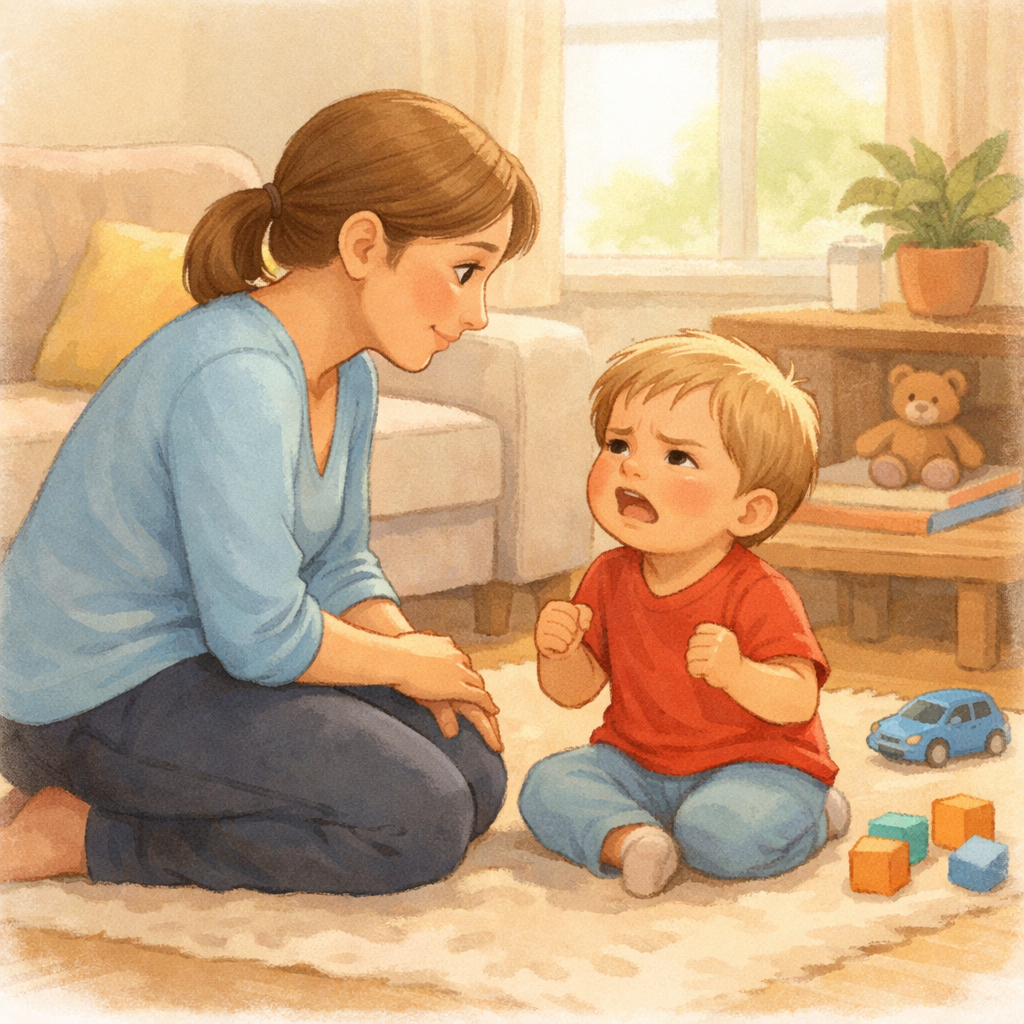
Speech delay can sometimes lead to frustration.

Interaction therapy also supports emotional regulation.

If this is a concern, visit Overcoming Frustration With Delay.

Is It Right for Your Child?

Parent-Child Interaction Therapy may be helpful if:
  • Your child avoids communication
  • There are frequent communication-based tantrums
  • You feel unsure how to respond in the moment
If you are considering professional support, read How to Talk to a Speech Therapist.

A Gentle Reminder

Your relationship is the foundation of speech growth.

Therapy techniques help, but warmth, patience and connection matter most.

Language grows best in safe, responsive relationships.

Newsletter

Join our Early Readers Club for fun learning tips, sneak peeks at new books, and free printable activities!
ChattyCubs™ 2026 All Rights Reserved.