ChattyCubs
£0.00 0

Basket

No products in the basket.

Understanding Echolalia

Understanding Echolalia

If your toddler repeats words or phrases exactly as they hear them, you may have come across the term echolalia.

Hearing your child echo language without clear meaning can feel confusing.

Often, it is a stage of development.

If you are exploring speech concerns more broadly, visit Speech Delay Support.

What Is Echolalia?

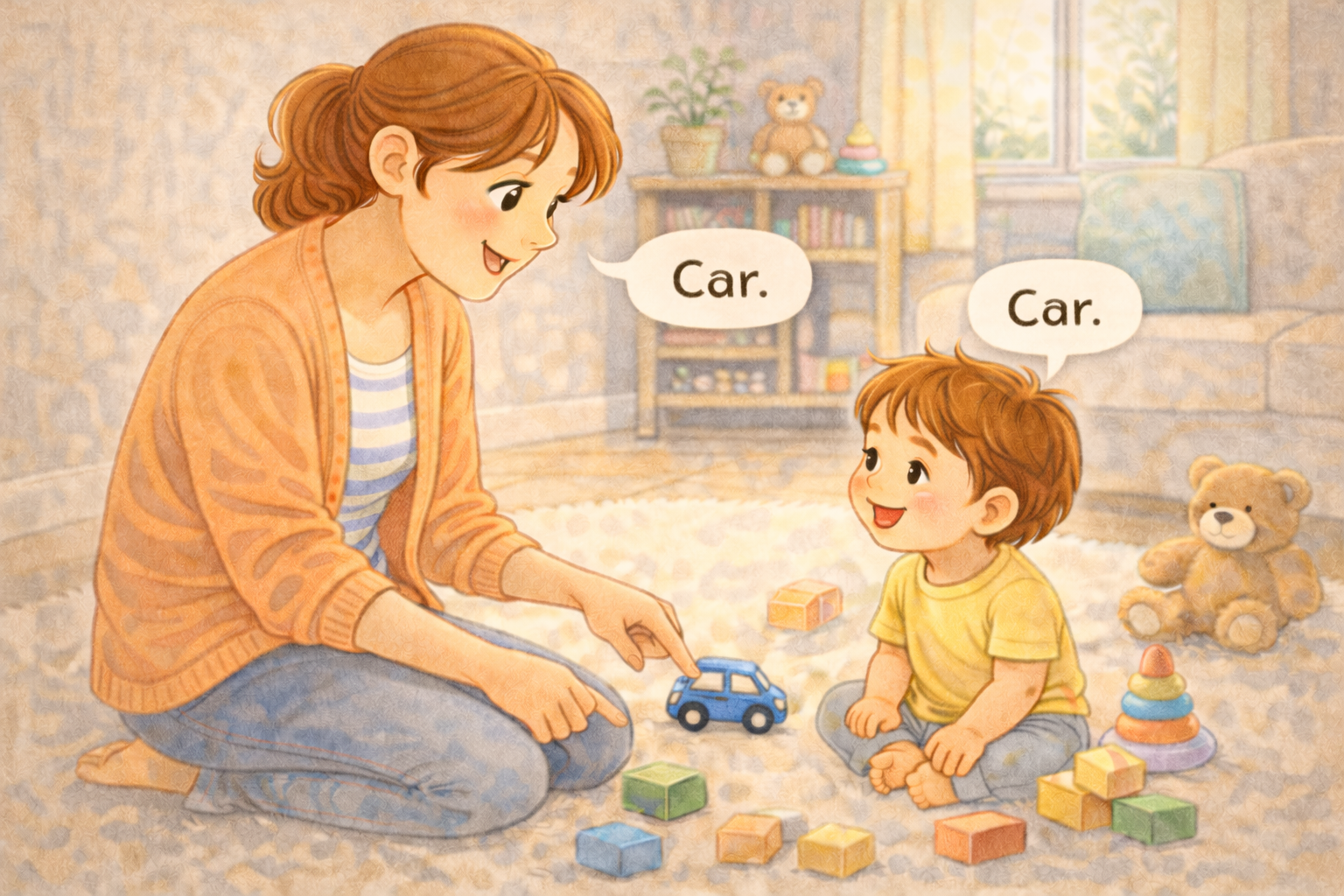
Echolalia is when a child repeats words or phrases spoken by someone else.

This might include:
  • Repeating a question instead of answering it
  • Echoing lines from books or TV
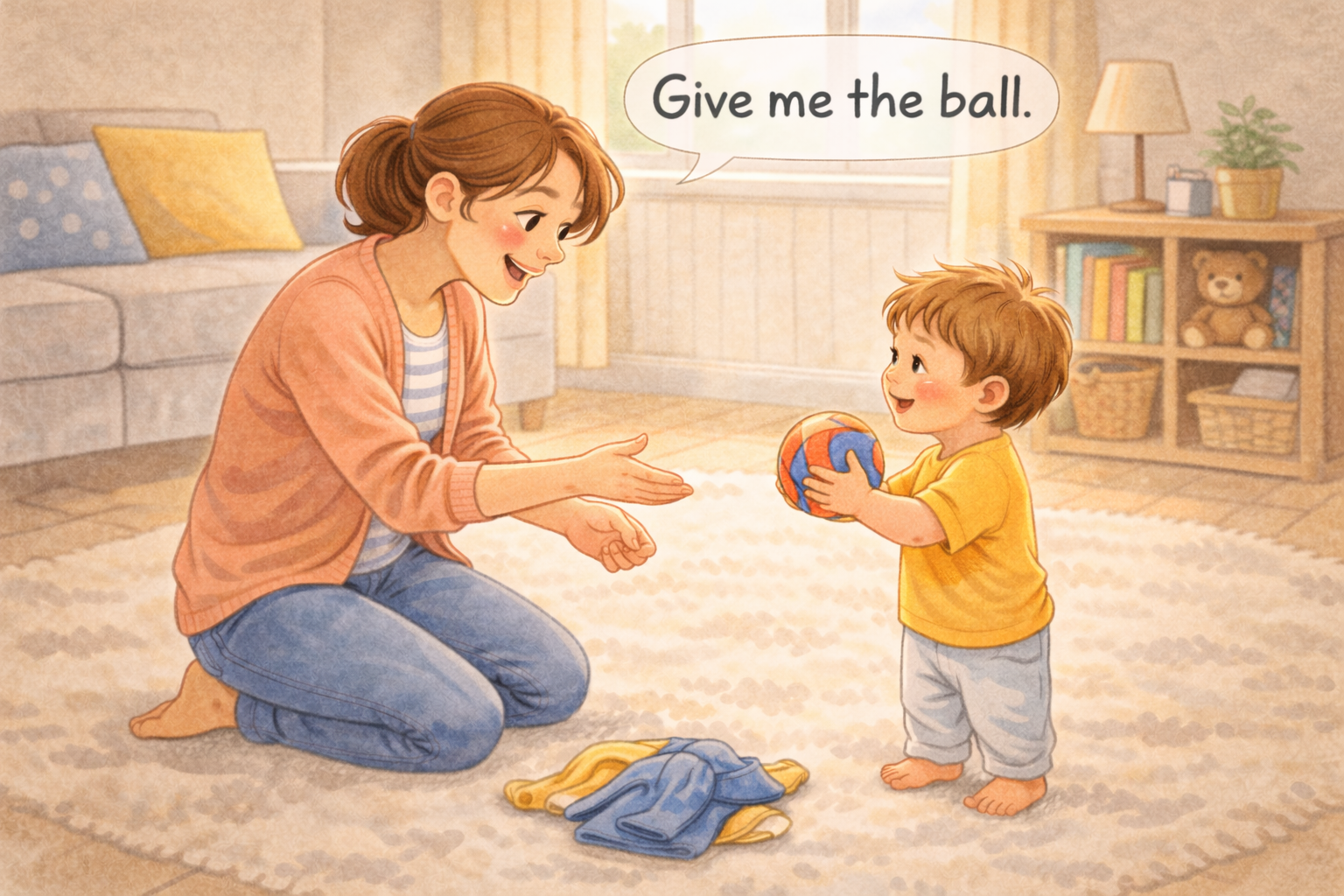
  • Repeating your sentence immediately after you say it
In young toddlers, some repetition is completely typical.

Why Do Children Echo Words?

Repetition can serve different purposes.

Children may echo language to:
  • Practise new sounds
  • Process what they have heard
  • Buy time to think
  • Communicate in a way they can manage
Echolalia is not always a negative sign.

Sometimes it shows that a child is listening carefully.

When Is Echolalia Typical?

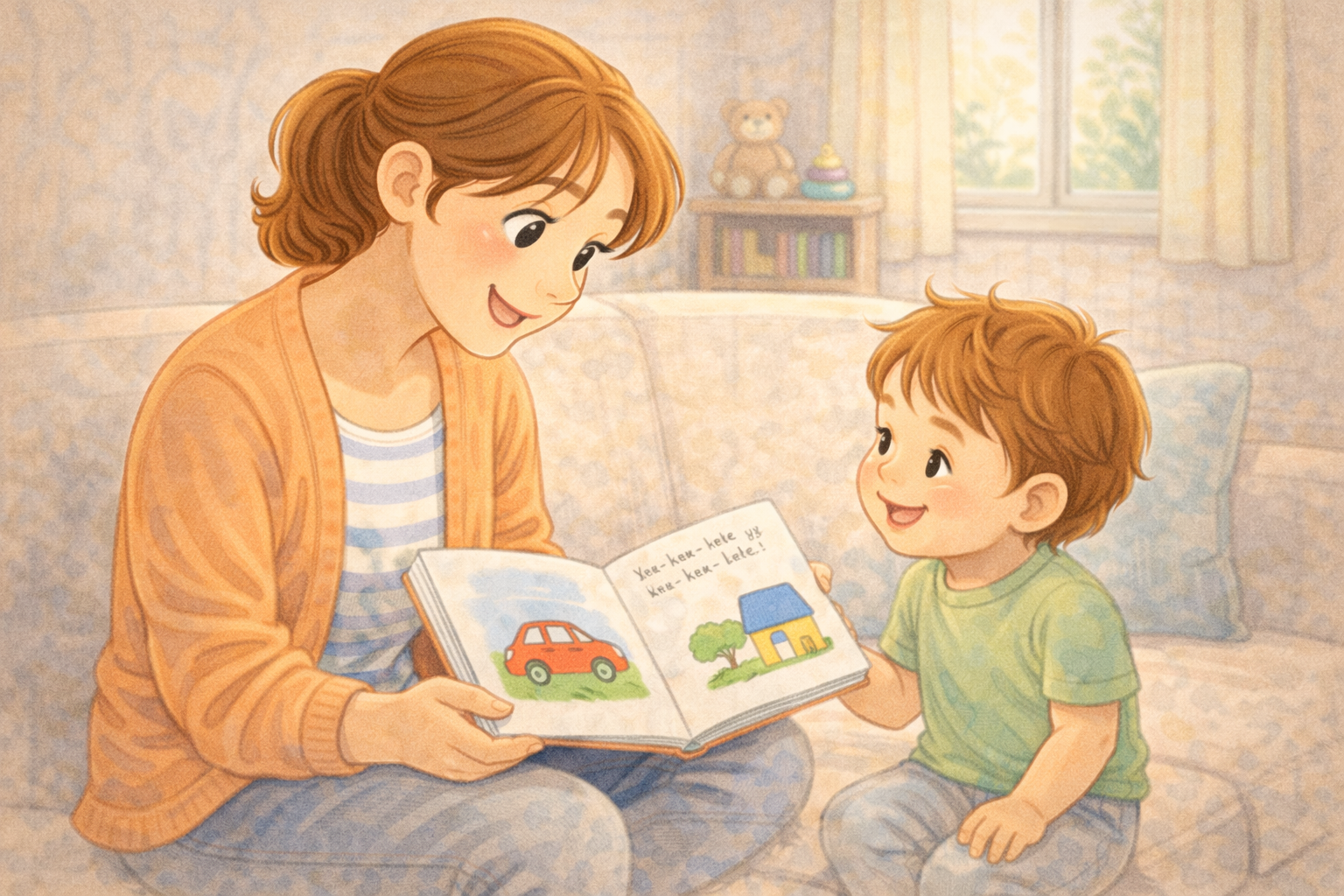
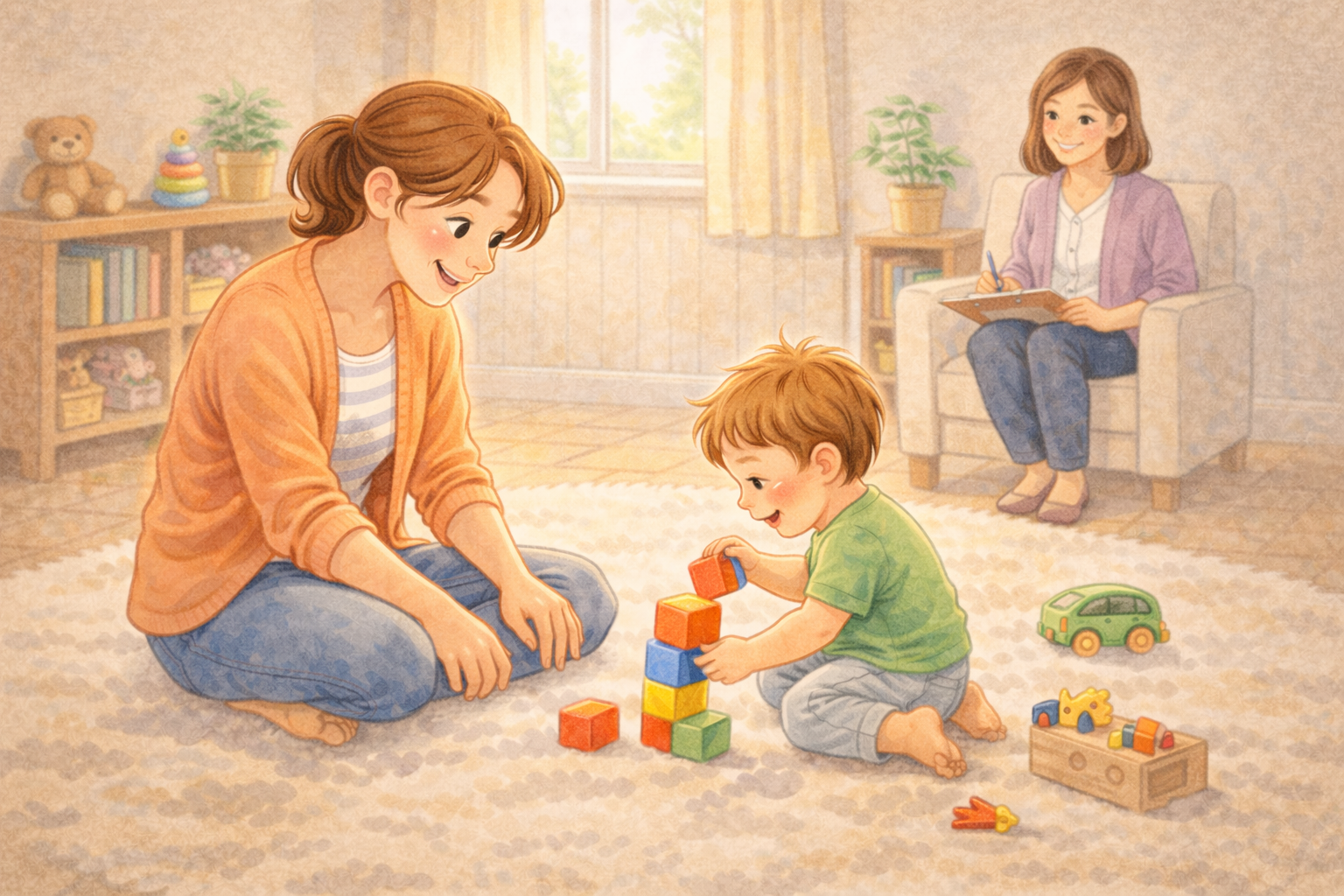
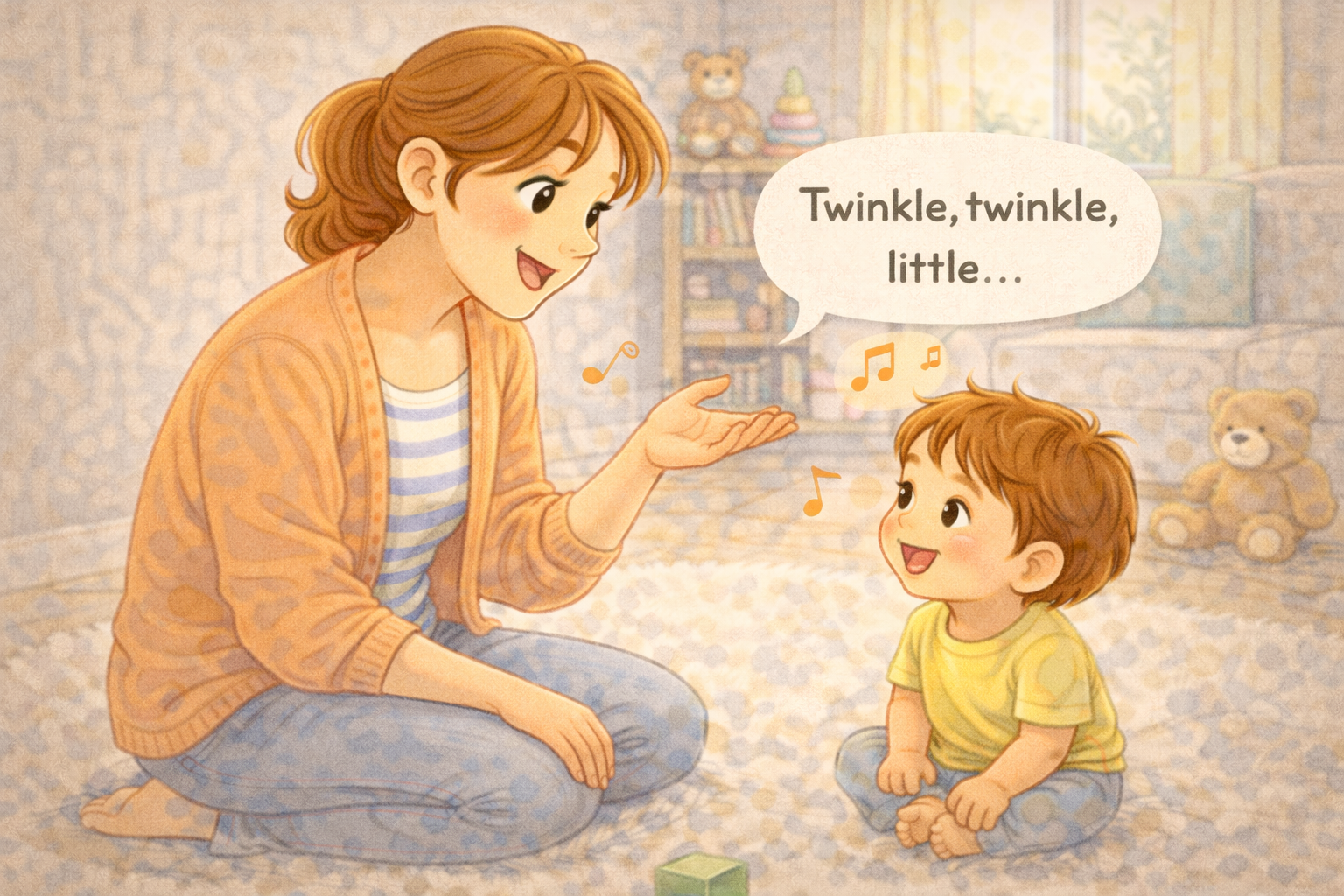
Toddler repeating a familiar phrase while being read a book.
Many toddlers repeat favourite book lines or song lyrics.

This is especially common between ages 2 and 3.

Repetition helps build memory and confidence.

You can support this through Using Songs to Boost Speech.

When Might Echolalia Need Support?

It may be helpful to seek advice if:
  • Repetition replaces most spontaneous speech
  • Your child rarely answers questions directly
  • Understanding seems limited
  • Repetition continues without change over time
If you are unsure whether other delays are present, revisit How to Spot a Speech Delay.

How to Respond to Echolalia

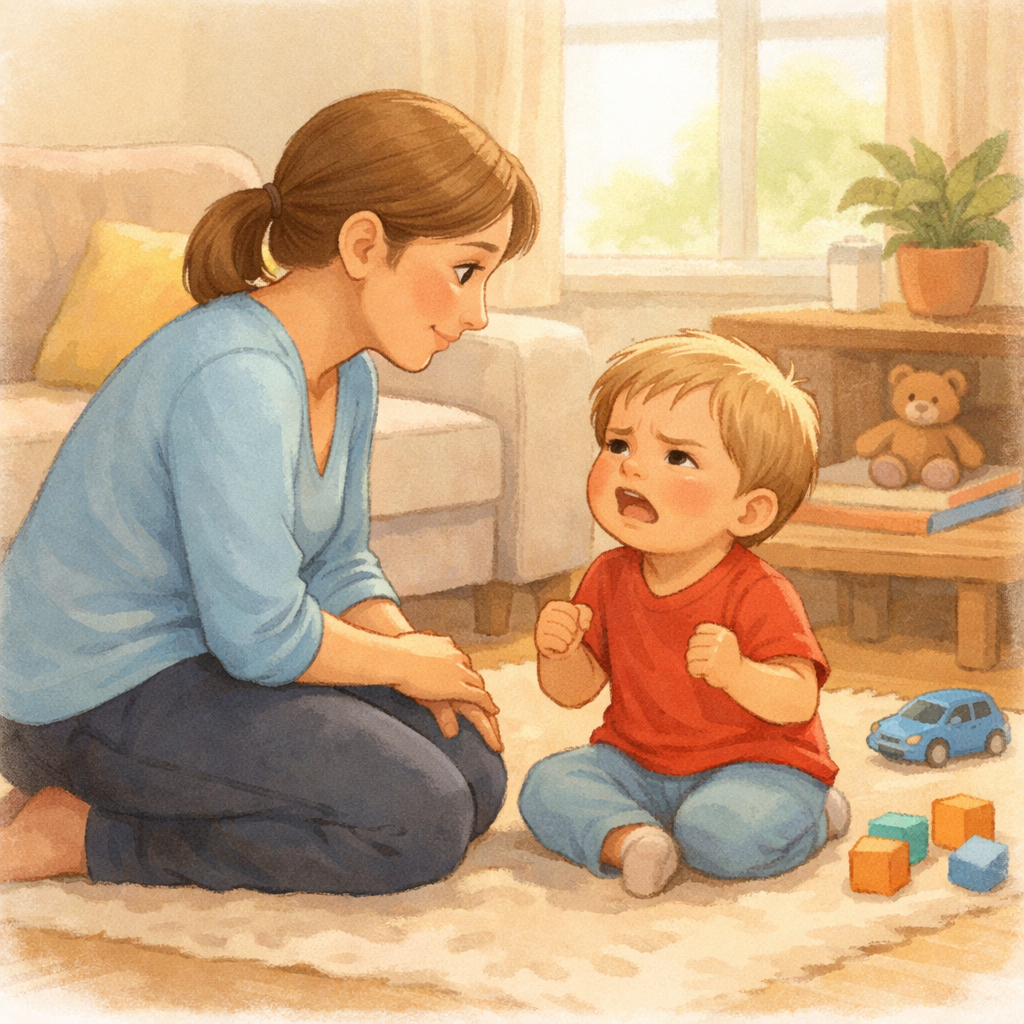
Stay calm.

Avoid correcting harshly.

Instead:
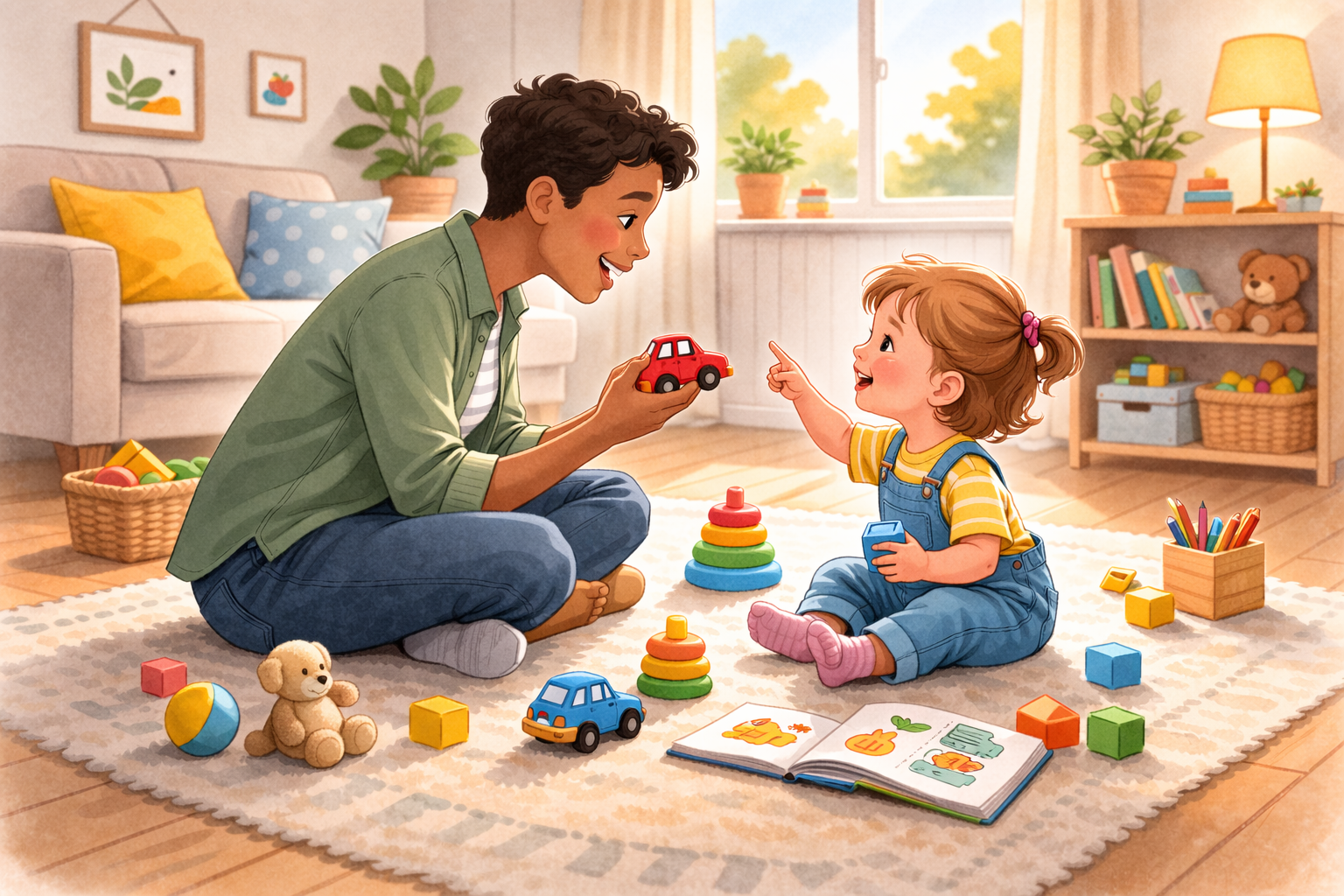
  • Model the correct response gently
  • Keep language short and clear
  • Offer simple choices
For example:

If your child repeats, “Do you want juice?”

You might respond:
“Juice or milk?”

You can combine this with Speech Therapy at Home Tips.

Echolalia and Other Speech Patterns

Sometimes echolalia appears alongside:
Understanding patterns helps you respond in the right way.

A Reassuring Reminder

Echolalia often means your child is trying.

They are experimenting with language.

With gentle modelling and consistent support, repetition can gradually turn into flexible speech.

Your calm response makes that transition easier.

Newsletter

Join our Early Readers Club for fun learning tips, sneak peeks at new books, and free printable activities!
ChattyCubs™ 2026 All Rights Reserved.