ChattyCubs
£0.00 0

Basket

No products in the basket.

Delayed Sentence Formation

Delayed Sentence Formation

Many toddlers start with single words.

Over time, those words join together into short sentences.

If that step feels slow, you may be noticing delayed sentence formation.

If you are new to this topic, begin with Speech Delay Support for a full overview.

What Is Delayed Sentence Formation?

Delayed sentence formation means a child uses single words but is slow to combine them.

For example, instead of saying:
“I want juice.”

They may say:
“Juice.”

By around age 2, many toddlers begin putting two words together.

Every child develops at their own pace, but combining words is an important milestone.

If you are unsure about age expectations, revisit How to Spot a Speech Delay.
Why Some Children Struggle to Combine Words

There can be different reasons:
  • Limited vocabulary
  • Receptive language delay
  • Expressive language delay
  • Lack of confidence
Understanding whether comprehension is strong can help. See Understanding Receptive vs Expressive Delay.

How to Encourage Sentence Building

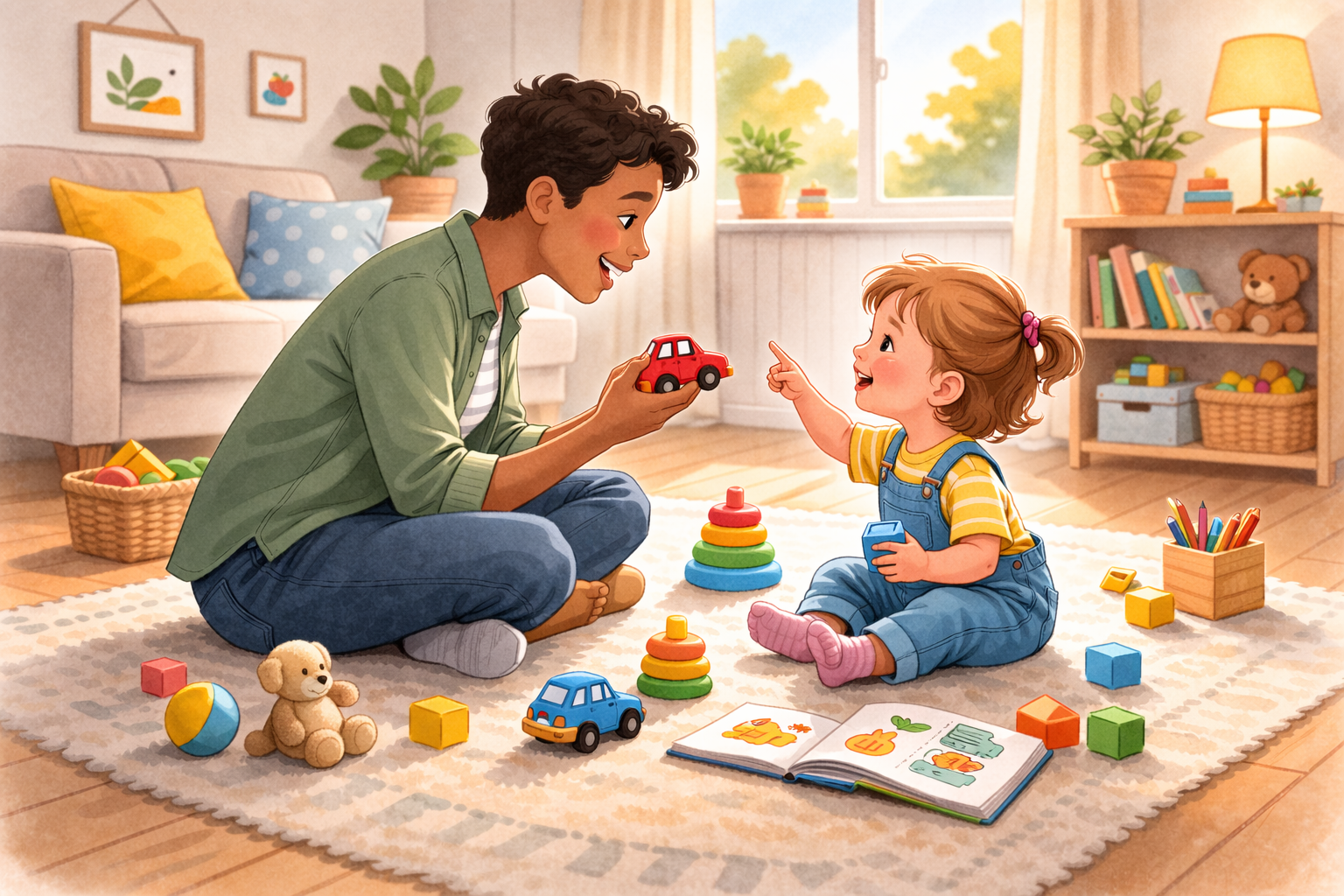
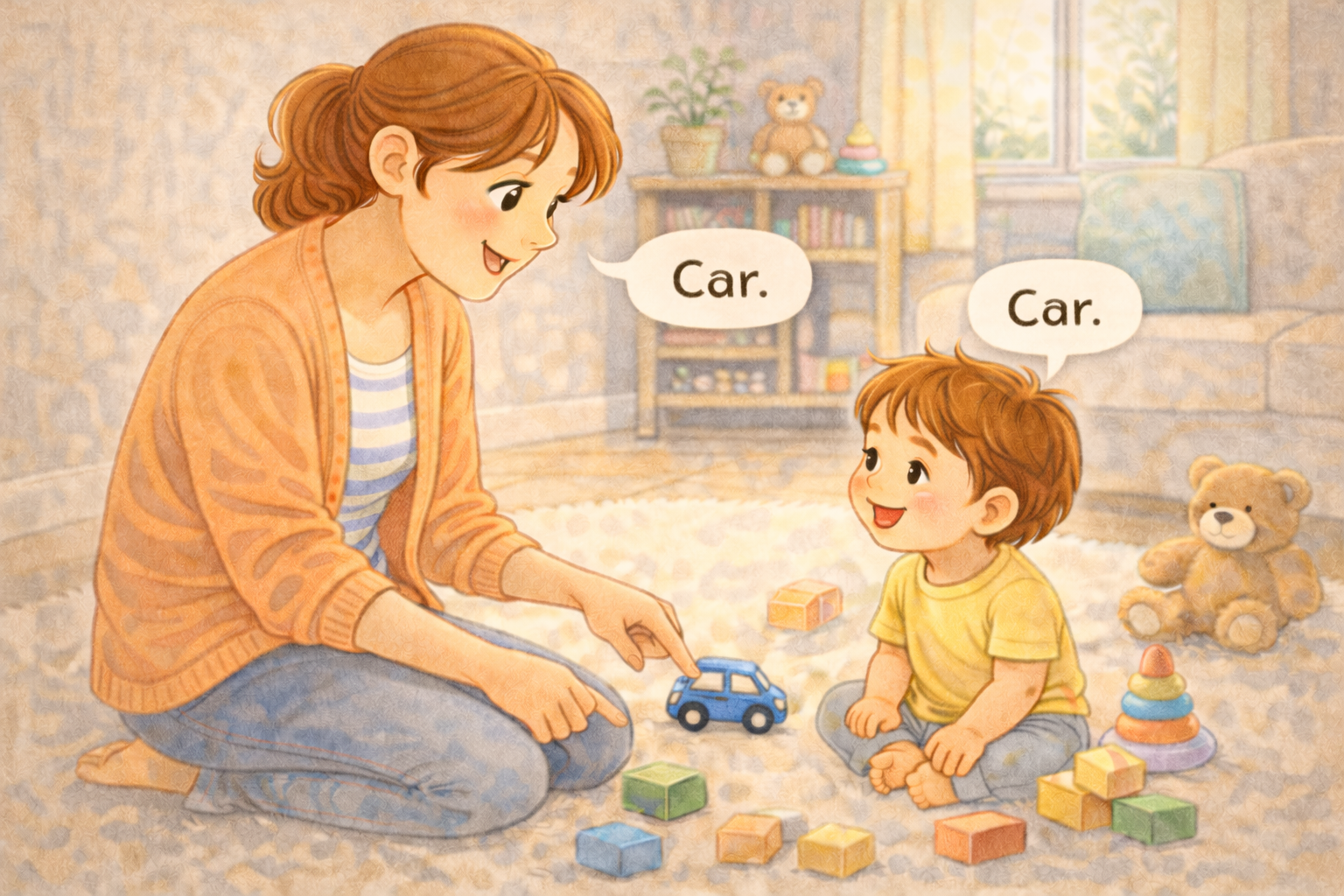
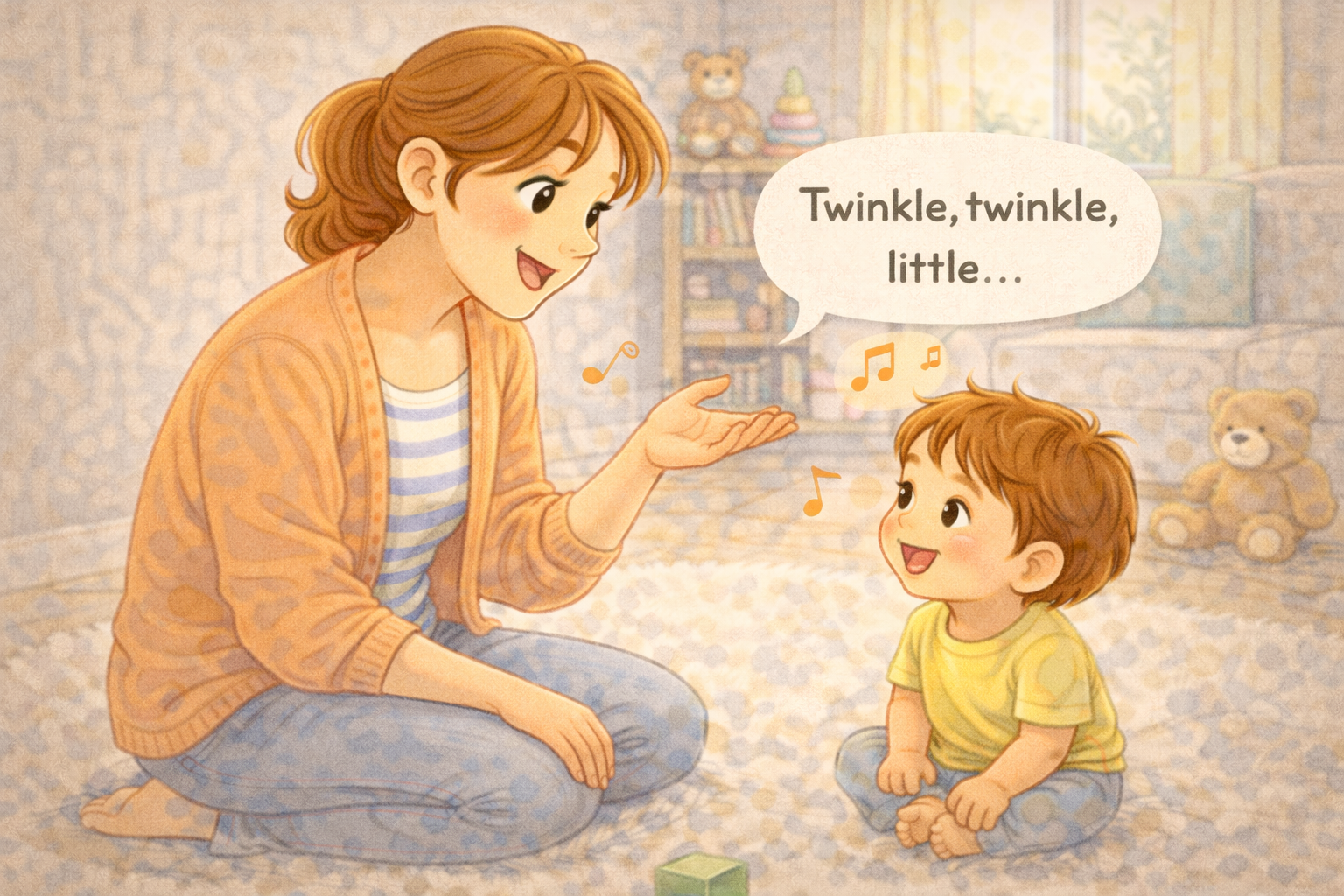
Parent expanding toddler’s word into a short sentence during play.
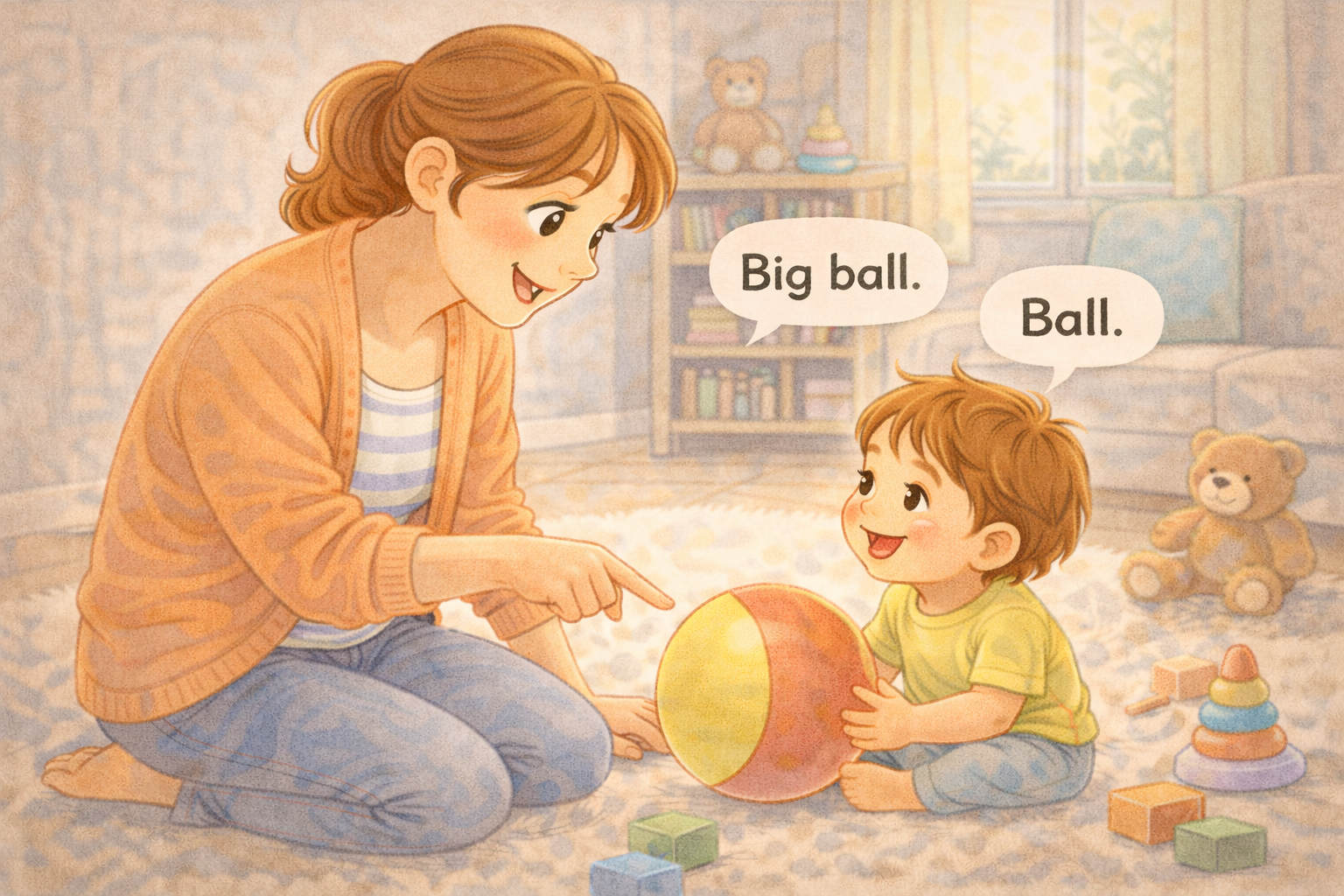
When your child says one word, expand it gently.

If they say:
“Car.”

You can say:
“Blue car.”

Or:
“Car go.”

Keep it simple.

Keep it natural.

Use Everyday Routines

Sentence growth happens best in real life.

You can practise during:
Repetition in predictable settings builds confidence.

Avoid Pressure

It can be tempting to say:
“Say it properly.”

Instead:
  • Model the sentence
  • Smile and respond positively
  • Celebrate any attempt
Pressure can reduce confidence.

Modelling builds it.

When to Seek Support

Consider professional advice if:
  • Your child is over 2 and not combining words
  • Vocabulary is very limited
  • Frustration is increasing
You can prepare by reading How to Talk to a Speech Therapist.

You may also find Speech Therapy at Home Tips helpful.

A Gentle Reminder

Sentence building is a skill that grows gradually.

First words come.

Then short phrases.

Then longer thoughts.

With calm modelling and consistent support, progress builds step by step.

Newsletter

Join our Early Readers Club for fun learning tips, sneak peeks at new books, and free printable activities!
ChattyCubs™ 2026 All Rights Reserved.