ChattyCubs
£0.00 0

Basket

No products in the basket.

Understanding Receptive vs Expressive Delay

Understanding Receptive vs Expressive Delay

When parents worry about speech delay, one of the first questions is this:

“Do they understand me?”

There is an important difference between receptive and expressive language.

Understanding that difference helps you respond calmly and support your child in the right way.

If you are new to this topic, visit Speech Delay Support for a full overview.

What Is Receptive Language?

Receptive language is what your child understands.

It includes:
  • Following simple instructions
  • Responding to their name
  • Pointing to objects when named
  • Understanding familiar routines
A child with strong receptive skills may understand far more than they can say.

What Is Expressive Language?

Expressive language is what your child can say or communicate outwardly.

It includes:
  • Using single words
  • Combining two words
  • Making requests
  • Answering simple questions
Some toddlers understand everything but struggle to express themselves.

This is called an expressive delay.
How to Tell the Difference

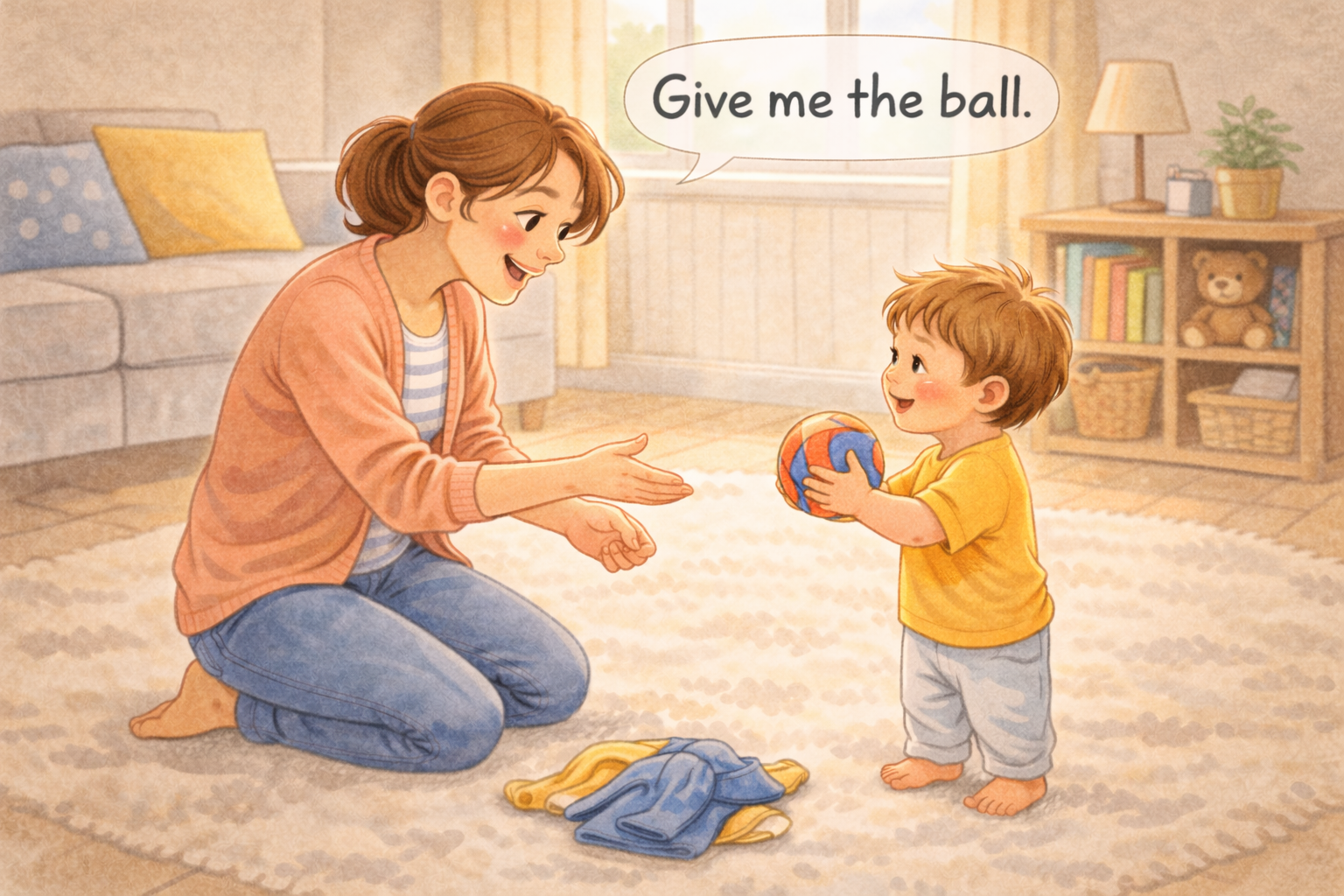
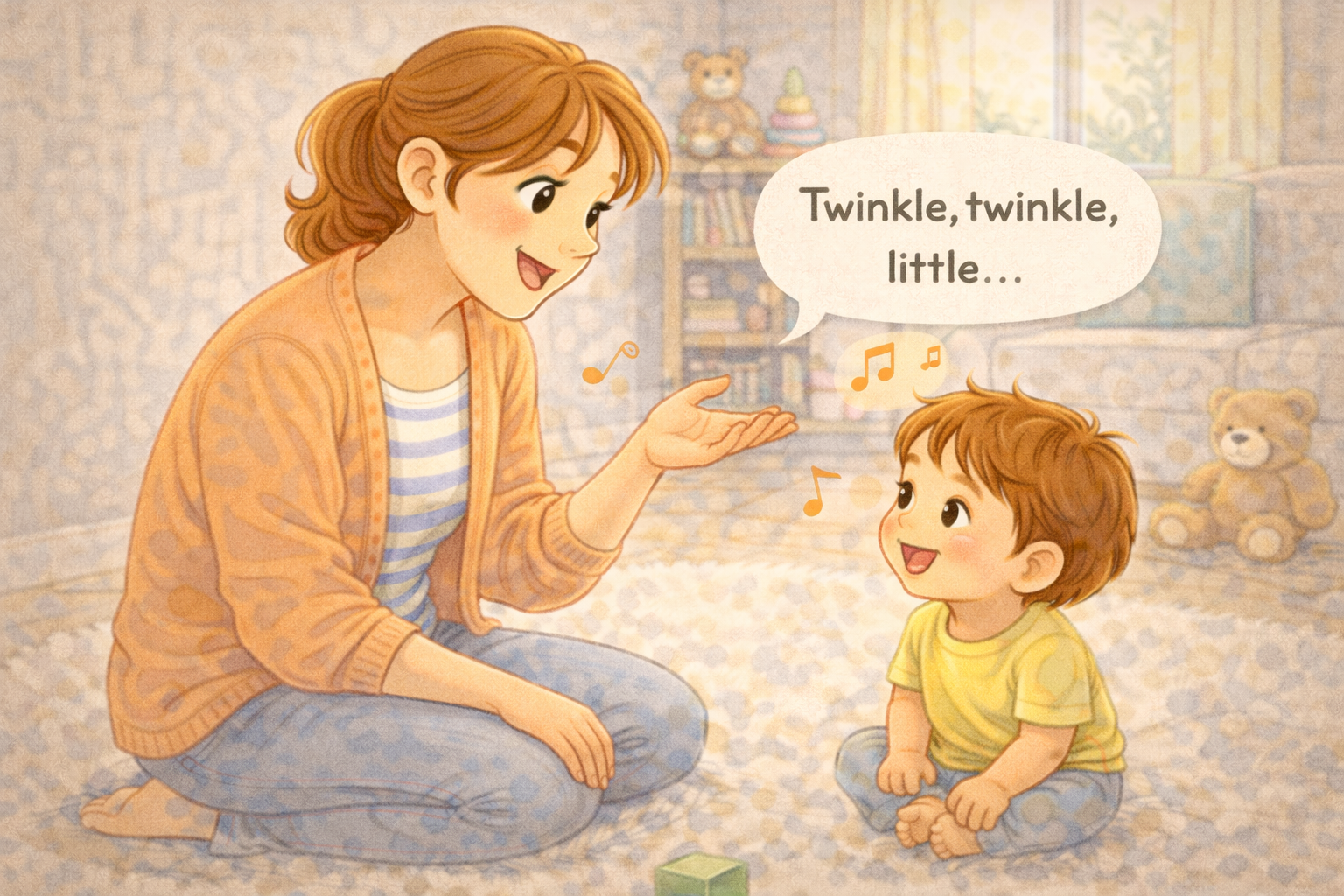
Parent giving a simple instruction to see if toddler understands.
Try simple observations:
  • If you say “Get your shoes,” do they respond?
  • If you ask “Where’s the dog?” do they look or point?
  • Do they follow everyday routines easily?
If understanding is strong but speech is limited, you are likely seeing an expressive delay.

If both understanding and speaking seem limited, receptive language may also need support.

If you are unsure whether your child’s development is typical, read How to Spot a Speech Delay.

Supporting an Expressive Delay

When understanding is good but words are few:
  • Model short, clear phrases
  • Expand on single words
  • Pause and wait for attempts
You may find Speech Therapy at Home Tips and Games for Speech-Delayed Toddlers helpful.

Supporting a Receptive Delay

When understanding is also limited:
  • Use fewer words
  • Pair words with gestures
  • Use visual supports
Explore How to Use Visual Aids for Speech and Combining Speech and Sign Language for practical strategies.

When to Seek Advice

If you notice:
  • Little response to name
  • Difficulty following simple instructions
  • Very limited spoken words by age 2
It is wise to seek guidance.

You can learn what to expect in How to Talk to a Speech Therapist.

If hearing might be a concern, visit Speech Delay and Hearing Checks.

A Reassuring Reminder

Many toddlers with expressive delays catch up quickly with support.

Language development is not always even.

Some children build understanding first.

Words often follow.

Your role is not to diagnose.

It is to notice, respond and support gently.

Newsletter

Join our Early Readers Club for fun learning tips, sneak peeks at new books, and free printable activities!
ChattyCubs™ 2026 All Rights Reserved.