ChattyCubs
£0.00 0

Basket

No products in the basket.

Feeding and Speech Delay Connection

Feeding and Speech Delay Connection

Feeding and speech are more closely linked than many parents realise.

The same muscles used for chewing, swallowing and drinking are also used for speaking.

If you are concerned about your toddler’s speech, visit Speech Delay Support for a full overview first.

How Feeding and Speech Are Connected

Speech relies on strong, coordinated mouth movements.

These include:
  • Lip control
  • Tongue movement
  • Jaw stability
  • Breath control
Difficulties in one area can sometimes affect the other.
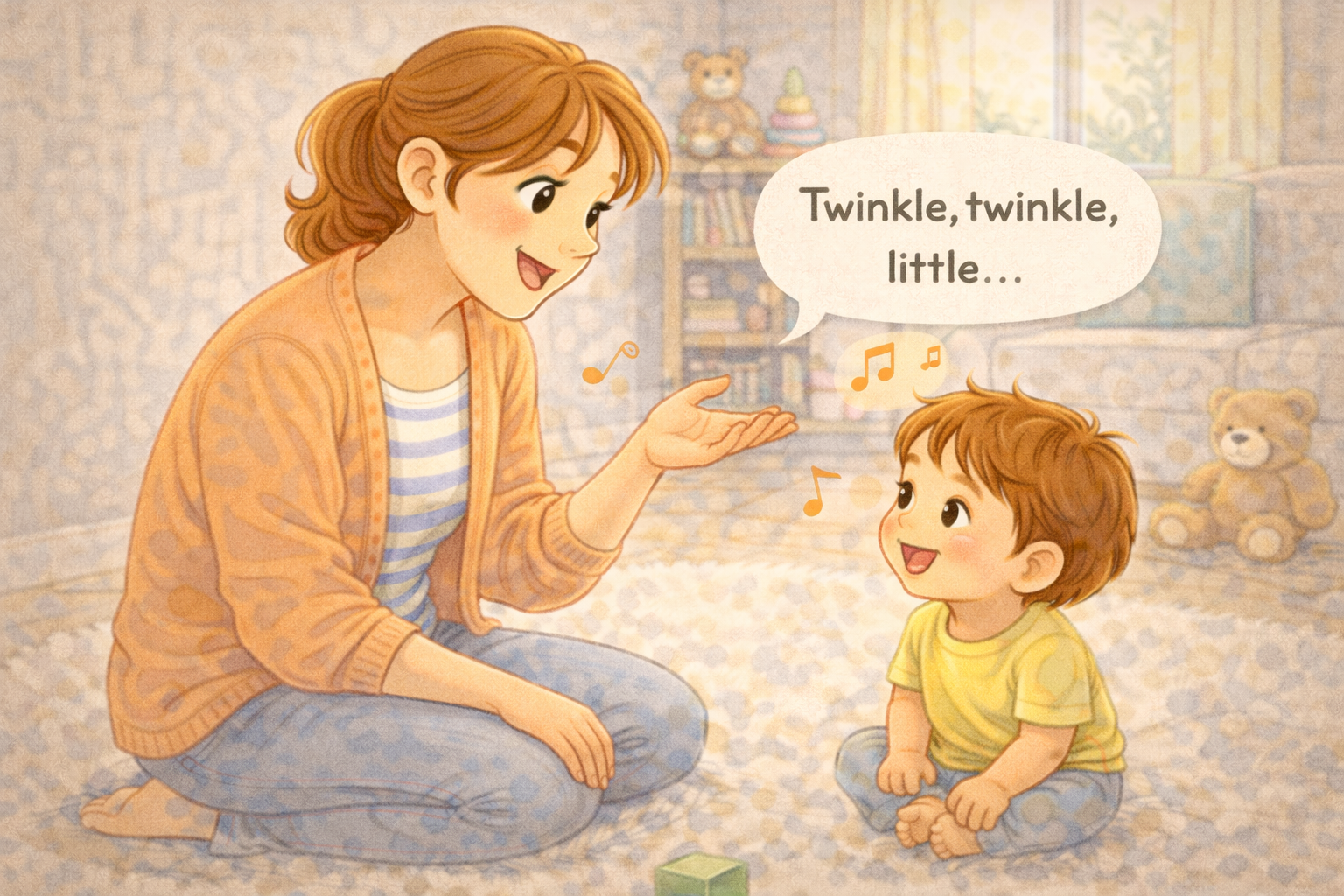
Signs Feeding May Be Linked to Speech

Parent observing toddler eating during mealtime.
You might notice:
  • Difficulty chewing textured foods
  • Frequent gagging
  • Very limited diet
  • Excess drooling beyond toddler years
  • Weak lip closure when drinking
If speech sounds are unclear alongside feeding concerns, it is sensible to seek advice.

You can read How to Talk to a Speech Therapist for guidance on next steps.

When Feeding Is Not the Cause

Not all speech delays are linked to feeding.

Many toddlers with delayed speech eat well and have no oral motor difficulties.

If your child understands well but struggles to speak, see Understanding Receptive vs Expressive Delay.

If hearing could be a factor, visit Speech Delay and Hearing Checks.

Supporting Oral Skills at Home

You can gently support oral awareness through everyday play.

Try:
  • Blowing bubbles
  • Using straws for thick drinks
  • Making exaggerated lip sounds like “mmm”
  • Playing sound copying games
For playful ideas, explore Games for Speech-Delayed Toddlers.

Keep Mealtimes Calm

Pressure at the table can increase anxiety.

Focus on:
  • Positive modelling
  • Small exposures to new textures
  • Celebrating tiny progress
If frustration appears around communication, read Overcoming Frustration With Delay.

When to Seek Extra Support

If feeding challenges are significant or persistent, speak to a professional.

Speech therapists can assess both communication and oral motor skills.

They may suggest small, manageable exercises that fit into your routine.

You are not expected to solve everything alone.

Gentle observation and early support can make a real difference.

Newsletter

Join our Early Readers Club for fun learning tips, sneak peeks at new books, and free printable activities!
ChattyCubs™ 2026 All Rights Reserved.