ChattyCubs
£0.00 0

Basket

No products in the basket.

Books for Speech Delays

Books for Speech Delays

The right books can gently support speech development.

For toddlers with a speech delay, simple, repetitive and interactive books are often most effective.

If you would like a full overview of support options, visit Speech Delay Support.

What Makes a Good Book for Speech Delay?

Look for books that:
  • Have clear, simple pictures
  • Use single words or short phrases
  • Repeat key vocabulary
  • Encourage pointing and naming
  • Invite interaction
Avoid books with long storylines or crowded pages.

Simple is powerful.

If you are unsure whether your child’s speech is delayed, see How to Spot a Speech Delay.

First Words Books

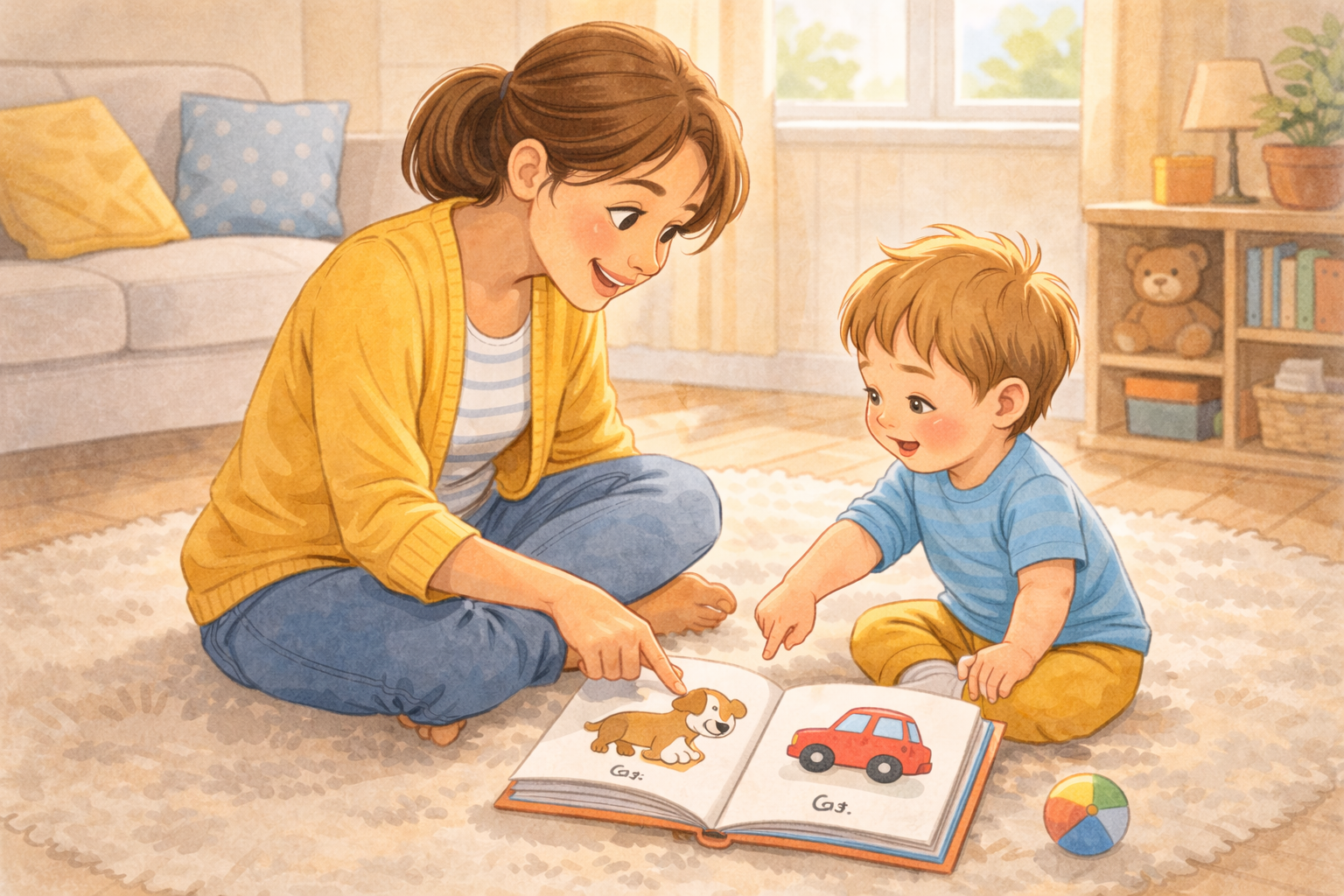
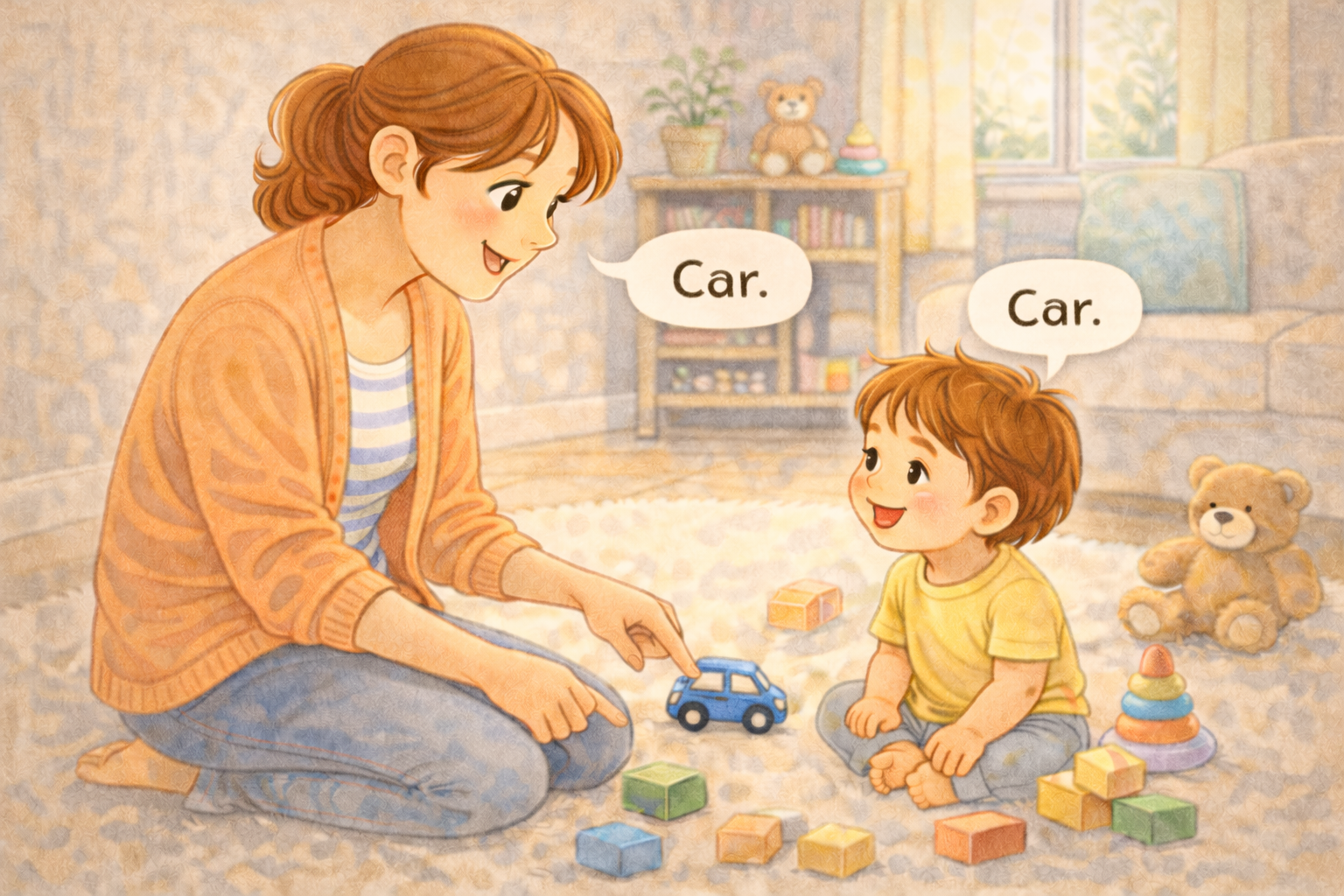
Parent and toddler pointing at pictures in a simple first words book.
Books that focus on everyday objects and animals are ideal.

You can:
  • Point and name the picture
  • Pause and wait
  • Repeat the word slowly
First words books build vocabulary without pressure.

Repetitive Phrase Books

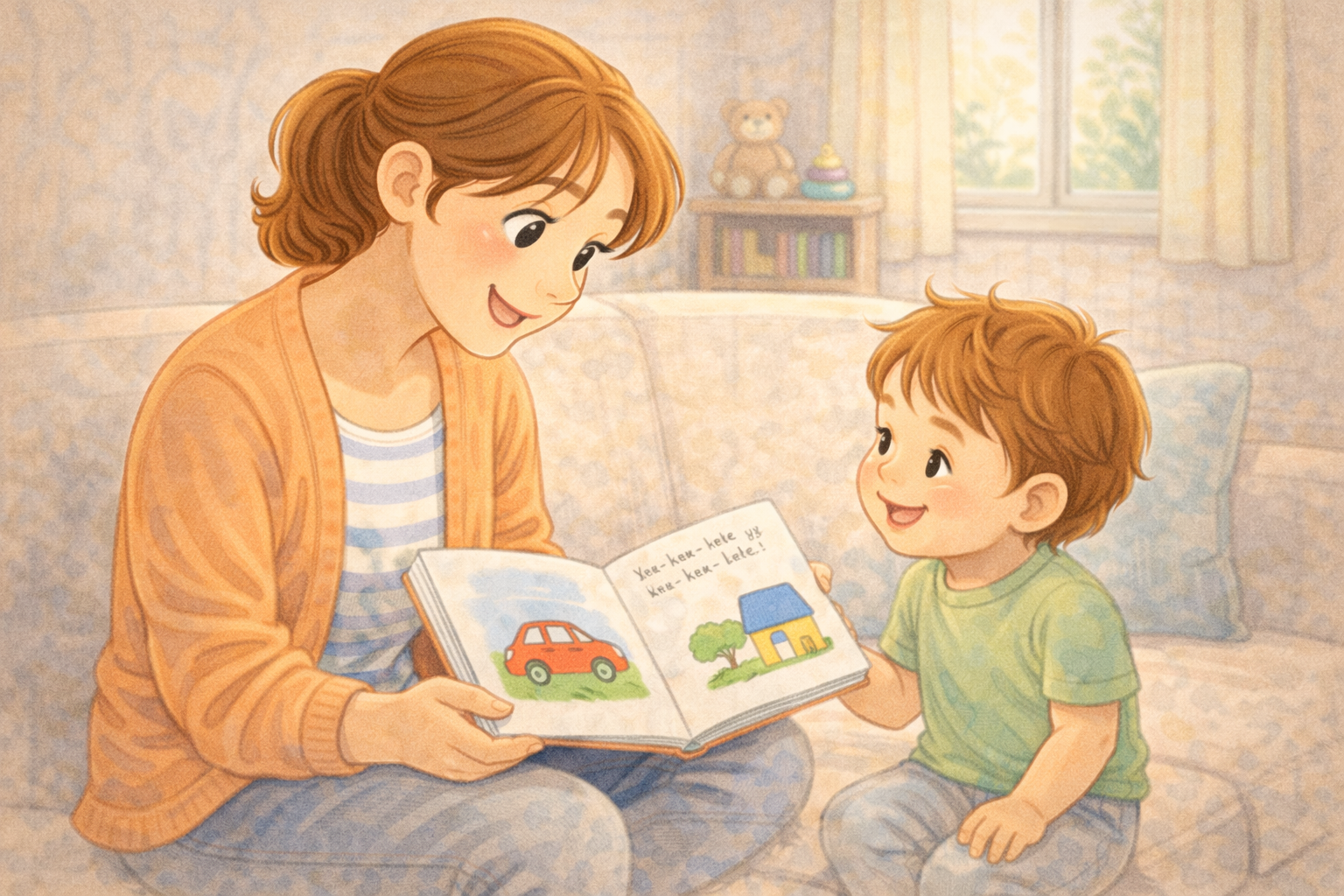
Books with repeated lines help children anticipate language.

For example, repeating:

“Ready, steady, go.”

Repetition builds confidence and encourages participation.

You can support this further with Using Songs to Boost Speech.

Lift-the-Flap and Interactive Books

Interactive books encourage turn-taking and joint attention.

Try:
  • “Where is the dog?”
  • Lift the flap together
  • Celebrate what you find
Joint attention is key for speech growth.

If attention feels difficult, explore How to Use Visual Aids for Speech.

Books That Support Specific Speech Patterns

Some children repeat words without clear meaning or struggle to combine words.

You may find these helpful:
Choosing books that match your child’s current stage makes reading more effective.

How to Read in a Speech-Friendly Way

Keep it relaxed.

You do not need to read every word.

Instead:
  • Talk about the pictures
  • Use single words
  • Wait for attempts
  • Model simple expansions
If you would like more structured guidance, see Speech Therapy at Home Tips.

Building Reading Into Daily Routines

Consistency helps words stick.

Try reading:
  • Before bed
  • After lunch
  • During quiet time
For more routine ideas, visit Daily Routines That Support Speech.

Books are not just stories.

They are shared moments, eye contact and gentle repetition.

That is where speech grows.
Newsletter

Join our Early Readers Club for fun learning tips, sneak peeks at new books, and free printable activities!
ChattyCubs™ 2026 All Rights Reserved.