ChattyCubs
£0.00 0

Basket

No products in the basket.

Combining Speech and Sign Language

Combining Speech and Sign Language

Some parents worry that using sign language might delay speech.

In reality, simple signs often support spoken language rather than replace it.

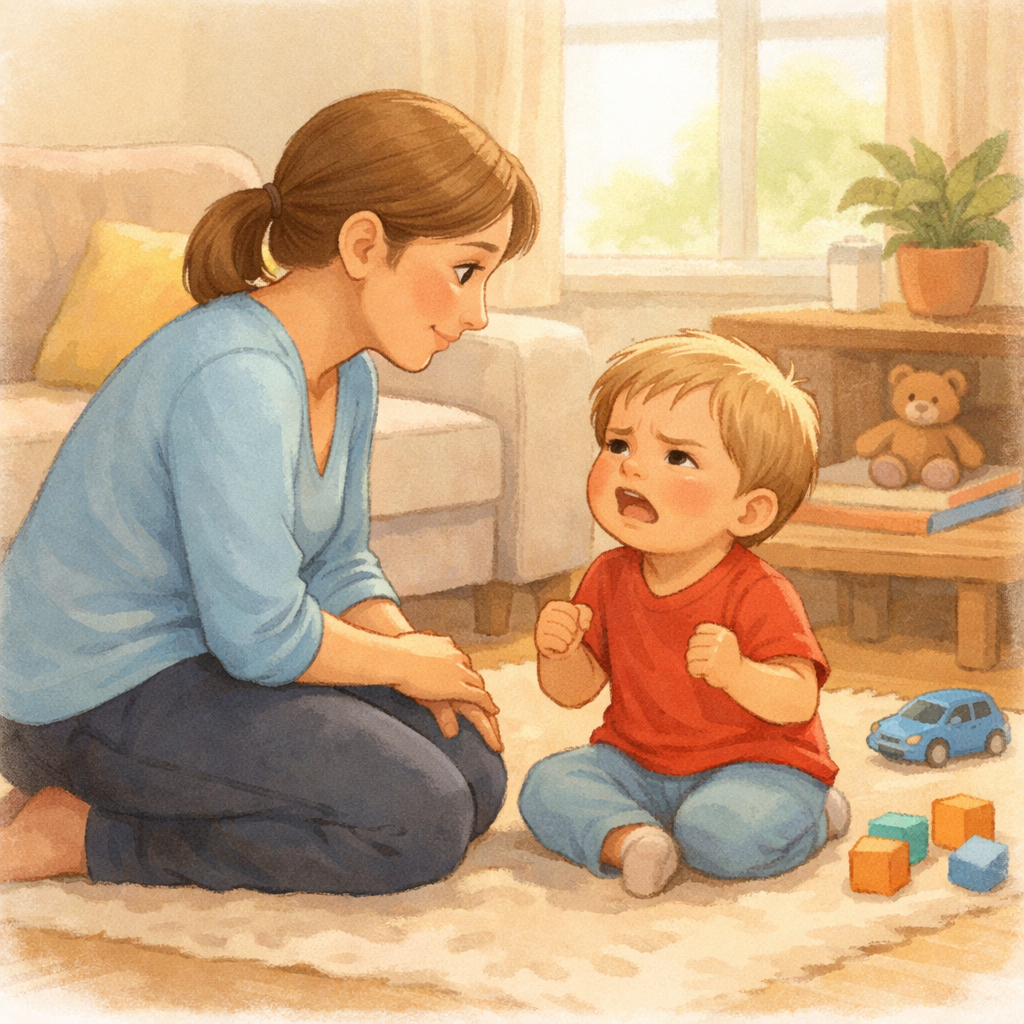
For toddlers with delayed speech, combining speech and sign can reduce frustration and build confidence.

If you are exploring speech concerns more broadly, visit Speech Delay Support.

Why Sign Supports Speech

Signs give children a way to communicate before words are clear.

This can:
  • Reduce frustration
  • Encourage interaction
  • Support understanding
  • Build confidence in communication
When frustration decreases, speech attempts often increase.

If frustration is already high, read Overcoming Frustration With Delay.

Will Sign Delay Talking?

Research and experience show that sign does not stop speech from developing.

In many cases, it helps speech emerge sooner.

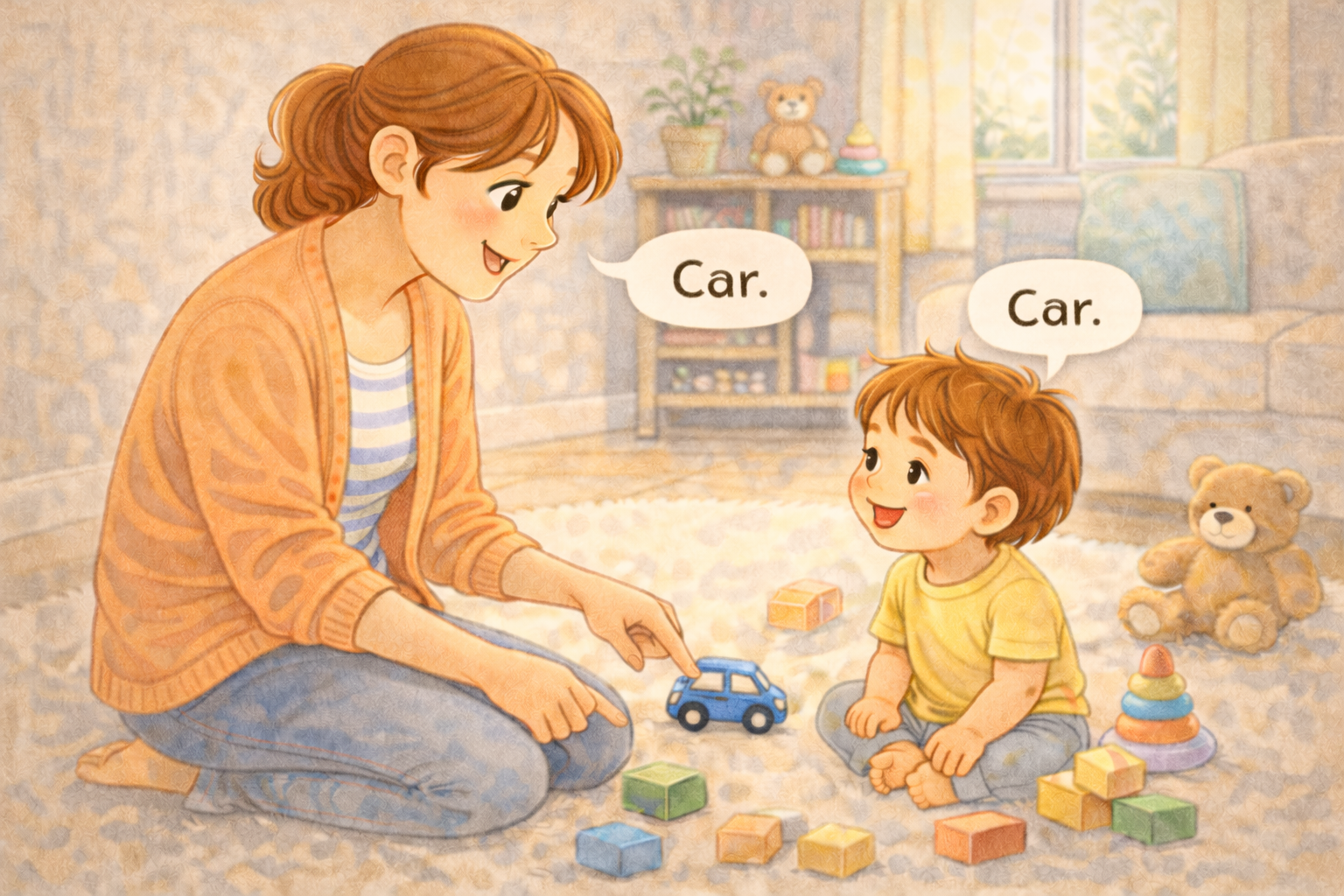
Children still hear the word every time you sign it.

For example:
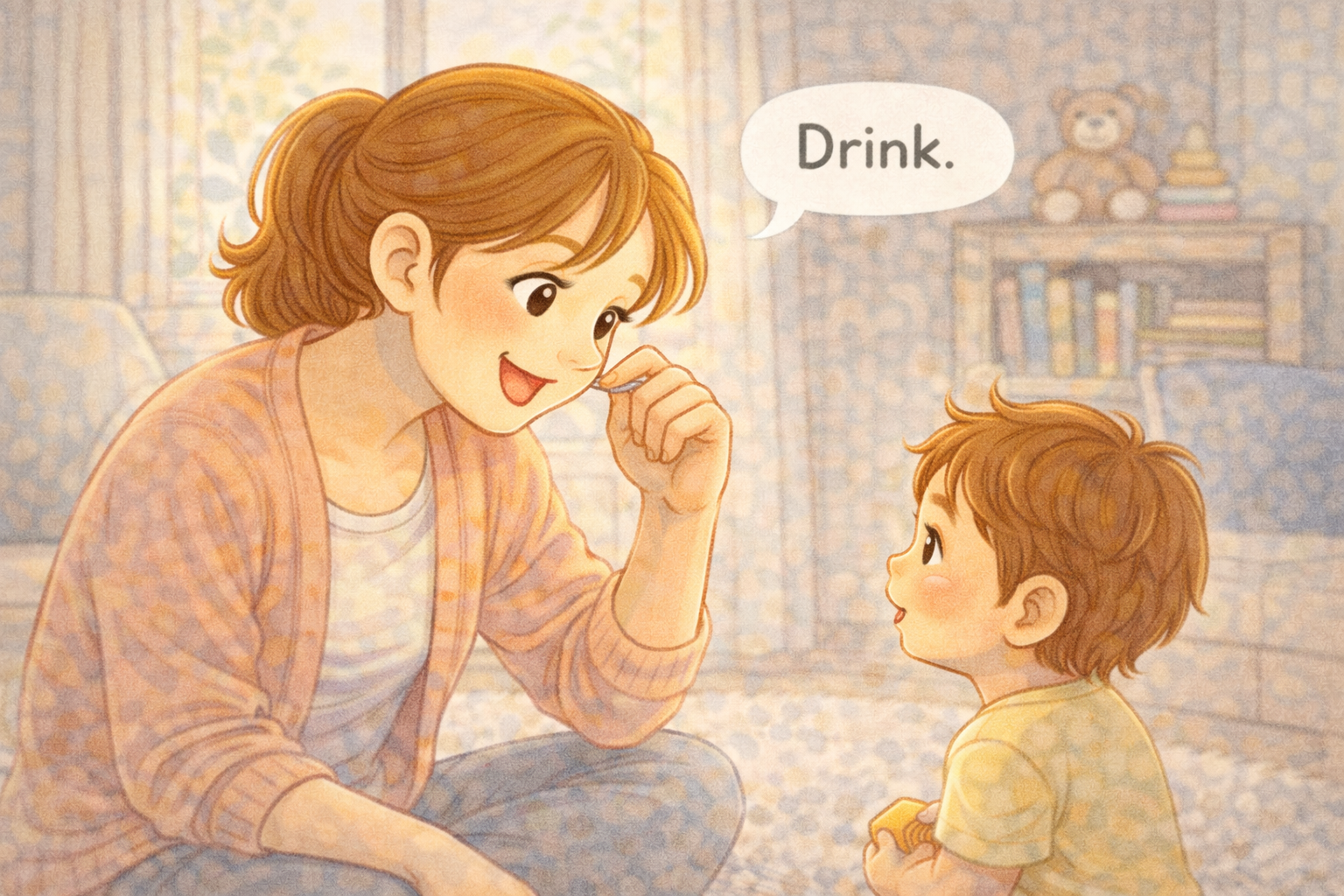
Sign and say “drink” together.

This strengthens the link between gesture and sound.

If you are unsure whether your child has an expressive delay, see Understanding Receptive vs Expressive Delay.

Simple Signs to Start With

Parent using a simple sign for drink while saying the word.
Start with useful everyday words:
  • More
  • Drink
  • Eat
  • Help
  • All done
Use signs consistently during routines.

You can combine this with Daily Routines That Support Speech.

How to Introduce Signs

Keep it simple:
  • Say the word clearly
  • Make the sign at the same time
  • Repeat in natural moments
  • Celebrate attempts
Avoid testing your child.

Model instead.

This mirrors strategies from Speech Therapy at Home Tips.
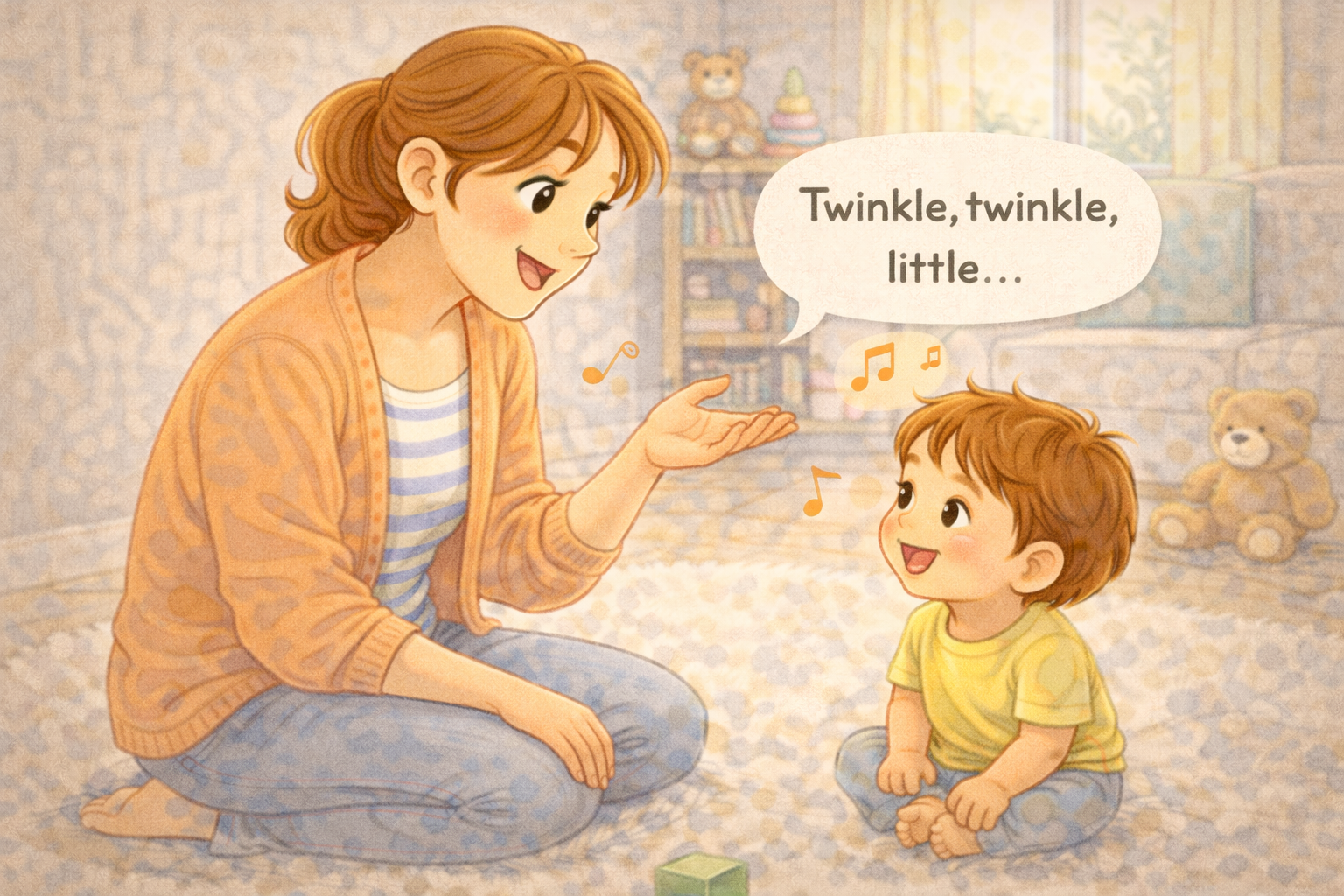
When Sign Is Especially Helpful

Sign can be particularly useful if:
  • Speech is very limited
  • Your child understands more than they can say
  • Frustration leads to tantrums
You may also find How to Use Visual Aids for Speech helpful alongside sign.

A Gentle Reminder

Sign language is a bridge, not a barrier.

It gives your child a voice while speech develops.

Every successful attempt to communicate strengthens confidence.

And confidence supports spoken language.

Newsletter

Join our Early Readers Club for fun learning tips, sneak peeks at new books, and free printable activities!
ChattyCubs™ 2026 All Rights Reserved.