ChattyCubs
£0.00 0

Basket

No products in the basket.

Speech Therapy at Home Tips

Speech Therapy at Home Tips

You do not need special equipment to support your toddler’s speech.

The most powerful therapy often happens in everyday moments, at home, with you.

If you are just starting, visit Speech Delay Support for a full overview.

Think Everyday, Not Extra

Speech support works best when it feels natural.

You are not adding something new to your day.

You are gently adjusting how you talk, play and respond.

If you are unsure whether your child needs support, see How to Spot a Speech Delay.

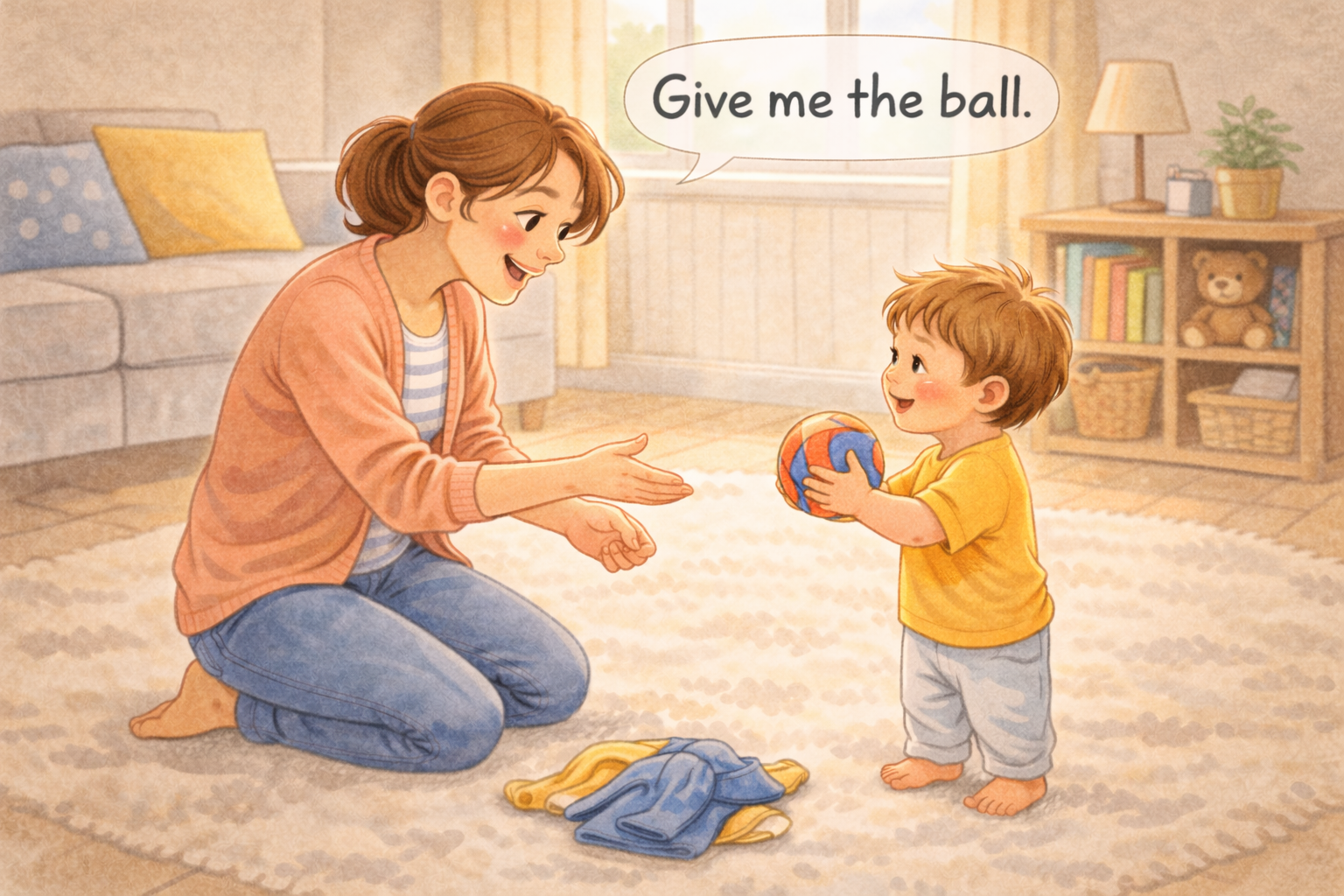
Get Face to Face

Parent sitting at eye level with a toddler during play.
Being at your child’s level helps them:
  • Watch your mouth movements
  • Notice facial expressions
  • Stay engaged longer
Small positioning changes can make a big difference.

Use Fewer Words

When speech is delayed, long sentences can feel overwhelming.

Instead of:
“I think we should put your shoes on now because we are going outside.”

Try:
“Shoes on.”

Pause.

Give time to process.

If your child understands more than they can say, read Understanding Receptive vs Expressive Delay.

Repeat and Expand

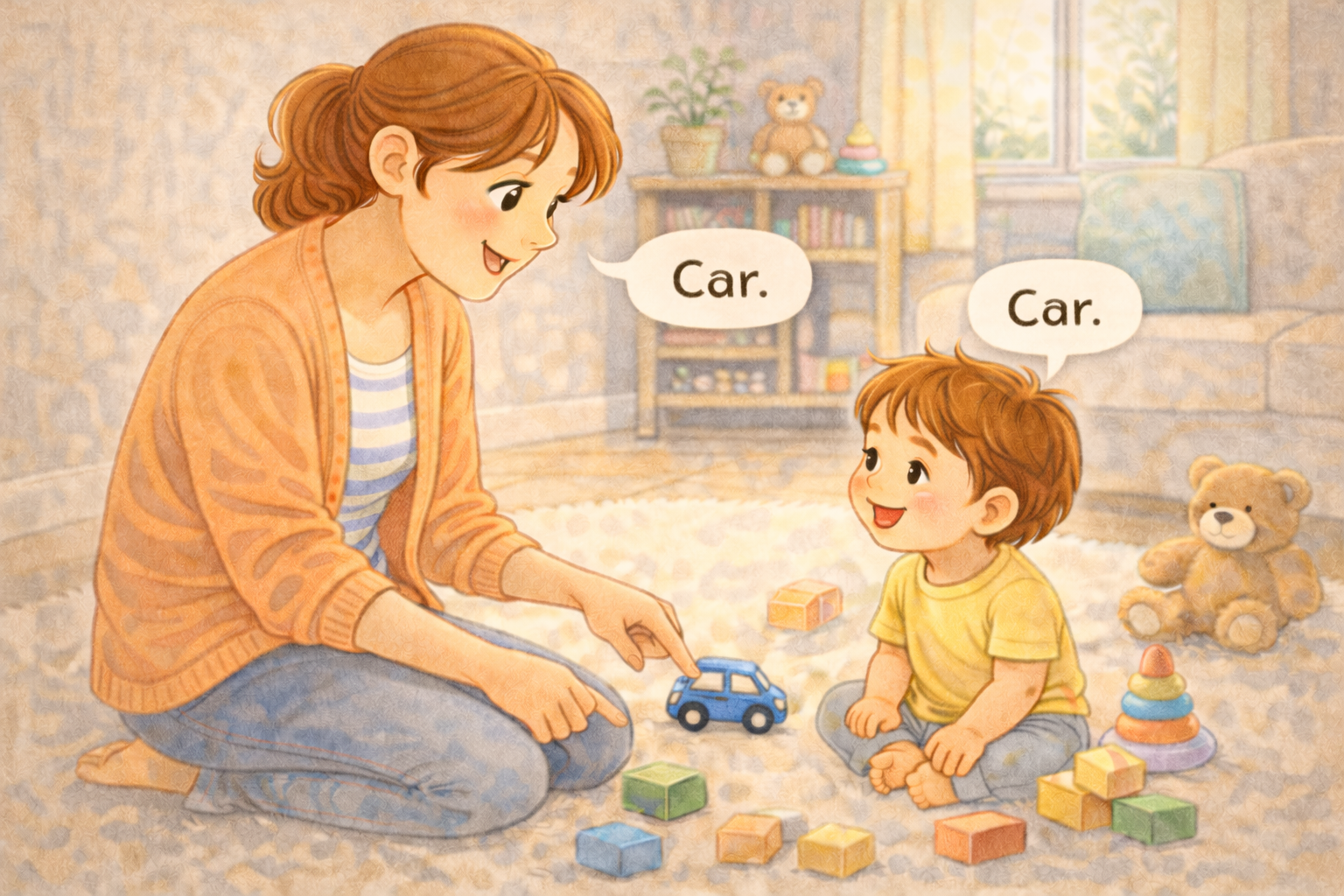
When your toddler says one word, gently build on it.

If they say:
“Car.”

You can respond:
“Yes, red car.”

Keep it simple.

Expansion models language without pressure.

If your toddler is not yet combining words, see Delayed Sentence Formation.

Pause and Wait

Silence can feel uncomfortable.

But waiting gives your child space to attempt a sound or word.

Count slowly to five in your head.

Look expectantly.

Even a small sound is progress.

Build Speech Into Routines

Daily repetition helps words stick.

Use predictable moments such as:
  • Bath time
  • Snack time
  • Getting dressed
For more structured routine ideas, visit Daily Routines That Support Speech.

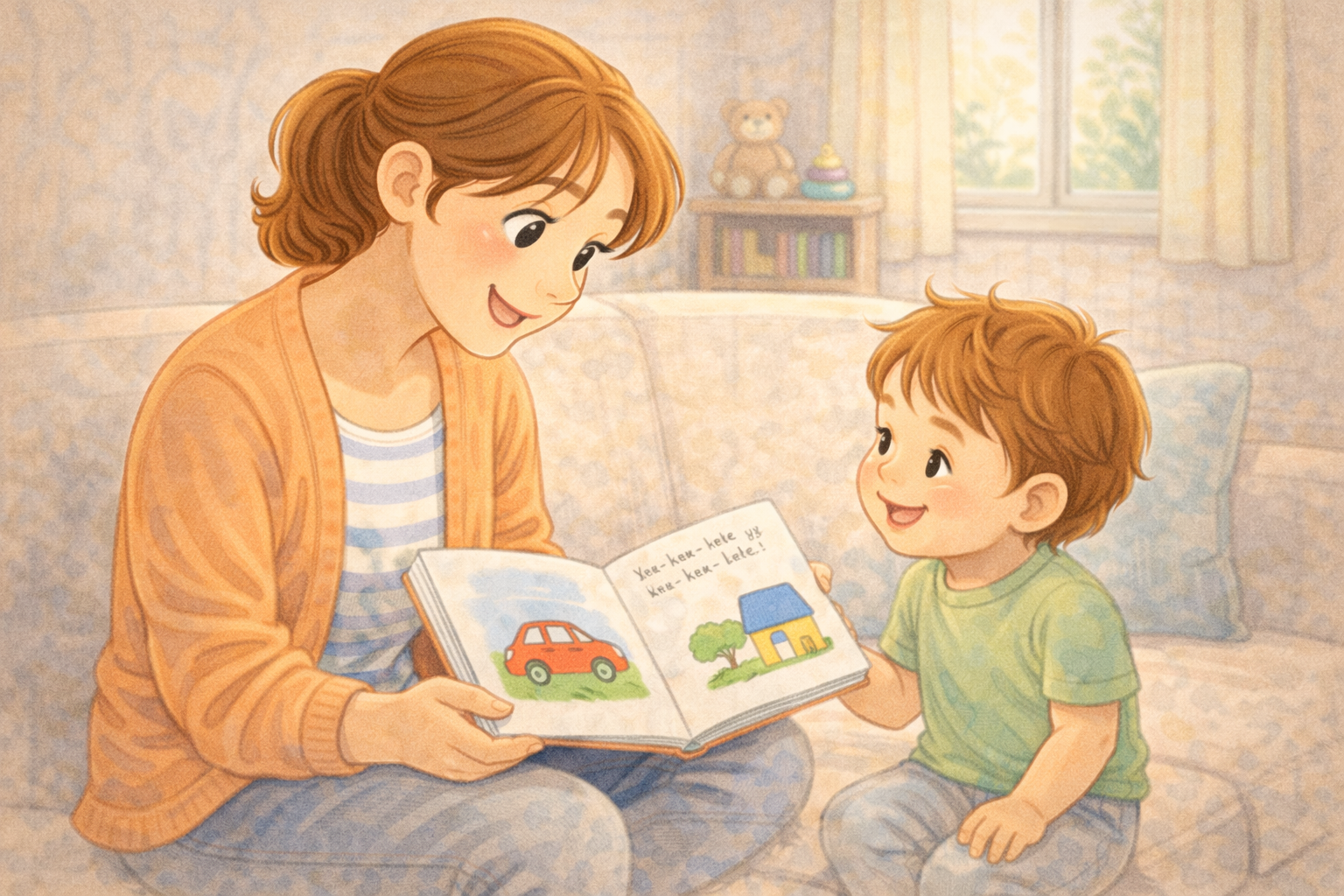
Use Play as Practice

Therapy does not need to feel clinical.

Short, playful sessions are powerful.

Explore Games for Speech-Delayed Toddlers for simple ideas you can start today.

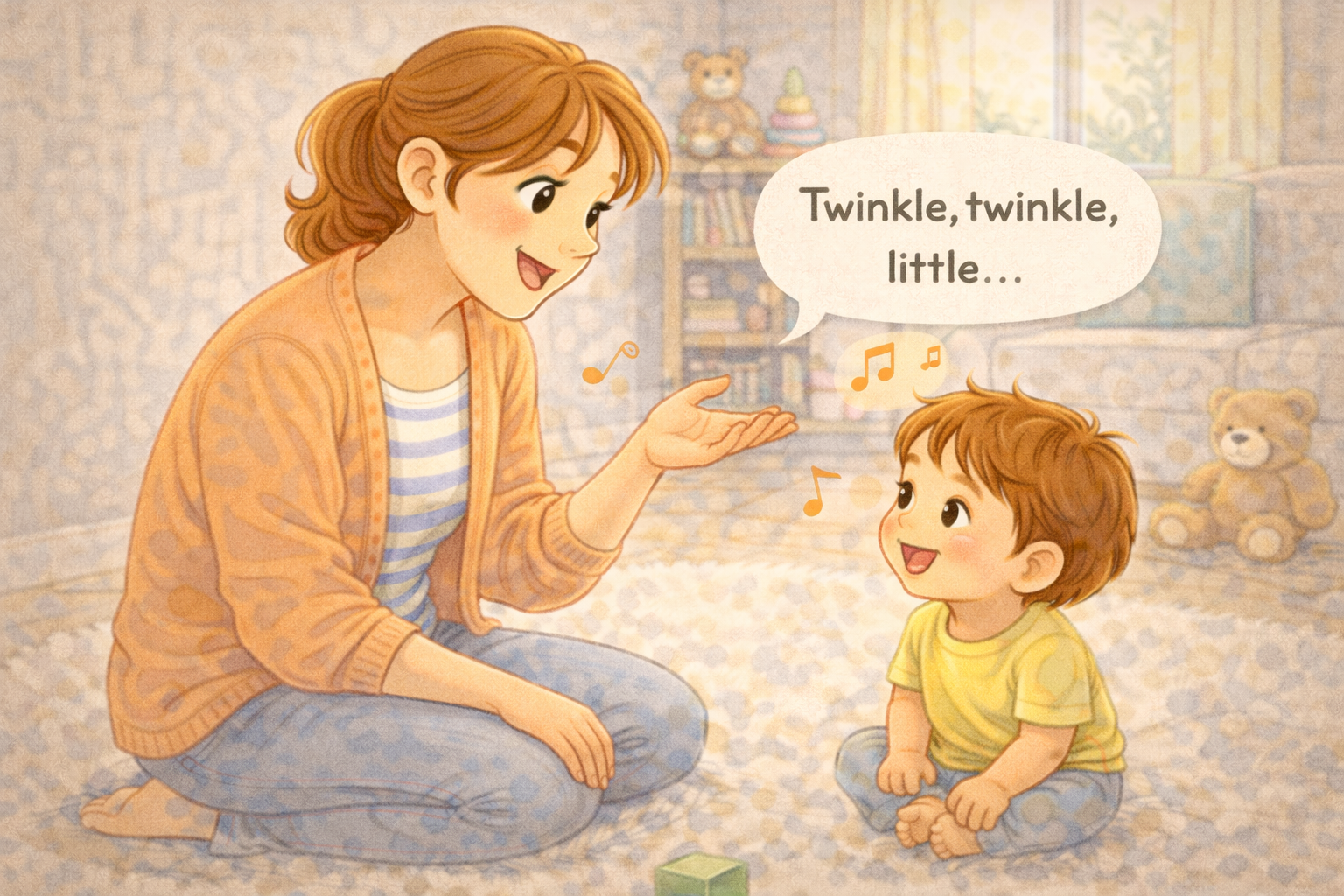
You can also add rhythm and repetition through Using Songs to Boost Speech.

Reduce Frustration

When children struggle to communicate, behaviour can change.

Stay calm.

Acknowledge feelings:

“I can see you’re upset.”

If this is a challenge, see Overcoming Frustration With Delay.

Supporting emotional safety supports speech growth too.

When to Seek Extra Support

Home support is powerful, but professional guidance can offer reassurance.

If you are considering advice, read How to Talk to a Speech Therapist.

You are not replacing therapy.

You are creating a speech-friendly home environment.

Small changes, repeated daily, build confidence and communication over time.
Newsletter

Join our Early Readers Club for fun learning tips, sneak peeks at new books, and free printable activities!
ChattyCubs™ 2026 All Rights Reserved.