ChattyCubs
£0.00 0

Basket

No products in the basket.

Best Toys for Speech Development

Best Toys for Speech Development

The best toys for speech development are often the simplest ones.

They invite conversation, turn-taking and imagination.

If you are supporting a child with delayed speech, start with Speech Delay Support for a full overview.

What Makes a Toy Good for Speech?

Look for toys that:
  • Encourage interaction rather than solo play
  • Invite pretend scenarios
  • Have clear names and actions
  • Can be used in different ways
Battery-operated toys that do all the talking leave little space for your child to try.

Simple toys create space for language.

If you are unsure whether your toddler’s speech is delayed, see How to Spot a Speech Delay.
1. Toy Animals and Figures

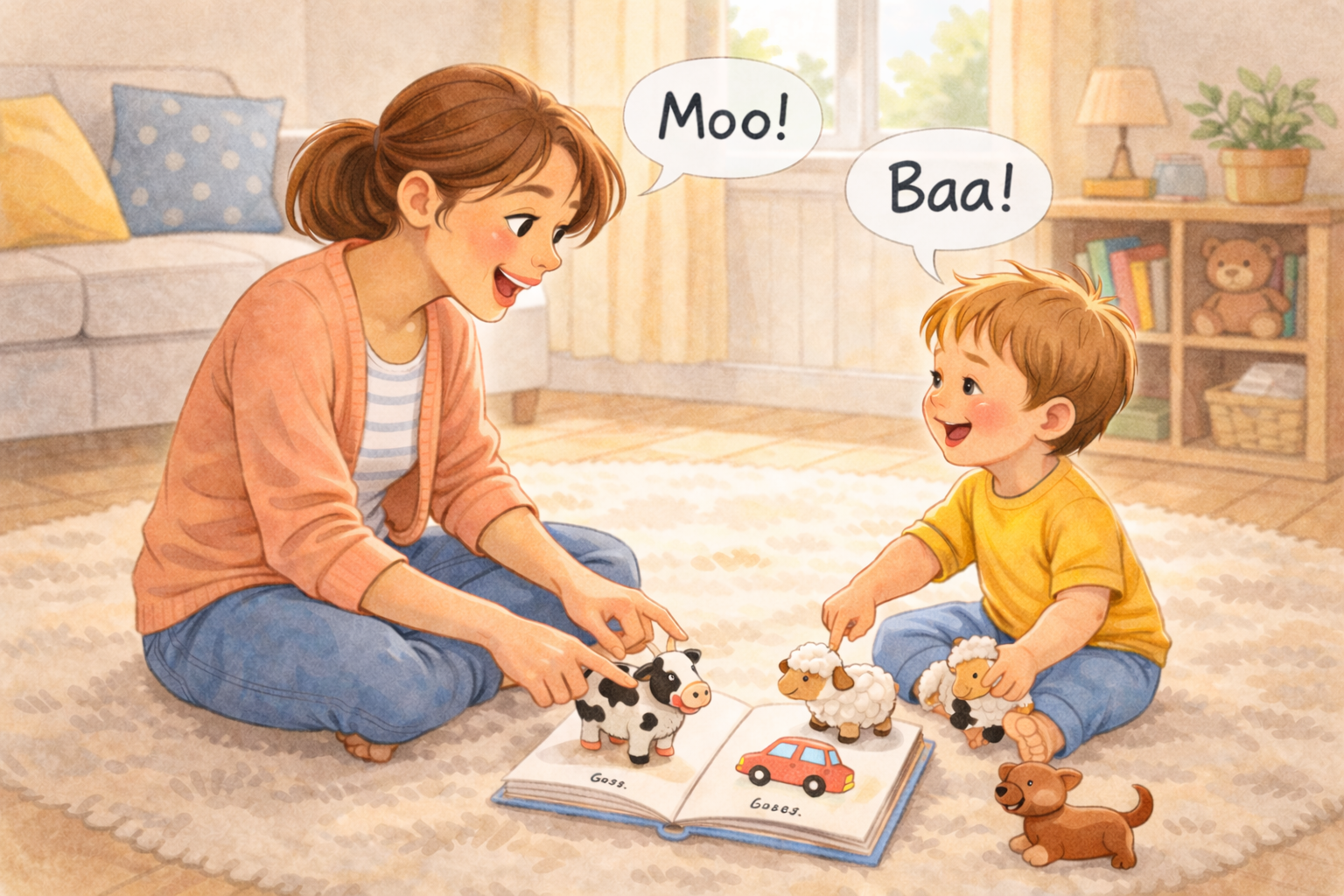
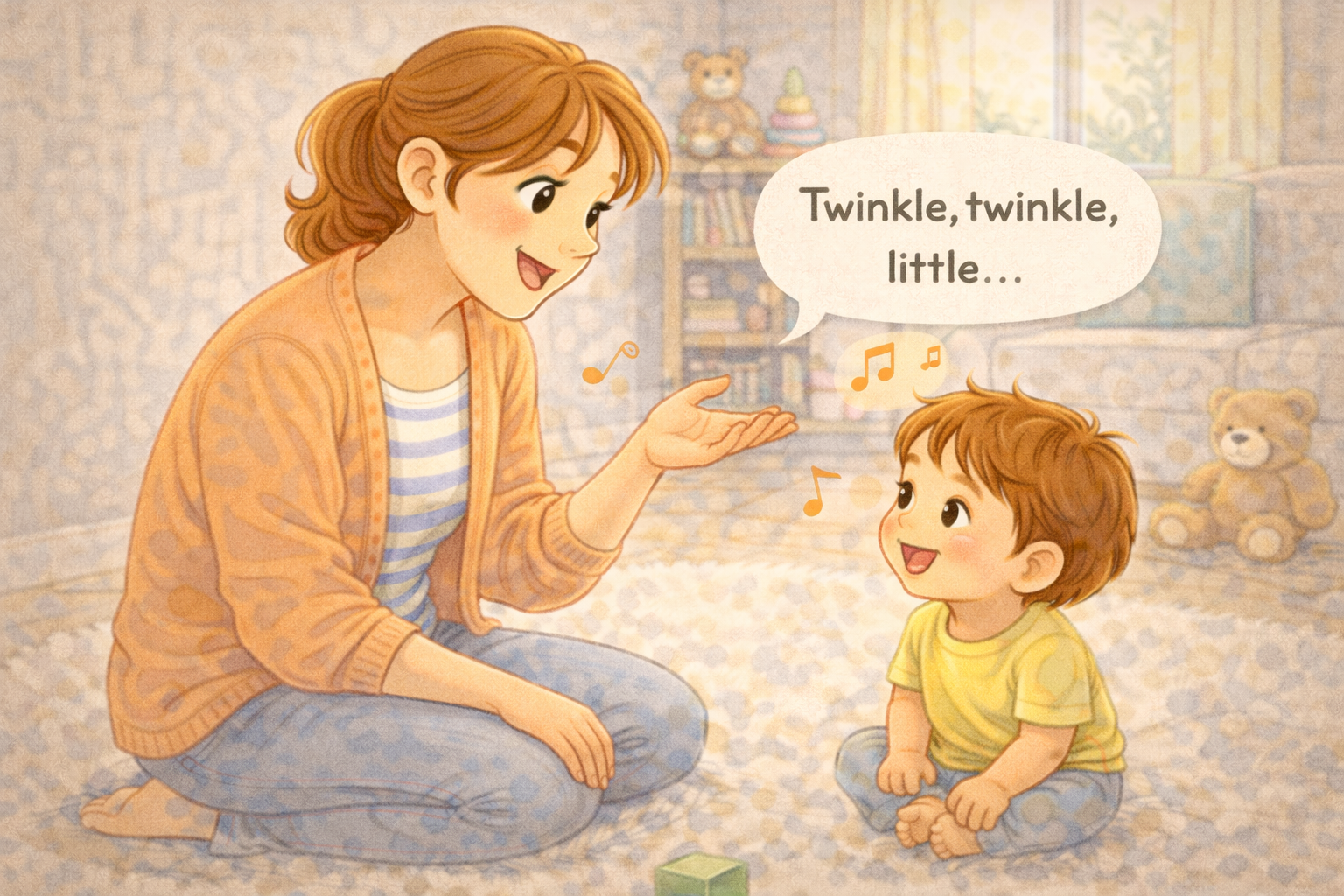
Parent and toddler playing with toy animals and making sounds.
Animal figures are powerful because they:
  • Encourage sound imitation like “moo” and “woof”
  • Support single-word naming
  • Build pretend play skills
You can extend this through Using Songs to Boost Speech.

2. Vehicles

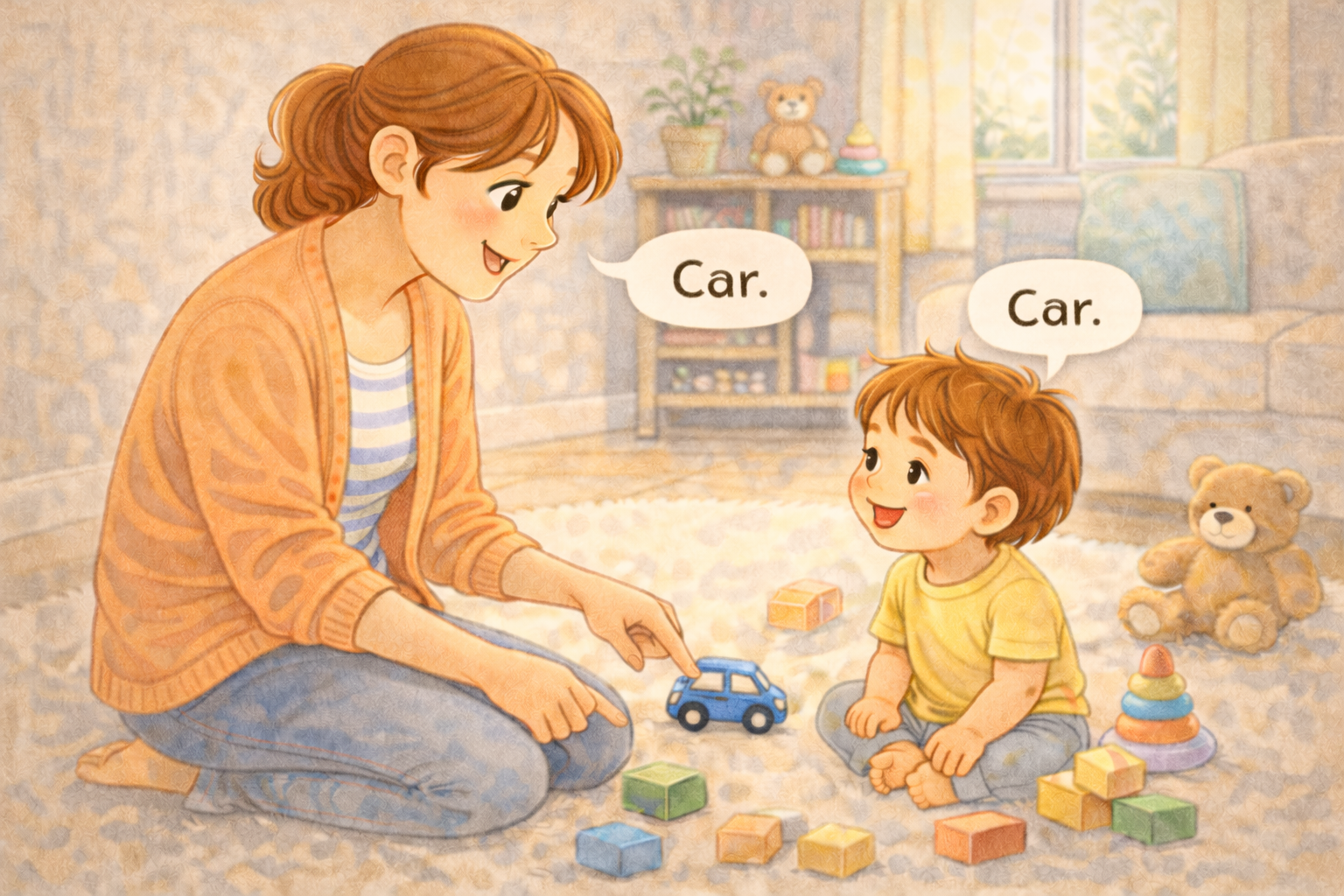
Cars, buses and trains invite action words.

Try:
  • “Go”
  • “Stop”
  • “Fast”
  • “Beep”
Pause before saying “go” to encourage attempts.

For more playful ideas, visit Games for Speech-Delayed Toddlers.

3. Pretend Play Sets

Toy kitchens, tea sets or doctor kits encourage role play.

They support:
  • Everyday vocabulary
  • Two-word combinations
  • Turn-taking
If your child is not yet combining words, see Delayed Sentence Formation.

4. Shape Sorters and Puzzles

These toys create natural opportunities for:
  • Colour words
  • Shape names
  • Simple requests like “help”
Keep language short and repeat key words clearly.

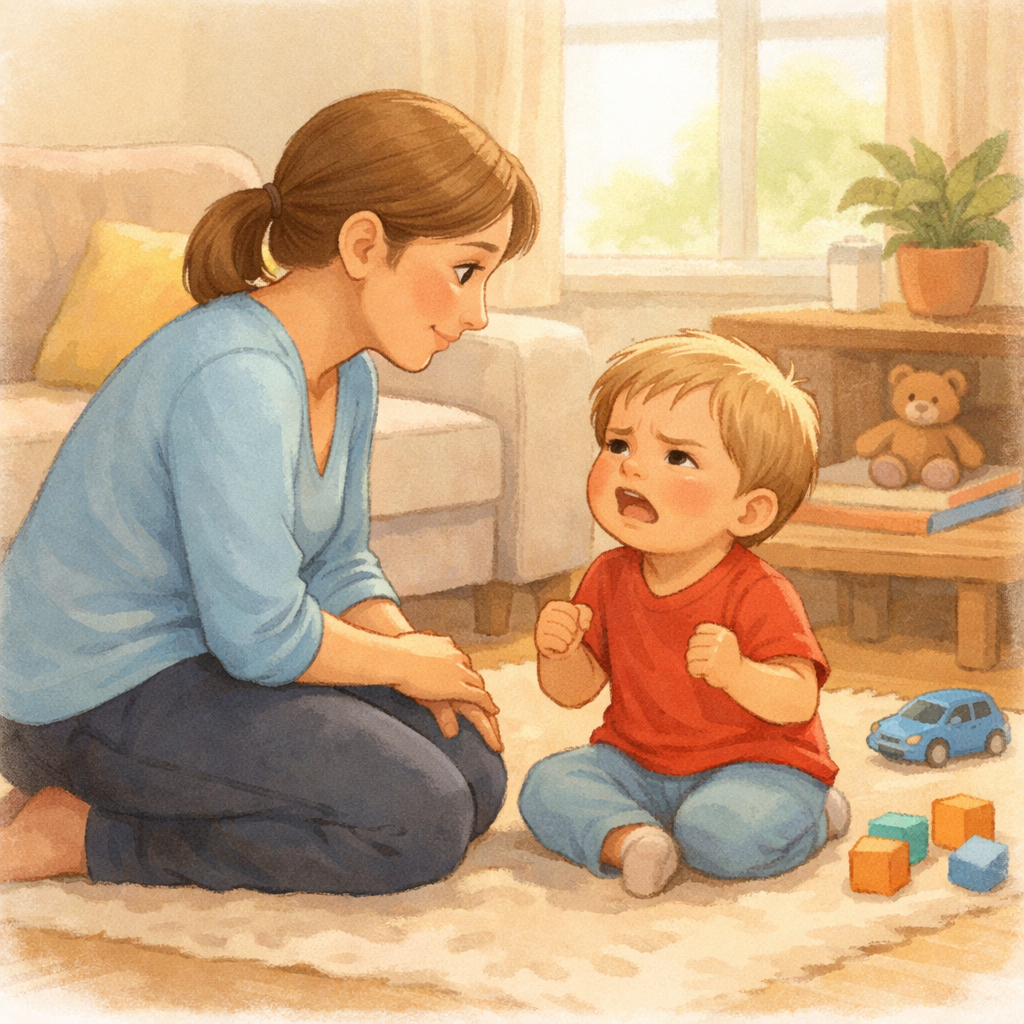
If frustration appears during play, read Overcoming Frustration With Delay.

5. Simple Picture Cards

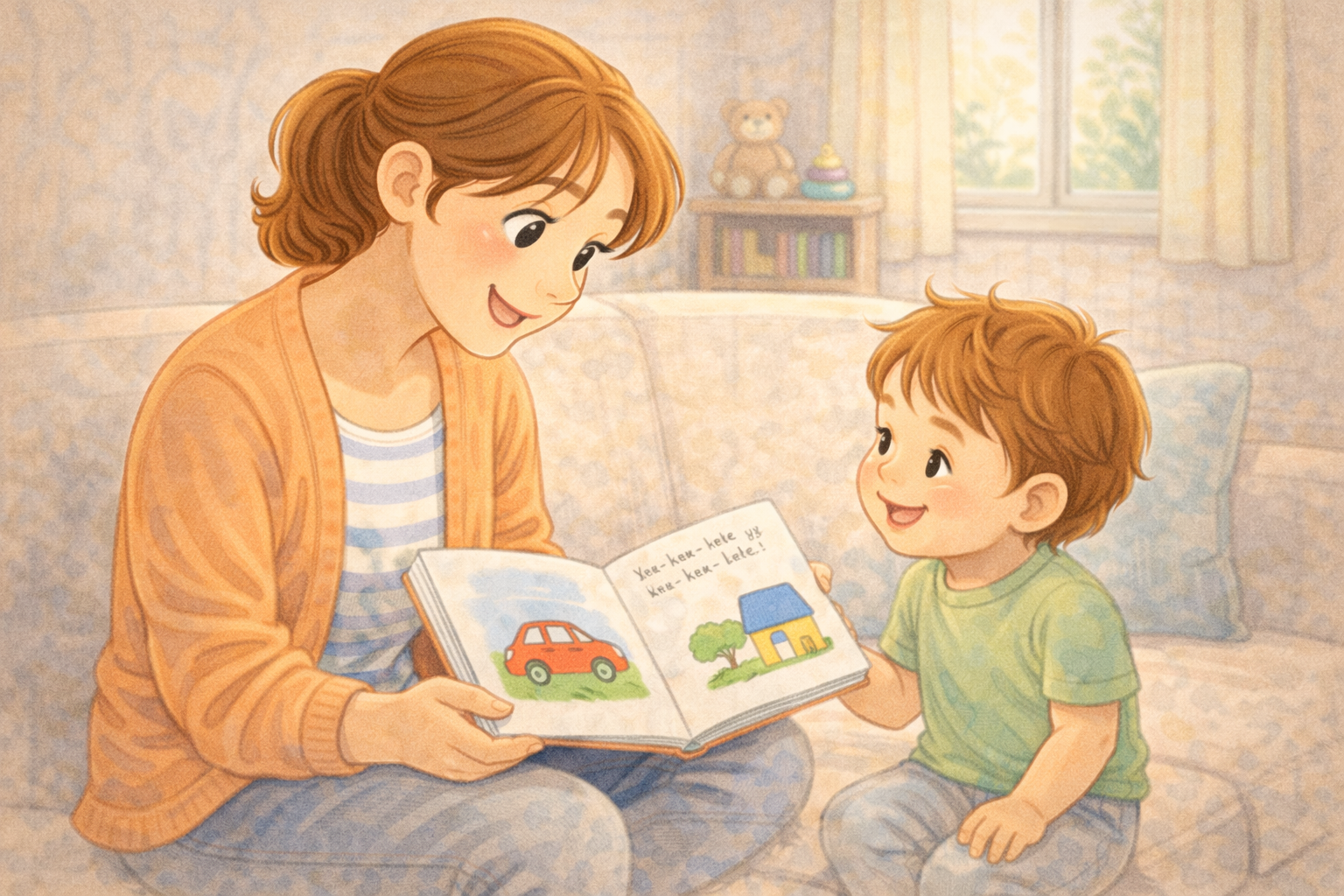
Picture cards support naming and early vocabulary.

They work especially well alongside:
Clear images reduce cognitive load and make words easier to learn.

Choosing Toys for Your Child’s Stage

Match toys to where your child is now.

If they use single words, focus on naming toys.

If they use two words, model short phrases.

If you are unsure of their stage, revisit Understanding Receptive vs Expressive Delay.

The Most Important “Toy”

You.

Your voice, facial expressions and shared attention are more powerful than any product.

Sit close. Follow their lead. Keep it playful.

That is where speech grows.

Newsletter

Join our Early Readers Club for fun learning tips, sneak peeks at new books, and free printable activities!
ChattyCubs™ 2026 All Rights Reserved.