ChattyCubs
£0.00 0

Basket

No products in the basket.

Letter vs Sound Focus Explained

Letter vs Sound Focus Explained

Many parents wonder whether to teach letter names or letter sounds first.

The short answer is this.

For early reading, sounds matter more at the beginning.

Understanding the difference can help you support your child calmly and confidently.

For a full overview of early reading foundations, visit Early Literacy Skills.

What Is Letter Name Focus?

Letter name focus means teaching:
  • A is called “ay”
  • B is called “bee”
  • C is called “see”
This is useful knowledge.

Children will eventually need to know letter names.

However, knowing the name does not automatically help them read words.

What Is Letter Sound Focus?

Letter sound focus teaches the sound a letter makes in words.

For example:
  • A says “a” as in apple
  • B says “b” as in ball
  • M says “m” as in milk
When children learn sounds, they can begin blending them together to read simple words.

Sound awareness is closely linked to early reading success. You can explore this further in Phonemic Awareness for Beginners.
Why Sounds Often Come First

If a child wants to read the word “cat”, they need to hear:
  • c
  • a
  • t
Blending these sounds together helps them decode the word.

Knowing that C is called “see” does not directly help with blending.

That is why many early reading approaches focus on sounds first.
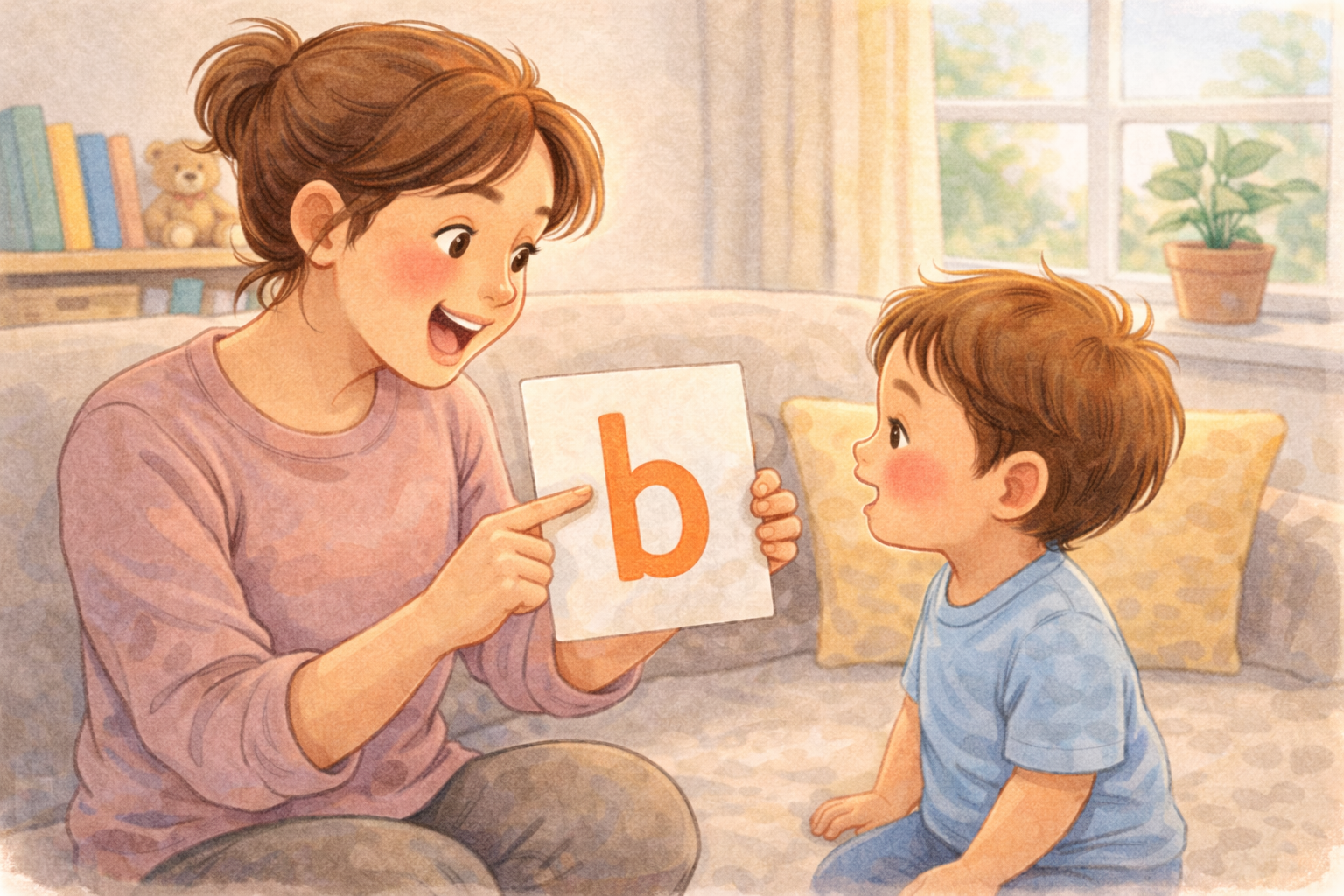
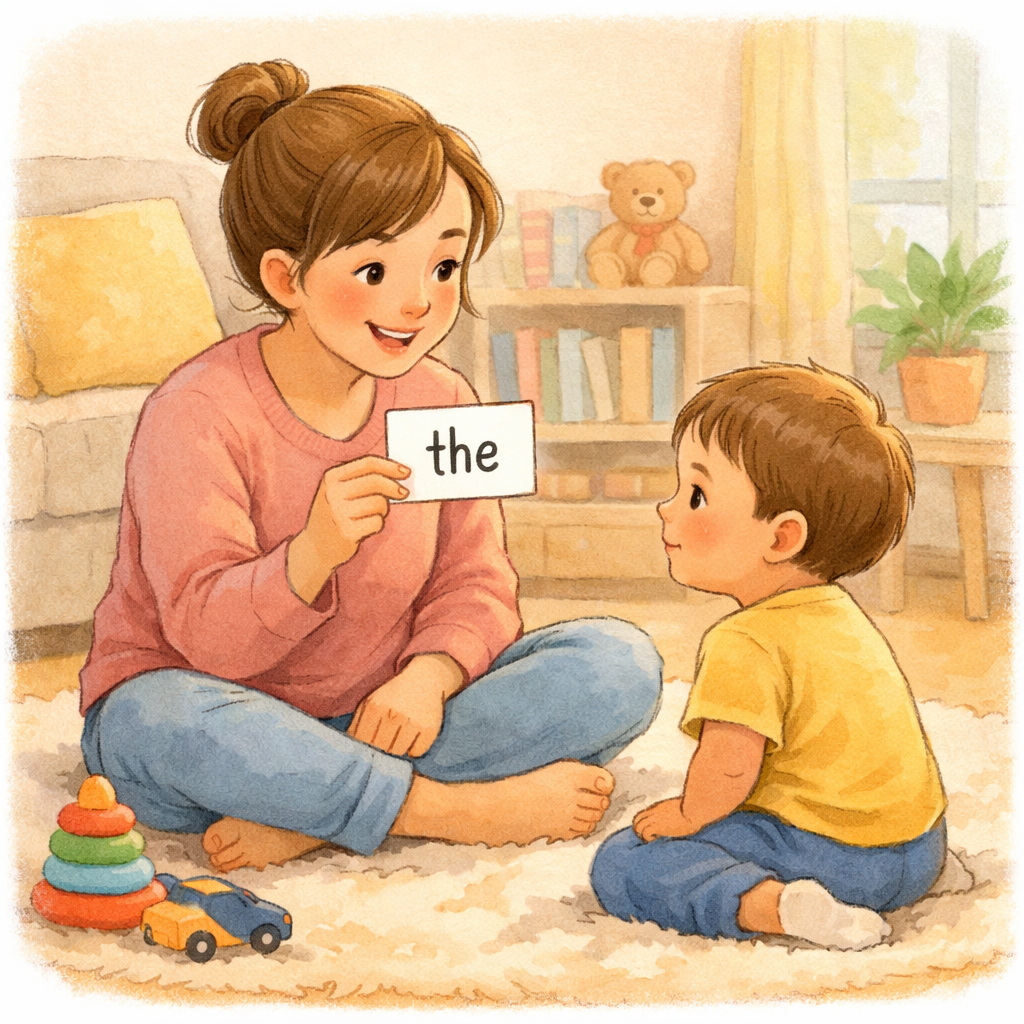
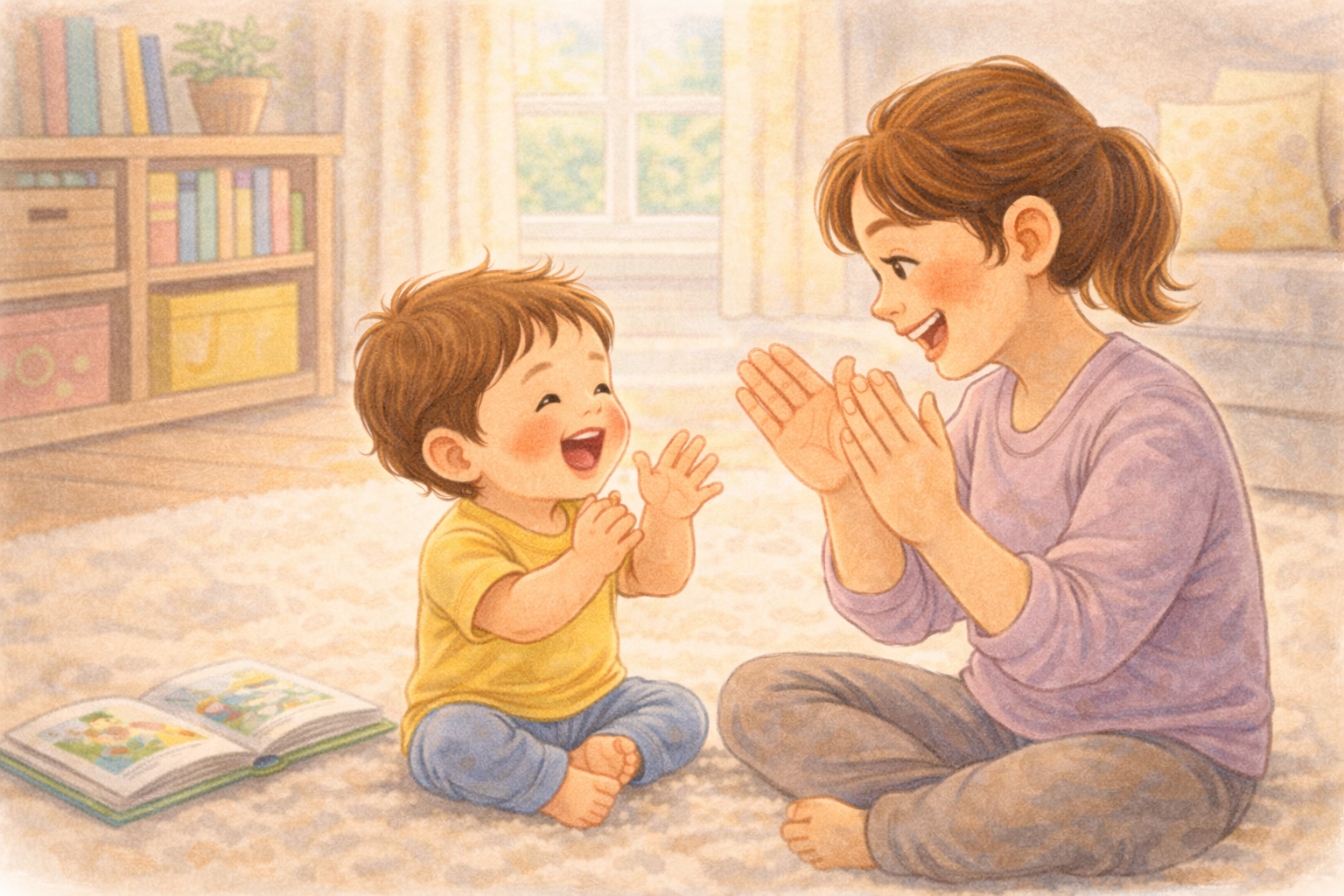
Parent pointing to a letter card while modelling its sound to a toddler.

When Do Letter Names Matter?

Letter names become more important:
  • When children start writing their name
  • When singing the alphabet song
  • When identifying letters in print
Both names and sounds are valuable.

It is simply about timing and emphasis.

How to Support Letter Sounds at Home

Keep it simple and playful.

1. Focus on Everyday Words

Point to the first letter of your child’s name and say the sound.

Keep sessions short.

2. Avoid Overloading

One or two sounds at a time is enough.

Repetition builds confidence.

3. Combine With Reading

When reading, gently highlight a sound:

“This word starts with mmm.”

Shared reading strengthens these connections. Learn more in How Reading Aloud Builds Literacy.

Balancing Skills Naturally

Early literacy is not about rushing.

It is about building layers.

Children need:
  • Strong listening skills
  • Sound awareness
  • Vocabulary exposure
  • Positive reading experiences
If you are exploring practical sound-based activities, you may also find Phonics Activities for Toddlers helpful.

Small, consistent sound play builds strong reading foundations.

Newsletter

Join our Early Readers Club for fun learning tips, sneak peeks at new books, and free printable activities!
ChattyCubs™ 2026 All Rights Reserved.