ChattyCubs
£0.00 0

Basket

No products in the basket.

Using Puppets to Teach Stories

Using Puppets to Teach Stories

Puppets bring stories to life.

They turn listening into participation.

For toddlers and preschoolers, this playful approach builds confidence, language, and early literacy skills.

For a wider overview of reading foundations, visit Early Literacy Skills.

Why Puppets Support Early Literacy

When a puppet “talks”, children often feel less pressure to respond.

They are more likely to join in, answer questions, and retell events.

Puppets help children:
  • Follow story structure
  • Practise sequencing
  • Develop new vocabulary
  • Build expressive language
If you are working on story order, you may also enjoy Sequencing Stories for Early Readers.

How Puppets Encourage Storytelling

A simple hand puppet can:
  • Ask “What happened next?”
  • Make a mistake in the story for your child to correct
  • Retell events in a funny voice
  • Act out a favourite rhyme
Children love correcting a silly puppet.

This builds comprehension without it feeling like a test.
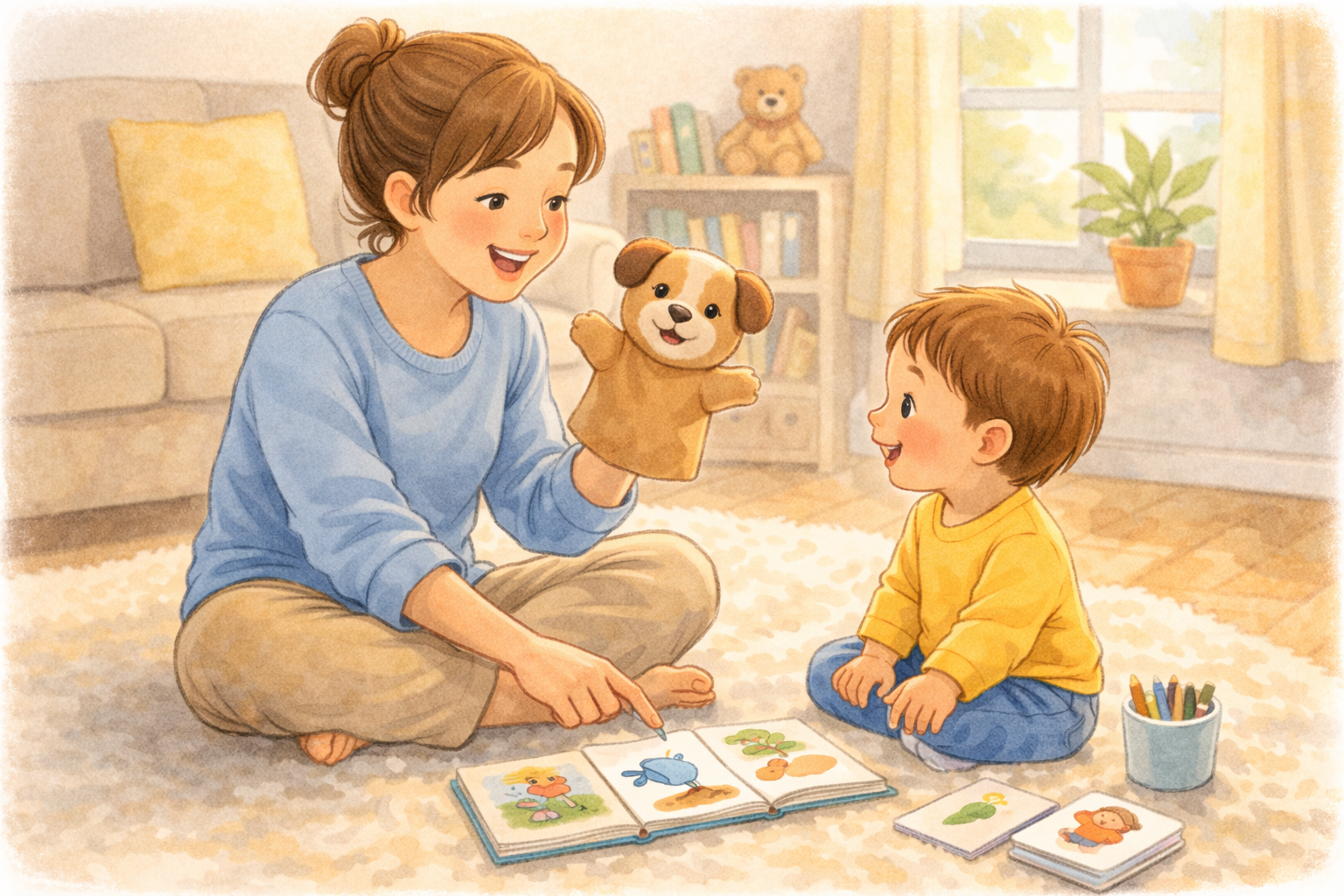
Parent using a soft animal hand puppet while reading with a toddler.

Simple Ways to Use Puppets at Home

You do not need a full puppet theatre.

A sock with eyes drawn on works beautifully.

1. Retell Favourite Books

After reading, let the puppet “tell” the story again.

Pause and let your child fill in missing parts.

Shared reading remains the strongest foundation. You can explore this in How Reading Aloud Builds Literacy.

2. Act Out Nursery Rhymes

Puppets are perfect for rhymes with characters.

For example, a spider puppet for “Incy Wincy Spider”.

If you would like more rhyme ideas, visit Best Nursery Rhymes for Literacy.

3. Create Simple Three-Part Stories

Use the puppet to show:
  • Beginning, meeting a problem
  • Middle, trying to solve it
  • End, solution and happy finish
Keep plots simple and familiar.

Building Confidence Through Play

Some children are shy about speaking.

A puppet can speak “for” them.

This gentle layer of pretend play often unlocks storytelling.

It also supports early sound awareness and expressive skills.

If you are focusing on listening and sound skills, you may also find Phonemic Awareness for Beginners helpful.

Keeping Story Time Relaxed

The goal is not performance.

It is connection.

Five minutes of playful storytelling can be more powerful than a long, structured session.

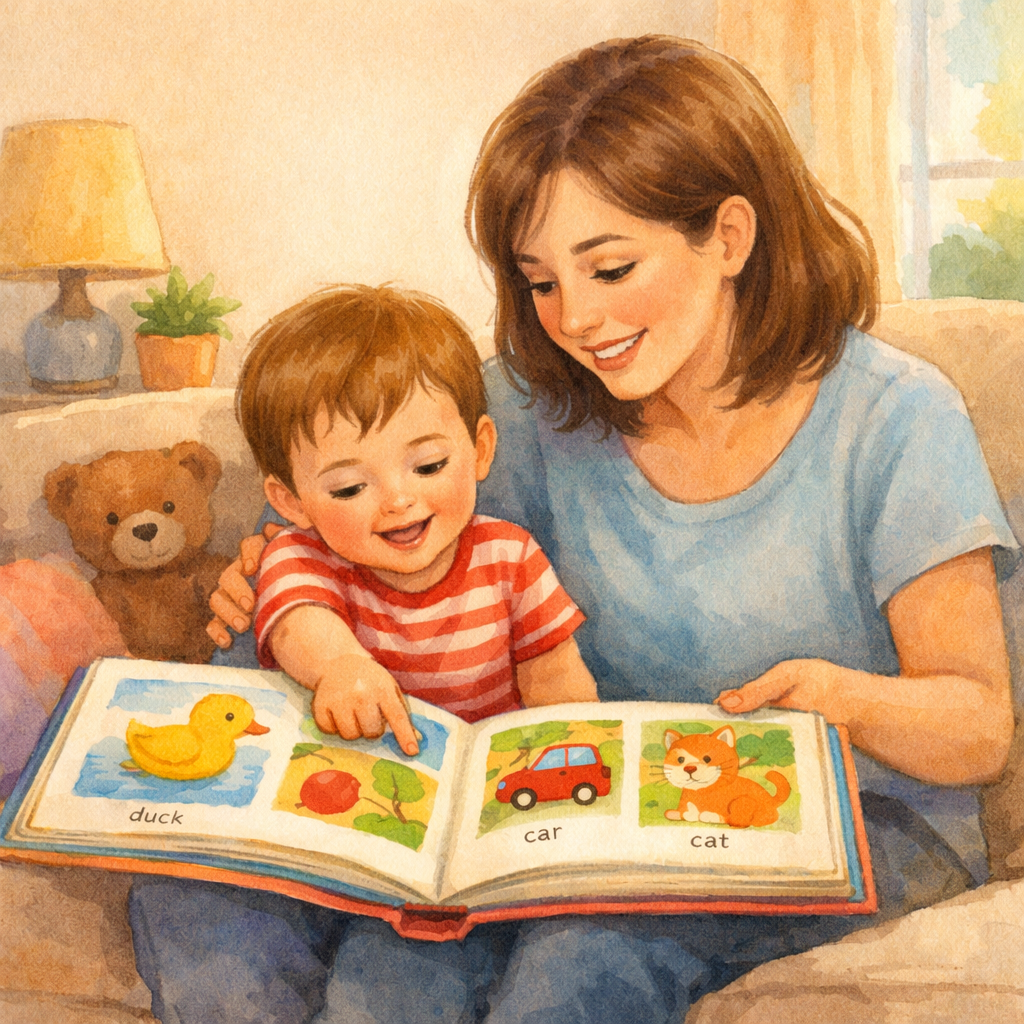
If you enjoy using clear, simple images alongside storytelling, ChattyCubs First Words books offer strong visual prompts that pair beautifully with puppet play.

Small playful moments grow confident readers.

Newsletter

Join our Early Readers Club for fun learning tips, sneak peeks at new books, and free printable activities!
ChattyCubs™ 2026 All Rights Reserved.