ChattyCubs
£0.00 0

Basket

No products in the basket.

How Books Build Early Memory Skills

How Books Build Early Memory Skills

Books do more than teach words.

They gently strengthen your child’s memory.

Every time you read a familiar story, your toddler is practising remembering what comes next.

For a wider overview of early reading development, visit Early Literacy Skills.

Why Memory Matters for Literacy

Memory helps children:
  • Recall story events
  • Remember new vocabulary
  • Follow longer sentences
  • Recognise repeated phrases
These skills support comprehension later on.

If you are tracking your child’s overall development, you may also find Tracking Literacy Milestones helpful.

How Repetition Strengthens Memory

Toddlers love hearing the same book again and again.

This repetition is powerful.

Each re-read strengthens neural connections linked to language and story structure.

You might notice your child:
  • Finishing familiar sentences
  • Turning to the correct page
  • Correcting small changes in the story
  • Repeating favourite lines
These are all signs of memory growth.

Shared reading plays a central role in this process. You can explore this more in How Reading Aloud Builds Literacy.
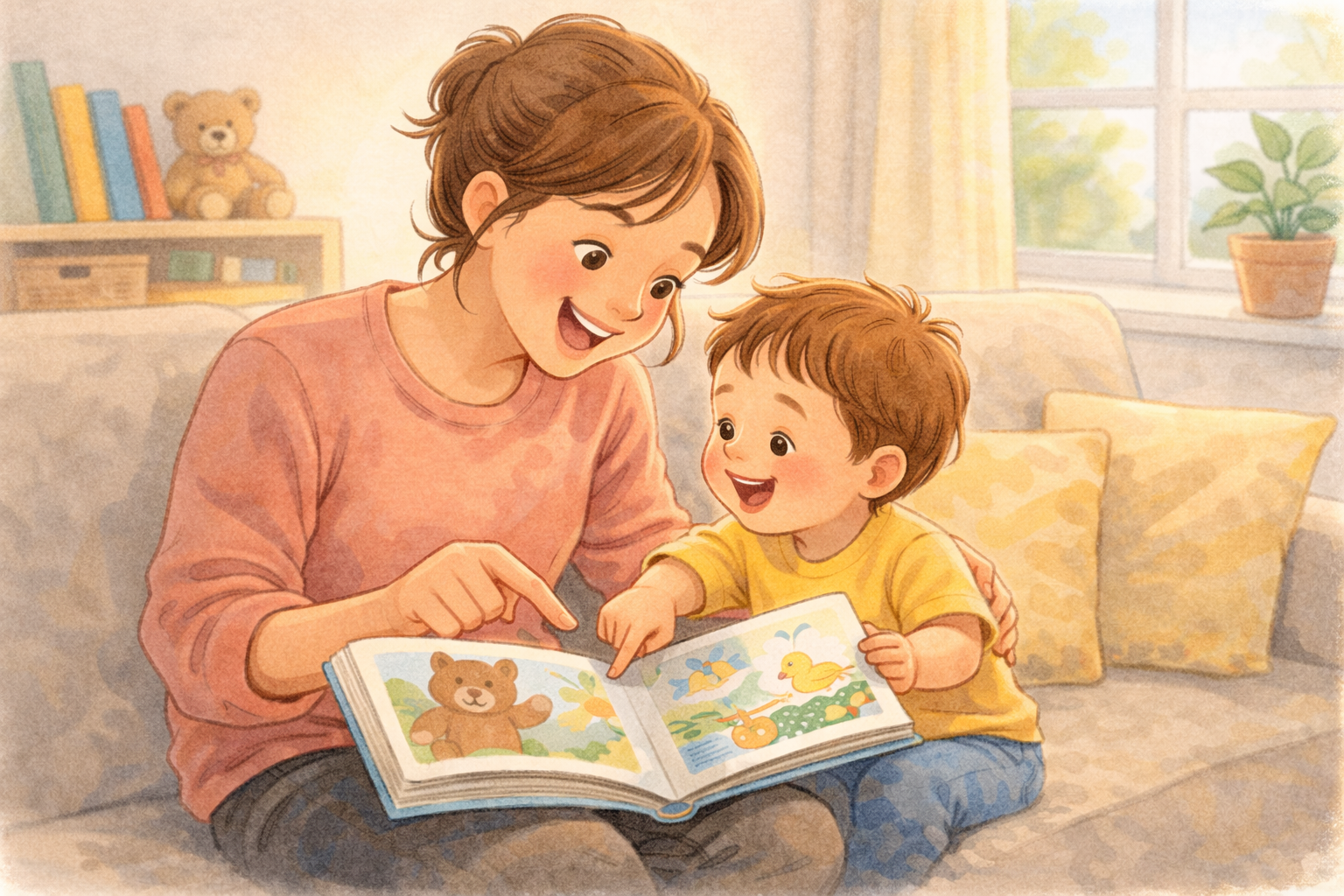
Parent and toddler reading a favourite picture book together on a sofa.

Story Structure and Memory

Books help children understand story order.

Beginning, middle, and end become familiar patterns.

When children can remember what happened first and what happened last, they are building narrative memory.

If you are working on story order, you may also enjoy Sequencing Stories for Early Readers.

Picture Clues Support Recall

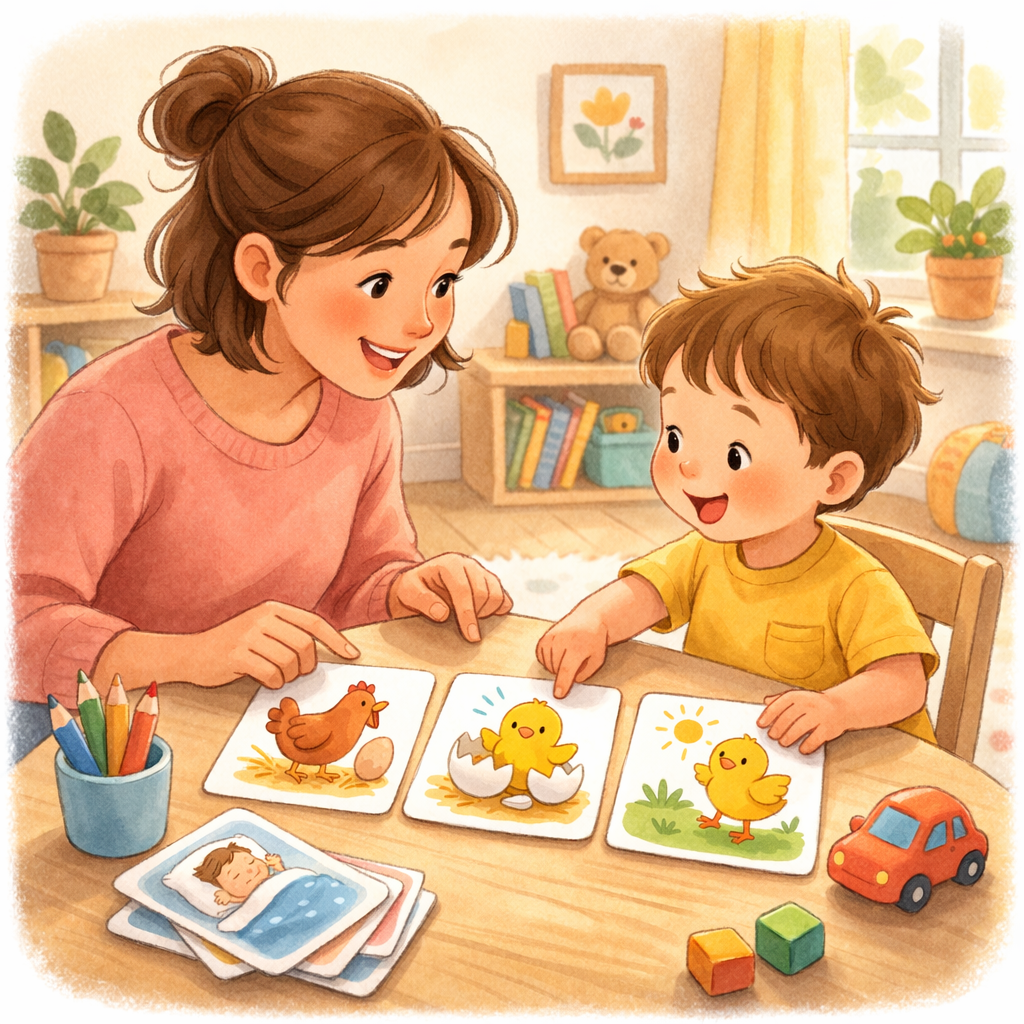
Clear illustrations act as visual prompts.

Even before children can read words, they can:
  • Recognise characters
  • Recall repeated actions
  • Anticipate what happens next
This builds confidence and supports early comprehension.

Simple Ways to Support Memory During Reading

You do not need to test your child.

Keep it gentle.

1. Pause and Wait

Stop before a predictable phrase.

Let your child attempt to fill it in.

Even a sound or gesture counts.

2. Talk About Yesterday’s Book

The next day, ask:

“Do you remember what happened to the bear?”

Short conversations strengthen recall.

3. Link Stories to Real Life

If a character visits the park, remind your child of your own park trip.

This strengthens connections between stories and experiences.
Memory Grows Through Connection

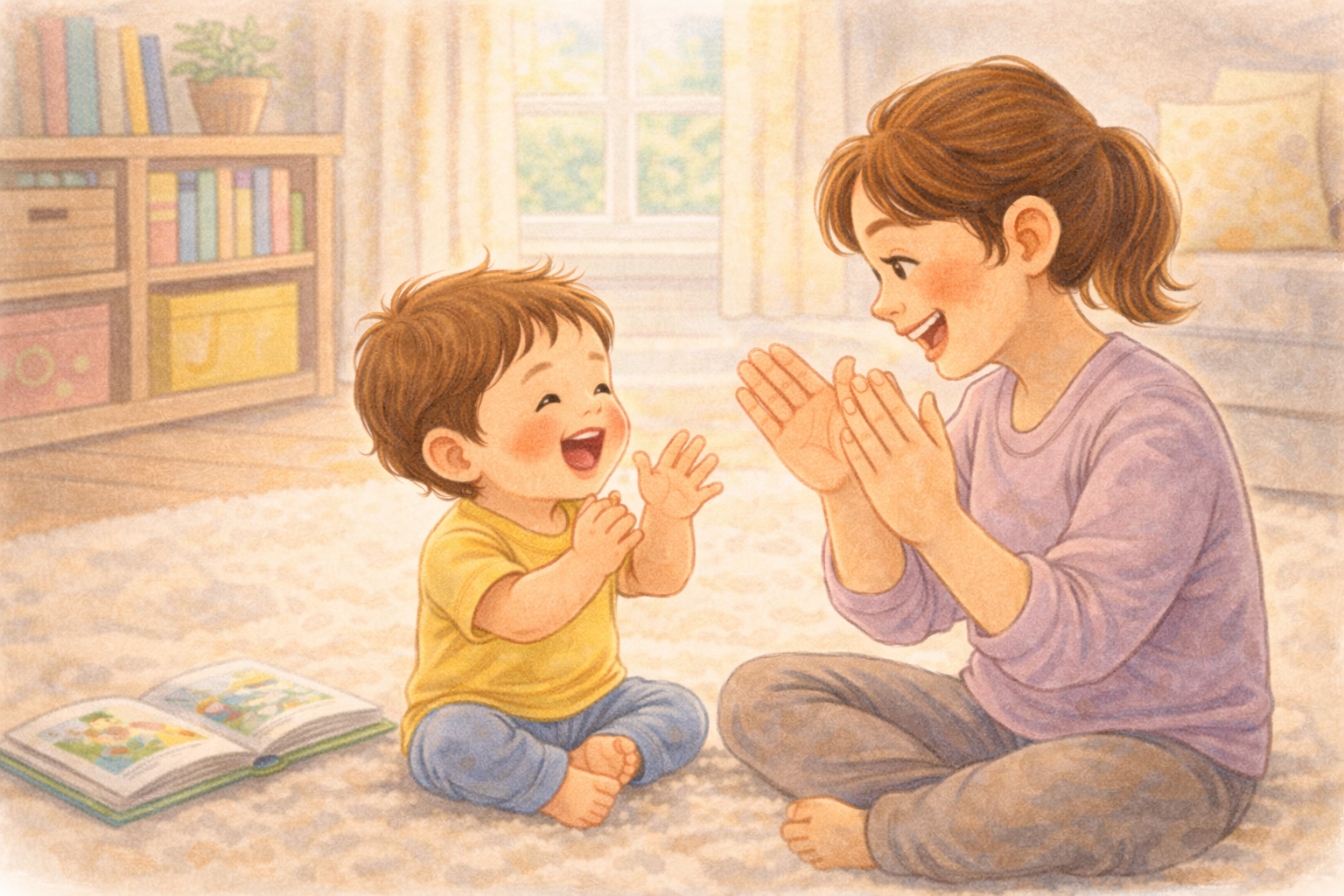
Early memory skills develop best in warm, relaxed moments.

Books create safe repetition.

Familiar rhythms and predictable patterns make remembering easier.

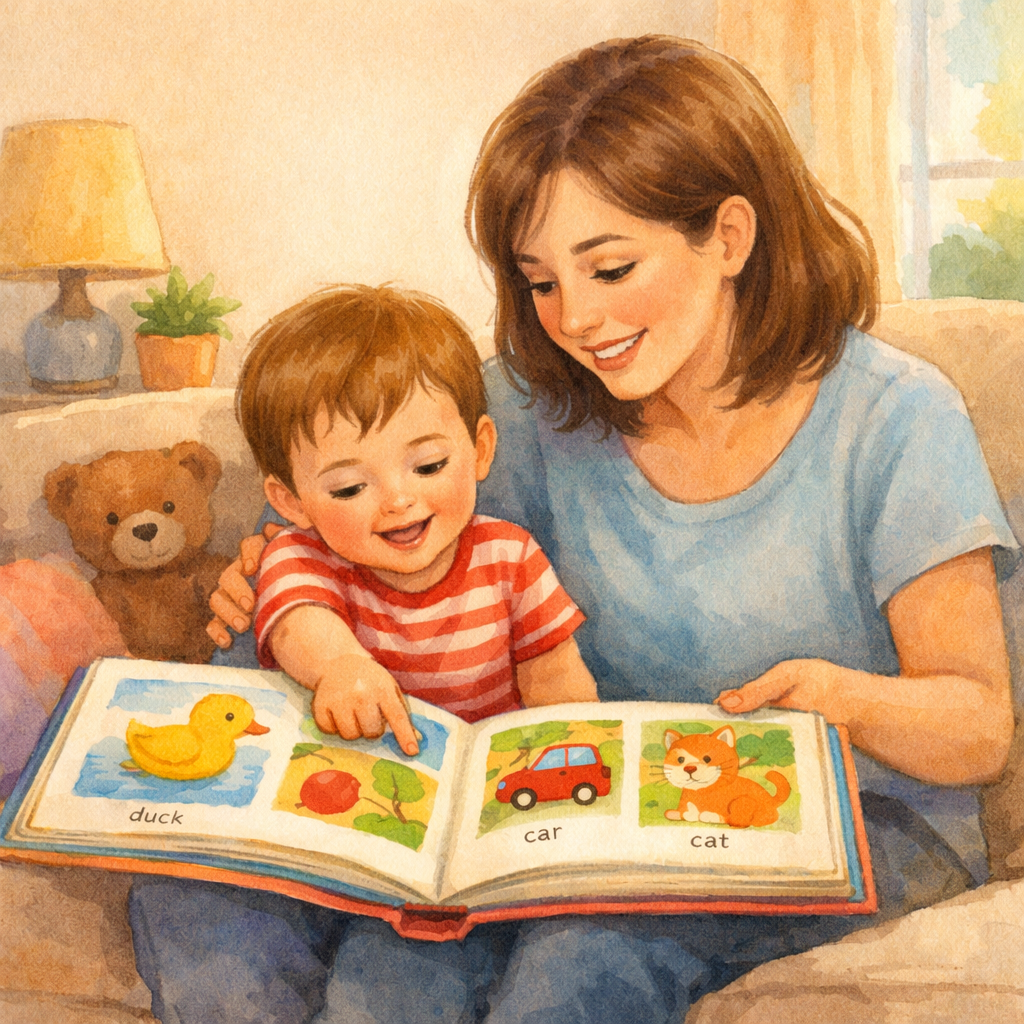
If you enjoy clear, uncluttered illustrations that support recall, ChattyCubs First Words books are designed with simple visuals that encourage pointing, naming, and remembering.

Small daily reading habits build powerful foundations for learning.

Newsletter

Join our Early Readers Club for fun learning tips, sneak peeks at new books, and free printable activities!
ChattyCubs™ 2026 All Rights Reserved.