ChattyCubs
£0.00 0

Basket

No products in the basket.

Using Rhyme to Build Literacy

Using Rhyme to Build Literacy

Rhyme is one of the strongest foundations for early reading.

When children hear words that sound alike, they begin to notice patterns in language.

These patterns make phonics and reading feel more natural later on.

For a full overview of early reading development, visit Early Literacy Skills.

Why Rhyme Matters

Rhyming helps children:
  • Hear similarities in word endings
  • Develop sound awareness
  • Strengthen memory
  • Build prediction skills
Sound awareness is a key early step in reading. You can explore this further in Phonemic Awareness for Beginners.
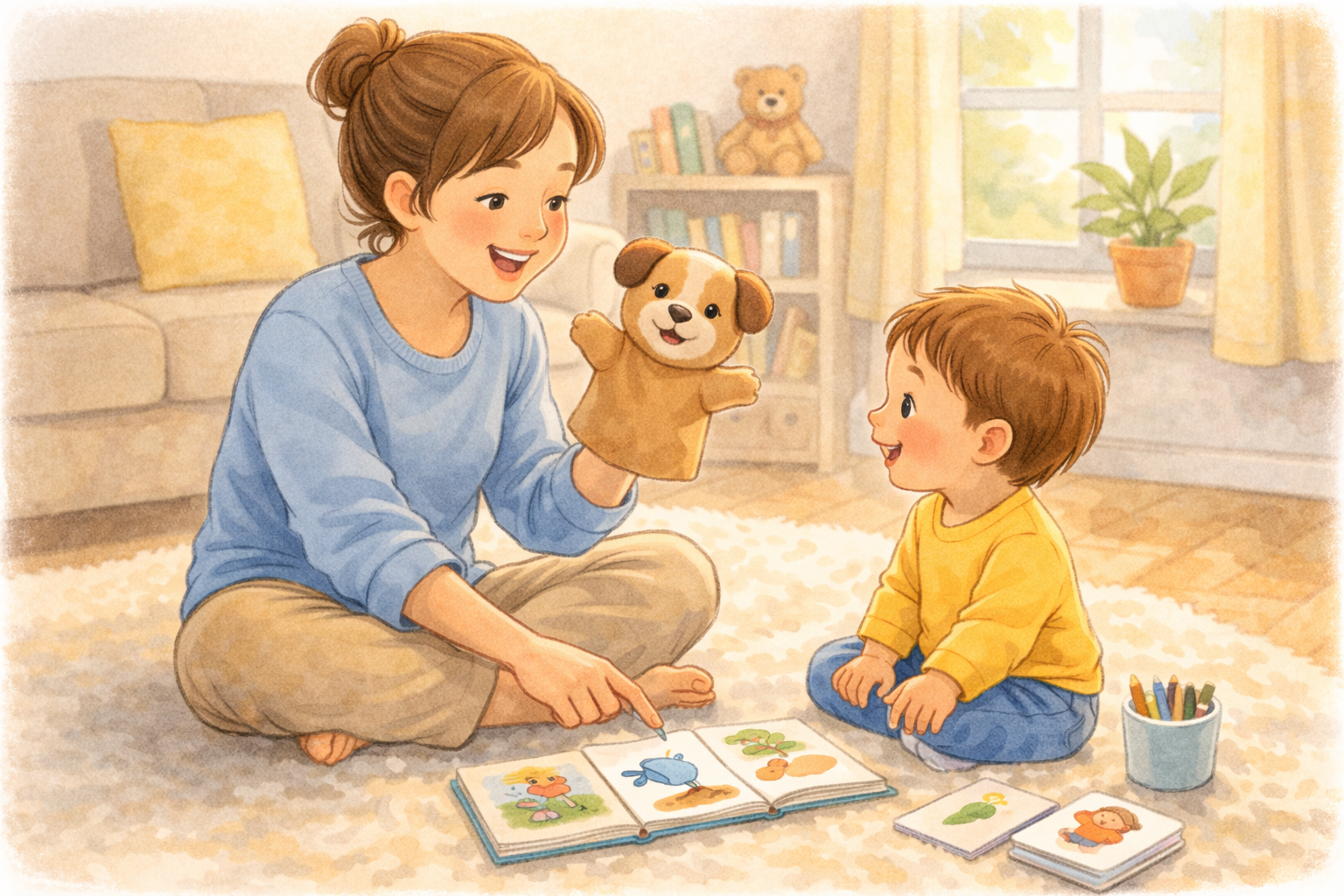
How Toddlers Learn Through Rhyme

Toddlers often enjoy repeating the same rhyme again and again.

This repetition strengthens memory and language connections.

You might notice your child:
  • Finishing the last word of a rhyme
  • Laughing at silly rhyming words
  • Repeating favourite lines
Repetition also supports recall. Learn more in How Books Build Early Memory Skills.
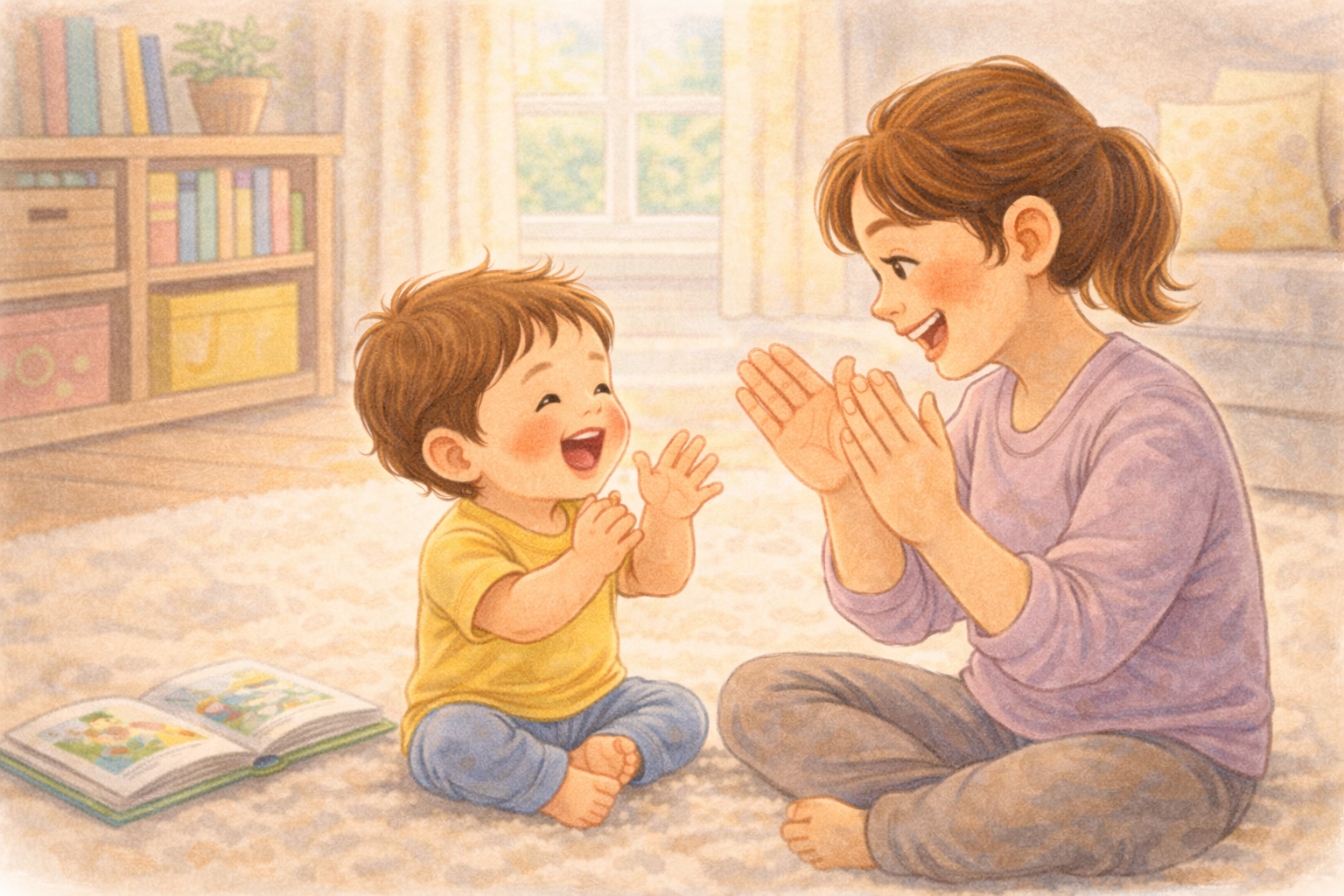
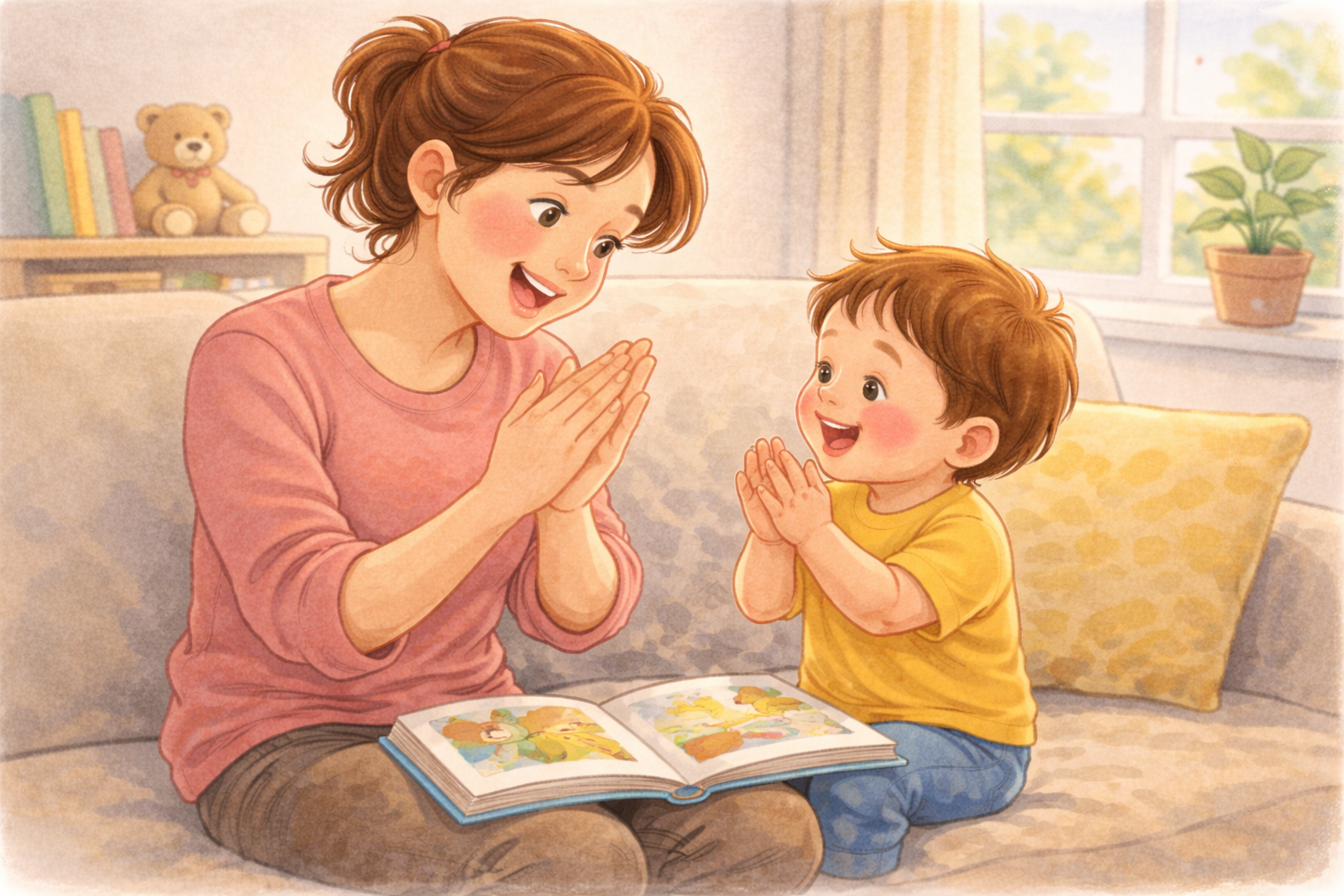
Parent and toddler clapping and chanting a rhyme together at home.

Simple Ways to Use Rhyme at Home

You do not need special materials.

Short, playful moments are enough.

1. Sing Nursery Rhymes Daily

Classic rhymes are rich in repetition and rhythm.

If you would like ideas, visit Best Nursery Rhymes for Literacy.

2. Pause Before the Rhyming Word

Try saying:

“The cat sat on the…” and pause.

Even if your child guesses incorrectly, they are practising sound prediction.

3. Make Up Silly Rhymes

Change names and objects:

“Ben in a den.”

“Dog on a log.”

Silly rhymes make sound play enjoyable.

From Rhyme to Reading

When children recognise rhyming patterns, they begin to see how words connect.

This makes blending sounds easier later on.

If you are exploring phonics activities, you may also find Phonics Activities for Toddlers helpful.

Keep It Joyful

Rhyme works best when it feels fun.

Sing in the car.

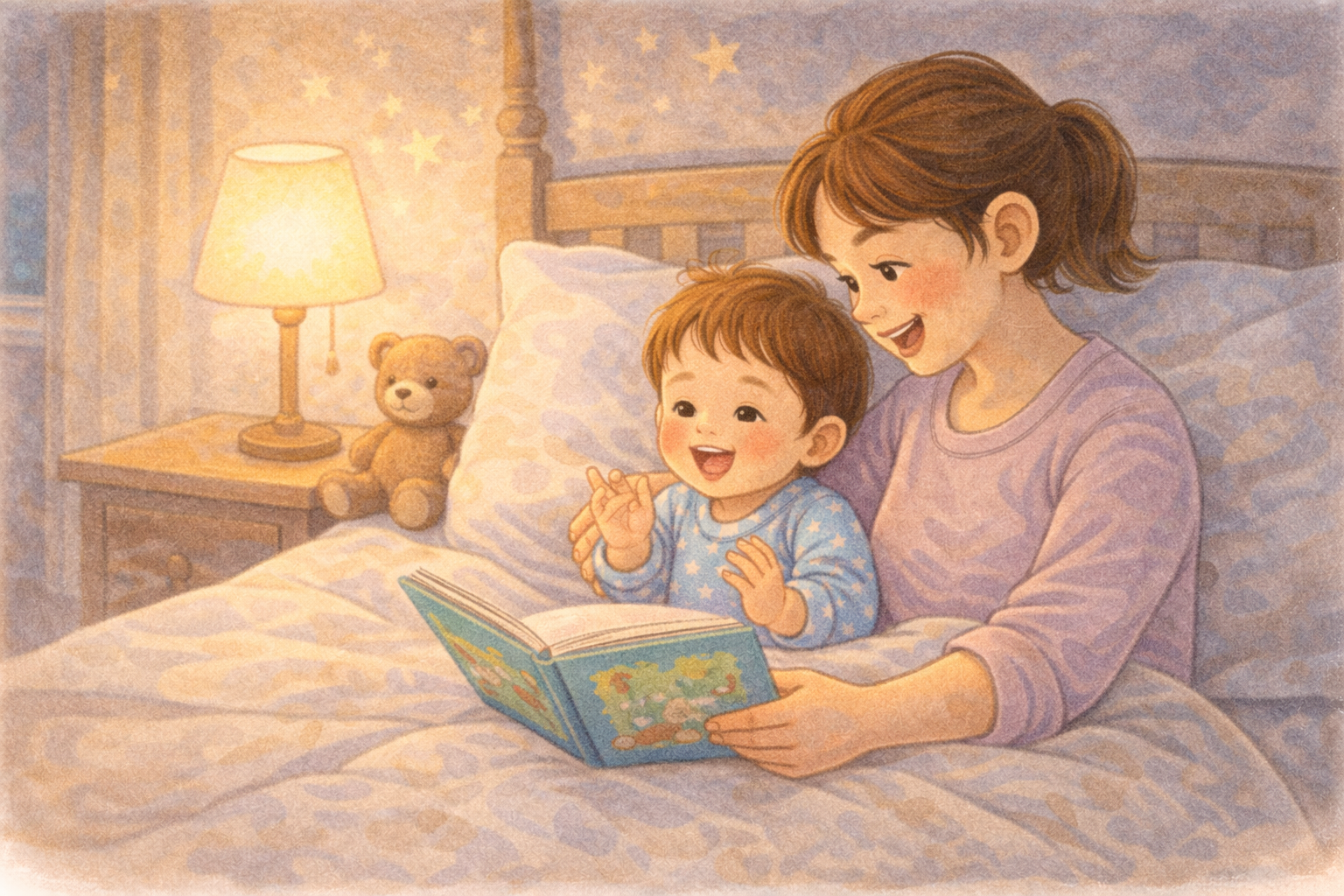
Whisper rhymes at bedtime.

Clap along in the kitchen.

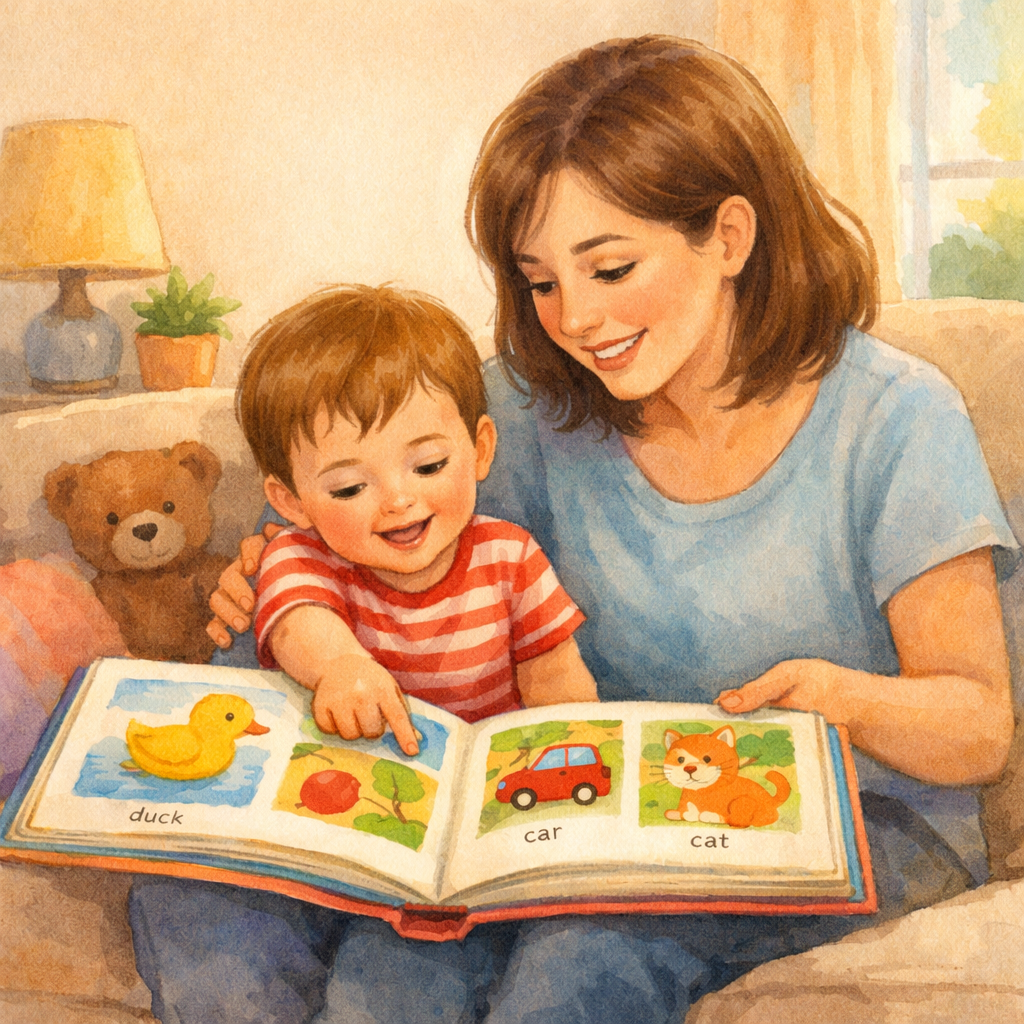
If you enjoy using clear, simple images while chanting and naming, ChattyCubs First Words books can sit beautifully alongside rhyme time.

Small, repeated rhythms build confident readers.

Newsletter

Join our Early Readers Club for fun learning tips, sneak peeks at new books, and free printable activities!
ChattyCubs™ 2026 All Rights Reserved.