ChattyCubs
£0.00 0

Basket

No products in the basket.

Interactive Storytelling Tips

Interactive Storytelling Tips

Interactive storytelling turns reading into a shared experience.

Instead of simply listening, your child joins in.

This builds confidence, language skills, and deeper understanding of stories.

For a full overview of early reading foundations, visit Early Literacy Skills.

Why Interactive Storytelling Matters

When children take part in a story, they are:
  • Practising expressive language
  • Building listening skills
  • Strengthening comprehension
  • Developing imagination
These skills support long-term reading confidence.

If your child is still building early foundations, you may also find Pre-Reading Skills in Toddlers helpful.

Simple Interactive Storytelling Tips

You do not need special tools.

Small changes to your reading routine can make a big difference.

1. Ask Gentle Questions

Pause occasionally and ask:
  • “What do you think will happen next?”
  • “How is the character feeling?”
  • “Can you see the dog?”
Keep questions light.

If your child does not answer, simply continue reading.

2. Use Voices and Expressions

Change your tone for different characters.

Whisper during quiet moments.

Use a deeper voice for bigger characters.

This keeps attention strong and makes stories memorable.

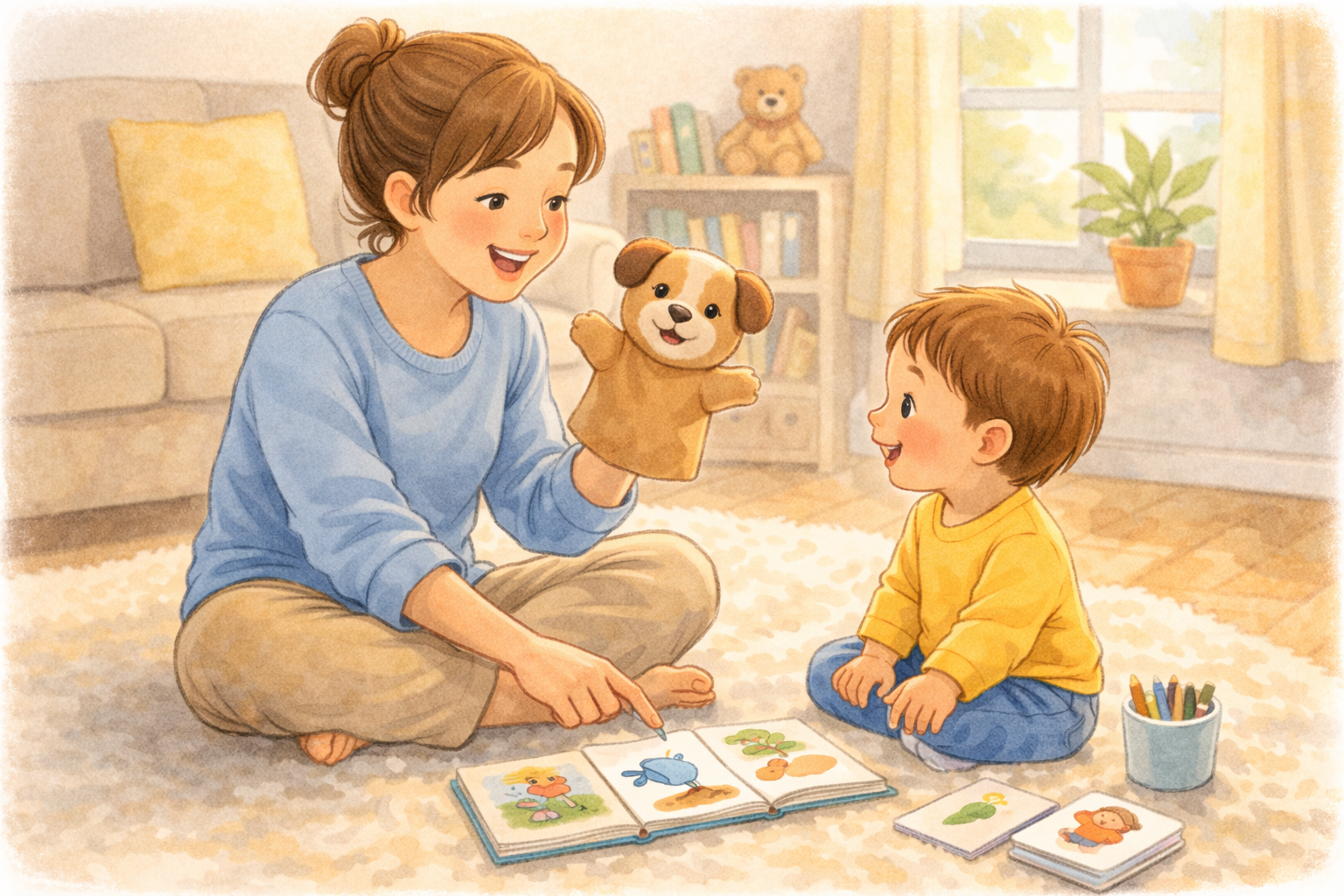
You can also combine this approach with Using Puppets to Teach Stories for even more engagement.
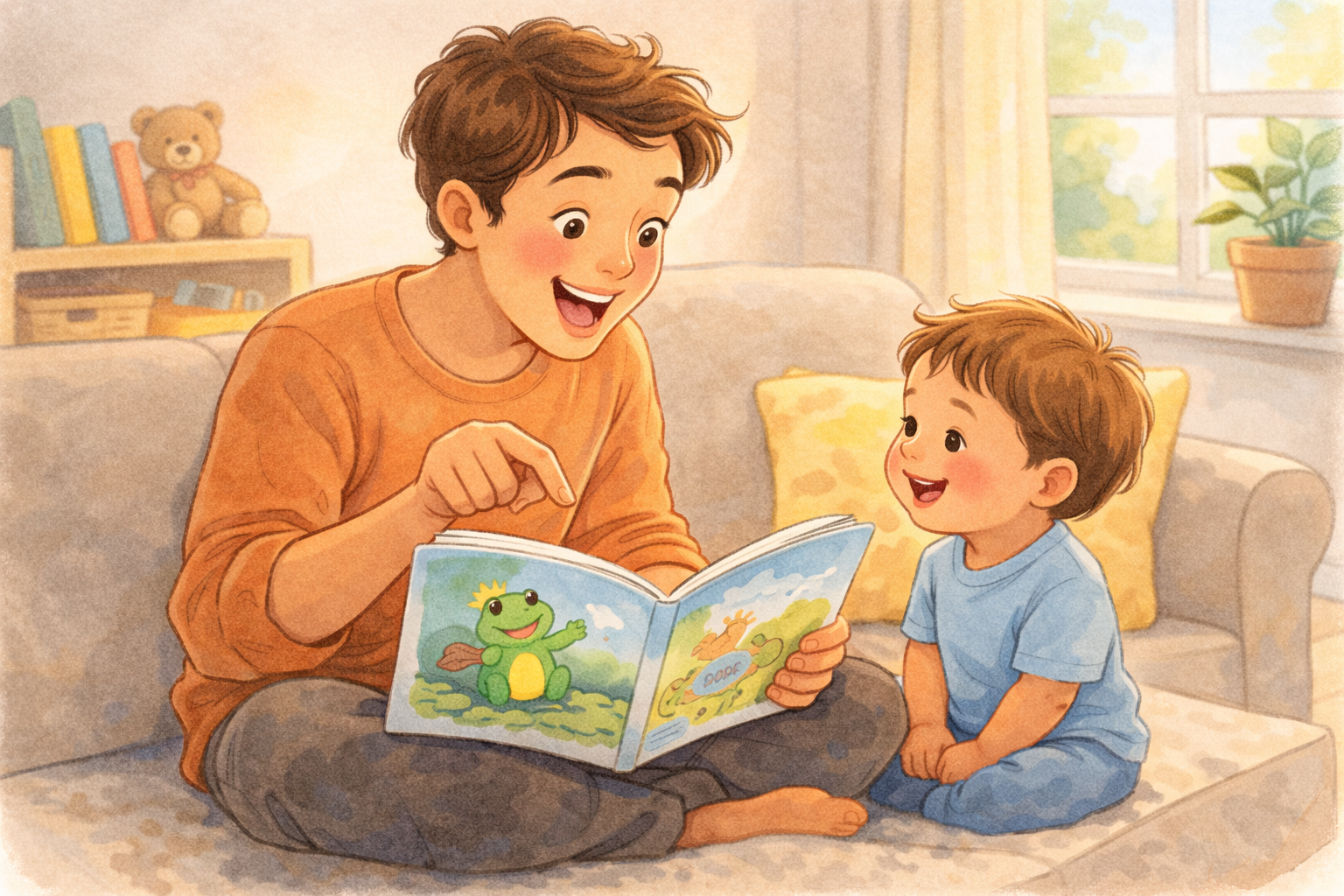
Parent reading expressively from a picture book while toddler listens.

3. Encourage Movement

Act out simple actions from the story.

If the character jumps, jump.

If it rains, tap your fingers like raindrops.

Movement strengthens memory and understanding.

4. Let Your Child Retell Parts

After reading, ask your child to tell you what happened.

Even simple phrases count.

If you are working on story order, you may also enjoy Sequencing Stories for Early Readers.

Making Story Time Feel Safe

Interactive storytelling is not about testing knowledge.

It is about connection.

Follow your child’s lead.

If they want to talk about one picture for five minutes, that is learning.

Shared reading remains the foundation. You can explore its impact in How Reading Aloud Builds Literacy.

Small Changes, Big Impact

Interactive storytelling works because it:
  • Builds vocabulary naturally
  • Strengthens attention span
  • Encourages confidence in speaking
  • Supports early comprehension
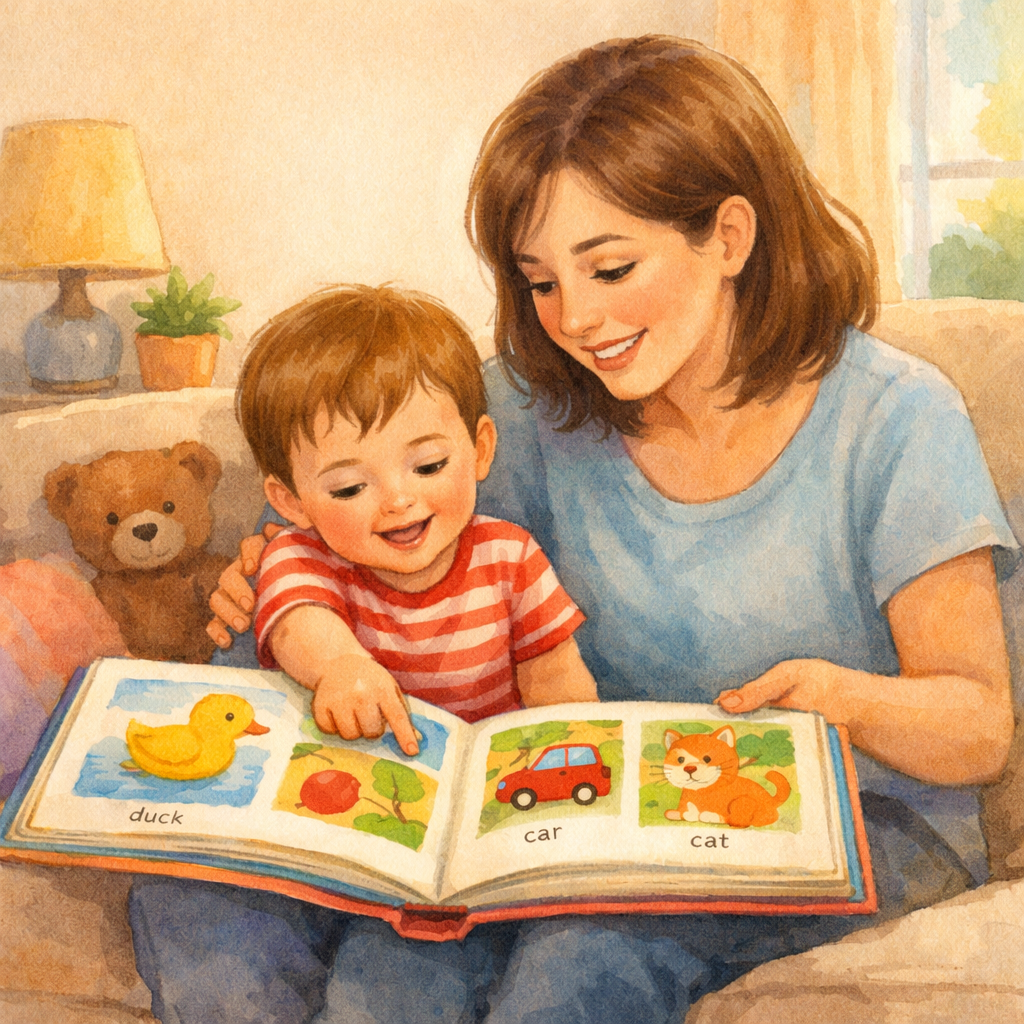
If you enjoy clear, simple illustrations that invite conversation, ChattyCubs First Words books are designed to spark pointing, naming, and shared discussion.

Five minutes of engaged reading each day can make a lasting difference.

Newsletter

Join our Early Readers Club for fun learning tips, sneak peeks at new books, and free printable activities!
ChattyCubs™ 2026 All Rights Reserved.