ChattyCubs
£0.00 0

Basket

No products in the basket.

Pre-Reading Skills in Toddlers

Pre-Reading Skills in Toddlers

Pre-reading skills in toddlers are the building blocks that come before formal reading.

Long before a child recognises letters or sounds out words, they are learning how books work, how language sounds, and how stories flow.

If you have a baby or toddler, you are already building early literacy without realising it.

This page sits within our Early Literacy Skills guide, where we explore how reading develops from birth to age three.

What Are Pre-Reading Skills?

Pre-reading skills are the abilities children develop before they learn to read independently.

They include:
  • Listening and understanding spoken language
  • Recognising pictures and symbols
  • Noticing patterns and rhymes
  • Turning pages and handling books
  • Understanding that print carries meaning
These skills begin in infancy and grow steadily through toddlerhood.

No worksheets required.
Why Pre-Reading Skills Matter

Reading is not just about letters.

It is about language, attention, memory, and curiosity.

When toddlers:
  • Listen to stories
  • Point to pictures
  • Repeat familiar words
  • Join in with rhymes
They are building the foundation for future reading success.

Strong early foundations make formal reading feel easier later on.

Key Pre-Reading Skills in Toddlers

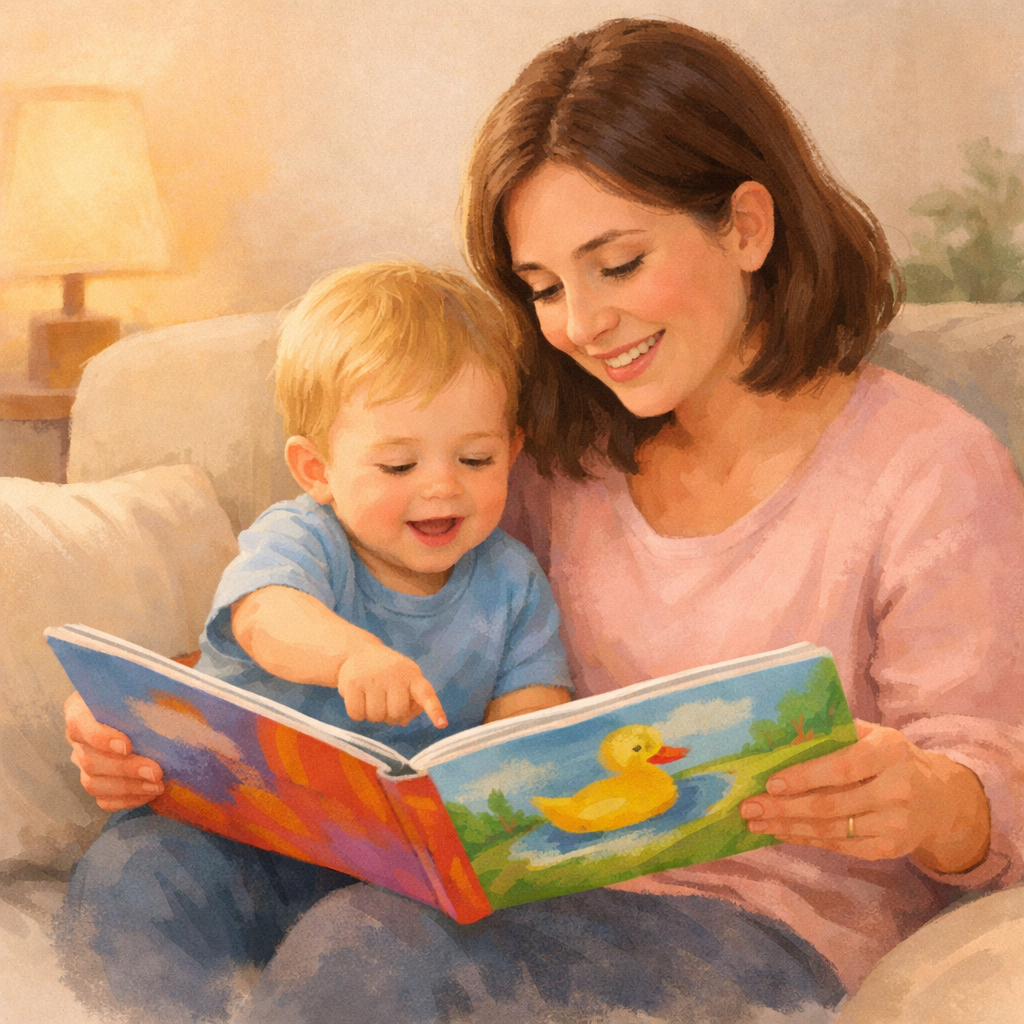
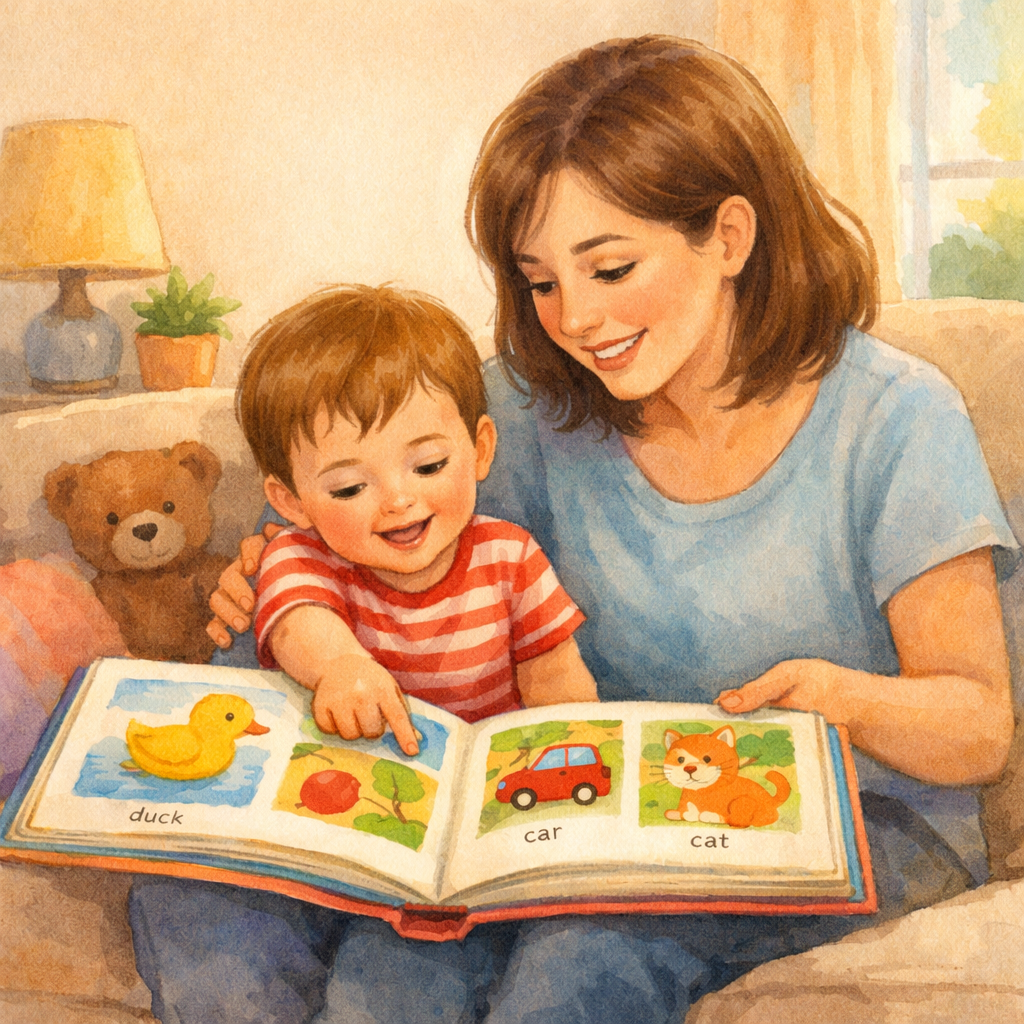
Parent and toddler reading a picture book together on a sofa.

1. Listening and Attention

Toddlers learn to focus for short periods during songs and stories.

You might notice:
  • They sit for part of a story
  • They bring you a favourite book
  • They ask for the same story again
Short, repeated sessions are perfect at this age.

2. Understanding That Pictures Represent Things

When your toddler points to a picture of a dog and says “dog”, that is a powerful step.

They are learning that:
  • Images stand for real objects
  • Books connect to their world
  • Words match what they see
This is a major pre-reading milestone.

3. Recognising Sounds and Rhymes

Before children can read letters, they notice sound patterns.

Simple rhymes help them hear differences in sounds, which links closely to Phonemic Awareness for Beginners.

Try:
  • Nursery rhymes
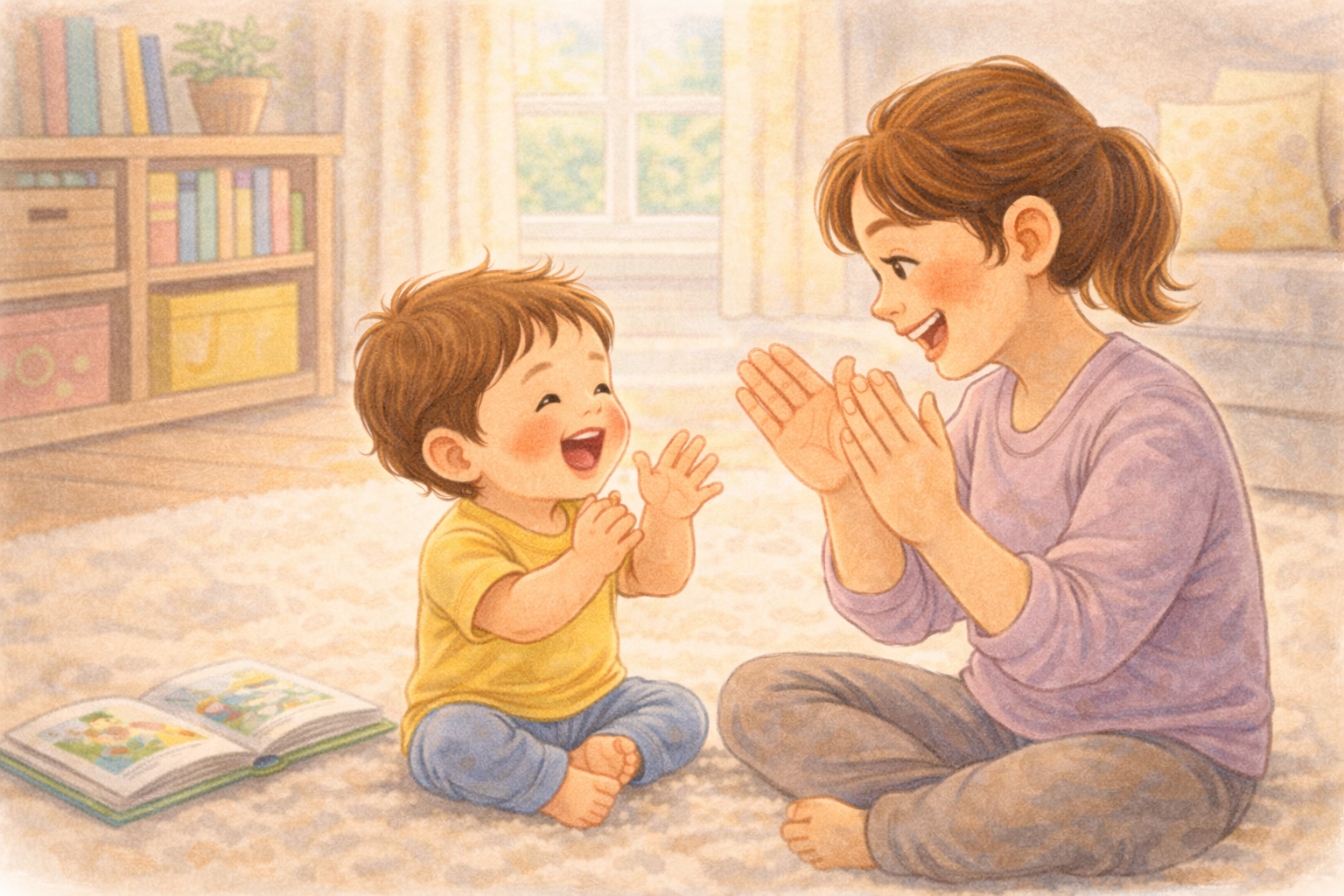
  • Clapping syllables in names
  • Funny made-up rhyming words
Keep it playful.

4. Book Handling Skills

Toddlers also learn how books work.

They practise:
  • Holding a book the right way up
  • Turning pages one at a time
  • Starting at the front
These small actions matter.

They build confidence and familiarity.

Pre-Reading Skills by Age

Around 12–18 Months

  • Points to pictures when named
  • Enjoys looking at books briefly
  • Joins in with actions during songs

Around 18–24 Months

  • Names familiar pictures
  • Finishes sentences in favourite books
  • Brings books to adults to read

Around 2–3 Years

  • Pretends to read
  • Recalls parts of simple stories
  • Notices rhyming words
If you would like to see how these skills connect to wider progress, visit Tracking Literacy Milestones.

Remember, children develop at different speeds.

How to Support Pre-Reading Skills at Home

You do not need structured lessons.

You need small, consistent moments.

Try this:
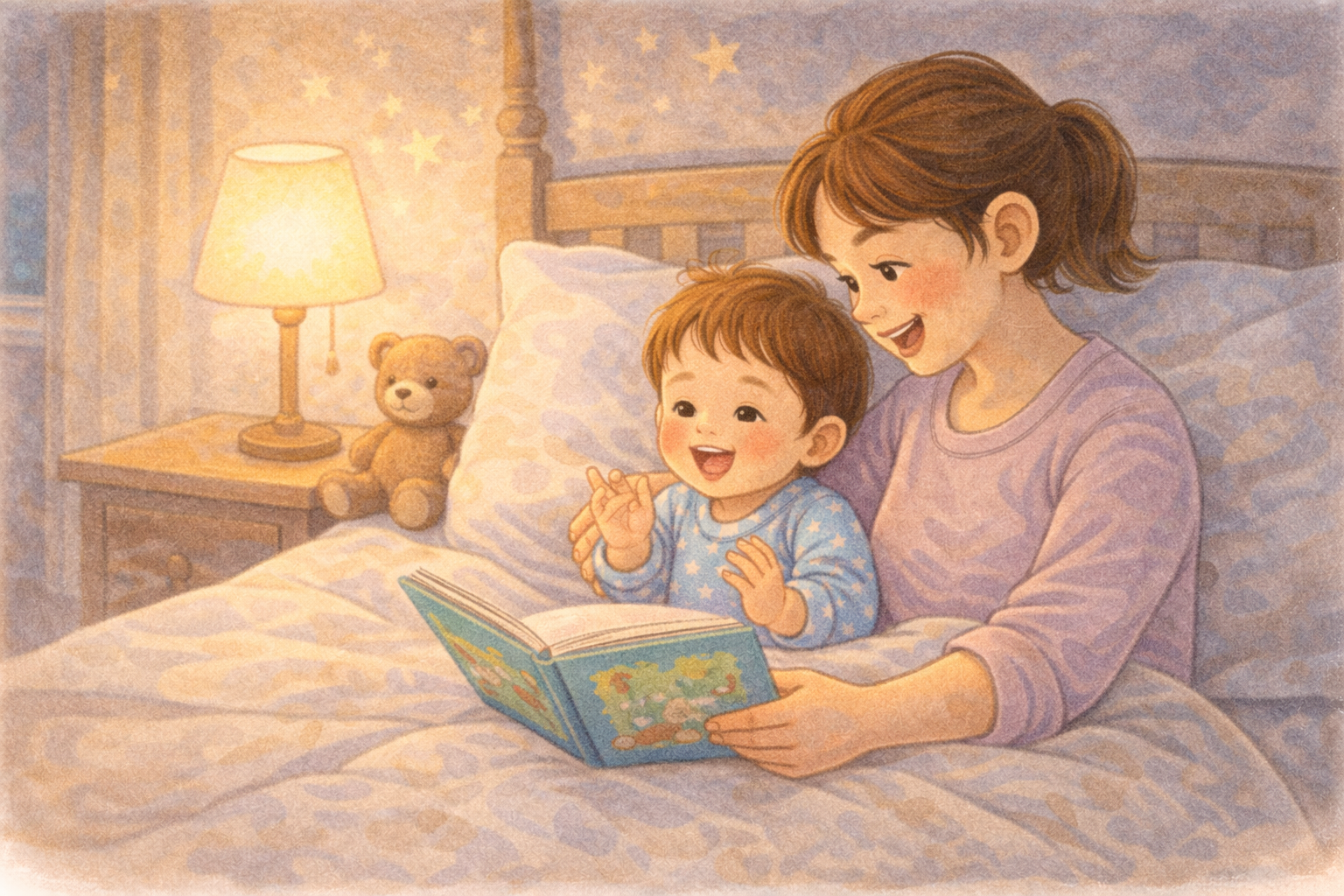
  • Read daily, even for five minutes
  • Point and name pictures slowly
  • Pause and let your toddler respond
  • Repeat favourite books often
  • Sing nursery rhymes during routines
Reading aloud is especially powerful. You can explore why in How Reading Aloud Builds Literacy.

The Role of First Words Books

Simple first words books are ideal for pre-reading development.

They help toddlers:
  • Link pictures to vocabulary
  • Build confidence naming objects
  • Develop early attention skills
Large, clear images and one word per page reduce overwhelm and encourage interaction.
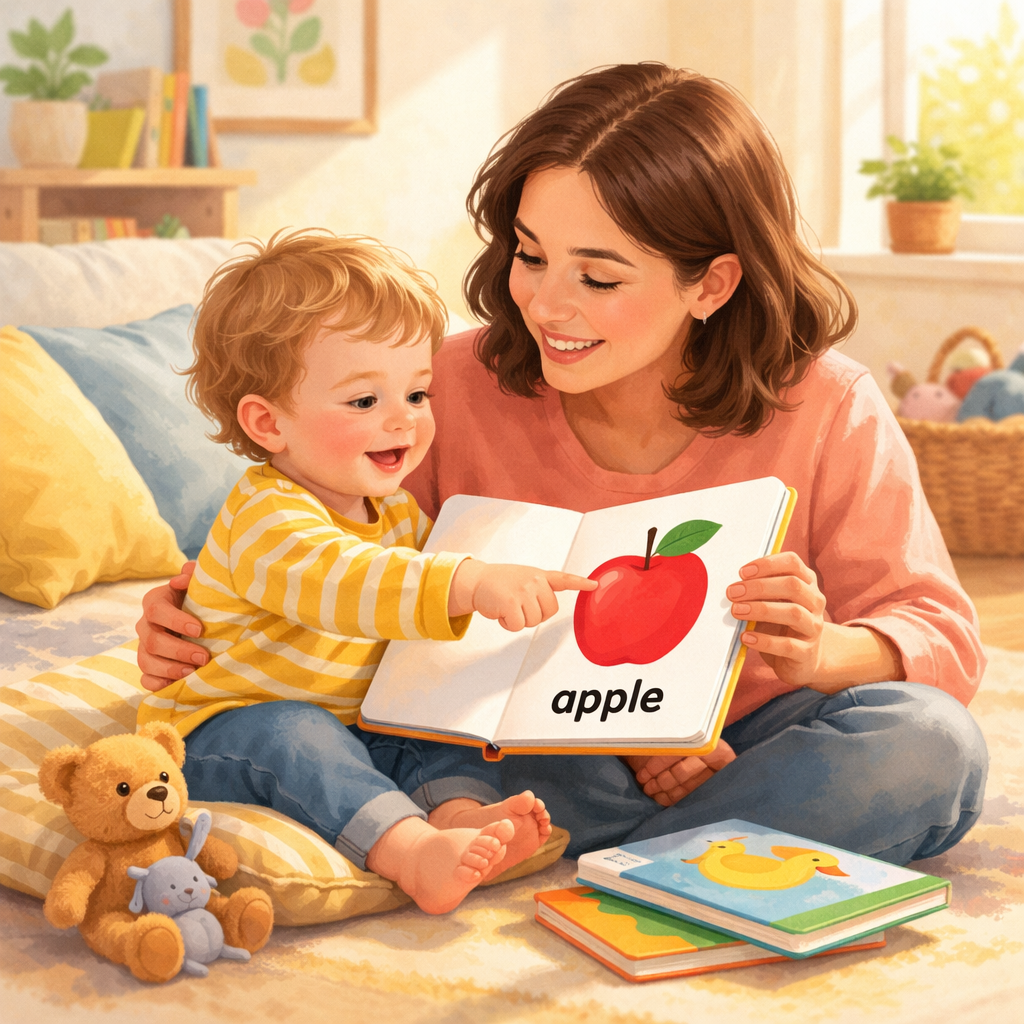
Toddler pointing at a simple first words book page with one clear image and word.

A Gentle Reminder

Pre-reading skills are not about pushing early reading.

They are about building joy, confidence, and connection.

If your toddler enjoys books, language, and conversation, you are doing exactly what they need.

And that is more than enough.

Newsletter

Join our Early Readers Club for fun learning tips, sneak peeks at new books, and free printable activities!
ChattyCubs™ 2026 All Rights Reserved.