ChattyCubs
£0.00 0

Basket

No products in the basket.

Sequencing Stories for Early Readers

Sequencing Stories for Early Readers

Sequencing stories means understanding what happens first, next, and last.

It is a key early literacy skill that helps children make sense of books.

When children can retell simple events in order, they are building strong foundations for reading comprehension.

For a wider overview, visit Early Literacy Skills.

Why Story Sequencing Matters

Stories follow patterns.

Beginning. Middle. End.

When children understand this structure, they:
  • Follow plots more easily
  • Predict what might happen next
  • Retell stories with confidence
  • Strengthen memory skills
Sequencing also supports attention and listening.

These skills start developing long before formal reading begins. You can explore early foundations in Pre-Reading Skills in Toddlers.
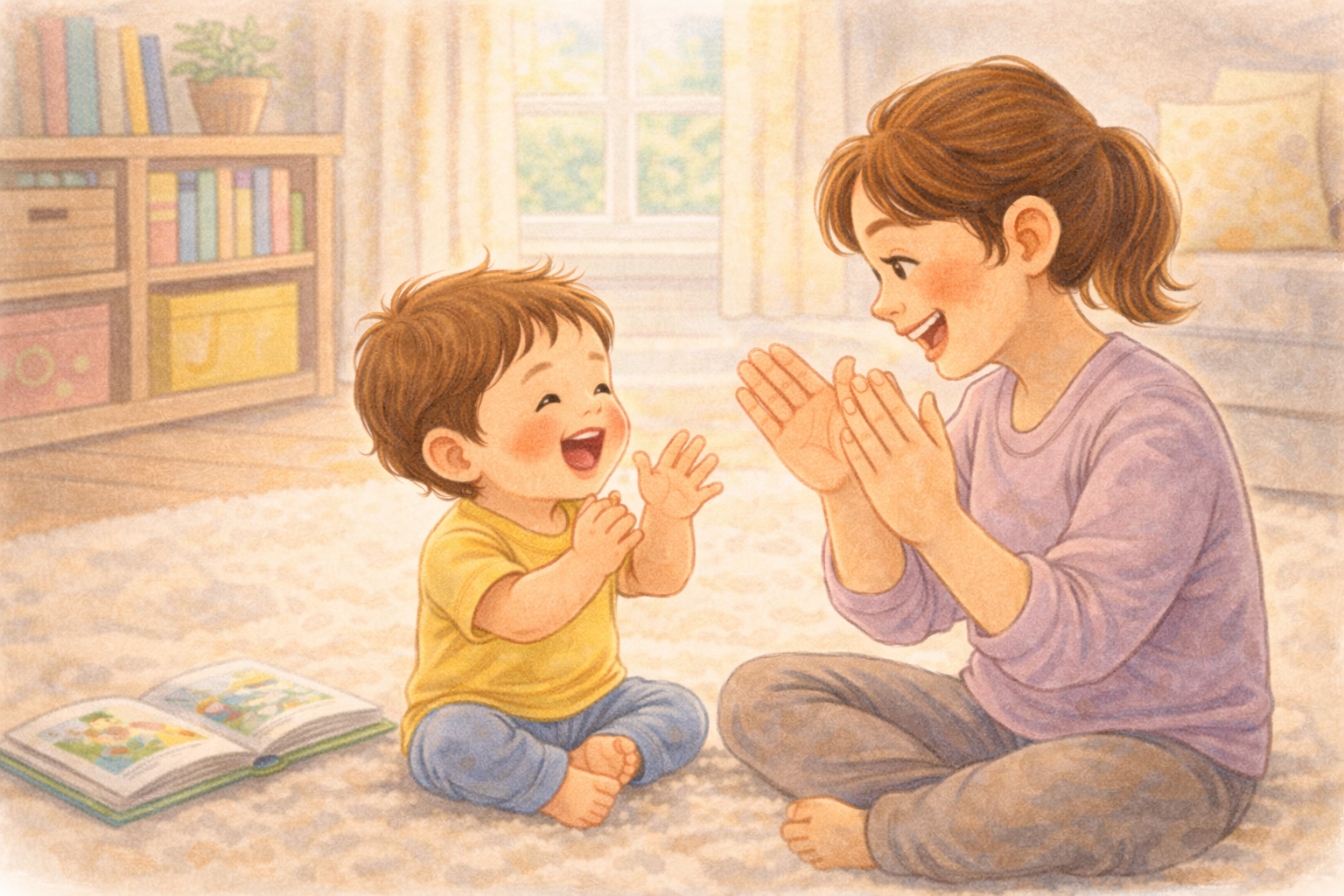
What Story Sequencing Looks Like in Toddlers

For young children, sequencing is very simple.

It might sound like:
  • “Baby cried, mummy came.”
  • “We went park, then snack.”
  • “Bath, pyjamas, bed.”
These everyday routines are early story structures.

Children practise ordering events naturally through daily life.
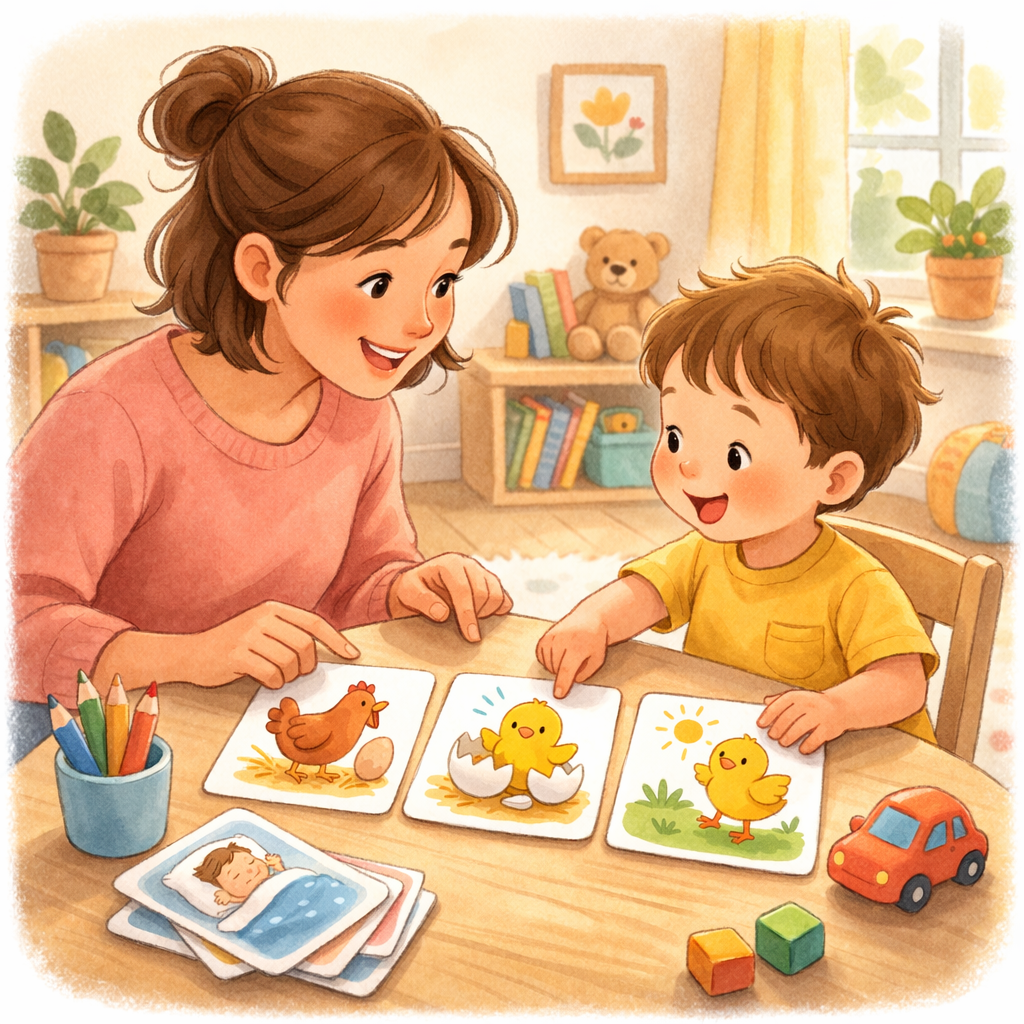
Parent and toddler arranging picture cards to retell a simple story.

Simple Ways to Practise Sequencing at Home

Keep it light and conversational.

1. Talk About Daily Routines

After an activity, ask simple questions:

“What did we do first?”

“And then what happened?”

This builds narrative awareness gently.

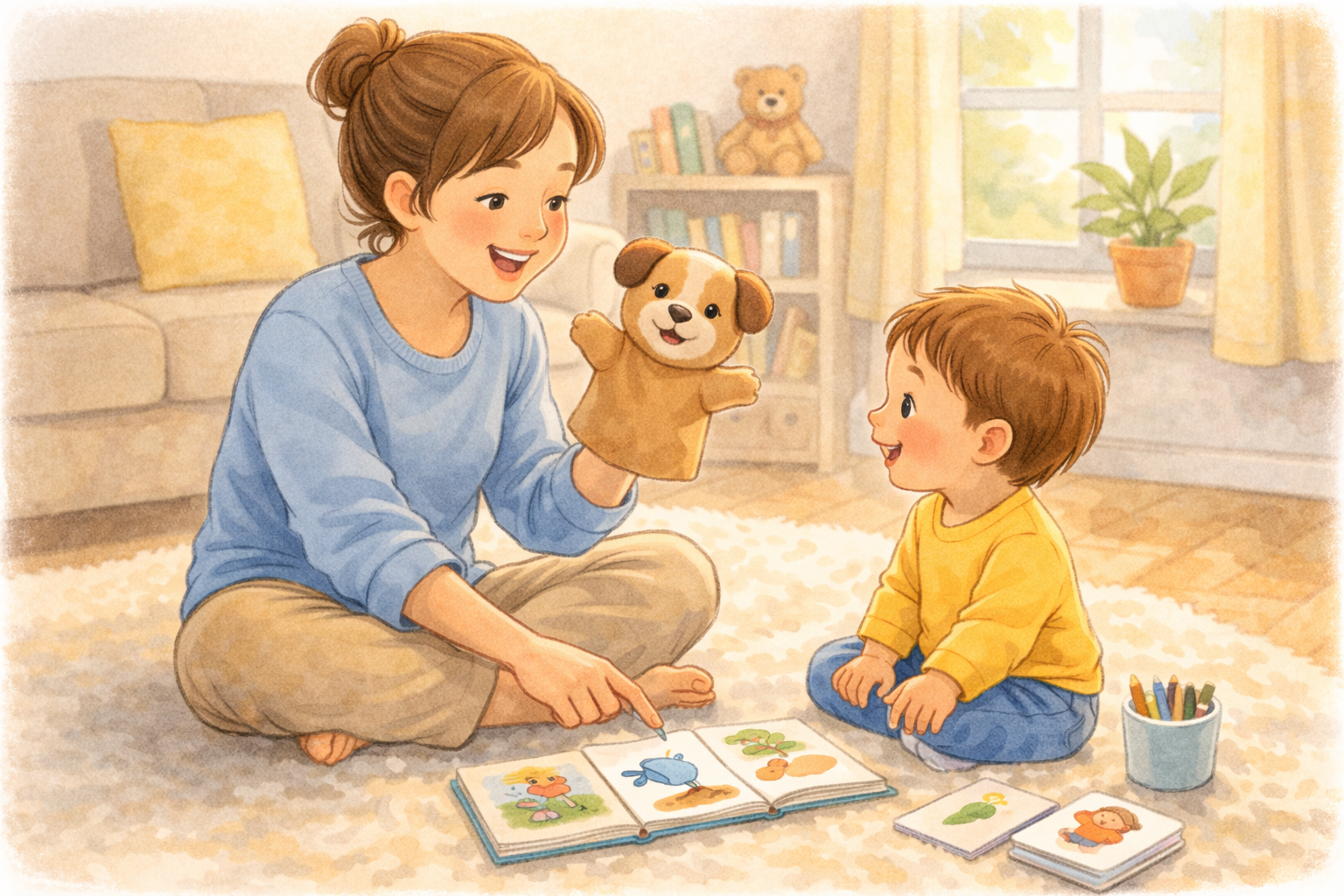
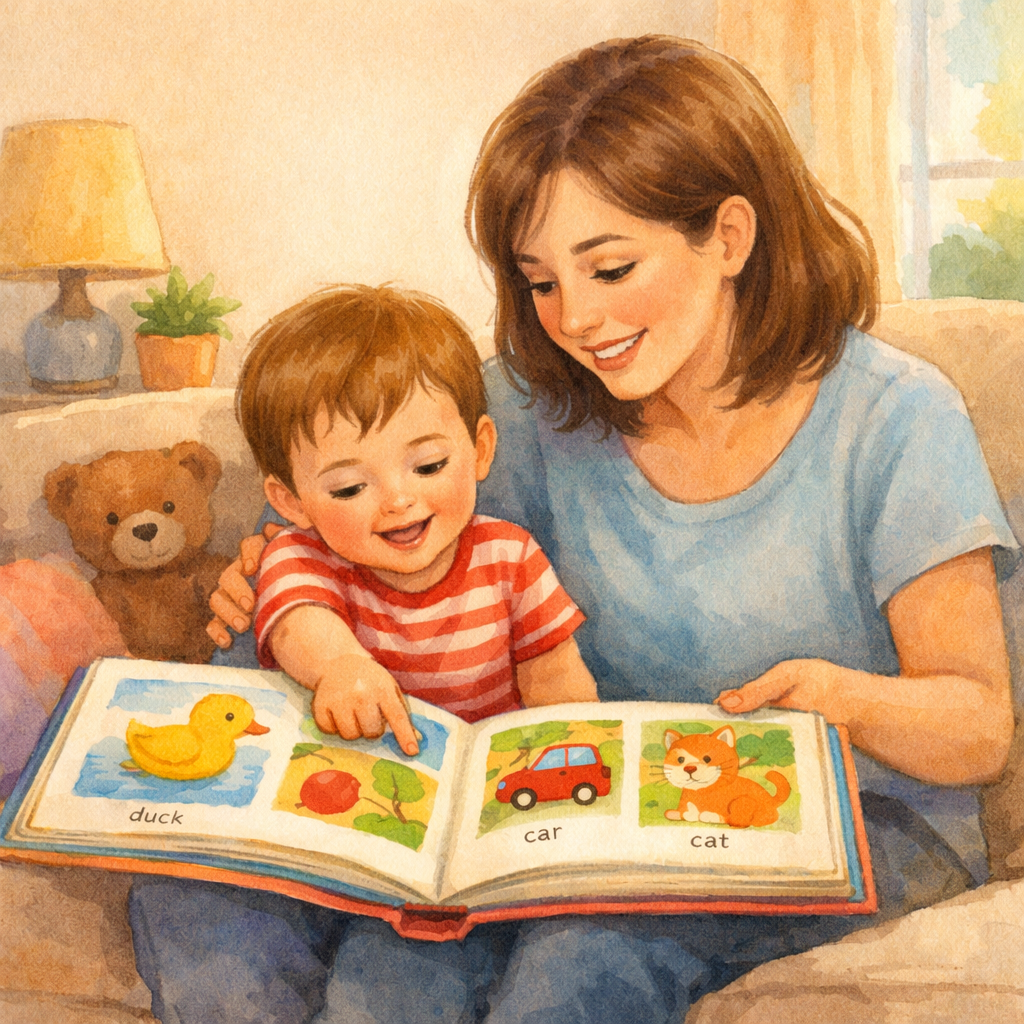
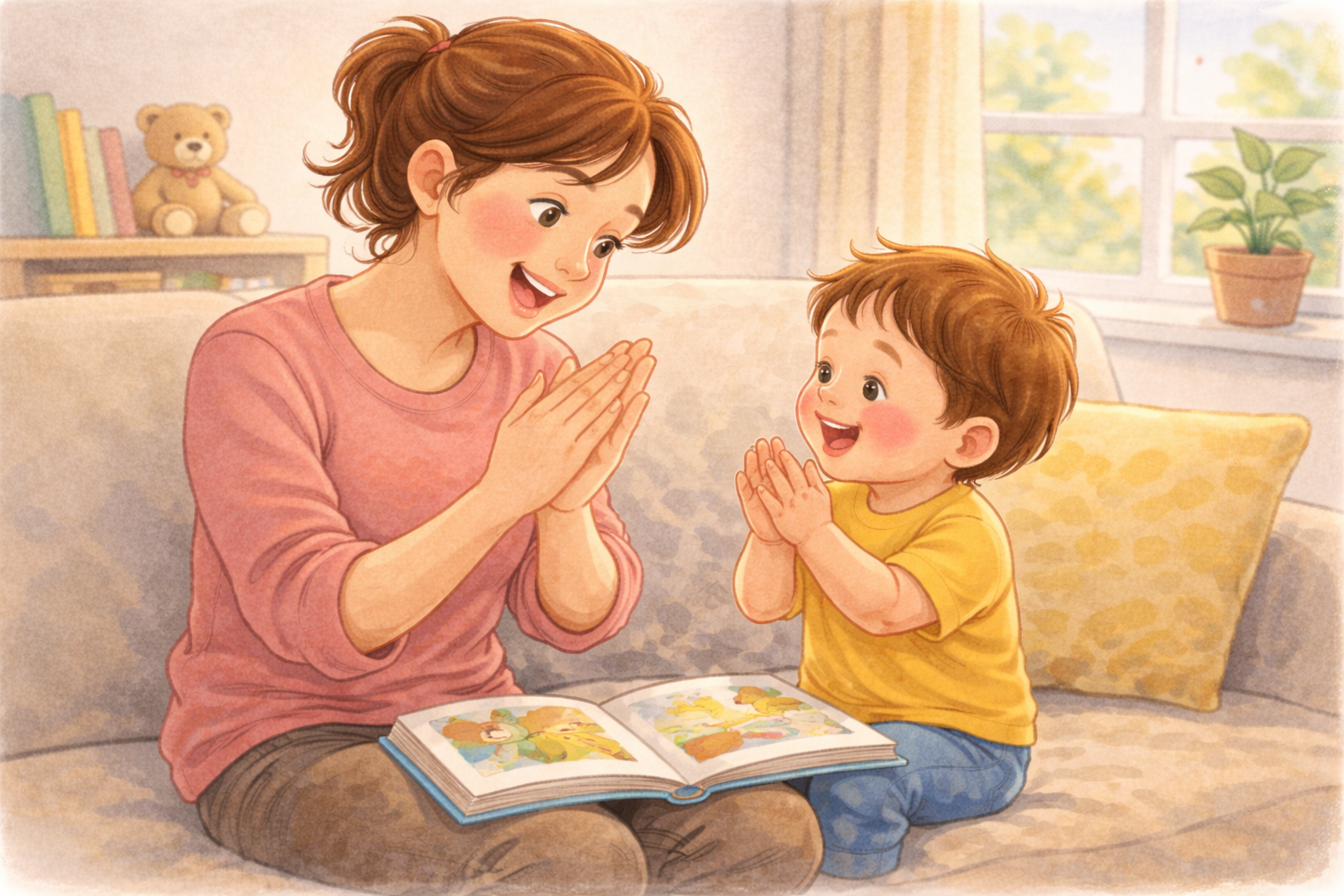
2. Use Picture Books

After reading, ask your child:

“What happened at the start?”

“What happened at the end?”

Reading aloud regularly supports this skill. You can explore more in How Reading Aloud Builds Literacy.

3. Try Three-Card Stories

Draw three simple pictures on paper.

For example:
  • Planting a seed
  • Watering it
  • A flower growing
Ask your child to place them in order.

There is no need for perfect answers. The conversation is what matters.

How Sequencing Supports Reading Later On

When children understand order, they find it easier to:
  • Understand story plots
  • Write simple sentences in order
  • Retell what they have read
  • Answer comprehension questions
Sequencing works alongside sound awareness and word recognition.

If your child is beginning to recognise common words, you may also find Sight Words for Early Readers useful.

Keeping It Playful

Story sequencing does not need worksheets.

It grows through:
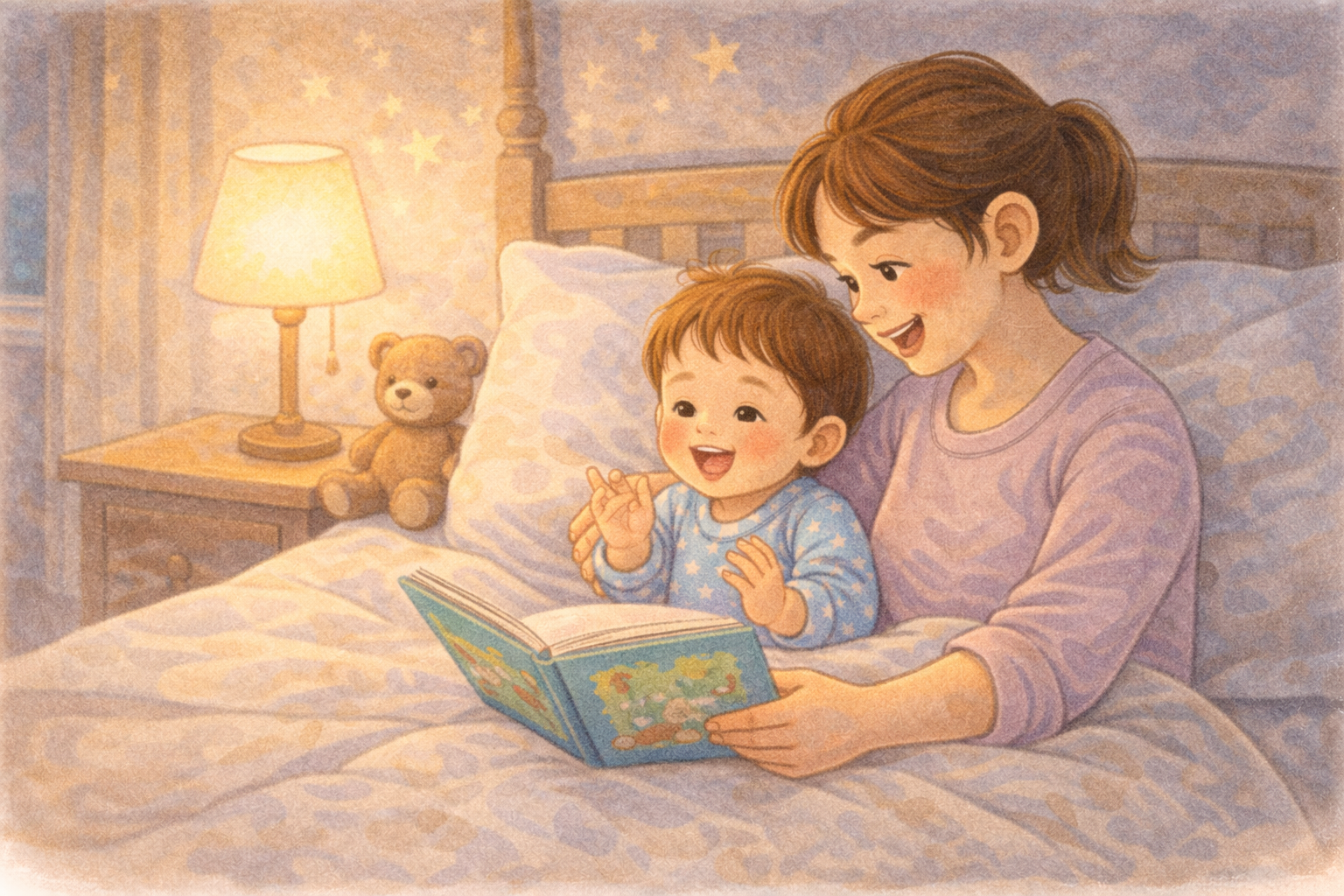
  • Bedtime chats
  • Rhyme repetition
  • Acting out favourite stories
  • Talking about everyday events
If you enjoy using clear, simple images to talk about what is happening on the page, ChattyCubs First Words books provide strong visual support for early storytelling.

Small conversations build confident readers.

Newsletter

Join our Early Readers Club for fun learning tips, sneak peeks at new books, and free printable activities!
ChattyCubs™ 2026 All Rights Reserved.