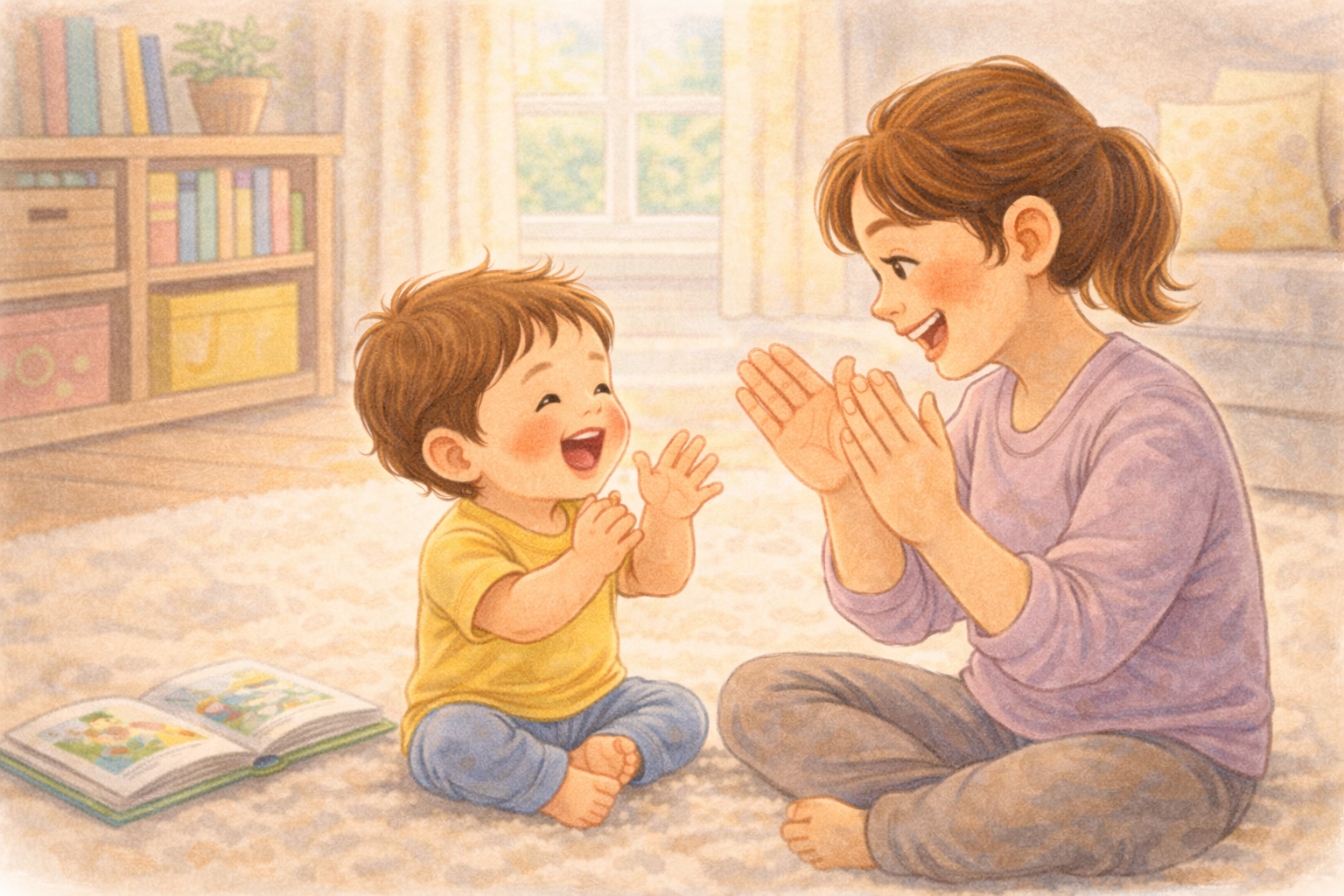
Children need to hear words many times before they use them.
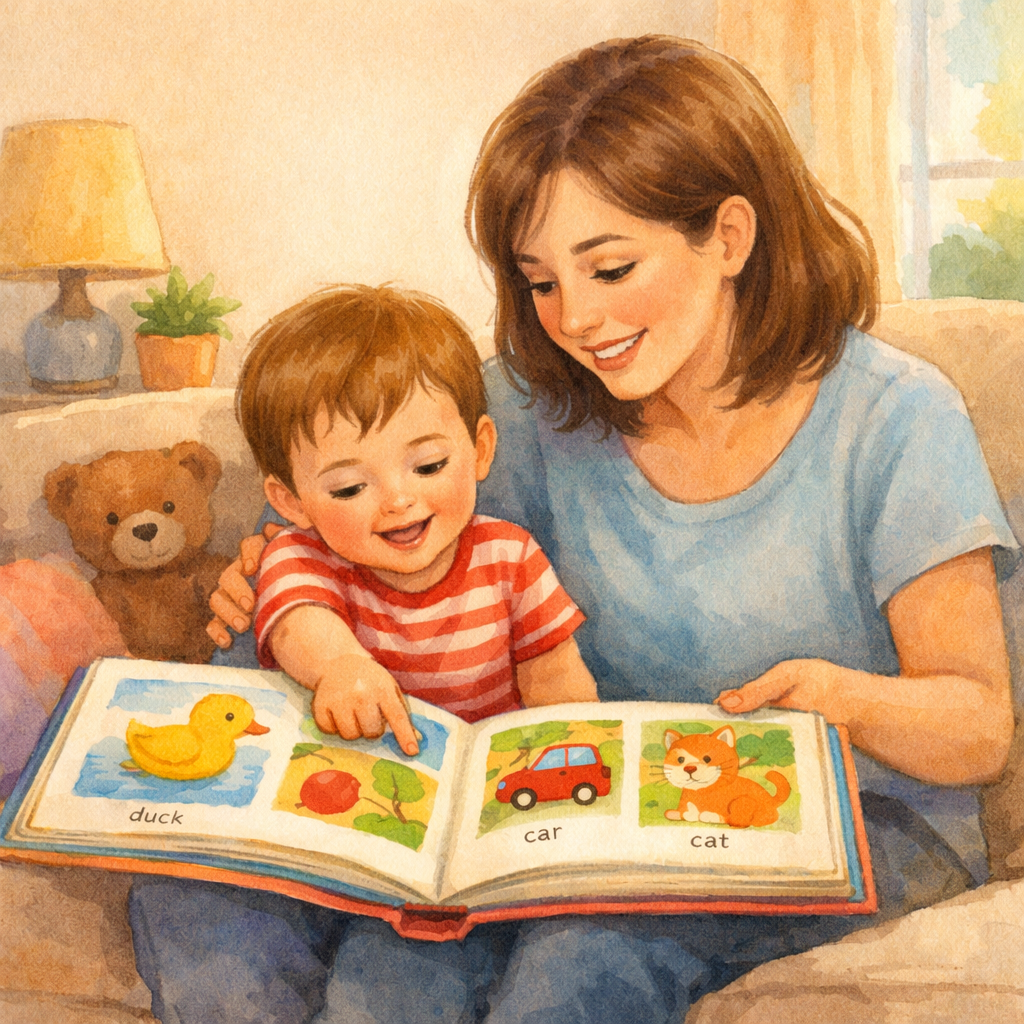
Books introduce words that do not always appear in daily conversation. Words like “enormous”, “swoop” or “whisper” expand your child’s language naturally.
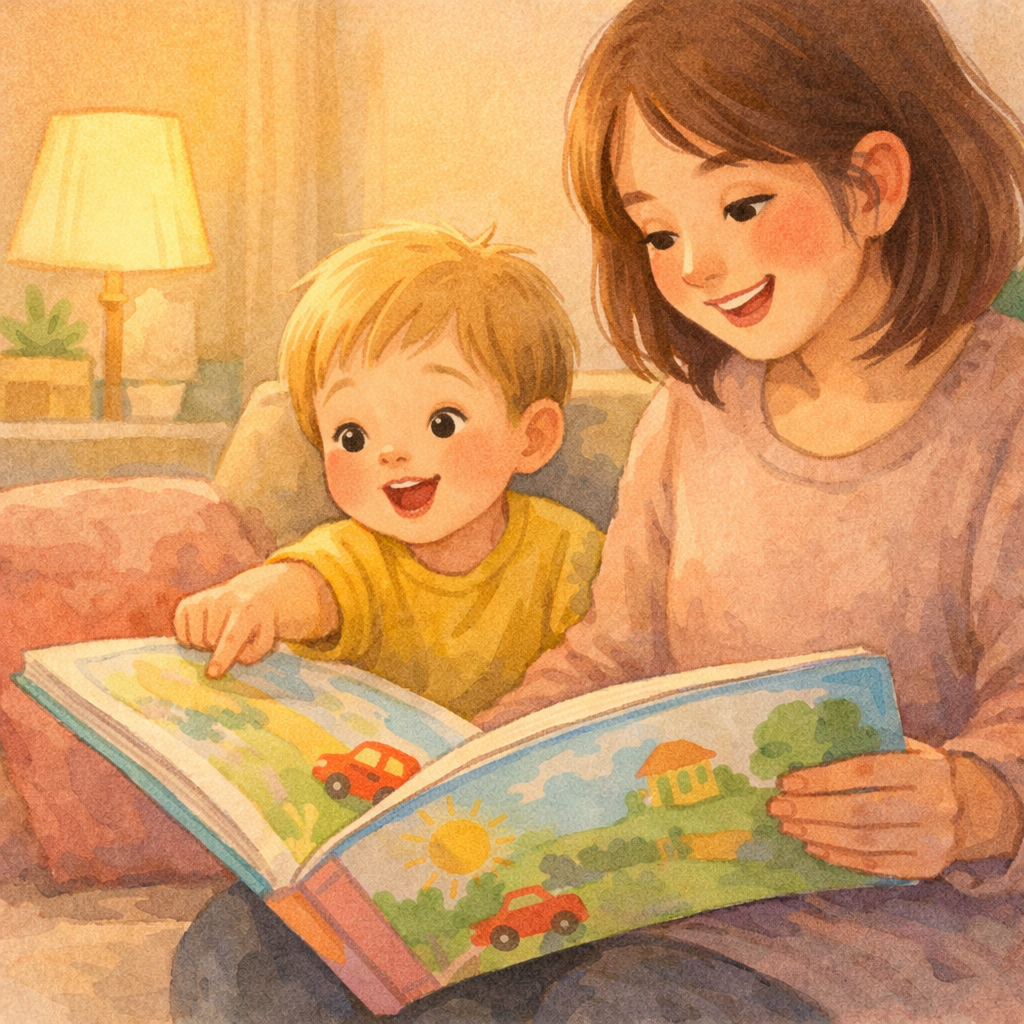
- Pause and point to pictures
- Repeat interesting words slowly
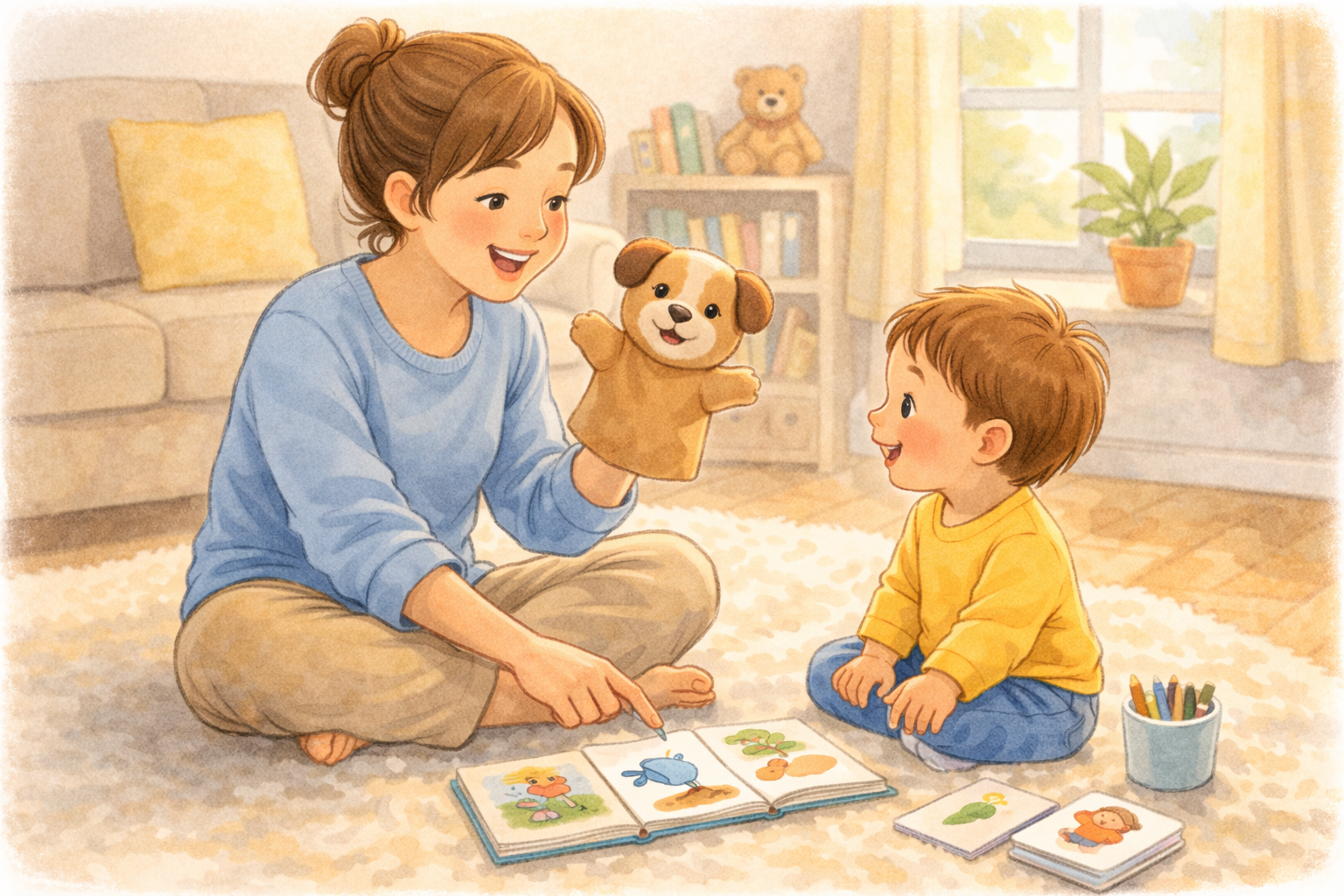
- Use expression in your voice
- Let your child join in with repeated phrases
These small moments strengthen word understanding in a gentle way.
Before children can read, they develop important foundations such as:
- Listening carefully
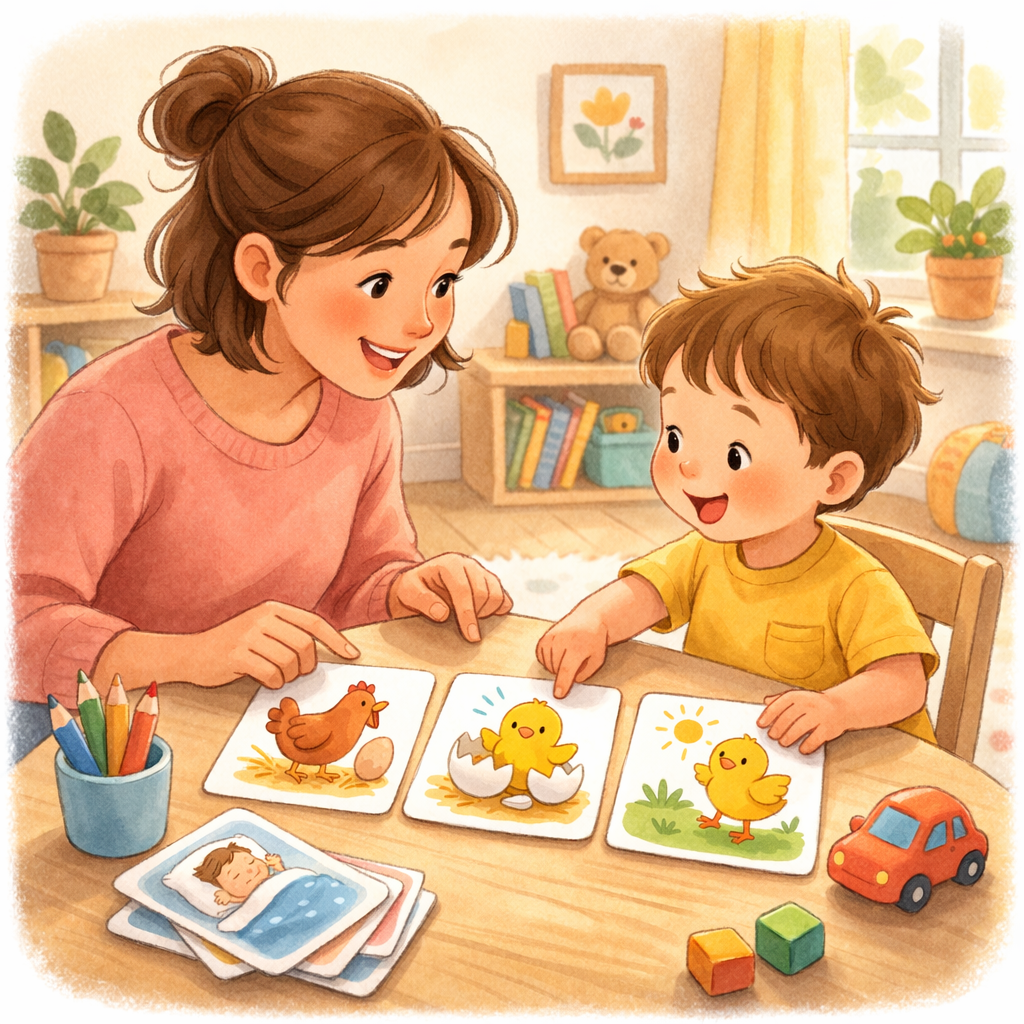
- Following a sequence
- Recognising sounds in words
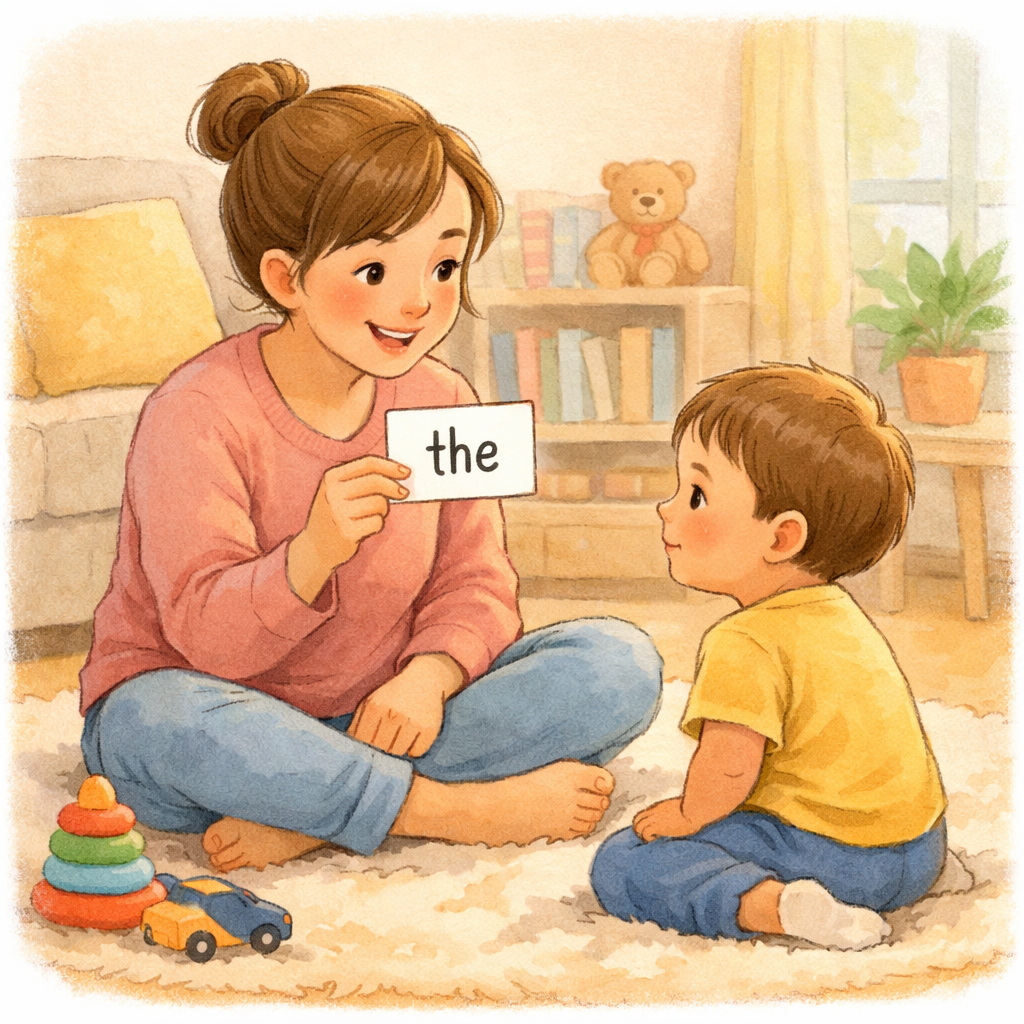
- Understanding print has meaning
These are known as
pre-reading skills in toddlers.
Reading aloud supports all of them at once, without pressure or worksheets.
When children hear rhythm and rhyme, they begin noticing sounds within words.
Simple rhyming books and repeated phrases help children tune in to:
- Beginning sounds
- Ending sounds
- Words that sound alike
This early sound awareness links closely to
phonemic awareness for beginners, a key stepping stone toward reading.
You do not need to “teach” this formally.
Just exaggerating rhyme or gently repeating sounds during stories makes a difference.
Listening to a story strengthens attention span over time.
At first, your child may sit for one or two minutes.
That is enough.
Gradually, they learn to:
- Stay with a story
- Remember what happened earlier
- Predict what might happen next
These skills later help with comprehension in school.
Literacy is not just academic.
It is emotional.
When you read aloud:
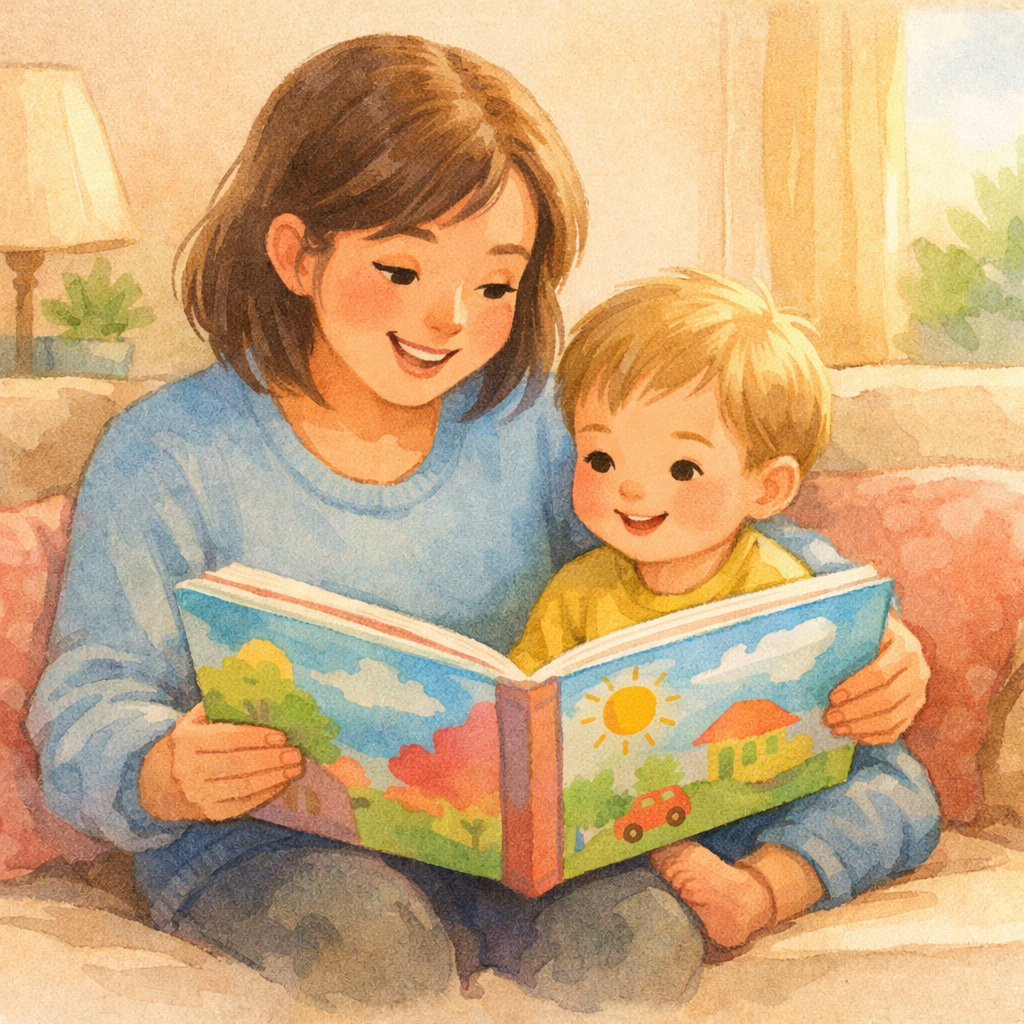
- Your child hears your voice calmly and closely
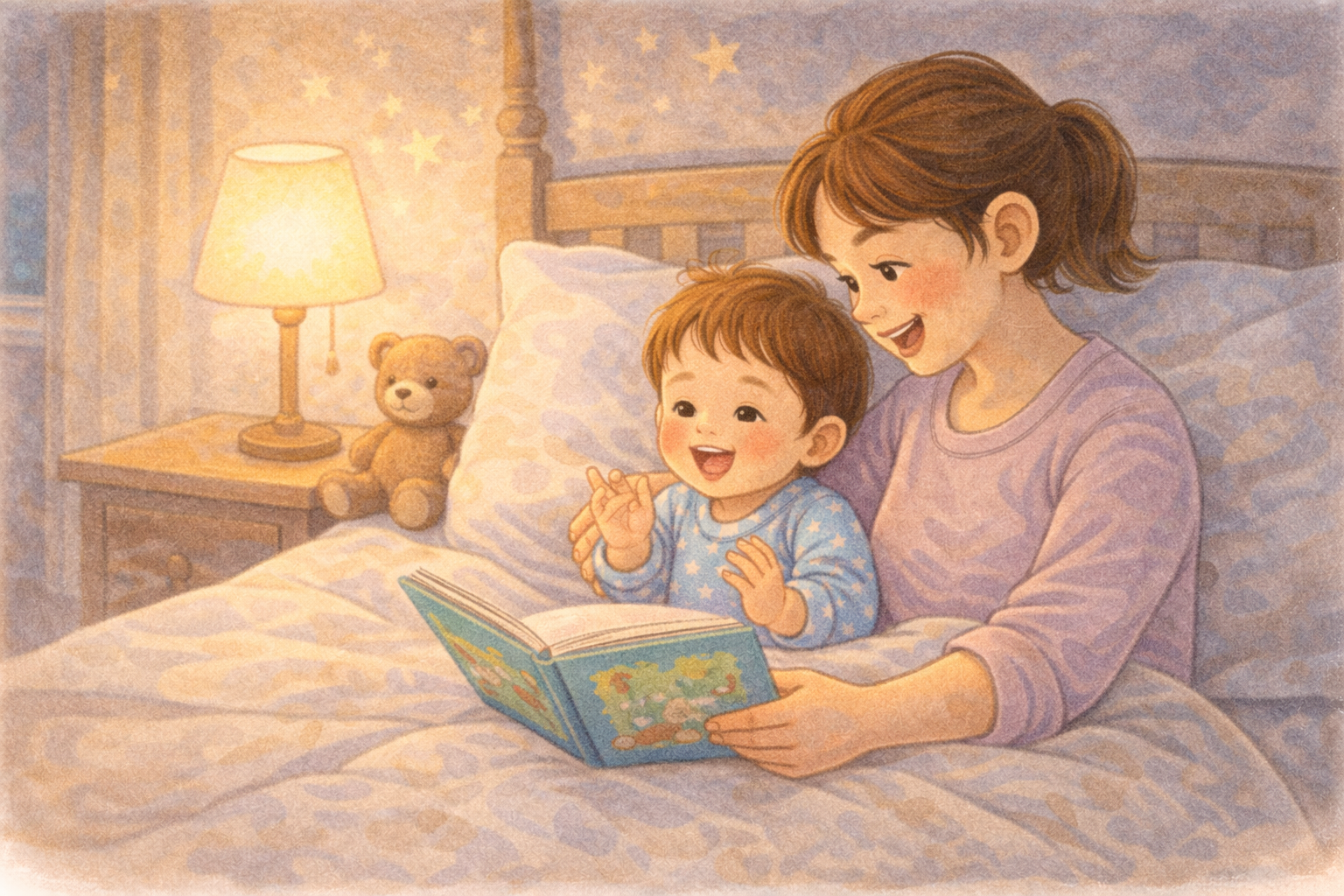
- They associate books with comfort
- They feel secure and connected
That emotional link makes them far more likely to enjoy reading independently later on.
There is no perfect number.
Even five minutes a day matters.
- Read one short book before bed
- Read while waiting for dinner to cook
- Keep a small book in your bag for outings
Short, consistent reading builds stronger habits than occasional long sessions.