ChattyCubs
£0.00 0

Basket

No products in the basket.

Language Development in Preterm Babies

Language Development in Preterm Babies

Babies who are born early often reach milestones in their own time. That includes speech and language. For many parents, it can be hard to know what is typical, what needs extra support, and how best to help at home.

The reassuring news is that preterm babies can and do develop strong communication skills. With gentle interaction, repetition, and responsive talking, you can support language development from the very beginning.

How Premature Birth Can Affect Language Development

Babies born preterm may have had less time to develop in the womb, which can influence early sensory processing and communication skills.

Some common differences you might notice include:
  • Later babbling or fewer sounds in the first months
  • Taking longer to say first words
  • Needing more repetition to recognise words
  • Being quieter or less responsive at first
These differences are not a reflection of intelligence or long-term ability. Many preterm children catch up over time, especially with supportive, talk-rich environments.

Using Corrected Age for Language Milestones

When looking at language milestones, it helps to use your baby’s corrected age rather than their actual birth date.

Corrected age is calculated by subtracting the number of weeks your baby was born early from their chronological age. This gives a more realistic picture of development and prevents unnecessary worry.

For example:
  • A baby born 8 weeks early may babble later than a full-term baby of the same birth date
  • This is usually expected and developmentally appropriate

Talking to Your Preterm Baby From Day One

Even very young babies benefit from hearing calm, familiar voices. Talking early helps build listening skills and lays the foundation for later words.

Simple ways to talk throughout the day:
  • Describe what you are doing during feeds, nappy changes, and cuddles
  • Use a calm, slow voice with clear words
  • Pause after speaking to allow your baby to respond in their own way
  • Repeat key words often, such as “milk”, “mummy”, or “up”
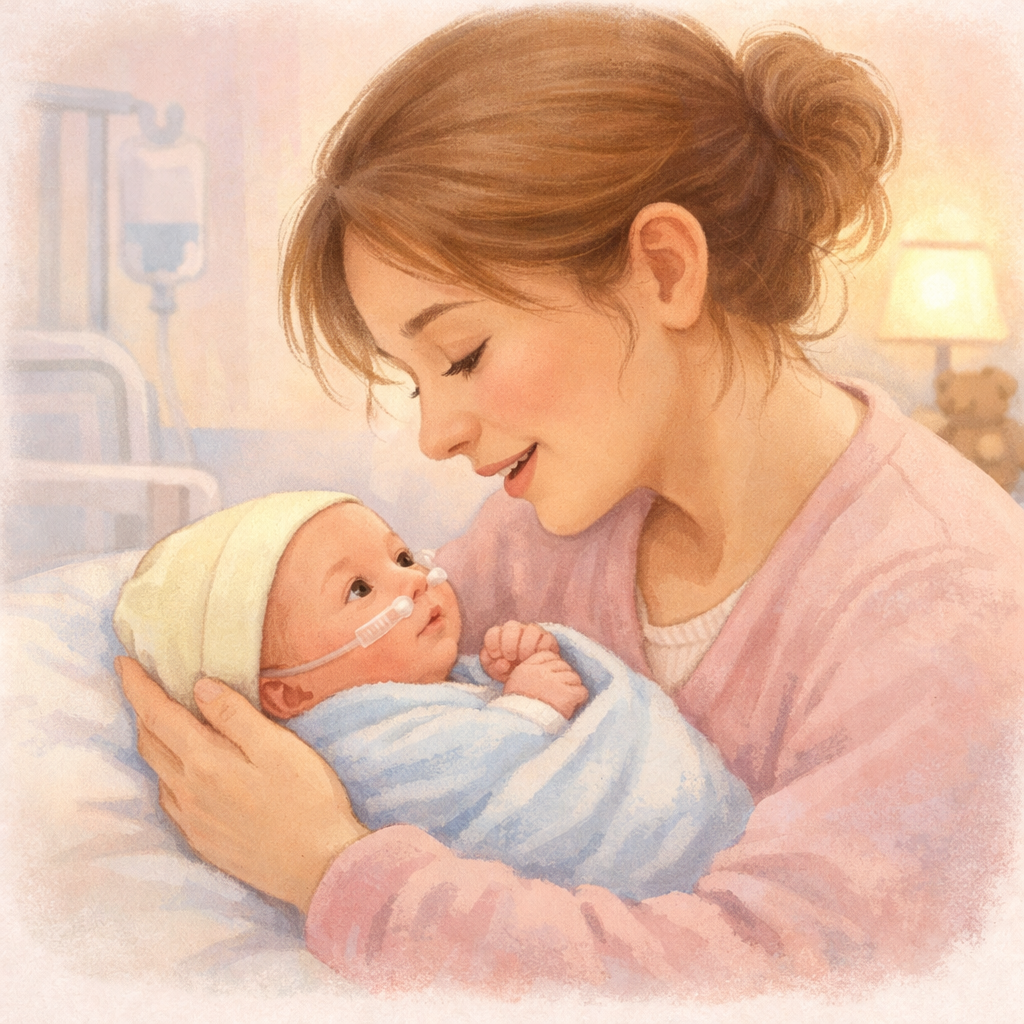
Parent talking softly to a premature baby during a calm moment.

Responding to Sounds, Not Just Words

Preterm babies may communicate quietly at first. Small sounds, facial expressions, and movements all count as communication.

You can encourage early interaction by:
  • Copying your baby’s sounds back to them
  • Smiling and responding to coos or gurgles
  • Talking about what your baby seems to notice
  • Celebrating attempts to communicate, no matter how small
This back-and-forth teaches your baby that sounds have meaning and that communication is rewarding.

Using Books to Support Language Gently

Picture books are a simple, low-pressure way to support language development. For preterm babies, it helps to keep things slow and relaxed.

When sharing books:
  • Focus on naming one or two objects per page
  • Use repetition rather than lots of new words
  • Follow your baby’s gaze rather than reading every page
  • Keep sessions short and enjoyable
Books with clear images and everyday vocabulary work especially well.
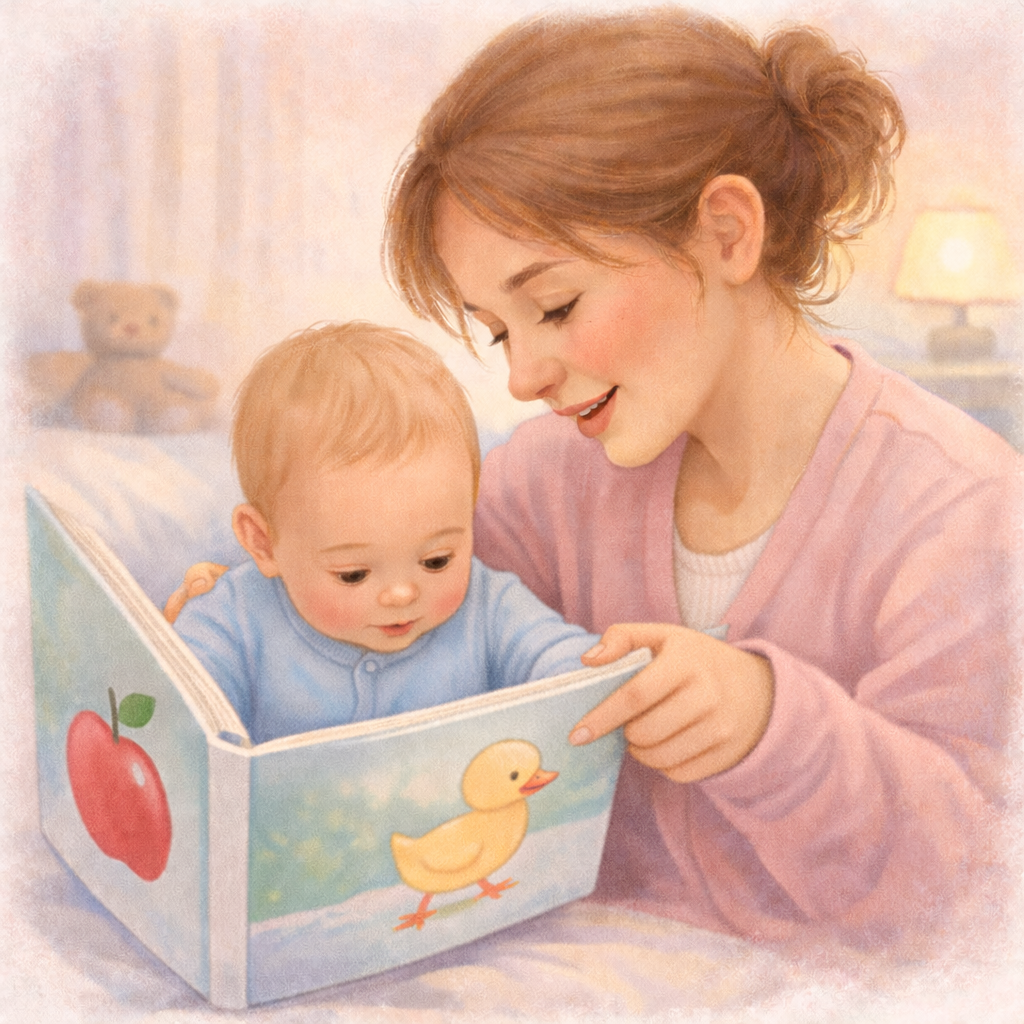
Parent naming pictures in a book with a young baby.

Repetition and Routine Matter More Than Speed

Language develops through repeated exposure, not rushing milestones. Daily routines offer natural opportunities for repetition.

Helpful routine-based language ideas:
  • Use the same words during feeds, baths, and bedtime
  • Name familiar people and objects consistently
  • Sing the same simple songs regularly
  • Use short phrases rather than long sentences
Over time, familiar words begin to stick, even if progress feels slow at first.

When to Seek Extra Support

Every child develops differently, but if you have ongoing concerns, it is always okay to ask for guidance.

You might consider extra support if:
  • Your baby shows very limited responses to sound over time
  • There is little eye contact or interaction
  • You feel unsure how to encourage communication at home
Health visitors, speech and language therapists, and early years professionals can offer reassurance and tailored advice.

Building Confidence as a Parent

Supporting a preterm baby’s language development is not about doing more, but about tuning in. Calm, consistent interaction is powerful.

Your voice, your presence, and your everyday routines already provide a strong foundation for communication. Small moments, repeated daily, add up over time.

Related reading you may find helpful:
Responding to Babbling How Play Encourages Talking Using Songs to Boost Language

Newsletter

Join our Early Readers Club for fun learning tips, sneak peeks at new books, and free printable activities!
ChattyCubs™ 2026 All Rights Reserved.