ChattyCubs
£0.00 0

Basket

No products in the basket.

Daily Routines That Teach Words

Daily Routines That Teach Words

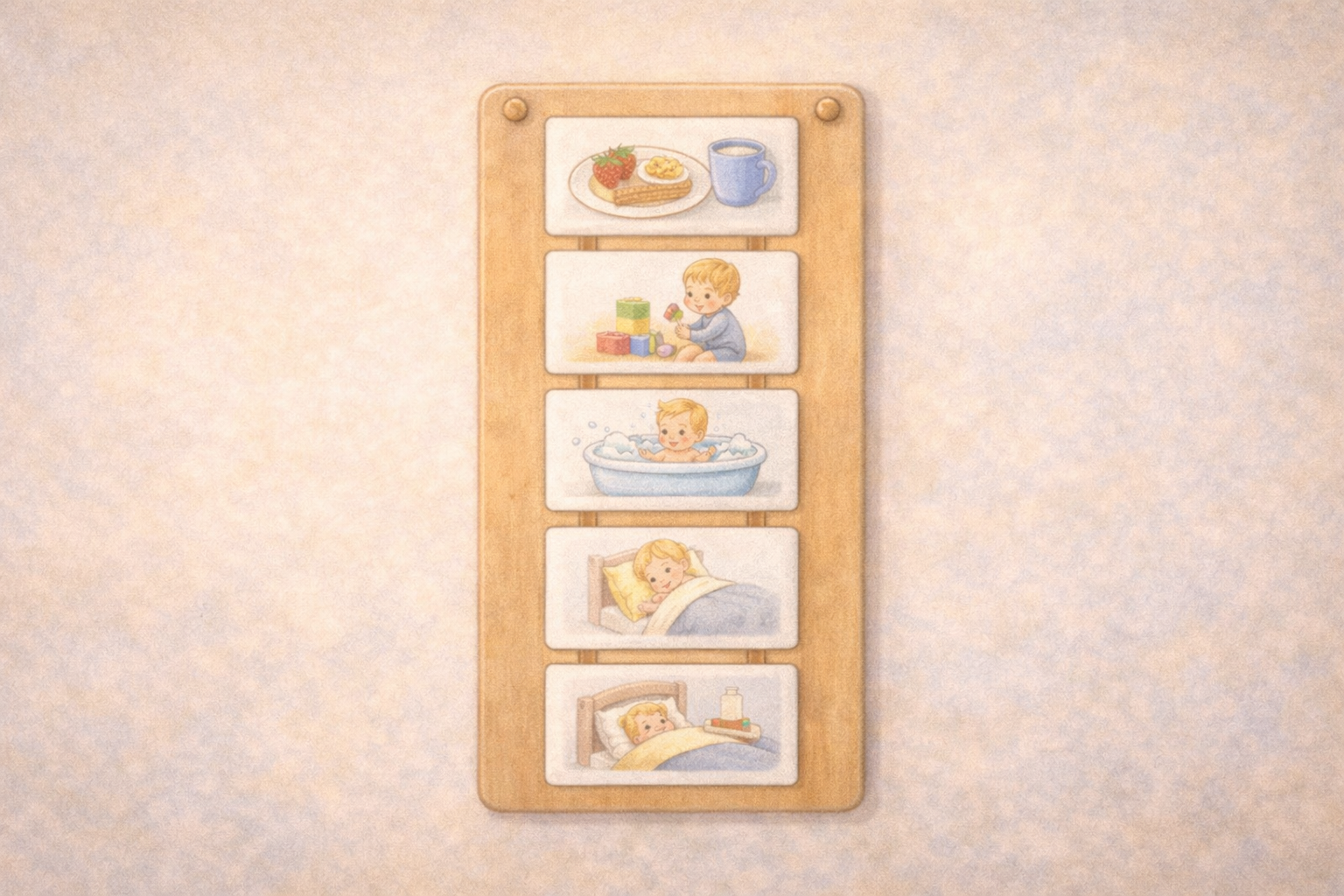
Daily routines are one of the most powerful ways to build your toddler’s vocabulary.

They happen anyway.

You simply add words.

When language is repeated in predictable moments, children learn faster and with less pressure.

If you are building a calm, supportive home setup, you may also find Routines & Environments helpful for the bigger picture.

Why Routines Work So Well

Toddlers thrive on repetition.

The same routine means the same words appear again and again.

That repetition builds understanding before speech even begins.

Routines also feel safe. When children feel secure, they are more open to learning.

If you are starting from scratch, read Creating a Language-Rich Home first.
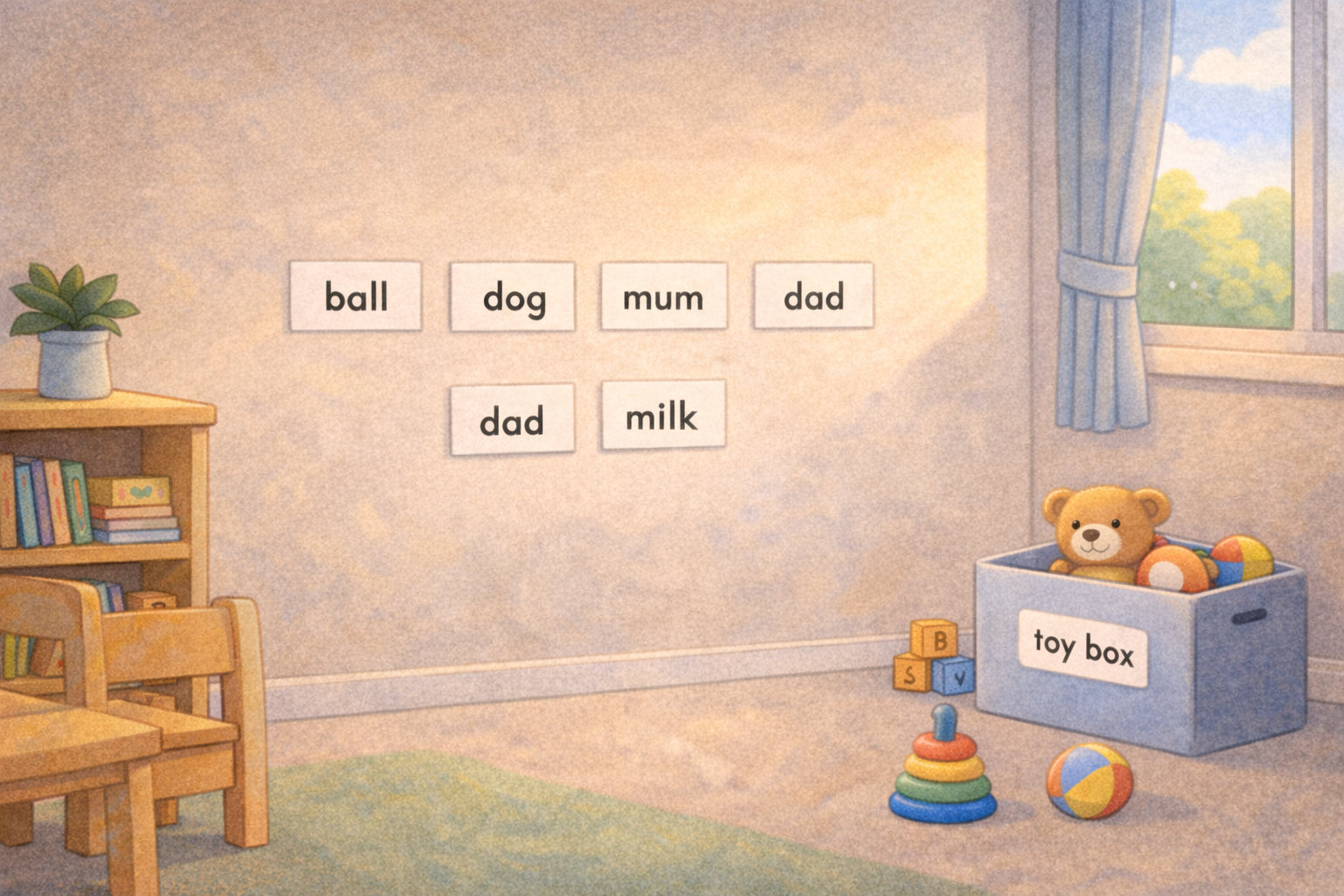
Morning Routines

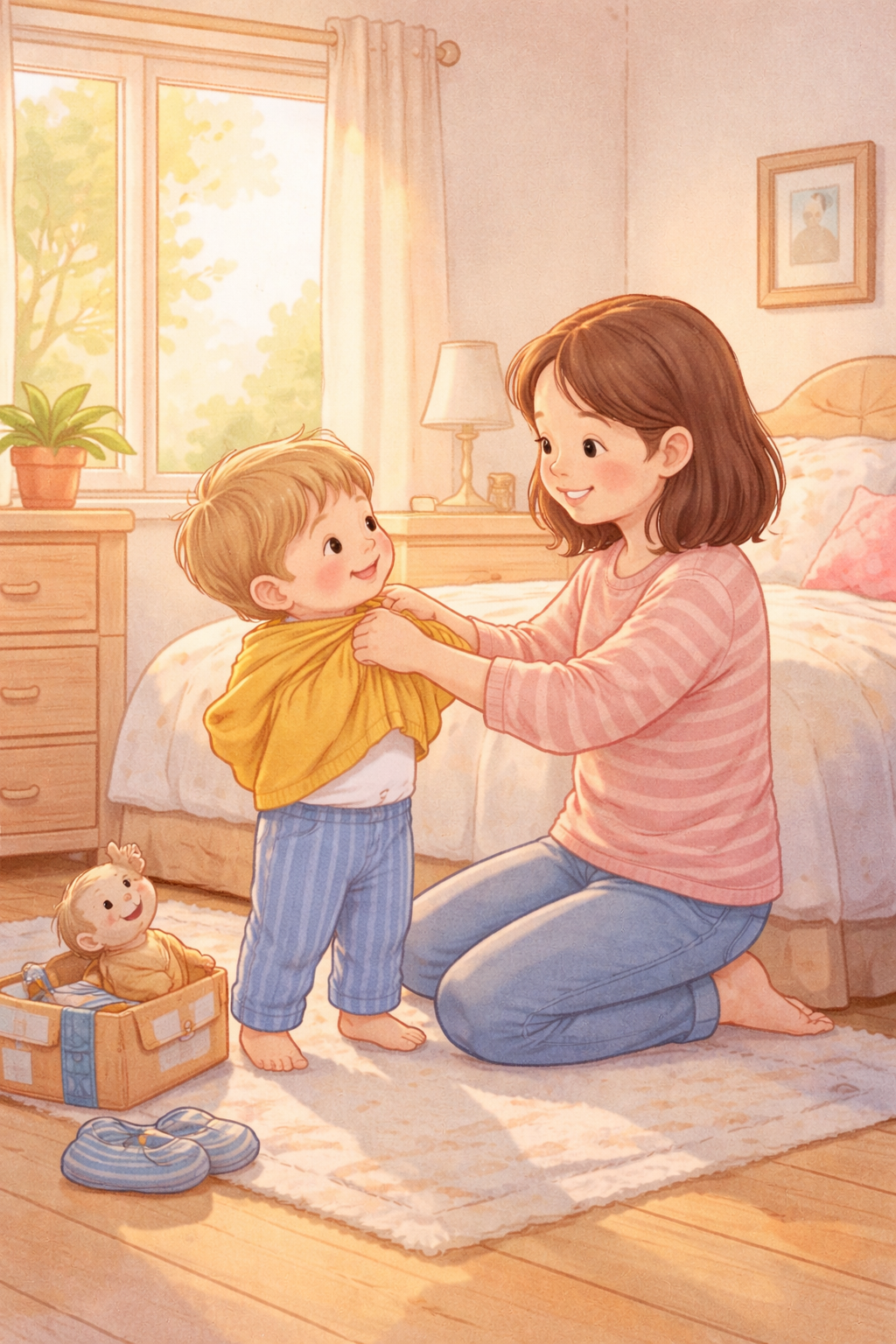
Parent helping toddler get dressed while naming clothes.
Getting dressed is full of simple, repeatable words.
  • Socks on
  • Arms in
  • Zip up
  • Blue jumper
Keep phrases short and clear.

For a step-by-step guide focused just on this part of the day, visit Using Morning Routines to Teach Words.

Mealtime Routines

Meals are rich in action words, describing words and choice words.
  • More please
  • Big spoon
  • Hot soup
  • All gone
Repeat favourite food words daily.

Pause before giving more. Wait for eye contact, a sound or an attempt.

You can build this further in Language Learning in the Kitchen.

Bath Time Routines

Bath time offers body words, action words and sensory language.
  • Wash toes
  • Wet hair
  • Pour water
  • Splash splash
Slow down and enjoy the repetition.

For playful, focused ideas, see Bath Time Vocabulary Activities.

Bedtime Routines

Bedtime is perfect for gentle repetition.

The same phrases each night become comforting anchors.
  • Pyjamas on
  • Story time
  • Night night teddy
  • Lights off
Books play a big role here. You can explore this more in Bedtime Routines That Reinforce Reading.

Simple first word books, such as ChattyCubs First Words, fit beautifully into this part of the day.

Chore Time and Everyday Tasks

Even small jobs build vocabulary.
  • Tidy up
  • Put in
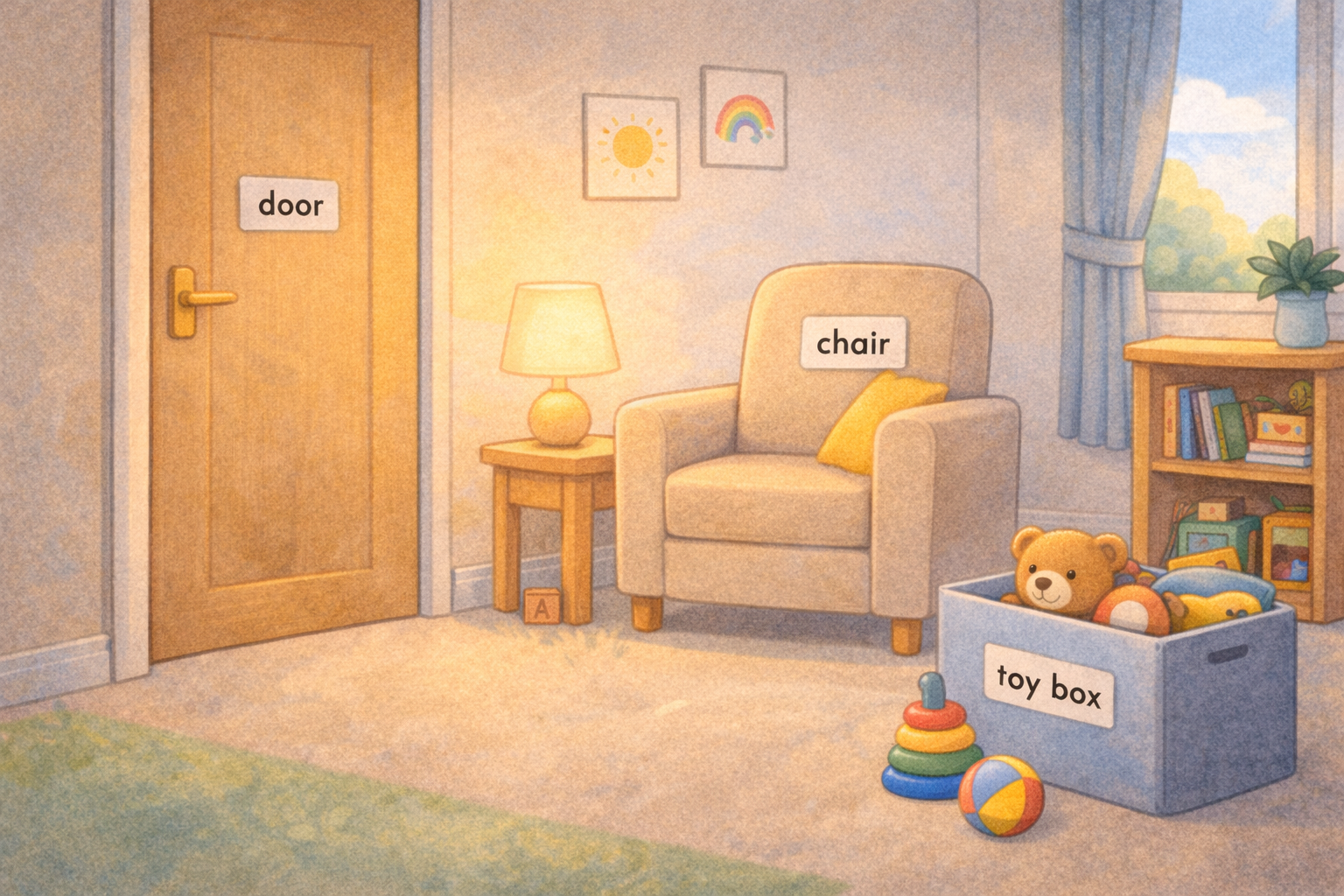
  • Close door
  • Carry bag
Involving your toddler makes language meaningful.

For practical examples, visit Daily Chore Words for Toddlers.

How to Keep It Simple

You do not need to narrate every second.

Choose one or two key phrases per routine.

Repeat them daily.

Smile, pause and allow your toddler time to respond.

Consistency matters more than quantity.

Over time, these small language moments add up.

That is the power of daily routines that teach words.

Newsletter

Join our Early Readers Club for fun learning tips, sneak peeks at new books, and free printable activities!
ChattyCubs™ 2026 All Rights Reserved.