ChattyCubs
£0.00 0

Basket

No products in the basket.

Quiet Time Activities That Build Language

Quiet Time Activities That Build Language

Quiet time does not mean silent time.

It simply means calmer, slower moments.

These gentle pauses in the day are powerful for building your toddler’s language.

You do not need structured lessons.

Just simple, focused interaction.

For the bigger picture behind calm home environments, visit Routines & Environments.

Why Quiet Time Supports Language

When the environment is calm, toddlers can concentrate better.

Less noise and movement means:
  • More focused listening
  • Longer attention spans
  • Clearer word modelling
  • Better understanding
If you are working on daily repetition, see Daily Routines That Teach Words.
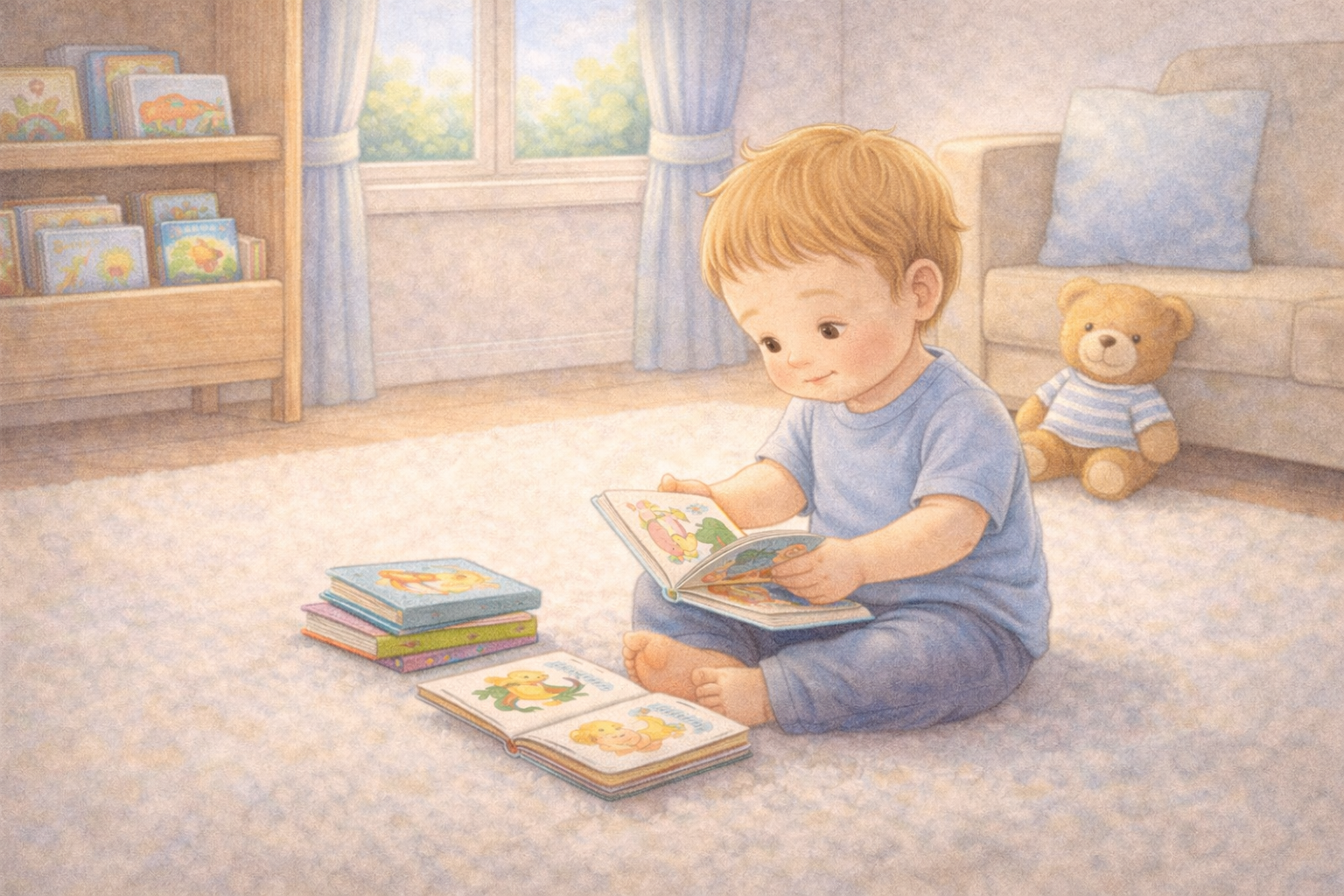
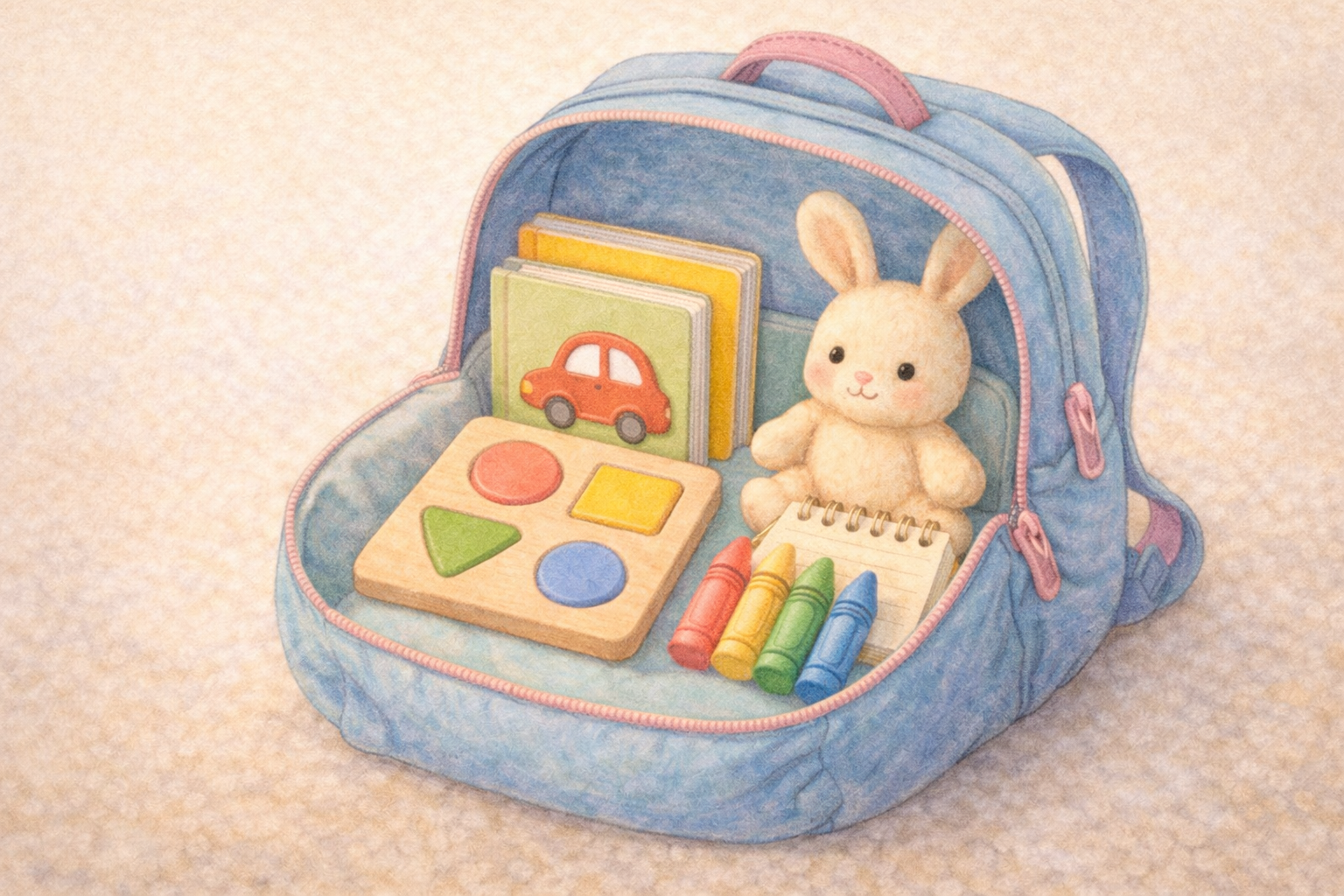
Book Browsing

Toddler sitting quietly looking at board books.
Let your toddler flip pages independently.

Sit nearby and comment gently.
  • “Dog.”
  • “Big truck.”
  • “Baby sleeping.”
Simple words are enough.

Puzzle Play

Simple wooden puzzles support language beautifully.

You can model:
  • In
  • Out
  • Turn
  • Fit
  • Try again
Quiet puzzle time builds patience and vocabulary together.

Sorting and Matching

Sorting activities encourage descriptive language.

For example:
  • Big and small
  • Blue and red
  • Same and different
Laundry sorting and block matching both work well.

You can combine this idea with Daily Chore Words for Toddlers.

Soft Toy Pretend Play

Gentle pretend play often happens naturally during quiet time.

Model short phrases such as:
  • “Teddy sleeping.”
  • “Baby hungry.”
  • “Bear drink.”
Pretend play strengthens imagination and expressive language.

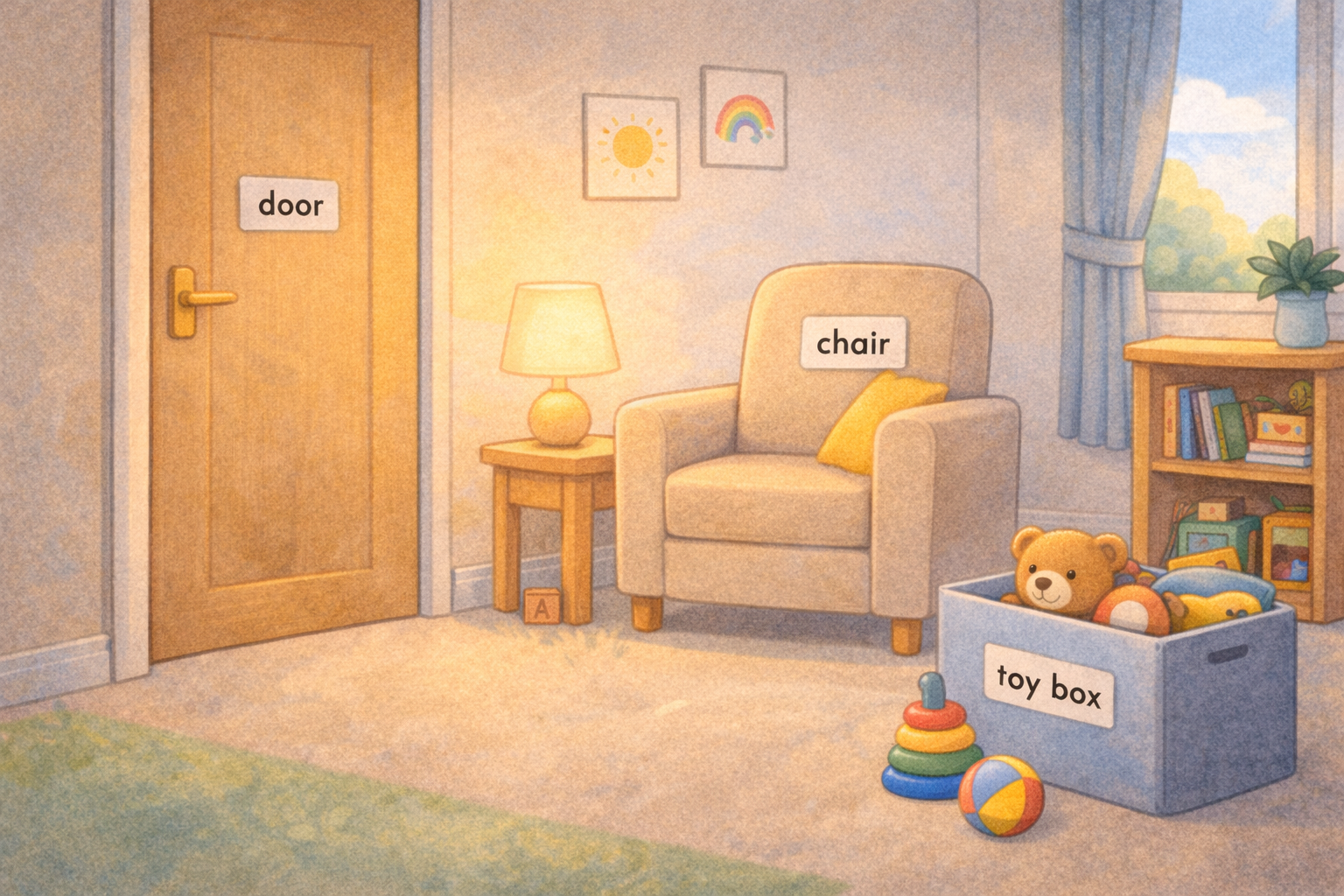
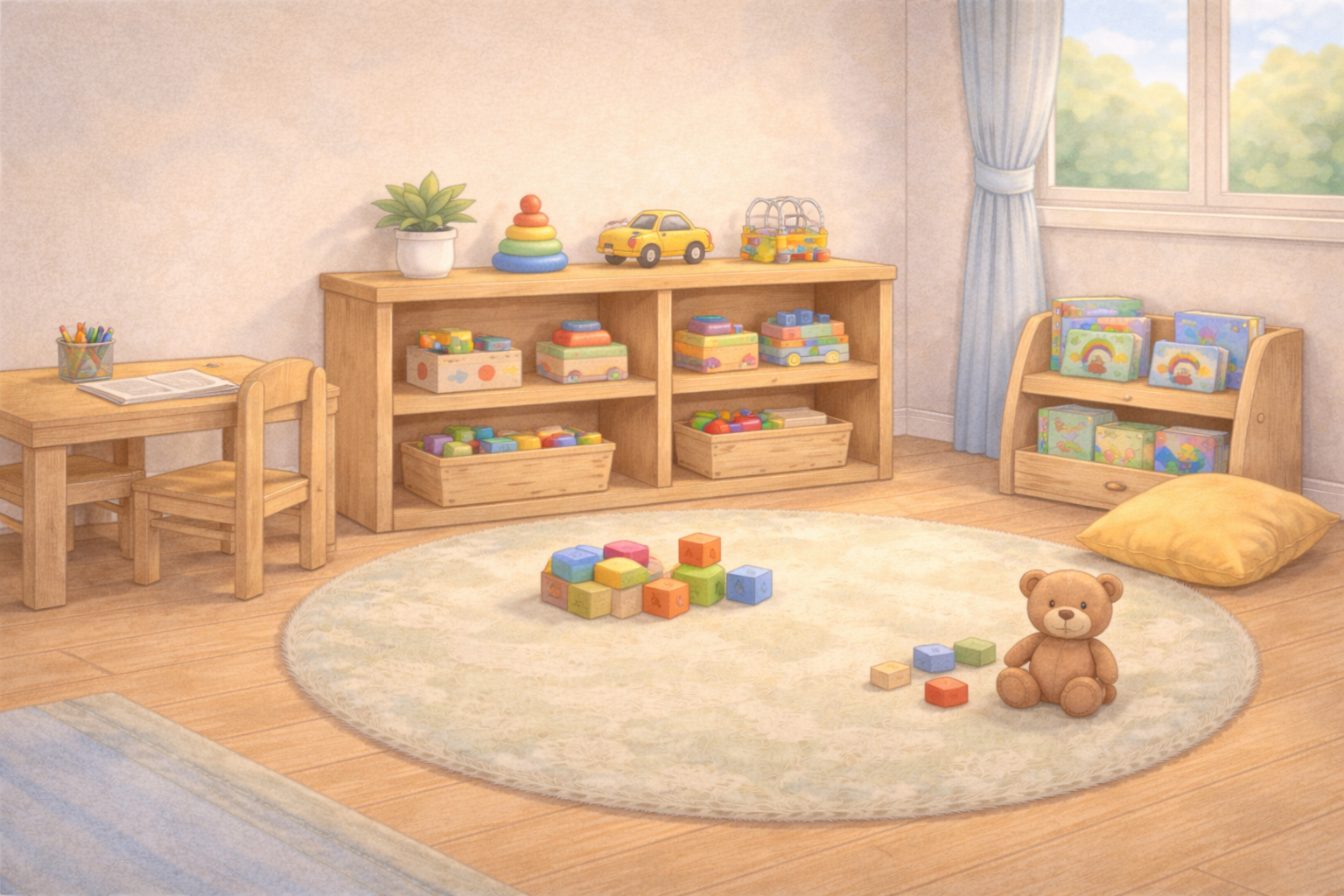
Create a Calm Space

A defined quiet area helps signal slower time.

If you have space, explore Organizing a Reading Nook or small setups like Reading Corners in Small Spaces.

Soft lighting and minimal clutter support focus.

Keep Expectations Gentle

Some days quiet time lasts five minutes.

Other days it lasts longer.

Follow your toddler’s lead.

Use simple language.

Pause often.

Quiet time activities that build language do not need to be complicated.

They simply need calm, connection and consistent words.

Over time, those small moments build strong communication foundations.

Newsletter

Join our Early Readers Club for fun learning tips, sneak peeks at new books, and free printable activities!
ChattyCubs™ 2026 All Rights Reserved.