ChattyCubs
£0.00 0

Basket

No products in the basket.

Creating a Language-Rich Home

Creating a Language-Rich Home

A language-rich home does not mean flashcards on every wall or constant talking.

It means creating simple, everyday opportunities for your toddler to hear, see and use words naturally.

Small changes to your routines and spaces can make a big difference.

If you are just starting, you may find it helpful to explore the wider Routines & Environments guide for context and ideas.

What Is a Language-Rich Home?

A language-rich home is a space where words are part of daily life.

Your toddler hears language during play, meals, getting dressed and winding down.

They see books within reach.

They are encouraged to point, babble, attempt words and join in.

There is no pressure. Just connection.

Start With Everyday Talk

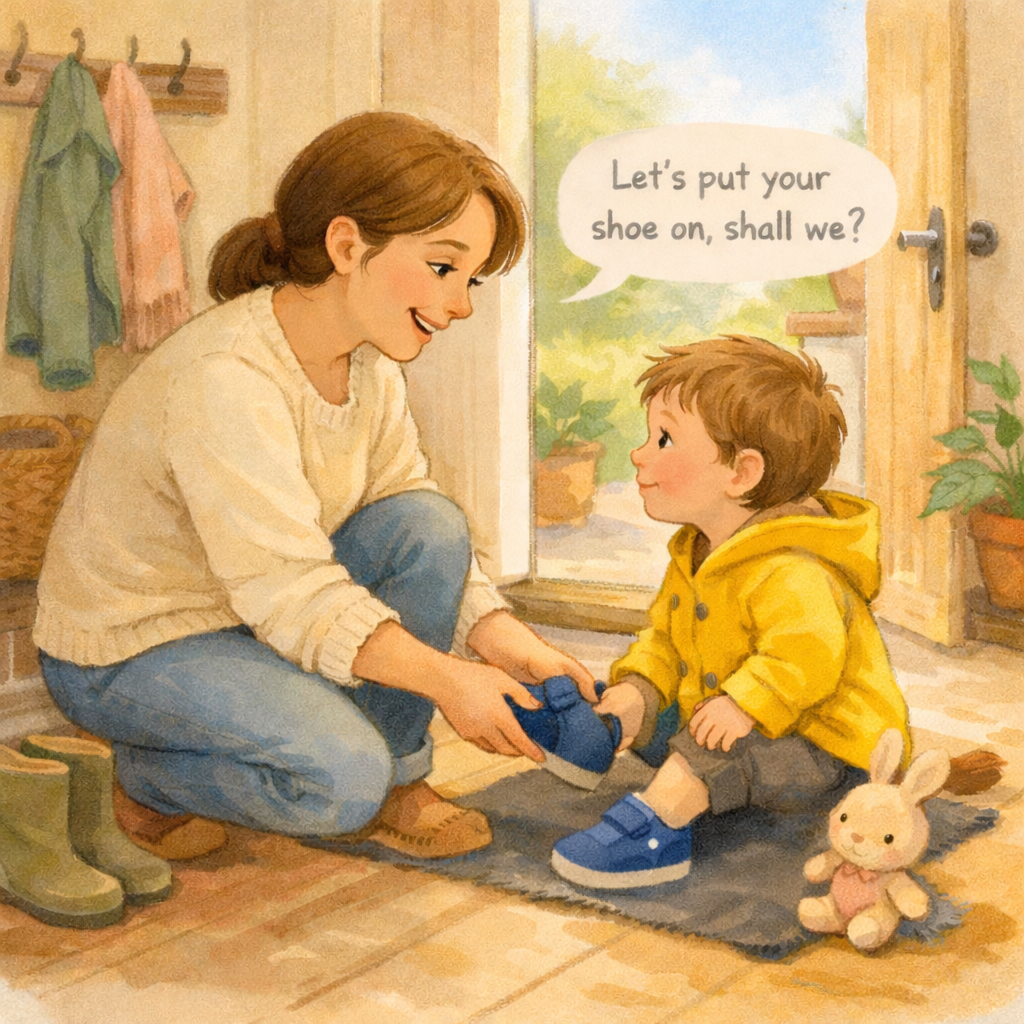
Parent talking to toddler while helping them put on shoes.
You do not need special equipment to build language.

Describe what you are doing.

Pause and wait for a response.

Repeat and expand what your toddler says.

For example:
  • "Shoes on."
  • "Blue shoes."
  • "Shoes on feet."
Simple language, repeated often, builds understanding.

If you would like more structured ideas, visit Daily Routines That Teach Words.

Make Books Easy to Reach

Books should be visible and accessible, not stored away.

A small basket in the lounge.

A few board books in the bedroom.

One book in the changing area.

You do not need a big library. Just easy access.

Creating a cosy space helps too. You can find practical setup ideas in Organizing a Reading Nook.

Choose Simple, Clear Books

For toddlers aged 0–3, clear pictures and single words work beautifully.

Point to the picture.

Say the word.

Pause.

Repeat.

Books like ChattyCubs First Words support this style of learning, with bold images designed for pointing and naming.

Use Your Environment as a Teaching Tool

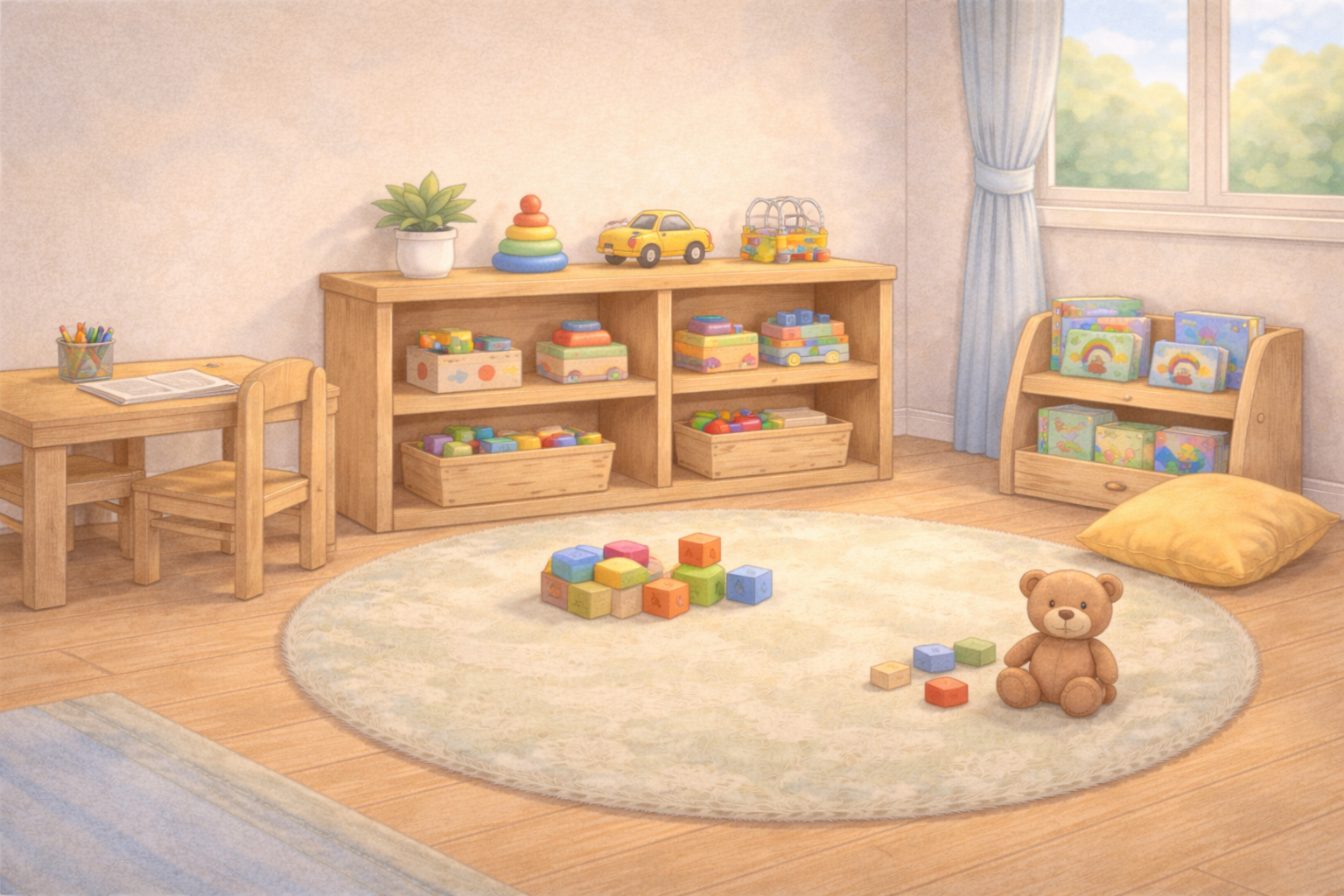
Your home already contains hundreds of learning opportunities.

You can gently highlight words by:
  • Naming objects during play
  • Pointing out colours and sizes
  • Talking about actions like pouring, washing, opening
  • Repeating new words throughout the day
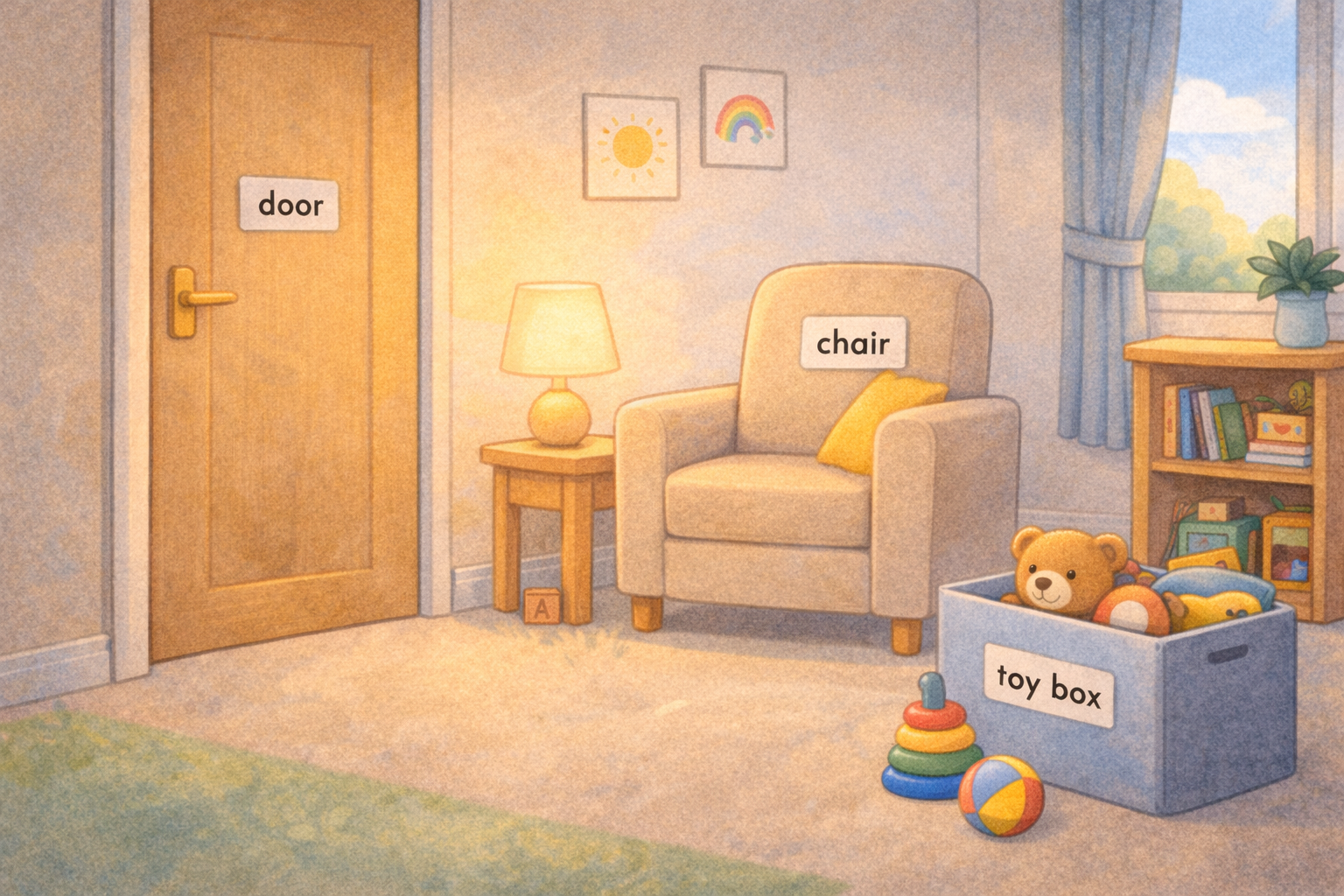
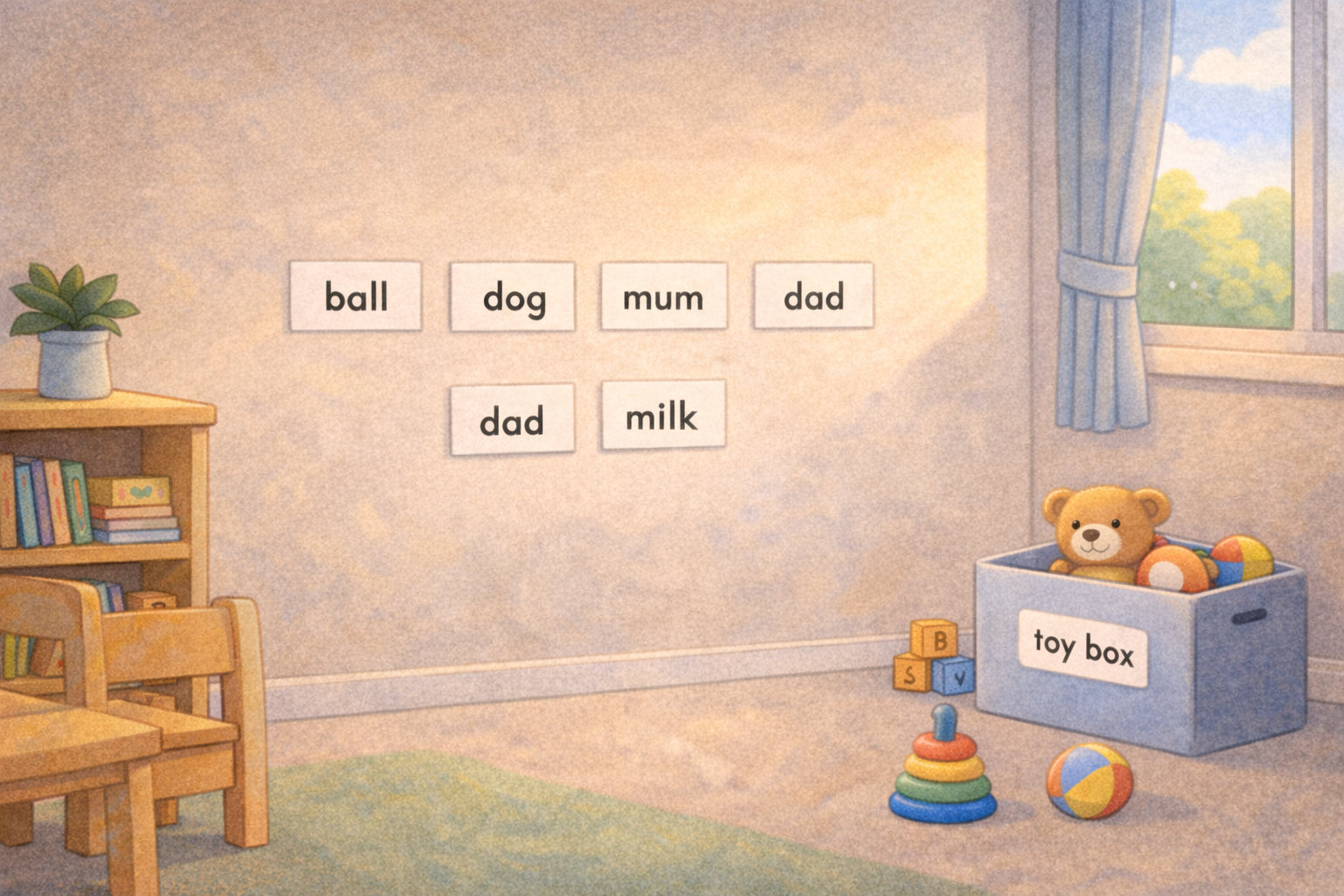
If you enjoy visual supports, adding simple labels can help toddlers connect print and objects. See Using Labels Around the House for calm, practical guidance.

Create Predictable Routines

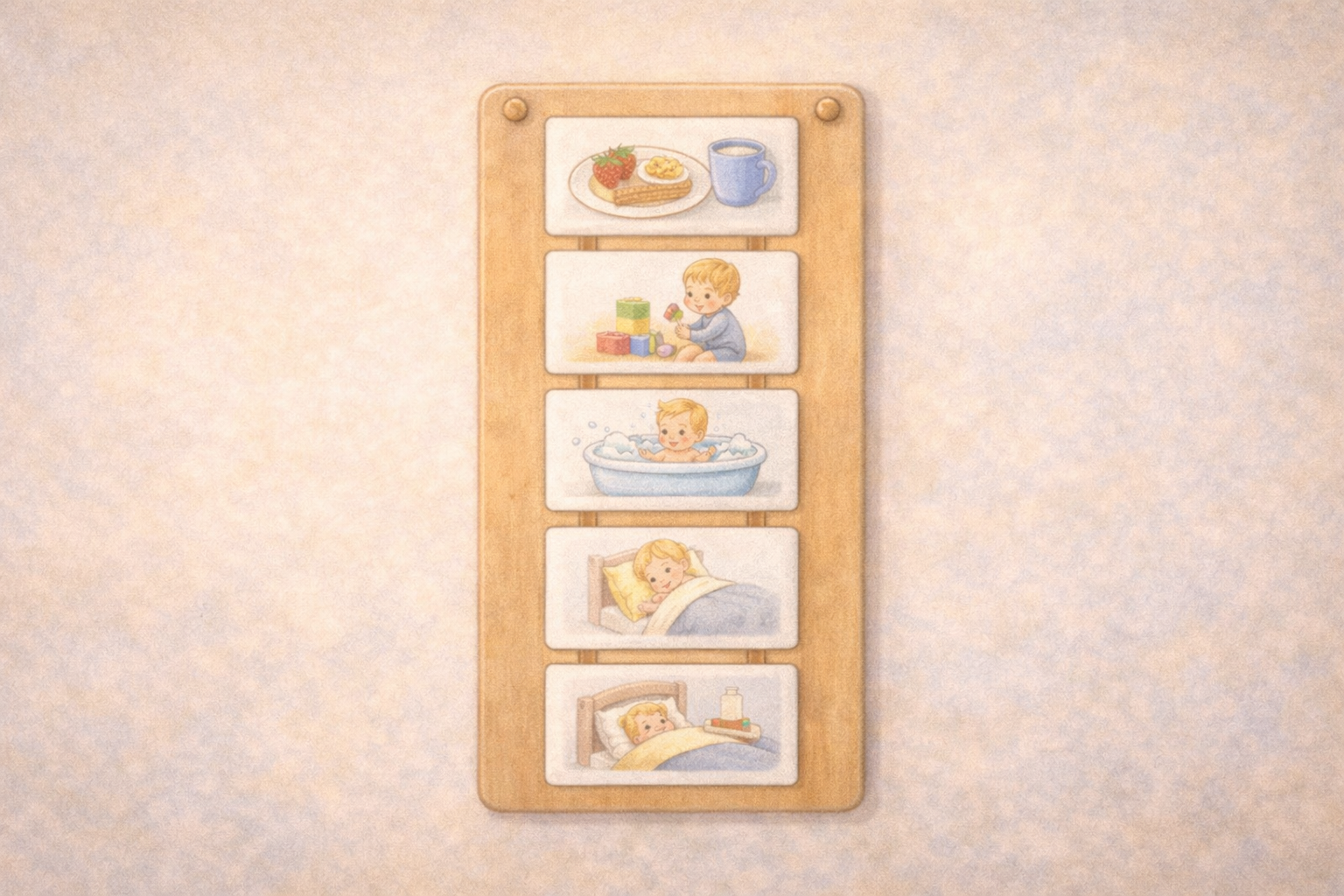
Toddlers learn language best when life feels predictable.

When routines repeat, the same words repeat.

That repetition builds confidence.

For example:
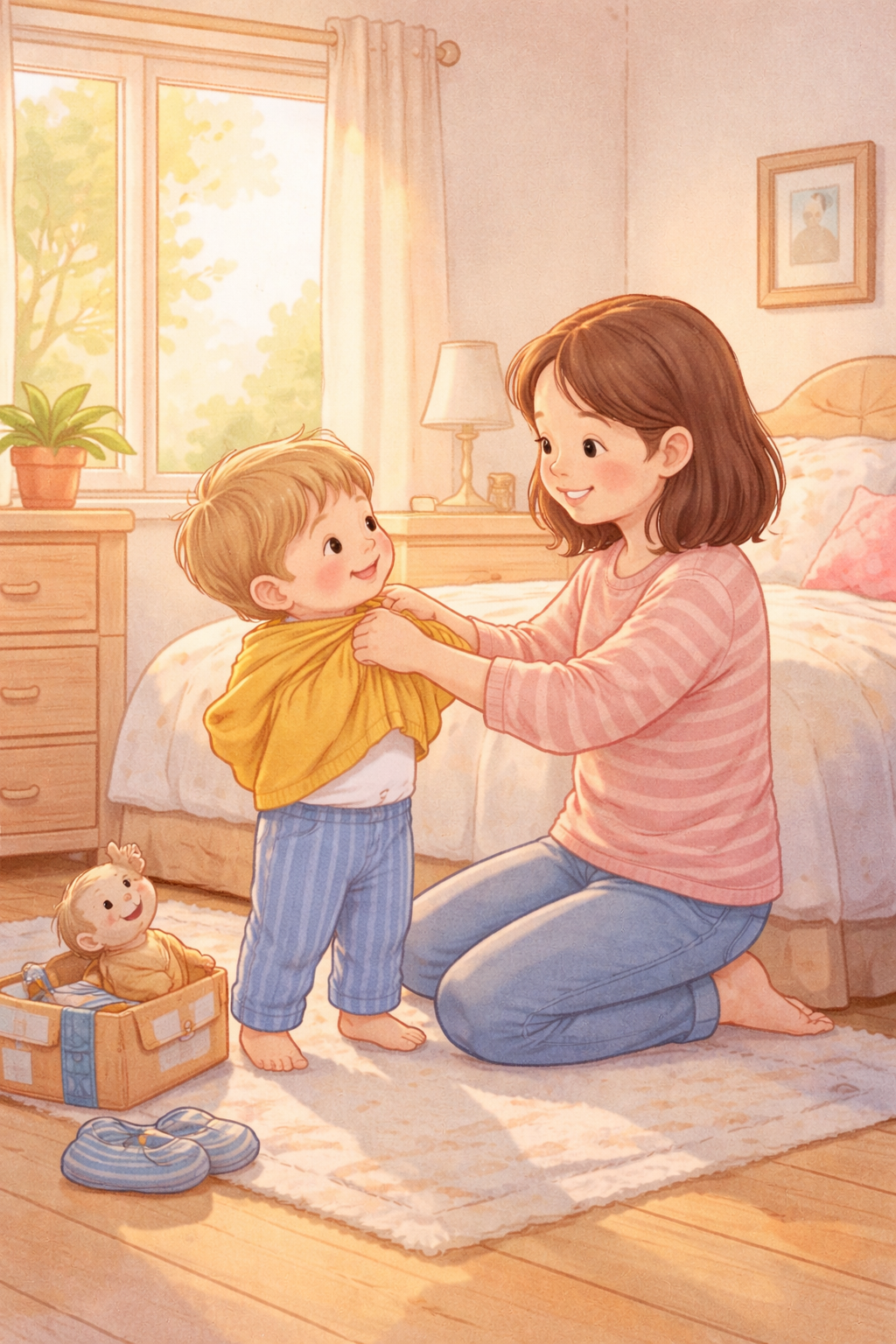
  • Morning dressing words
  • Bath time body words
  • Bedtime story phrases
You can explore specific ideas for Using Morning Routines to Teach Words and Bedtime Routines That Reinforce Reading.

Keep It Calm and Responsive

A language-rich home is not a noisy home.

It is responsive.

You follow your toddler’s lead.

If they point, you name it.

If they attempt a word, you model it clearly.

If they seem tired, you pause.

Connection always comes first.

Quick Wins to Try This Week

If you are unsure where to begin, start small.
  • Choose one routine to focus on
  • Add one extra descriptive word each day
  • Keep one book within arm’s reach in every main room
  • Slow down and allow your toddler time to respond
You do not need to change your whole house.

You just need small, consistent language moments.

Over time, these moments build understanding, confidence and joy in communication.

That is what a language-rich home truly means.
Newsletter

Join our Early Readers Club for fun learning tips, sneak peeks at new books, and free printable activities!
ChattyCubs™ 2026 All Rights Reserved.