ChattyCubs
£0.00 0

Basket

No products in the basket.

Common Learning Struggles at Age 2

Common Learning Struggles at Age 2

Two can feel like a leap forward and a wobble at the same time.

Language is growing. Independence is rising. Emotions are bigger.

It is very common to see learning struggles at age 2. Most are part of healthy development.

Why Age 2 Can Feel Challenging

Two-year-olds are developing:
  • Stronger opinions
  • More words but not always enough to explain feelings
  • A desire for independence
  • Short attention spans
This mix can create friction.

If your days feel unpredictable, revisiting Creating a Daily Learning Routine can help bring gentle structure back in.

Common Learning Struggles at Age 2

1. Short Attention Span

Many two-year-olds move quickly between activities.

They may:
  • Walk away during a book
  • Lose interest in puzzles
  • Switch toys frequently
This is normal.

You can gradually build focus with short, positive experiences. See Building Focus Through Reading for simple ideas.
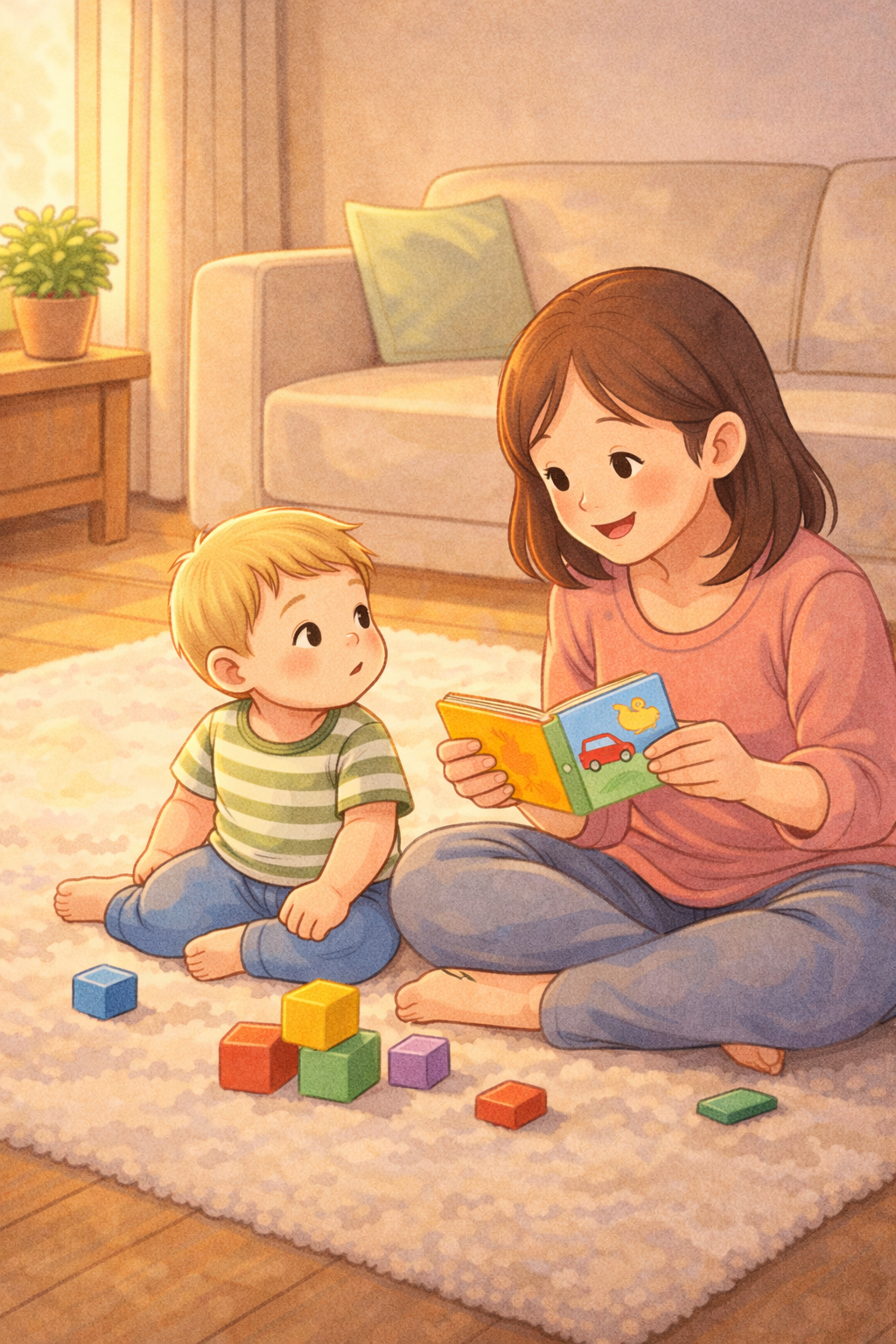
Parent reading to a toddler who is briefly distracted.

2. Frustration with New Skills

Two-year-olds want to do things independently.

When fine motor skills or language cannot keep up, frustration appears.

You might see:
  • Throwing toys
  • Saying “no” repeatedly
  • Tears during simple tasks
Responding calmly matters more than correcting quickly.

For practical support, visit Dealing With Frustration in Learning.

3. Limited Vocabulary

Some two-year-olds chatter constantly.

Others use fewer words but understand a lot.

Variation at this age is wide.

Instead of counting words, focus on connection:
  • Naming objects during play
  • Expanding one-word responses
  • Reading simple picture books daily
If you are unsure what feels realistic, Setting Realistic Learning Goals can help reduce pressure.

4. Resistance to Structured Activities

Sitting at a table for a planned activity may not go smoothly.

At age 2, play is the most effective teacher.

If structured tasks cause tension, lean into Combining Play and Learning instead.
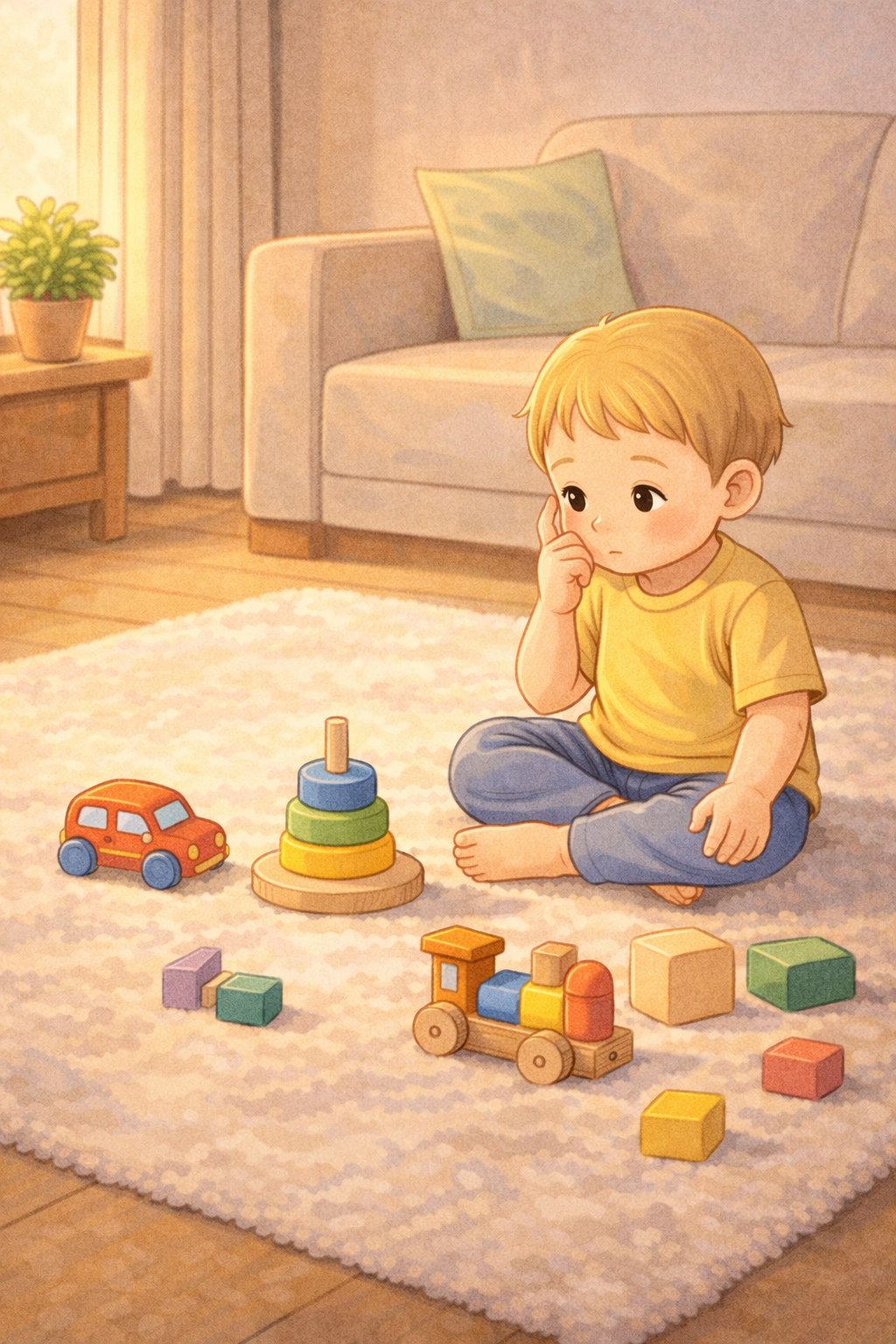
Two-year-old toddler choosing toys during free play.

5. Emotional Ups and Downs

Learning is emotional.

A small challenge can feel enormous to a two-year-old.

You might notice:
  • Sudden tears
  • Clinginess
  • Refusal to try again
Support emotional security first.

If your child tends to withdraw socially, Supporting a Shy Toddler may offer reassurance.

How to Support Learning Without Pressure

At age 2, less is often more.

Try to:
  • Keep activities short
  • Celebrate effort, not perfection
  • Model language naturally
  • Pause when energy drops
Specific encouragement builds confidence. Using Praise and Encouragement explains how to keep praise helpful rather than overwhelming.

When to Seek Extra Advice

Most learning struggles at age 2 are temporary.

However, consider speaking to a health visitor or GP if:
  • Your child rarely responds to their name
  • There are no words by around 2
  • You feel consistently worried
Trust your instinct.

Early conversations are supportive, not dramatic.

Important: This page is for general information only and does not replace professional advice. Please read our Editorial Policy & Disclaimer.

Remember the Bigger Picture

Age 2 is full of growth.

Struggles often mean skills are stretching.

Learning is not linear. It moves forward, pauses, and then leaps again.

Stay calm. Stay consistent.

You are building foundations that last far beyond this stage.

Newsletter

Join our Early Readers Club for fun learning tips, sneak peeks at new books, and free printable activities!
ChattyCubs™ 2026 All Rights Reserved.