ChattyCubs
£0.00 0

Basket

No products in the basket.

Combining Play and Learning

Combining Play and Learning

Play is how toddlers learn best.

You do not need worksheets, long sessions, or anything complicated. When play feels natural and relaxed, learning happens quietly in the background.

If you are building a calm routine around early development, this page works alongside our parenting tips for early learning to help you keep things simple and enjoyable.

Why Play Is Real Learning

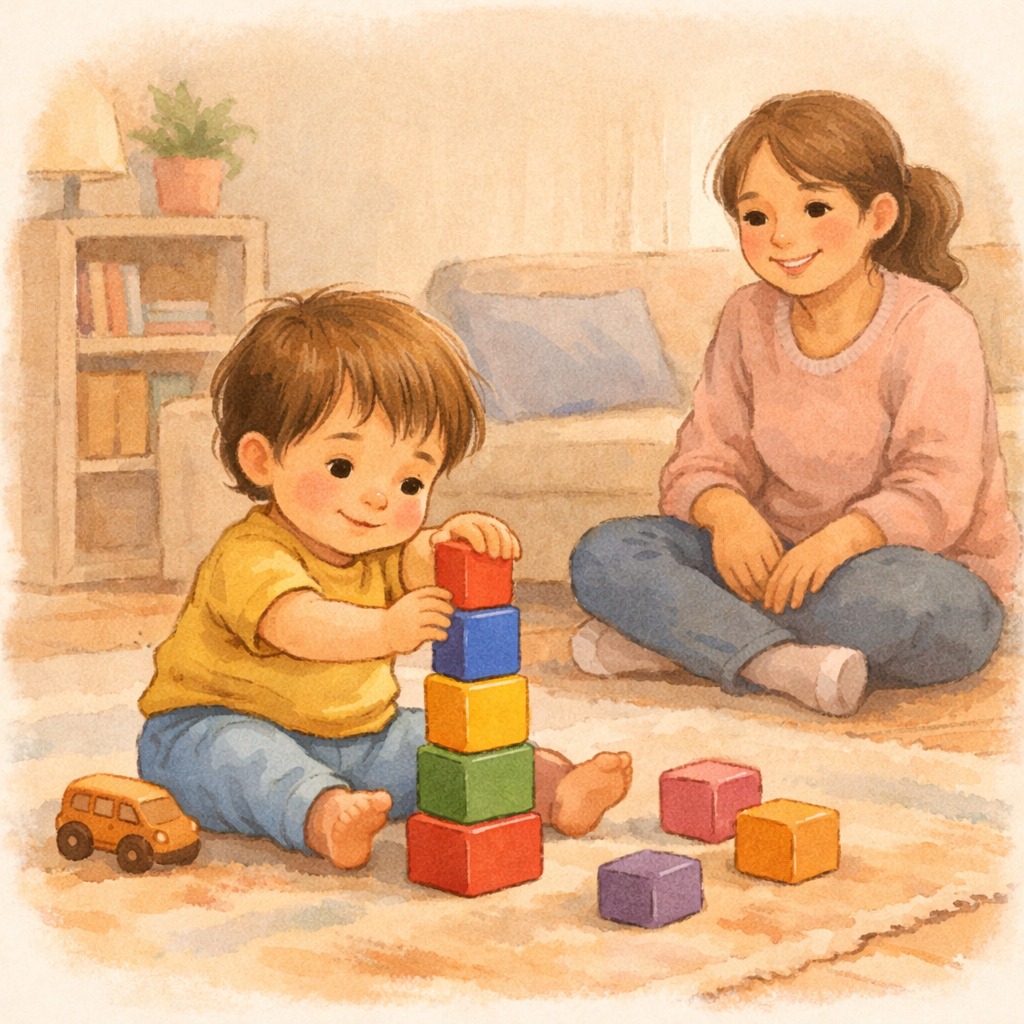
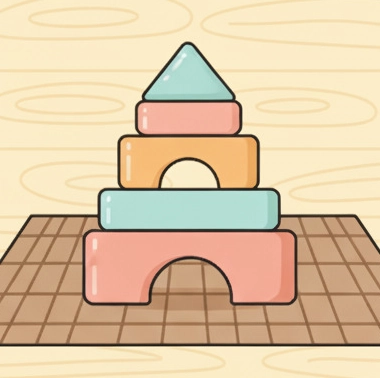
When your toddler stacks blocks, they are learning:
  • Balance and coordination
  • Problem solving
  • Early maths concepts like size and shape
  • New words such as “tall”, “fall”, “big” and “small”
It may look like “just playing”, but their brain is working hard.
Toddler stacking blocks while a parent smiles nearby.

Turning Everyday Play Into Learning

You do not need to change the activity.

You only need to add gentle language.

Example: Building Blocks

Instead of directing, try describing:
  • “You put the big block on top.”
  • “Oh no, it fell down.”
  • “Let’s try again.”
You are building vocabulary without interrupting their fun.

Example: Toy Animals

If your toddler is playing with animals, you might say:
  • “The cow says moo.”
  • “The lion is big.”
  • “Where is the duck?”
This links play with first words naturally.

This approach works beautifully alongside simple picture books like ChattyCubs First Words, where pointing and naming builds the same word connections in a calm, playful way.

Keep It Light, Not Like a Lesson

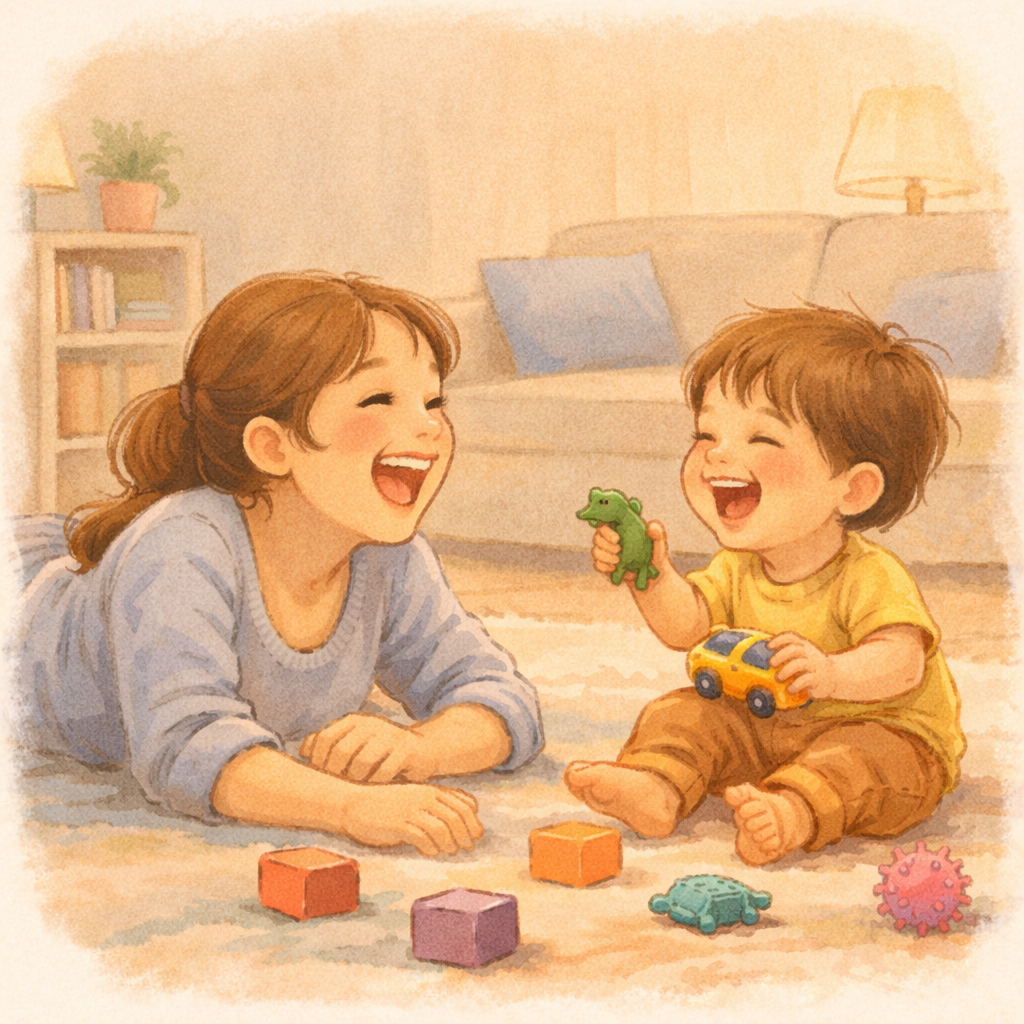
Parent and toddler laughing together while playing on the floor.
If play starts to feel pressured, toddlers often switch off.

You may notice:
  • Turning away
  • Throwing toys
  • Saying “no” repeatedly
That is not stubbornness. It is usually overload.

If that happens, step back. Shorter sessions can help, which we talk about in how to manage learning breaks.

Let Your Toddler Lead

When children choose the activity, they stay engaged for longer.

You might offer two options:
  • “Blocks or animals?”
  • “Book or puzzle?”
Choice builds confidence and independence.

If your toddler seems reluctant, you may find helpful ideas in how to motivate reluctant learners.

Simple Ways to Combine Play and Learning Today

You can start immediately.
  • Name objects while playing
  • Describe what your child is doing
  • Ask simple “where” or “what” questions
  • Repeat new words naturally
  • Keep sessions short and relaxed
That is enough.

Play is not separate from learning.

For toddlers, play is learning.

And when it feels joyful, they come back for more.

Newsletter

Join our Early Readers Club for fun learning tips, sneak peeks at new books, and free printable activities!
ChattyCubs™ 2026 All Rights Reserved.