ChattyCubs
£0.00 0

Basket

No products in the basket.

How to Document Toddler Progress

How to Document Toddler Progress

When you are concerned about development, details can blur over time.

Writing things down helps you see patterns clearly.

It also gives you something practical to share if you speak to a professional.

If you are just starting to observe changes, you may want to begin with Tracking Development at Home.

Why Documentation Matters

Memory focuses on the most emotional moments.

Documentation focuses on facts.

Keeping simple notes can help you:
  • Notice steady progress
  • See how often new words appear
  • Identify patterns in understanding
  • Provide clear examples at appointments
Professionals often find specific examples more helpful than general descriptions.


What to Record

You do not need long reports.

Short, simple entries work best.

You might record:
  • Date a new word first appeared
  • Examples of two-word phrases
  • Instructions your child can follow
  • Any repeated concerns
  • Changes in clarity of speech
If you are unsure what is typical for your child’s age, compare with:

How to Keep It Simple

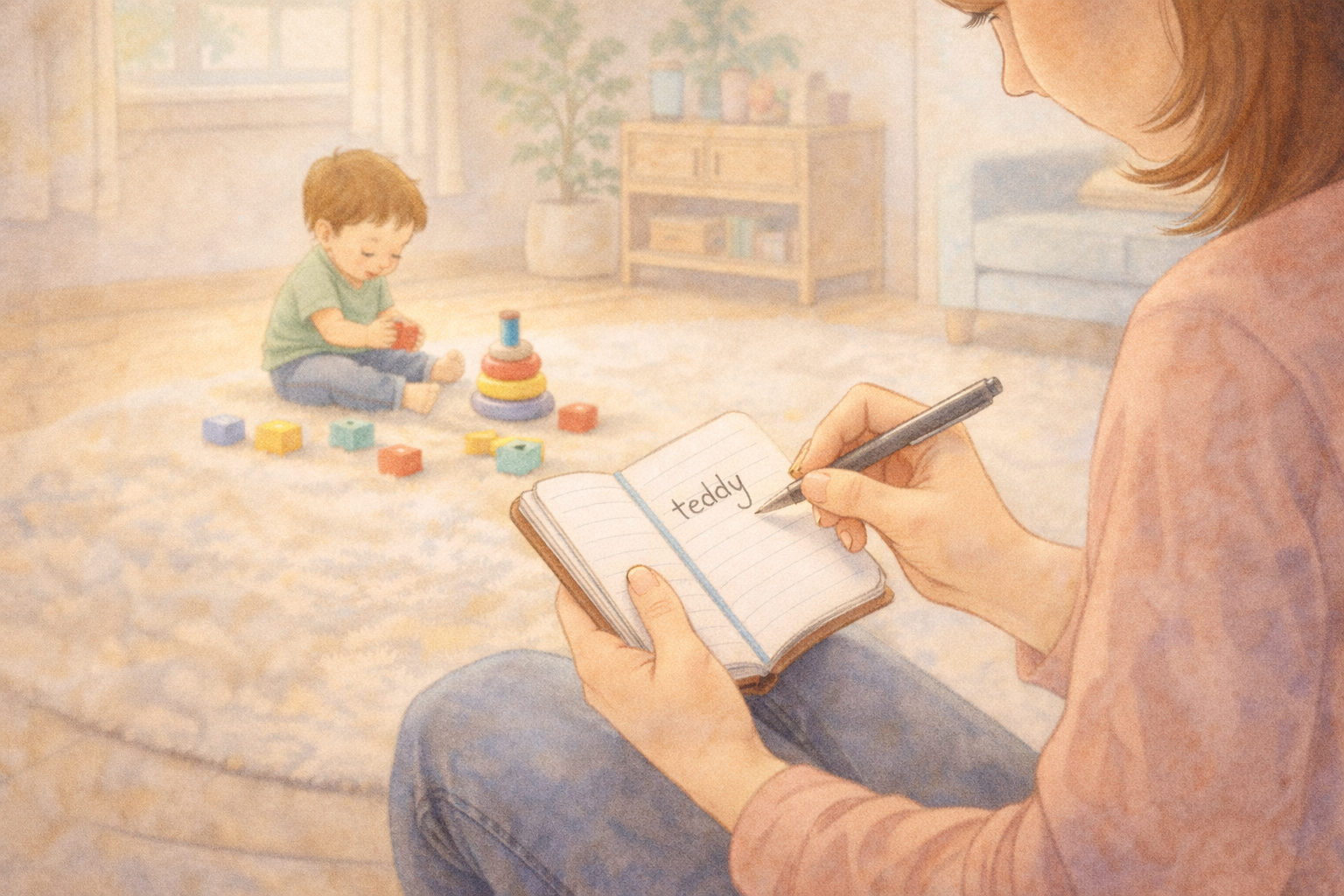
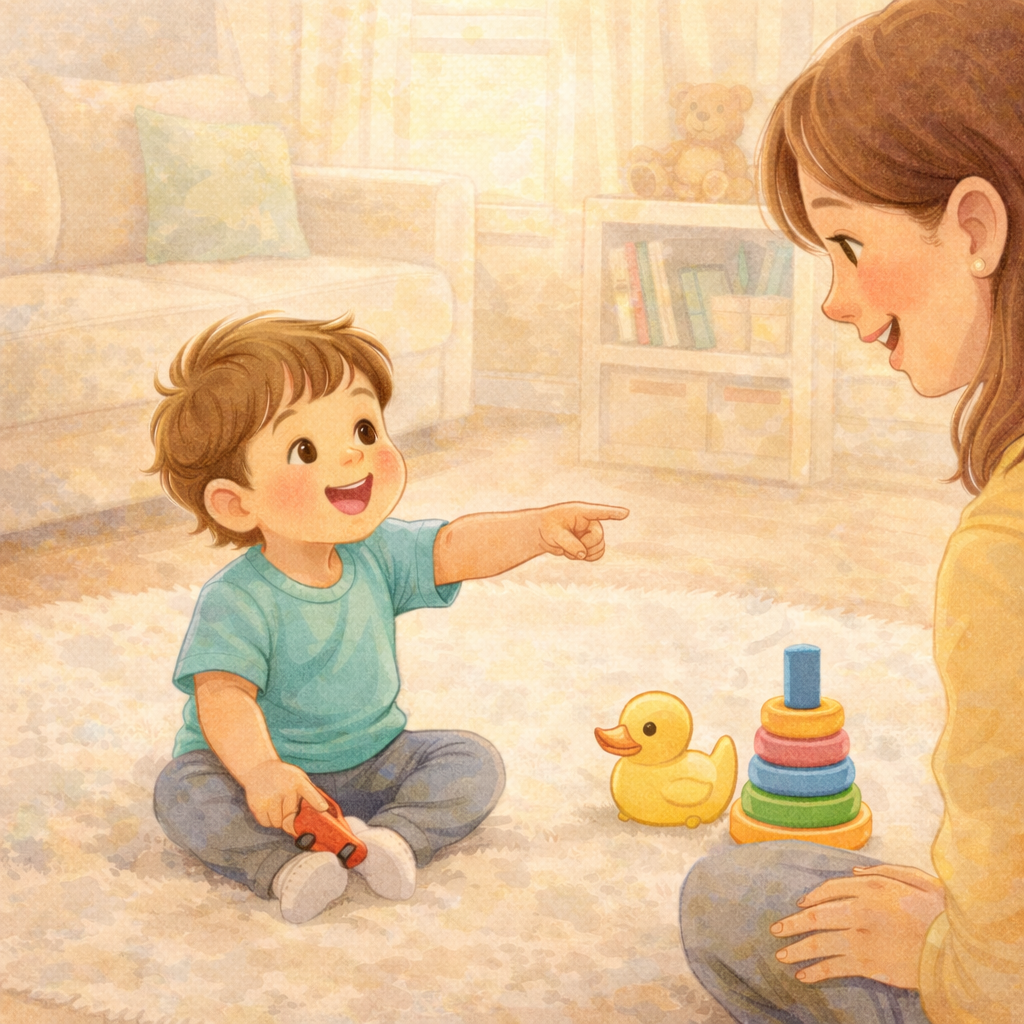
Parent writing down toddler’s new words while child plays.
You can:
  • Use a small notebook
  • Keep notes in your phone
  • Record short voice memos
  • Write one summary at the end of each month
Consistency matters more than detail.

When Documentation Shows Progress

Looking back over a few months may reveal:
  • More frequent word use
  • Clearer pronunciation
  • Longer phrases
  • Improved understanding
These are positive signs.

You can also compare with Signs of Communication Progress.

When Documentation Raises Questions

If your notes show little change over time, or highlight several concerns, it may help to review:
If you feel ready to take the next step, read When to Seek Help.

Documentation Supports Confidence

Writing things down turns vague worry into clear information.

Clear information reduces anxiety.

Whether your notes show reassuring progress or highlight a need for support, you are building a helpful record.

And that record empowers you to advocate calmly and confidently for your child.

Newsletter

Join our Early Readers Club for fun learning tips, sneak peeks at new books, and free printable activities!
ChattyCubs™ 2026 All Rights Reserved.