ChattyCubs
£0.00 0

Basket

No products in the basket.

Signs of Communication Progress

Signs of Communication Progress

Progress does not always look like new words appearing overnight.

Sometimes it is quieter than that.

Small shifts in attention, understanding and confidence are all signs your child is moving forward.

If you would like a full overview of age-based expectations, start with Language Milestones by Age.

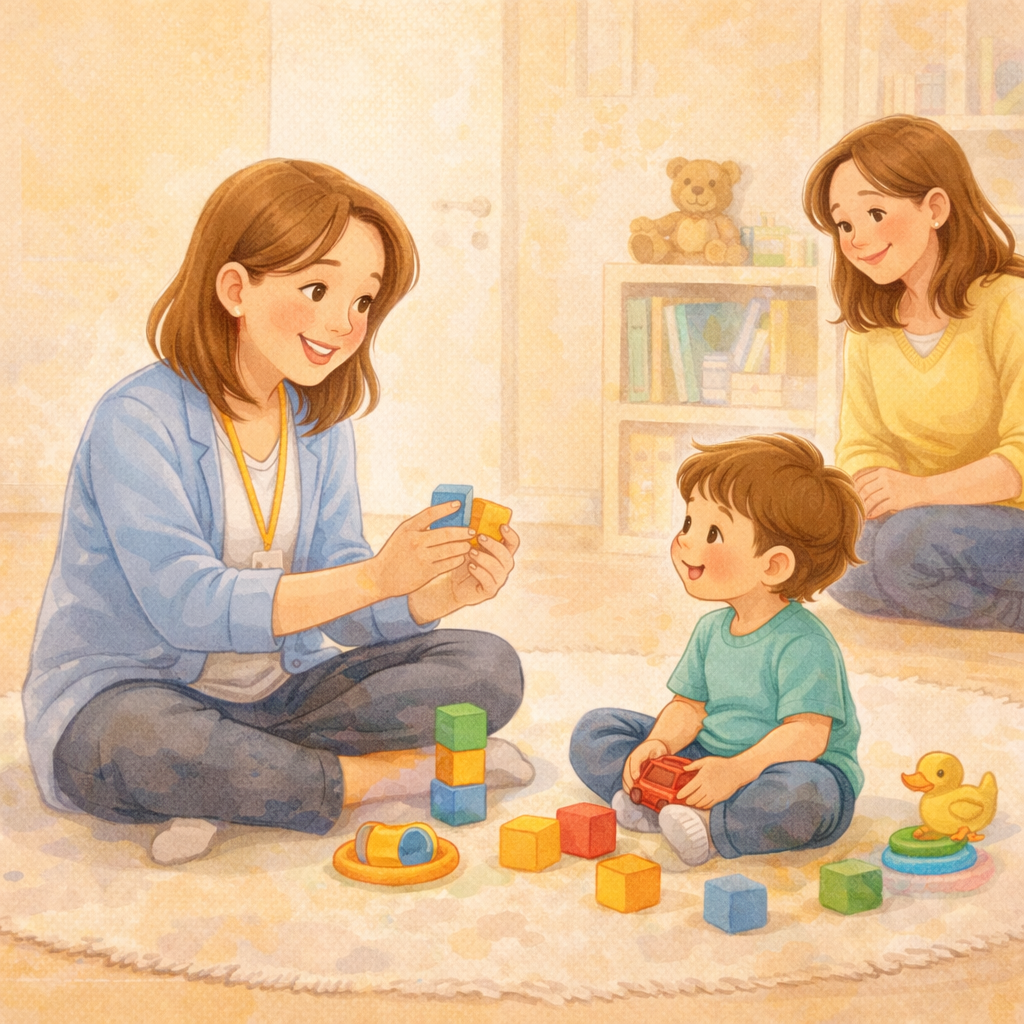
Early Signs of Progress (Before Clear Words)

Communication begins long before sentences.

You might notice:
  • More eye contact during play
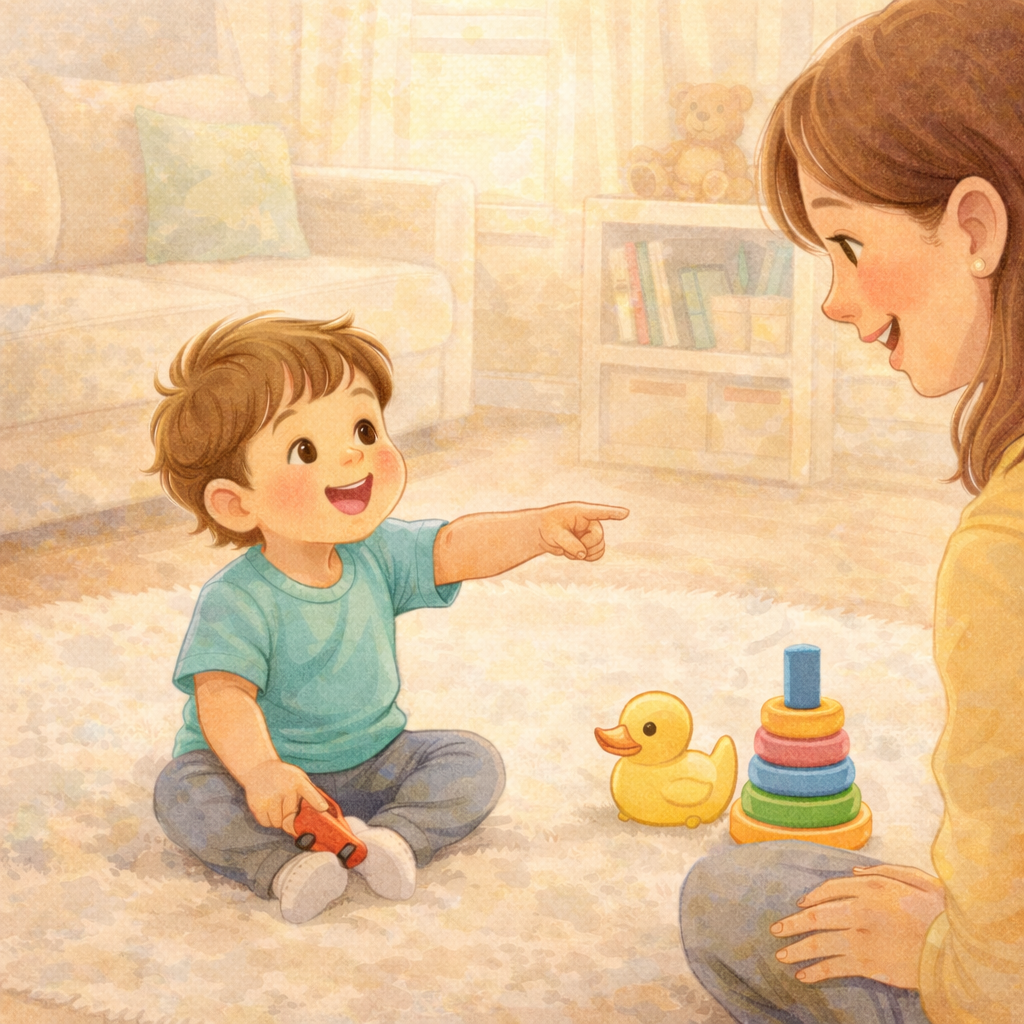
  • Increased pointing or showing objects
  • Babbling that sounds more conversational
  • Responding more quickly to their name
  • Copying simple sounds or actions
These are important foundations.

You can compare these with What to Expect at Age 1.
Growing Understanding

Understanding often improves before speech becomes clearer.

Signs of progress include:
  • Following simple instructions more consistently
  • Looking towards named objects
  • Responding to simple questions
  • Showing excitement when hearing familiar words
Even if spoken words are limited, strong understanding is a positive sign.

Vocabulary Growth

New words may appear gradually.

You might notice:
  • Using the same word consistently for the same object
  • Attempting to copy new words
  • Using gestures and words together
  • Naming favourite toys or people
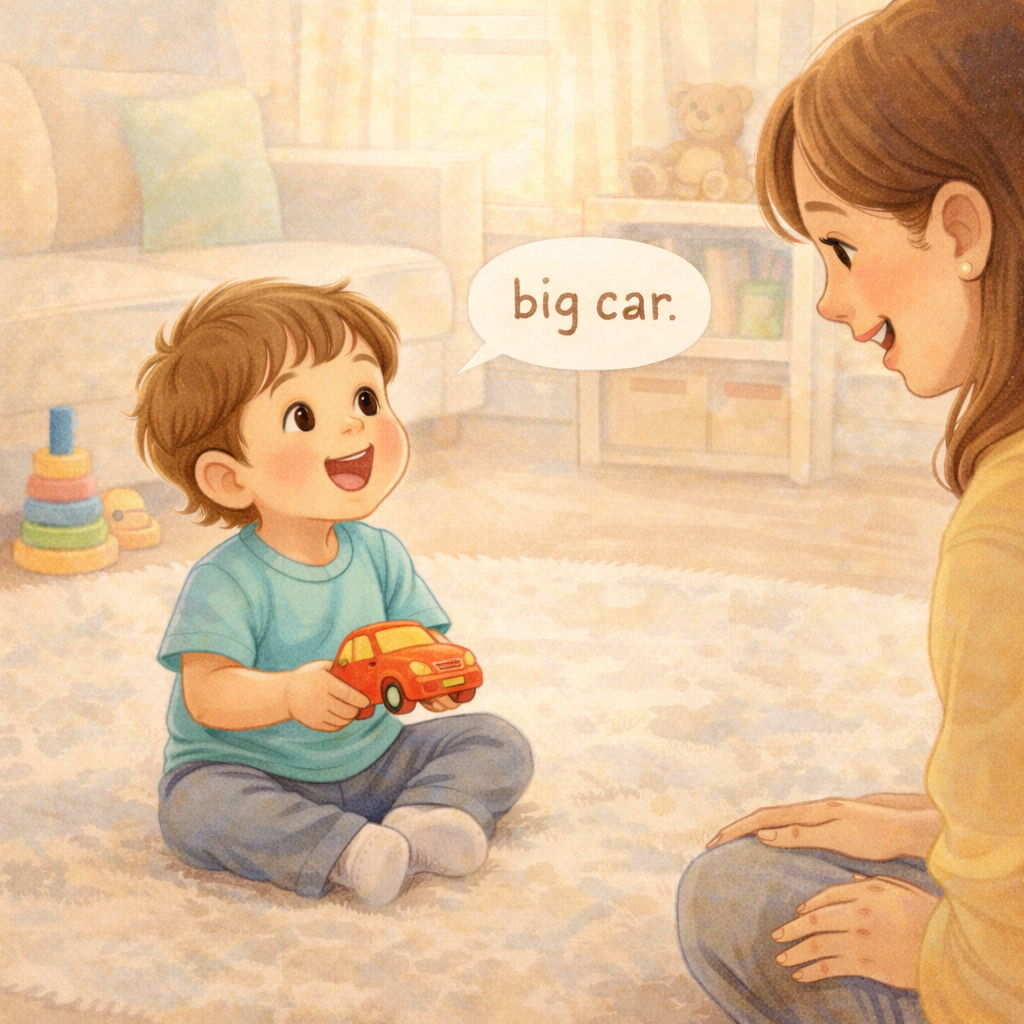
At age 2, many children begin combining words.

You can explore this stage in What to Expect at Age 2 and First Sentences: When They Appear.

Clearer Speech

Speech clarity improves slowly.

Signs of progress include:
  • Familiar adults understanding more of what your child says
  • Fewer sound omissions
  • More consistent pronunciation of favourite words
  • Increased confidence when speaking
If you are unsure whether speech differences are typical, see Speech vs Language Delays.

Social Communication Growth

Language is not only about words.

You may see:
  • Taking turns in simple conversations
  • Using language in pretend play
  • Expressing feelings with words
  • Asking more questions
By age 3, many children begin telling short stories.

You can compare typical development at What to Expect at Age 3.

Progress Is Not Always Linear

Children often develop in bursts.

There may be weeks where little seems to change, followed by a sudden leap.

Temporary plateaus can be normal.

If you are concerned about a lack of progress or a loss of skills, review Common Red Flags by Age and consider reading When to Seek Help.

What Matters Most

Look for forward movement over time, not perfection in a single week.

Small gains add up.

More eye contact.
One extra word.
A first two-word phrase.

Those are signs of growth.

And growth is what matters.

Newsletter

Join our Early Readers Club for fun learning tips, sneak peeks at new books, and free printable activities!
ChattyCubs™ 2026 All Rights Reserved.