ChattyCubs
£0.00 0

Basket

No products in the basket.

Tracking Development at Home

Tracking Development at Home

It is easy to feel unsure about progress when you see your child every day.

Changes can be gradual.

Tracking development at home helps you notice small steps forward and feel more confident about what you are seeing.

If you would like a full overview of age expectations, start with Language Milestones by Age.

Why Tracking Can Be Helpful

You are not trying to test your child.

You are simply observing patterns over time.

Tracking can help you:
  • Notice new words as they appear
  • Spot improvements in understanding
  • See how often your child uses gestures
  • Identify steady progress rather than day-to-day changes
Even small changes matter.

You may find it helpful to review Signs of Communication Progress alongside your notes.

What to Look For at Different Ages

Tracking works best when you know what is typical.

You can compare your notes with:
This gives you a calm reference point.

Remember, milestones are guides, not deadlines.

Simple Ways to Track at Home

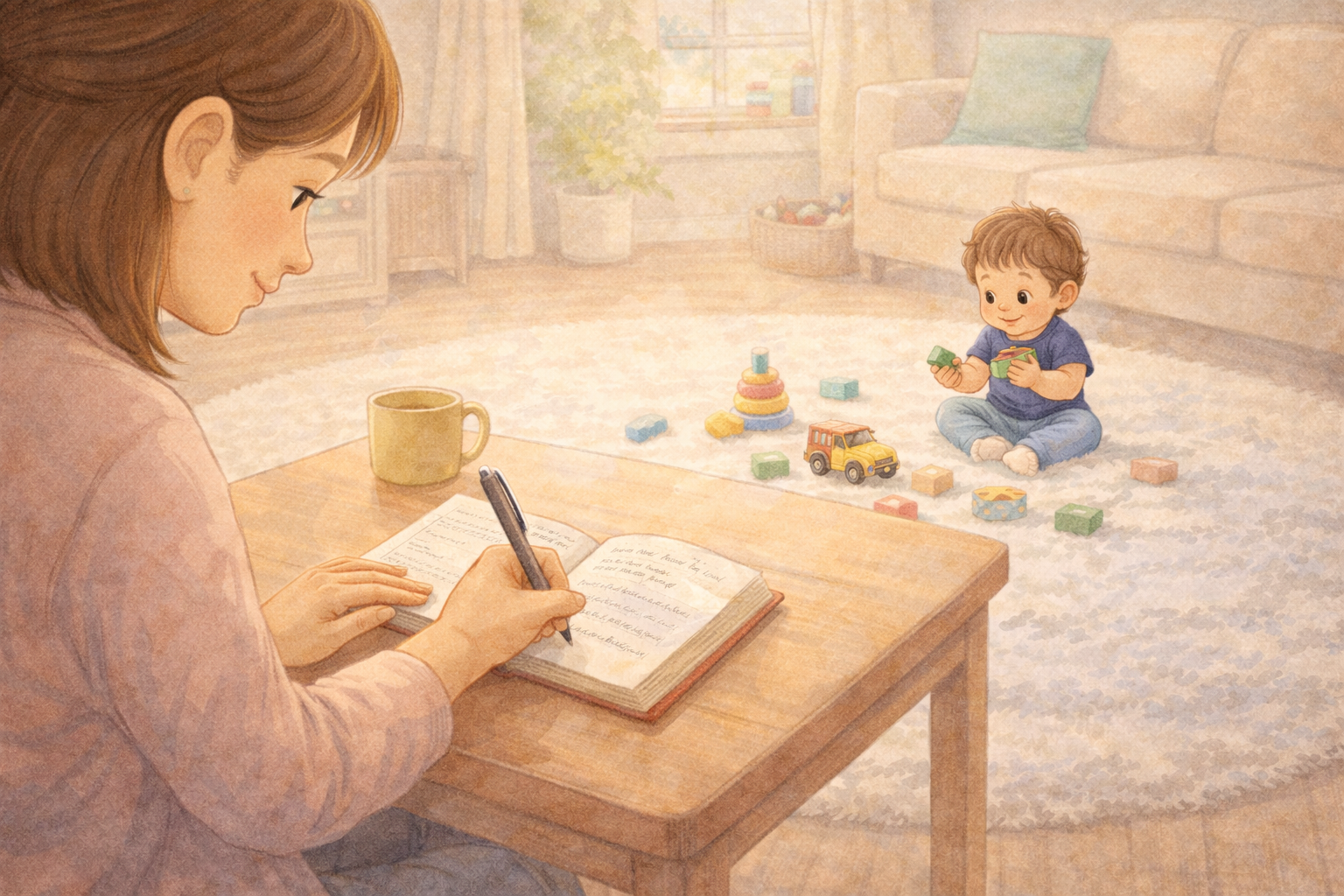
Parent writing notes about toddler development while child plays nearby.
You do not need complicated charts.

You can:
  • Keep a small notebook of new words
  • Note the date of first two-word phrases
  • Record examples of following instructions
  • Write down any concerns that repeat over time
Short, simple notes are enough.

When Tracking Shows a Pattern

If your notes show steady progress, that is reassuring.

If progress feels slow or has stopped, it may help to review:
If concerns remain, read When to Seek Help for practical next steps.

Tracking Without Pressure

Avoid turning everyday moments into constant checks.

Language grows best in relaxed, playful interaction.

Tracking should support your confidence, not increase anxiety.

A few notes each month are usually enough.

You Are Building a Clear Picture

When you track development calmly, you create a helpful record.

This can:
  • Reassure you
  • Help professionals understand your concerns
  • Show how far your child has already come
Small steps add up.

And seeing those steps on paper can make progress feel real and encouraging.

Newsletter

Join our Early Readers Club for fun learning tips, sneak peeks at new books, and free printable activities!
ChattyCubs™ 2026 All Rights Reserved.