ChattyCubs
£0.00 0

Basket

No products in the basket.

Why Learning Breaks Matter

How to Manage Learning Breaks with Toddlers

Short, simple learning moments work best for toddlers.

At this age, focus comes in small bursts. That is completely normal. Learning breaks are not a setback. They are part of how young children grow.

When you understand how to manage breaks well, learning feels calm, natural and enjoyable.

Why Learning Breaks Matter

Toddlers are still developing attention skills.

After a few minutes of looking at a book, puzzle or activity, they may:
  • Stand up
  • Look away
  • Change the subject
  • Move towards a toy
This is not misbehaviour.

It is their brain saying, “I need a pause.”

Short breaks help information settle. They reduce frustration and protect confidence.
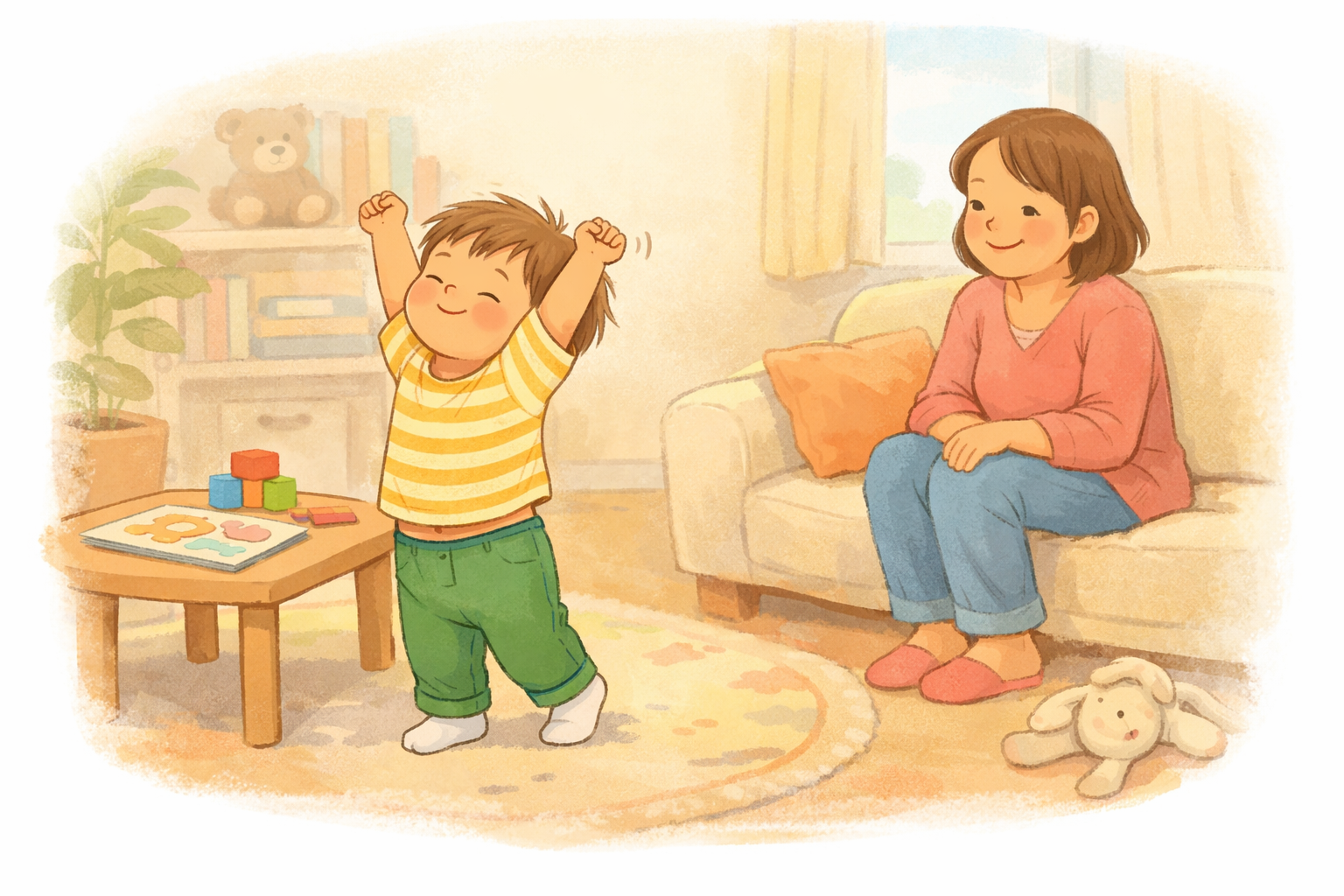
Toddler taking a short break from a learning activity while parent stays relaxed.

How Long Should Learning Last?

Most toddlers can focus for:
  • 1–2 minutes at 12–18 months
  • 3–5 minutes at 18–24 months
  • 5–8 minutes by age 3
These are gentle guidelines, not rules.

If your child walks away sooner, that is fine.

Consistency matters more than duration.

If you are working on achievable expectations, you may also find our guide to Setting Realistic Learning Goals helpful.

Signs Your Toddler Needs a Break

Watch their body language.

Common signs include:
  • Rubbing eyes or looking away
  • Fidgeting or lying down
  • Saying “no” repeatedly
  • Throwing objects
When you notice these early, pause calmly.

Ending before frustration builds protects their confidence.

If your toddler often resists structured moments, you might also explore How to Motivate Reluctant Learners.

What a Healthy Learning Break Looks Like

A break does not need to mean screens or distraction.

Healthy breaks can include:
  • Free play with toys
  • A quick snack
  • A cuddle on the sofa
  • Looking out of the window together
  • Moving their body, such as jumping or stretching
After a few minutes, you can gently reintroduce learning.

For example:
“Shall we look at one more animal?”

Keep it light. No pressure.

Using Books in Short Bursts

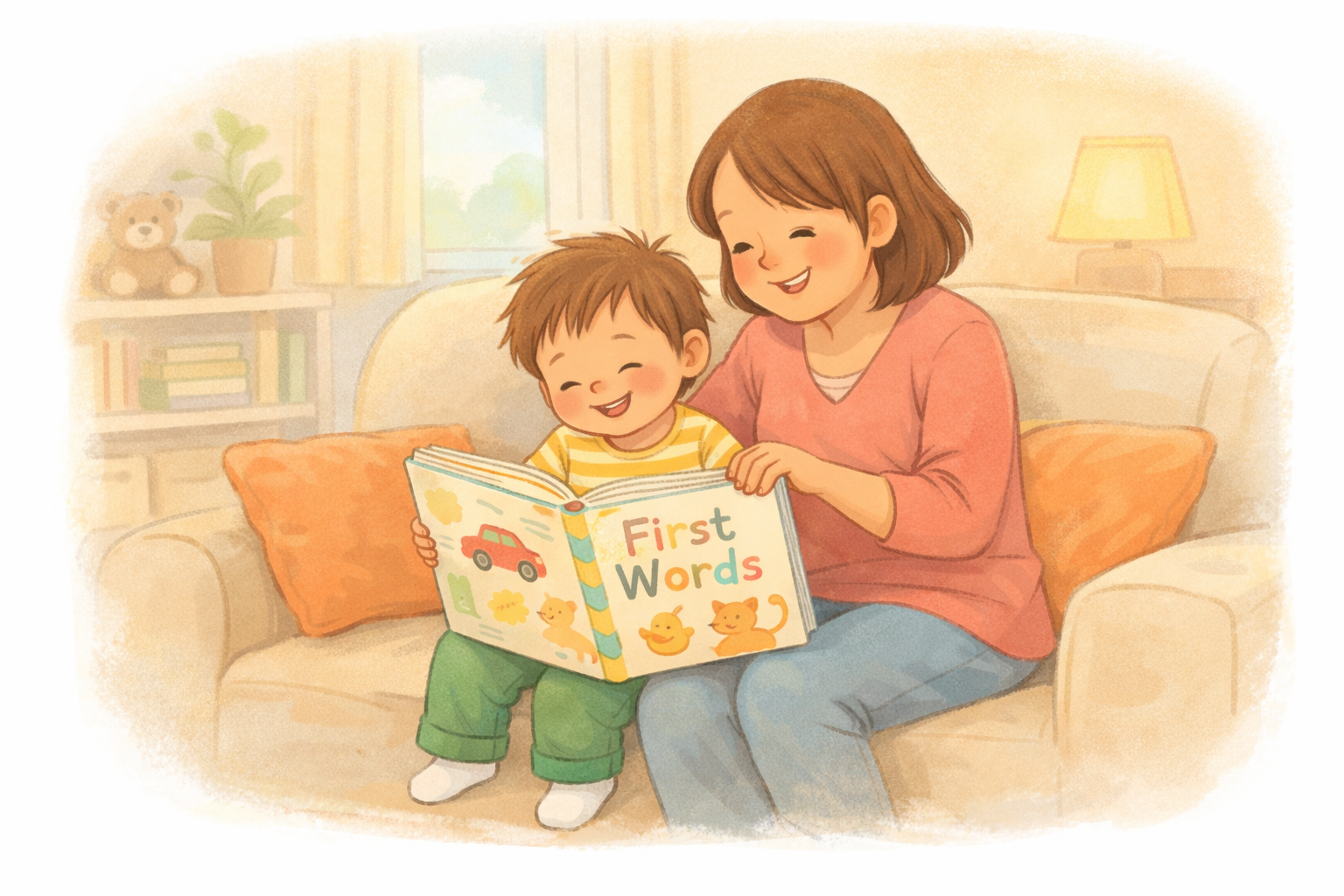
Parent and toddler finishing a short reading session happily.
First words books work beautifully in small sessions.

You do not need to finish the book.

Point to:
  • Three animals
  • Two vehicles
  • One colour
Then close it and move on.

These short, repeated exposures build vocabulary naturally over time.

Building Learning Into the Day

Learning does not need a formal “lesson”.

You can spread small moments across the day:
  • Name fruit at snack time
  • Point to objects while tidying
  • Talk about colours during dressing
  • Name animals during bath books
These micro-moments reduce the need for longer sessions.

If you would like to create more structure at home, read Creating a Daily Learning Routine for simple ideas.

The Calm Parent Approach

Your reaction shapes how your child feels about learning.

When they stop, try:
  • “Okay, we’ll stop there.”
  • “That was fun.”
  • “We can read again later.”
Avoid:
  • Pushing to finish
  • Showing disappointment
  • Turning it into a struggle
Learning should feel safe.

Breaks help protect that feeling.

Gentle Consistency Over Long Sessions

Five minutes every day is more powerful than twenty minutes once a week.

Small, warm, repeated experiences build:
  • Confidence
  • Language
  • Attention
  • Curiosity
You are not behind if your toddler only engages briefly.

You are building foundations, one small moment at a time.

And that is exactly how early learning is meant to work.

Newsletter

Join our Early Readers Club for fun learning tips, sneak peeks at new books, and free printable activities!
ChattyCubs™ 2026 All Rights Reserved.