ChattyCubs
£0.00 0

Basket

No products in the basket.

Parent Mindset for Early Learning

Parent Mindset for Early Learning

Your toddler does not need a perfect teacher.

They need you.

Your mindset shapes how learning feels at home. When you see everyday moments as opportunities, early learning becomes natural, calm, and enjoyable rather than pressured or overwhelming.

Why Parent Mindset Matters

Toddlers learn best when they feel safe, connected, and encouraged.

They do not learn through pressure. They learn through repetition, modelling, and shared attention.

A calm parent mindset helps you:
  • Notice small learning moments
  • Respond patiently to mistakes
  • Celebrate effort, not perfection
  • Keep expectations age-appropriate
If you sometimes feel unsure what is realistic, our guide to Setting Realistic Learning Goals can help you reset expectations gently.
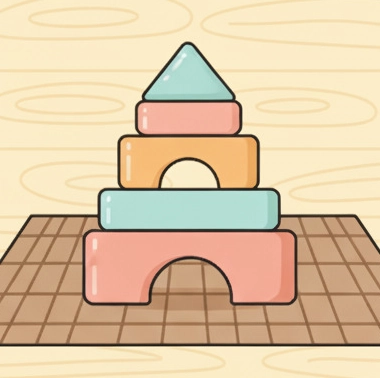
Parent smiling warmly at a toddler stacking blocks on the floor.

Shifting From Pressure to Progress

It is easy to compare.

Maybe another toddler is speaking more. Maybe social media makes everything look advanced and polished.

Early learning is not a race.

Progress at this age looks like:
  • Pointing at a picture
  • Trying to copy a word
  • Stacking two blocks instead of one
  • Listening for a few extra seconds
These small steps matter.

If you focus on steady progress rather than milestones, learning feels lighter for both of you.

Seeing Learning in Everyday Moments

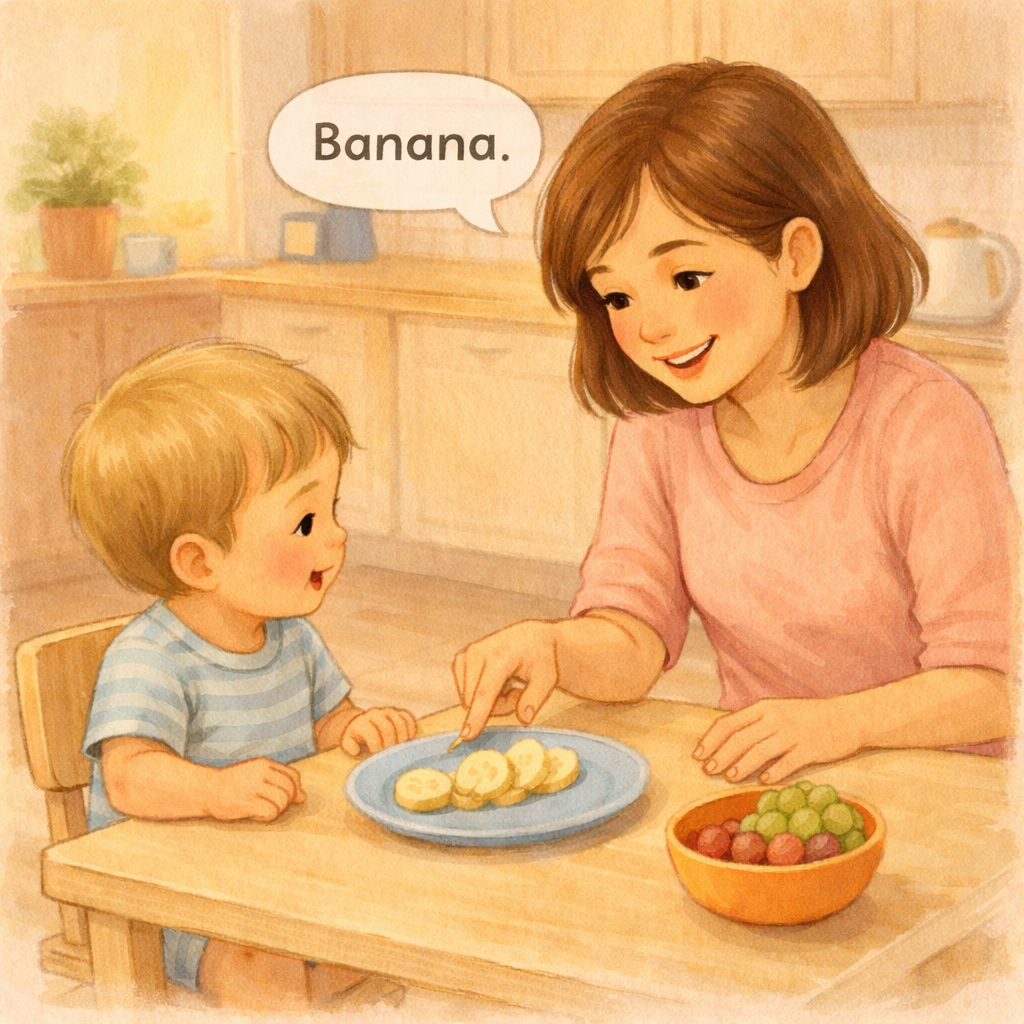
Parent naming fruit with a toddler during snack time.
You do not need worksheets or complicated activities.

Learning happens when you:
  • Name food during meals
  • Describe what your toddler is doing
  • Read a short book together
  • Sing familiar songs
Building these habits into your day is far more powerful than occasional big activities. If you would like practical structure, take a look at Creating a Daily Learning Routine.

Responding Calmly to Challenges

There will be frustration.

Words will not come out clearly. Blocks will fall over. Attention will wander.

Your mindset in those moments teaches more than the activity itself.

Instead of rushing in, try:
  • Pausing before helping
  • Naming what they are feeling
  • Keeping your voice steady
  • Encouraging one more try
If this is something you are working on, our page on Dealing With Frustration offers simple, practical ideas.

Follow Their Interests

Reluctant learners often become enthusiastic when the topic matches their curiosity.

Notice what they talk about, point to, or carry around.
  • Vehicles
  • Animals
  • Food
  • Family members
  • Favourite characters
Then build learning around that theme.

For example, if your child loves animals, pointing and naming together from a first words book can feel like play rather than practice.

Confidence Grows in Calm Homes

When learning feels safe, toddlers are more likely to:
  • Attempt new words
  • Ask questions
  • Explore independently
  • Keep trying after small setbacks
You do not need to be an expert.

You just need to be present, patient, and consistent.

Over time, those small daily moments build language, confidence, and curiosity that lasts far beyond the toddler years.


Newsletter

Join our Early Readers Club for fun learning tips, sneak peeks at new books, and free printable activities!
ChattyCubs™ 2026 All Rights Reserved.